We keep being told that more screens improve learning. The evidence is far less convincing. What stands out to me in this debate is the gap between what parents are told and what the research actua…

LinkedIn Content Strategy & Writing Style
#1 AI & Automation Thought Leader | Award-Winning Expert | Best-Selling Author | Recognized Keynote Speaker | Agentic AI Pioneer | Forbes Tech Council | 2M+ Followers ✔️
5 people tracking this creator on ViralBrain
Pascal Bornet positions himself as the premier architect of the human-agent orchestration era, moving beyond simple automation to define the next generation of organizational leadership. His strategy centers on a sophisticated value proposition: that AI agents do not eliminate management but instead shift it "upstream" toward system design and governance. He is notable for bridging the gap between high-level AI theory and practical frameworks, such as his Autonomy Matrix, which helps leaders navigate the tension between human judgment and machine independence. Bornet’s work thrives at the intersection of corporate strategy and human-centric reskilling, consistently arguing that the most successful AI implementations are those that treat technology as a scaling tool while reinvesting human talent into higher-value creative and relational roles.
1.5M
30.0K
1.9K
14
46
We keep being told that more screens improve learning. The evidence is far less convincing. What stands out to me in this debate is the gap between what parents are told and what the research actua…
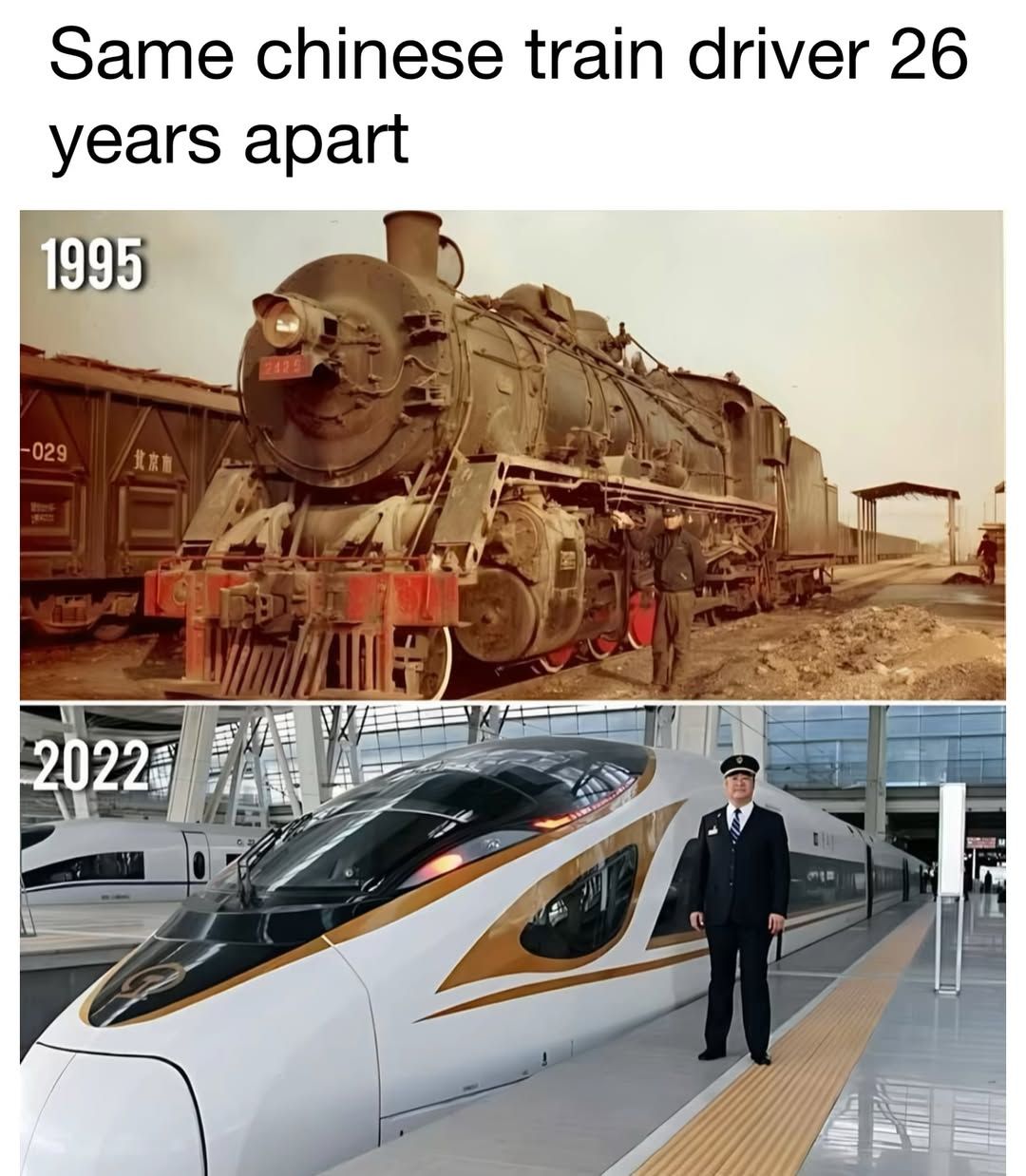
𝗧𝗵𝗶𝘀 𝗶𝘀 𝘄𝗵𝗮𝘁 𝗿𝗲𝗶𝗻𝘃𝗲𝗻𝘁𝗶𝗼𝗻 𝗹𝗼𝗼𝗸𝘀 𝗹𝗶𝗸𝗲. Han Junjia's first photo was taken in 1995, standing beside a steam locomotive, and nearly three decades later he posed again beside…

𝗬𝗼𝘂𝗿 𝘁𝗲𝗮𝗺’𝘀 𝗿𝗲𝘀𝗶𝗹𝗶𝗲𝗻𝗰𝗲 𝗺𝗮𝘆 𝗯𝗲 𝗽𝗿𝗼𝘁𝗲𝗰𝘁𝗶𝗻𝗴 𝗮 𝗯𝗿𝗼𝗸𝗲𝗻 𝘀𝘆𝘀𝘁𝗲𝗺. One pattern I keep seeing in transformation work is that organizations often confuse endurance…

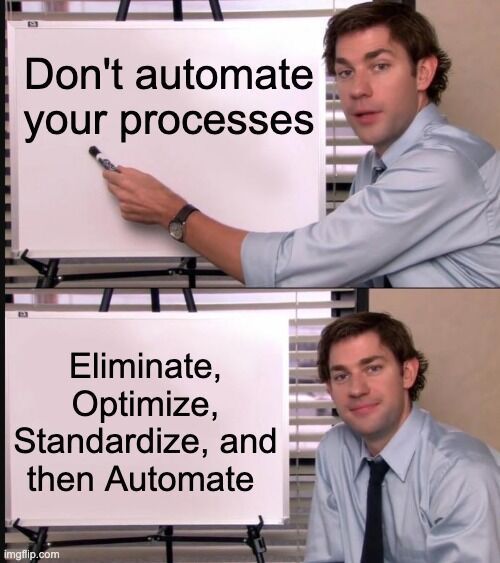
Automation 101. Over the years, I have seen many automation projects fail for the same reason: teams try to automate the process before fixing it. The order should be simple: 🗑️ Eliminate what sho…

AI may be clever without being intelligent. Sir Roger Penrose believes the name itself is wrong. His argument is that intelligence requires consciousness, and because machines are not conscious, wha…
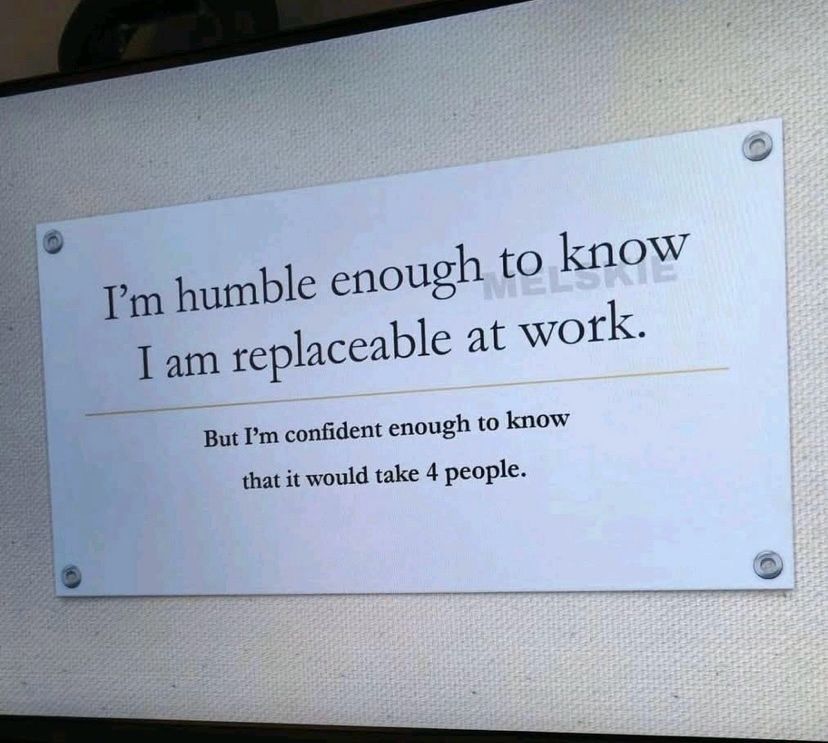
𝗡𝗲𝘄 𝗿𝗲𝗽𝗹𝗮𝗰𝗲𝗺𝗲𝗻𝘁 𝗺𝗮𝘁𝗵 𝗷𝘂𝘀𝘁 𝗱𝗿𝗼𝗽𝗽𝗲𝗱. I respect this level of self-awareness at work, because most of us are replaceable in theory, but in practice the company would need 4…

5.0 posts/week
Posts / Week
46
Total Posts Analyzed
HIGH
Posting Frequency
1874.4%
Avg Engagement Rate
STABLE
Performance Trend
1200
Avg Length (Words)
HIGH
Depth Level
ADVANCED
Expertise Level
0.85/10
Uniqueness Score
YES
Question Usage
0.8%
Response Rate
Writing style breakdown
<start of post>
Is the goal of AI to make us faster, or to make us better?
For a long time, the conversation around productivity has been dominated by a single metric: speed. We look for tools that help us write emails faster, summarize meetings faster, and generate code faster. In this framework, AI is essentially a high-powered engine bolted onto an existing car.
But as I explore the shift toward agentic workflows, I am starting to believe that speed is the least interesting thing about this technology.
The real transformation happens when AI changes the nature of the task itself. When an agent doesn't just help you write a report, but identifies the three data anomalies you missed and suggests a strategic pivot, it isn't just saving you time. It is providing a level of synthesis that was previously unavailable.
This is the core of what I call the Orchestration Shift.
In a traditional workflow, the human is the bottleneck for both speed and quality. In an orchestrated workflow, the agent handles the speed, which frees the human to focus entirely on the quality of judgment. The goal isn't to do the same things faster; it's to do entirely different, more valuable things.
We saw this with the evolution of the spreadsheet. It didn't just make accountants faster at math; it allowed them to become financial strategists who could model thousands of "what-if" scenarios in seconds.
The question for leaders is no longer "How much time can AI save us?"
The more important question is: "If time were no longer a constraint, what could our people achieve that they simply can't do today?"
What do you think? Are you using AI to run the same race faster, or are you using it to change the race you're running?
#HumanAgentOrchestrator #AIStrategy #FutureOfWork #DigitalTransformation #Leadership
<end of post>
Sign in to unlock the full writing analysis
Free tools to help you write, score, and benchmark in the same style.
Other creators worth studying alongside Pascal BORNET.

Richard van der Blom
LinkedIn Strategist | Algorithm Research-Backed | Helping Entrepreneurs Turn Visibility Into Revenue Without Living on the Platform | 350K+ Trained | Keynote Speaker
18 Viral Score

Michael Bamling
Most design for the sun. I design for life after dark. Acclaimed Author on emotional lighting, I fix the flaw no one talks about, spaces that fade when the sun goes down. Now you know who to call to create your vision.
247 Viral Score

Nicolas Kern
Partenaire Marketing de ton Business en Ligne depuis 2014 | Stratégie d’Acquisition • Offre Irrésistible • Tunnel de Vente | Réserve ton Audit Offert ⤵
24 Viral Score
Merick Schoute
Co-founder | CEO Holie’s
754 Viral Score

Dave Bailey
CEO of Founder Coach® • I help venture-backed CEOs scale to $100M and beyond.
38 Viral Score

Tom Hunt
$4.5m ARR. $0 raised. I have no idea what I’m doing.
41 Viral Score
ViralBrain plans, writes, and schedules your LinkedIn content, using official LinkedIn APIs so your account stays safe.
Write like Pascal BORNET.