
Building a great culture starts with surrounding yourself with individuals who show humanity, kindness, and positivity. As a leader, it's important to not "look the other way" when certain individual…
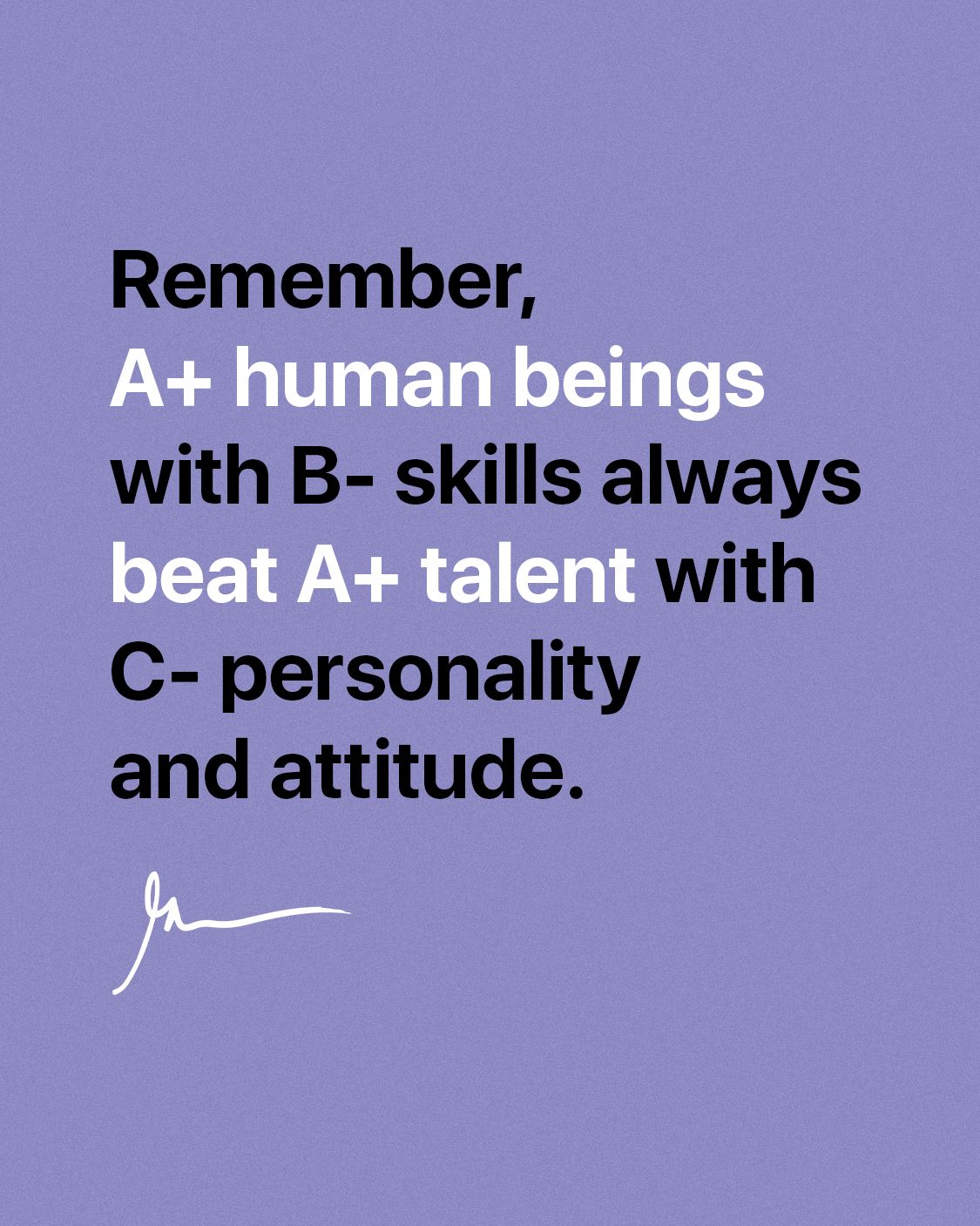
5.1K6005292 viral
Leadership9 months ago
LinkedIn Content Strategy & Writing Style
Chairman – VaynerX, CEO – VaynerMedia, Creator – VeeFriends
12 people tracking this creator on ViralBrain
Gary Vaynerchuk positions himself as a high-octane practitioner who bridges the gap between unfiltered business strategy and emotional intelligence. His content strategy centers on a dual-track value proposition: providing macro-economic foresight regarding "interest media" and the creator economy while simultaneously acting as a mindset coach who champions humility and self-forgiveness. What makes him notable is his refusal to separate professional success from personal psychological health, often using his platform to grant permission for career pivots and radical transparency. This intersection of aggressive market execution and soft-skill advocacy allows him to pivot seamlessly from technical discussions on AI and blockchain to deeply human appeals for self-belief, creating a distinct "individual empire" blueprint for his followers.
6.0M
28.5K
338
1
3
Building a great culture starts with surrounding yourself with individuals who show humanity, kindness, and positivity. As a leader, it's important to not "look the other way" when certain individual…
I fire every single person that is not a good human being regardless of how much money she or he makes for me. If you’re a leader, I promise you this… you better go home and audit every single emplo…
You don't build culture by offering free snacks or a gym membership. You build culture by talking to people and understanding what they care about. Leaders work for their employees, not the other wa…
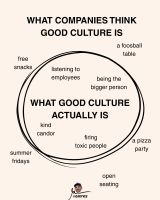
Audit the sh*t out of what you consume and who you hang with. It's just real! Who you hang out with determines your future success... so surround yourself with positive people who support you. Suppo…

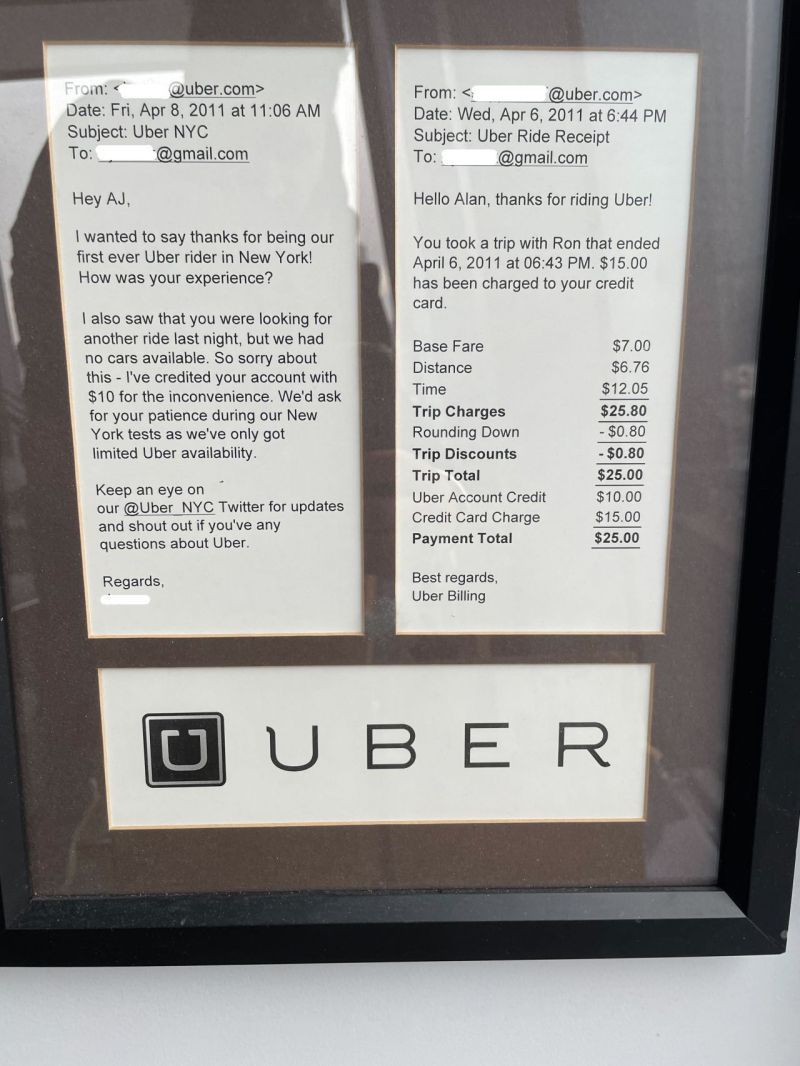
My brother AJ took the first Uber ride in New York City when the founder of Uber came and asked us to test it. I was literally in the room when Uber was invented, and yet I still passed on investing i…
I'm not a big fan of dwelling without action. I've got a very basic thesis: if I find myself in a situation where I'm unhappy, either I do something about it, or—if I've decided I don't want to do so…
0.0 posts/week
Posts / Week
3
Total Posts Analyzed
HIGH
Posting Frequency
338%
Avg Engagement Rate
STABLE
Performance Trend
450
Avg Length (Words)
MEDIUM
Depth Level
INTERMEDIATE
Expertise Level
0.85/10
Uniqueness Score
YES
Question Usage
0%
Response Rate
Writing style breakdown
<start of post>
The biggest mistake you’re making right now is worrying about what your aunt or your high school boyfriend thinks about your content.
Stop. Just stop.
We are living through the greatest era of opportunity in human history and you’re worried about a comment from someone who isn't even playing the game? It makes no sense!!
Here’s the reality … the gatekeepers are gone. You don't need a network to give you a show. You don't need a magazine to feature your art. You just need to produce. You need to lean into your truth and post 4-7 times a day across every platform. The next chapter of the "individual empire" is here and AI is going to make the gap between the doers and the talkers even wider … if you aren't deploying speed and humility right now, you’re going to lose.
It’s time to triple down on who you actually are. Not who you think you should be.
I believe in you so so so much ❤️❤️❤️
Leave a "YES" in the comments if you’re ready to execute 👇
<end of post>
Sign in to unlock the full writing analysis
Free tools to help you write, score, and benchmark in the same style.
Other creators worth studying alongside Gary Vaynerchuk.

Cristina Junqueira
Co-Founder at Nubank
16 Viral Score
Han Wang
co-founder @ mintlify - we’re hiring
96 Viral Score

Jake Hall
#TheManufacturingMillennial | Manufacturing | Automation | Skilled Trades | Keynote Speaker | Industry 4.0
20 Viral Score

Florian Palatini
Fluent in engineering l send me your content l 710k followers I @item
8 Viral Score

Jay Flores
It’s not Magic… but it feels like it 🧪✨ I make kids excited to learn Science 🎤 Live STEM experiences 💪🏽 3x American Ninja Warrior 📚 Author: Engineer Someday ⬇️
54 Viral Score

Chris Luecke
I help manufacturers tell their story to their ideal customer | Podcaster 🎙️ | Keynote Speaker 💬
28 Viral Score
ViralBrain plans, writes, and schedules your LinkedIn content, using official LinkedIn APIs so your account stays safe.
Write like Gary Vaynerchuk.