
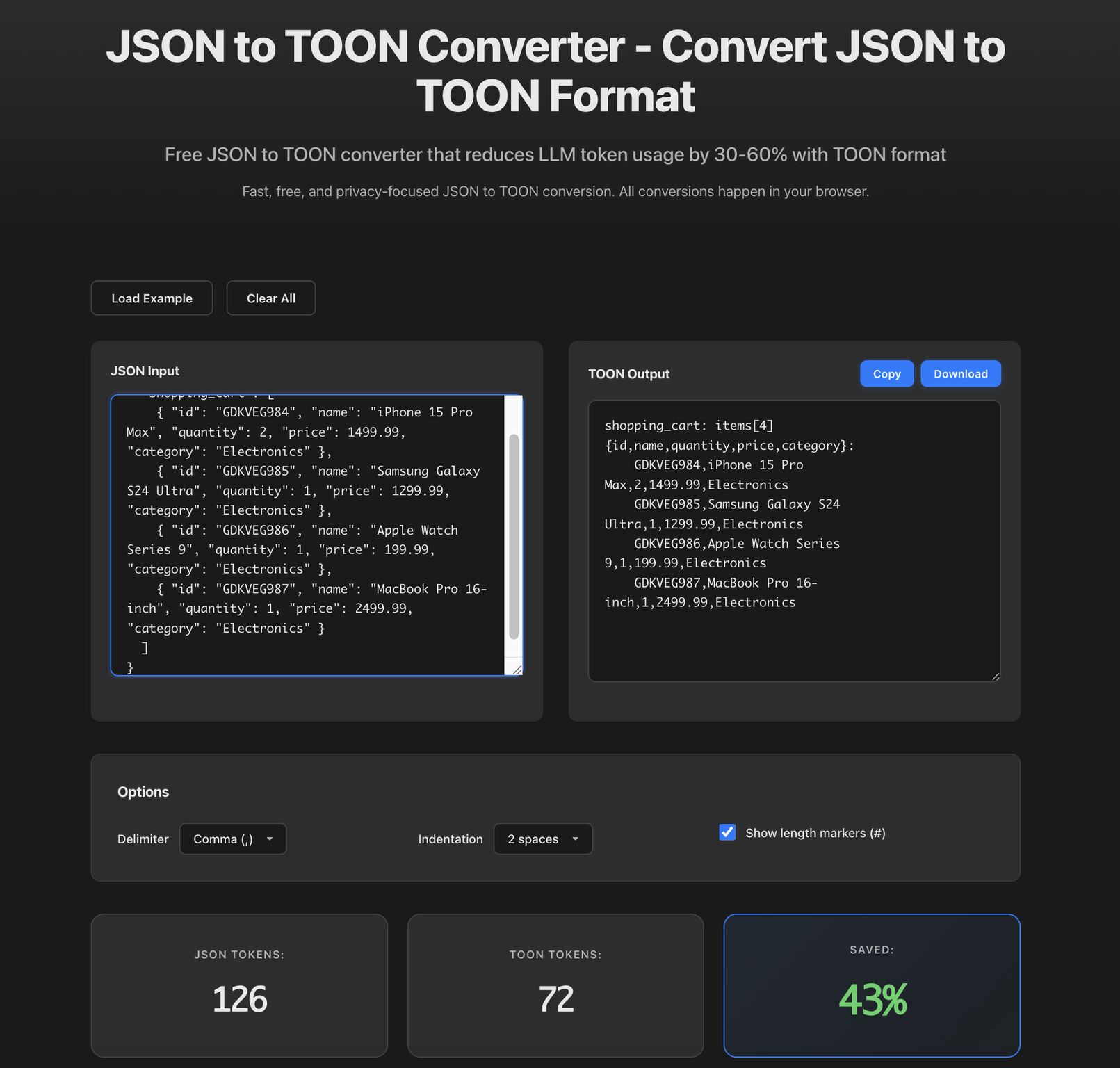
TOON (Token-Oriented Object Notation) is out for some days now and it aims to make communication with LLMs more accurate and token-efficient. The TOON topic is now one of the hottest news on the LLM…
58876829 viral
AI11 months ago

LinkedIn Content Strategy & Writing Style
Founder @ SwirlAI • UpSkilling the Next Generation of AI Talent • Author of SwirlAI Newsletter • Public Speaker
1 person tracking this creator on ViralBrain
Aurimas Griciūnas positions himself as a high-level technical architect and educator for the next generation of AI engineering talent. His content strategy centers on deconstructing complex agentic workflows, moving beyond "toy" RAG examples to address the gritty realities of production-grade systems, such as memory management, observability, and deployment types. He is notable for his ability to bridge the gap between abstract LLM capabilities and rigorous software engineering principles, often providing visual mental models for concepts like Cache Augmented Generation (CAG) or the Model Context Protocol (MCP). This intersection of deep technical transparency and structured upskilling makes his work a vital resource for engineers navigating the transition from simple chatbots to sophisticated, autonomous enterprise agents.
172.9K
30.0K
403
3.7
25
2
TOON (Token-Oriented Object Notation) is out for some days now and it aims to make communication with LLMs more accurate and token-efficient. The TOON topic is now one of the hottest news on the LLM…
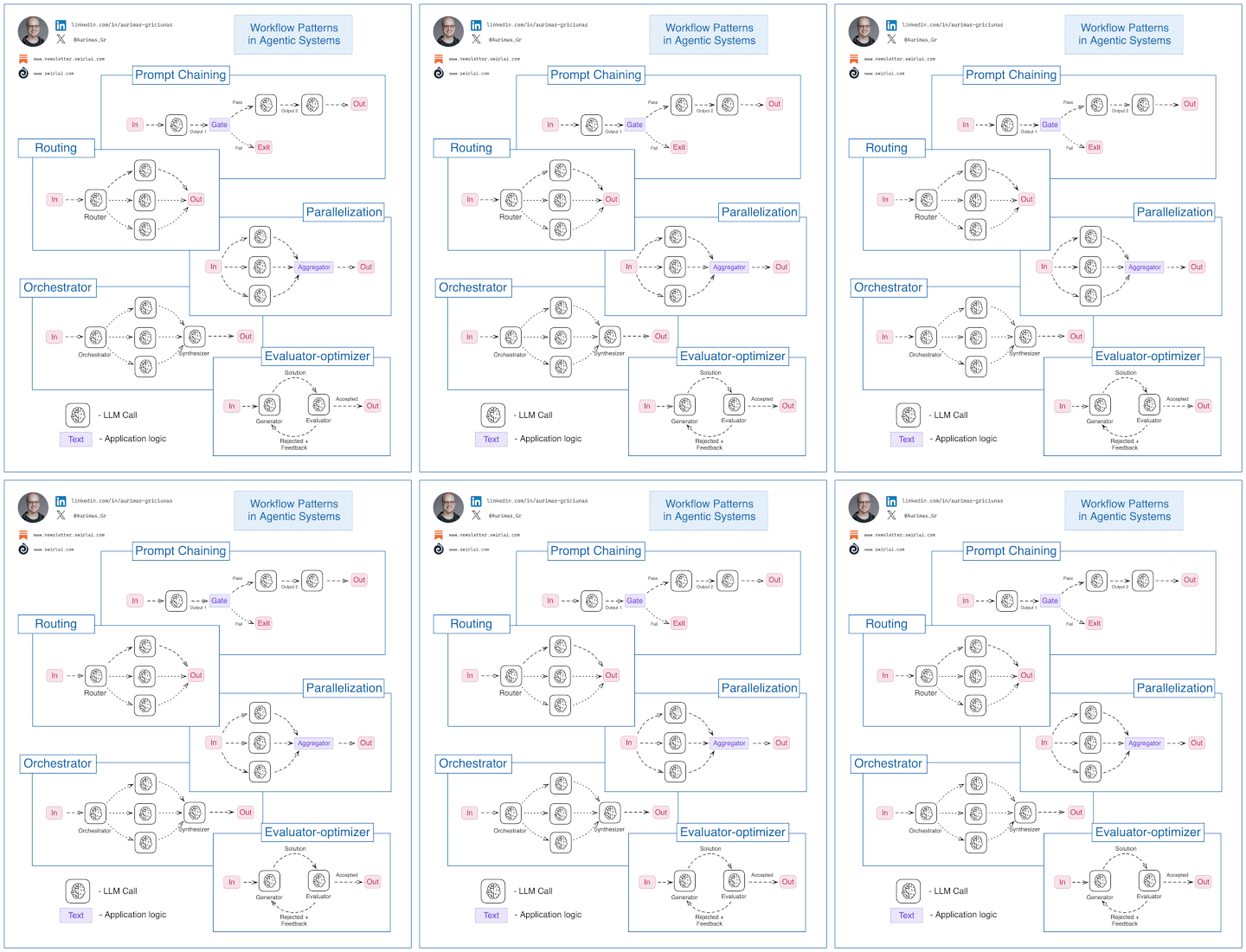
You must know these 𝗔𝗴𝗲𝗻𝘁𝗶𝗰 𝗦𝘆𝘀𝘁𝗲𝗺 𝗪𝗼𝗿𝗸𝗳𝗹𝗼𝘄 𝗣𝗮𝘁𝘁𝗲𝗿𝗻𝘀 as an 𝗔𝗜 𝗘𝗻𝗴𝗶𝗻𝗲𝗲𝗿. If you are building Agentic Systems in an Enterprise setting you will soon discover that…
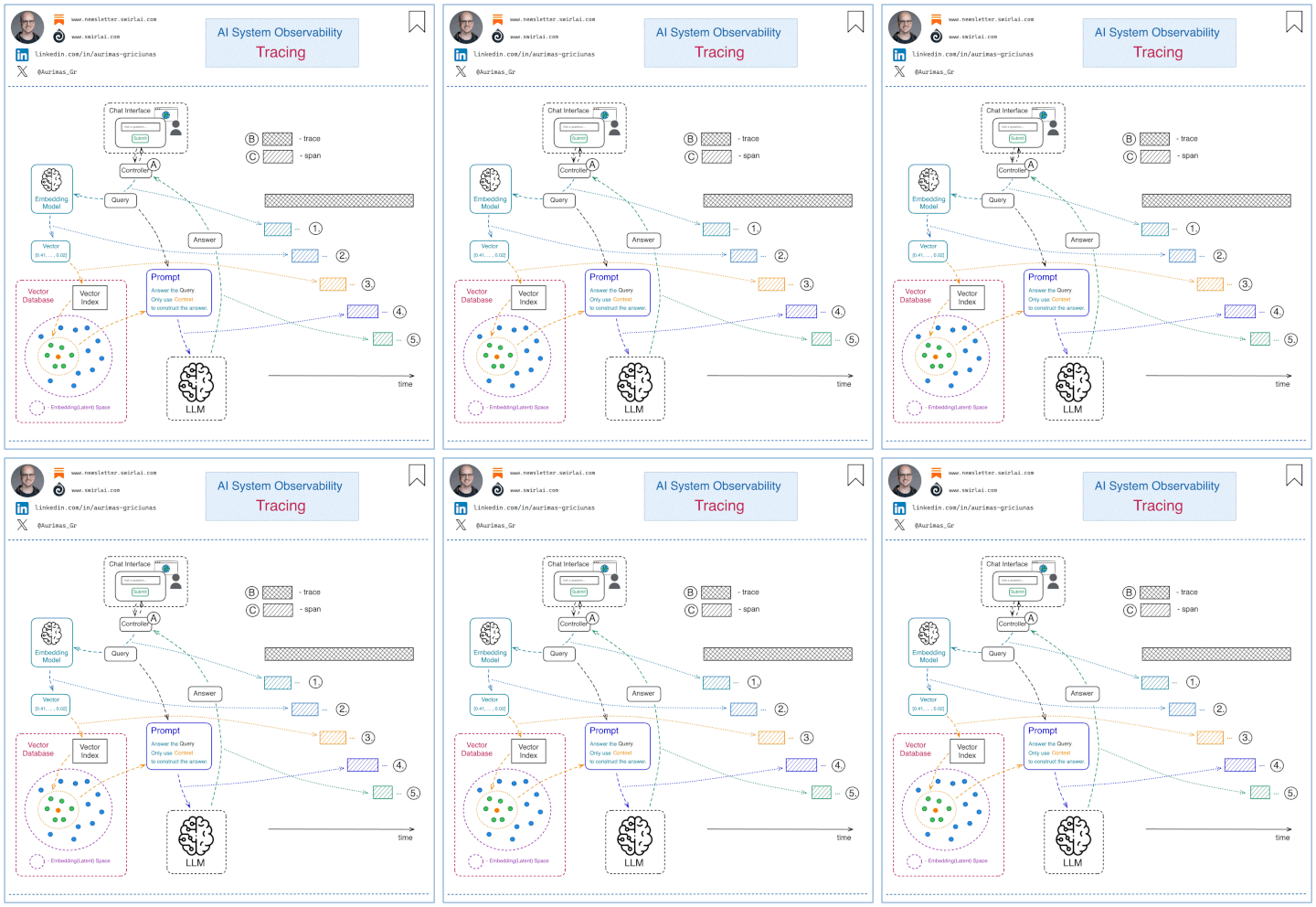
𝗔𝗜 𝗢𝗯𝘀𝗲𝗿𝘃𝗮𝗯𝗶𝗹𝗶𝘁𝘆 is a must have in your tool belt as an AI Engineer. 𝗧𝗿𝗮𝗰𝗶𝗻𝗴 sits at the core of it, why is it important? Tracing and instrumentation of software have been aroun…
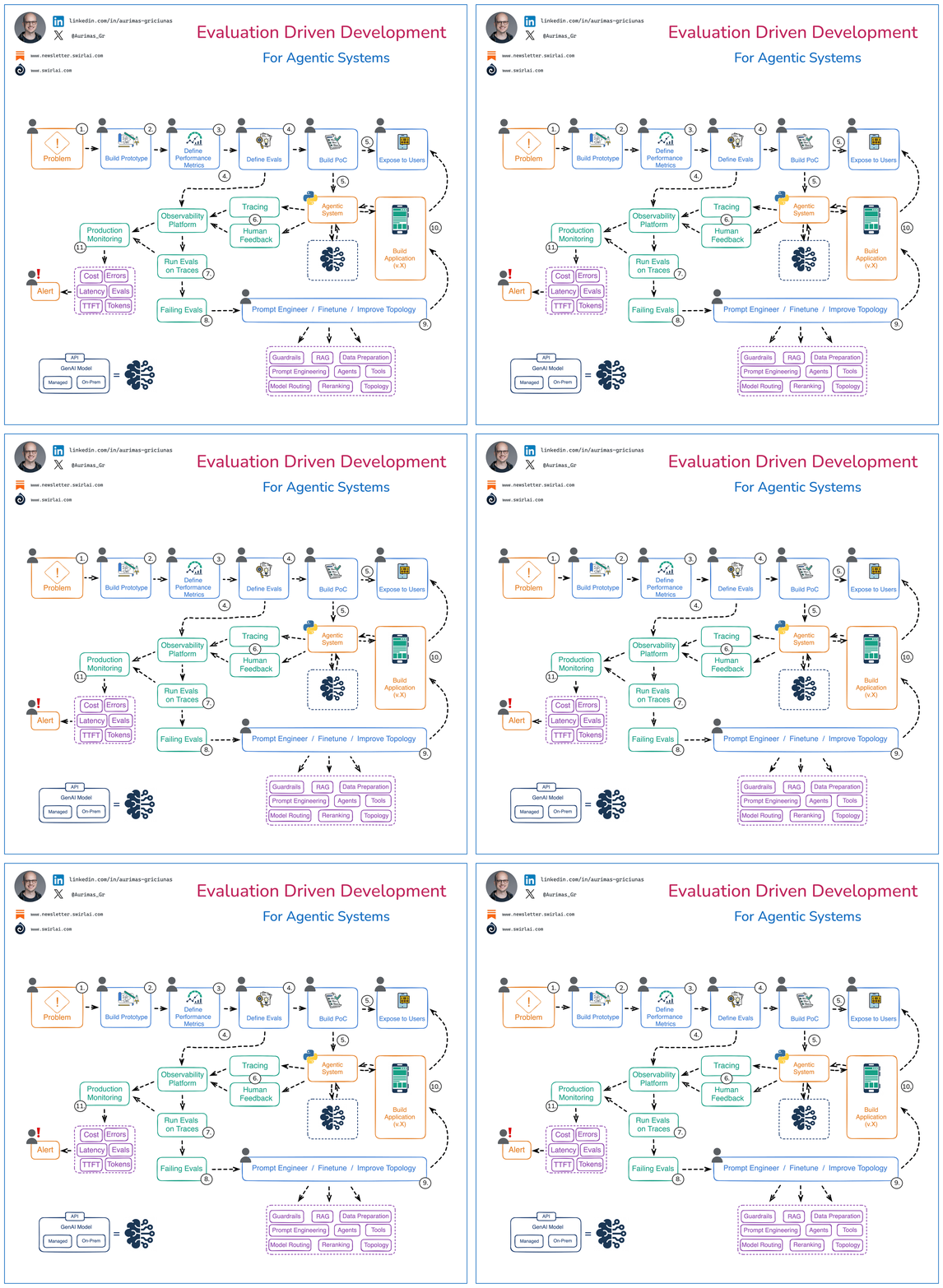
I have been developing Agentic Systems for the past few years and the same patterns keep emerging. 👇 𝗘𝘃𝗮𝗹𝘂𝗮𝘁𝗶𝗼𝗻 𝗗𝗿𝗶𝘃𝗲𝗻 𝗗𝗲𝘃𝗲𝗹𝗼𝗽𝗺𝗲𝗻𝘁 is the most reliable way to be successfu…
𝗔𝗴𝗲𝗻𝘁𝗶𝗰 𝗥𝗔𝗚 and what you need to know about it as an AI Engineer? Simple naive RAG systems are rarely used in real world applications. We are usually adding some agency to the RAG system -…

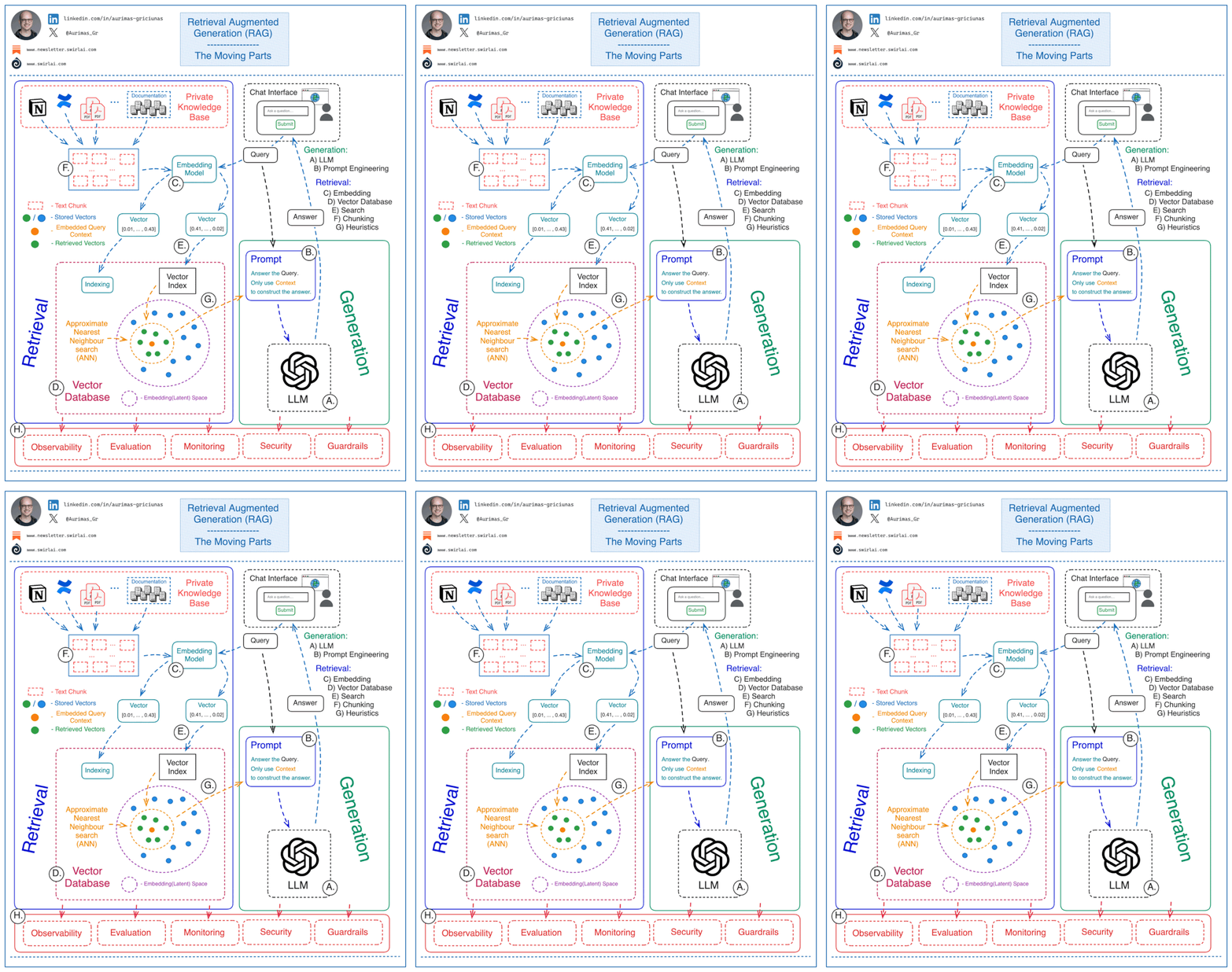
Building even a simple 𝗽𝗿𝗼𝗱𝘂𝗰𝘁𝗶𝗼𝗻 𝗴𝗿𝗮𝗱𝗲 𝗥𝗲𝘁𝗿𝗶𝗲𝘃𝗮𝗹 𝗔𝘂𝗴𝗺𝗲𝗻𝘁𝗲𝗱 𝗚𝗲𝗻𝗲𝗿𝗮𝘁𝗶𝗼𝗻 (𝗥𝗔𝗚) 𝗯𝗮𝘀𝗲𝗱 𝗔𝗜 𝘀𝘆𝘀𝘁𝗲𝗺 is a challenging task. Read until the end to und…
3.7 posts/week
Posts / Week
2.1 days
Days Between Posts
2
Total Posts Analyzed
HIGH
Posting Frequency
403.2%
Avg Engagement Rate
STABLE
Performance Trend
400
Avg Length (Words)
HIGH
Depth Level
ADVANCED
Expertise Level
0.85/10
Uniqueness Score
YES
Question Usage
0.5%
Response Rate
Writing style breakdown
Professional, educational, and highly structured.
Conversational but not casual; "LinkedIn thought-leadership for engineers" vibe.
Very didactic: posts feel like mini-guides, not opinions or hot takes.
Persuasive mainly through clarity and structure, not hype or emotion.
Language: semi-formal. Uses domain-accurate technical terminology (RAG, CAG, vector DBs, MLOps, observability, MCP, etc.) with almost no slang.
Contractions are common ("Let’s", "don’t", "you’ll") which softens the tone.
No profanity. No sarcasm. No edgy humor.
Medium energy: confident and engaged, but calm and measured.
Tone is optimistic and constructive ("you should strive", "it is really easy to start prototyping").
No dramatization or outrage; excitement is expressed via "this is important", not via hyperbole.
A concept + why it matters ("AI Agent’s Memory is the most important piece...")
A question targeted at a role ("what you need to know about it as an AI Engineer?")
A bold assertion + "read until the end" incentive.
Definitions ("Few definitions:", "A short summary:")
Explicit enumerations ("It is useful to group the memory into four types:")
Checklists and step-by-step processes.
Occasional rhetorical questions in the body ("What might a trace look like...?") but most questions are reserved for the CTA.
Let’s look into...
Let’s explore...
This is where:
For this you need to understand...
Uses emojis and icons systematically (✅, ❌, ❗️, ℹ️, ➡️, 👇) for structure and emphasis, not for humor.
Primary person: second person ("you", "you must know", "you should strive").
Expertise anchoring: "I have been developing Agentic Systems..."
Opinion framing: "My Honest Thoughts:", "Why I think so:"
Almost no third-person storytelling; focus is on "you as AI/MLOps/AI Engineer".
Direct: "You must know these...", "Always try to solve...", "Be very careful about what you cache..."
Softened suggestions: "You should strive to provide...", "Think about an assistant that...", "Consider this as..."
Often frames advice as "you should" or "it is useful to" rather than pure orders.
Sign in to unlock the full writing analysis
Free tools to help you write, score, and benchmark in the same style.
Other creators worth studying alongside Aurimas Griciūnas.

Xavier Mitjana
Formo a profesionales para que dominen la IA | Formación práctica en adopción de la Inteligencia Artificial | IA en acción
23 Viral Score

Ori Zilbershtein
Founder @ Maxfusion.ai | +30K followers
530 Viral Score

Austin Belcak
I Teach People How To Land Amazing Jobs Without Applying Online // Ready To Land A Great Role In Less Time (With A $44K+ Raise)? Head To 👉 CultivatedCulture.com/Coaching
3 Viral Score

Alexander Klöpping
Uitgever van Smartphonevrij Opgroeien & Voorbereid
41 Viral Score

Michael Lee
CRO | Data & AI | Scaling $1M-$100M B2B Companies With AI | Turning Lean Teams Into High-Output Engines with Agents + Systems | Top 2% worldwide
341 Viral Score

Fivos Aresti
Co-Founder @ Workflows.io | Growth playbooks using AI
135 Viral Score
ViralBrain plans, writes, and schedules your LinkedIn content, using official LinkedIn APIs so your account stays safe.
Write like Aurimas Griciūnas.