
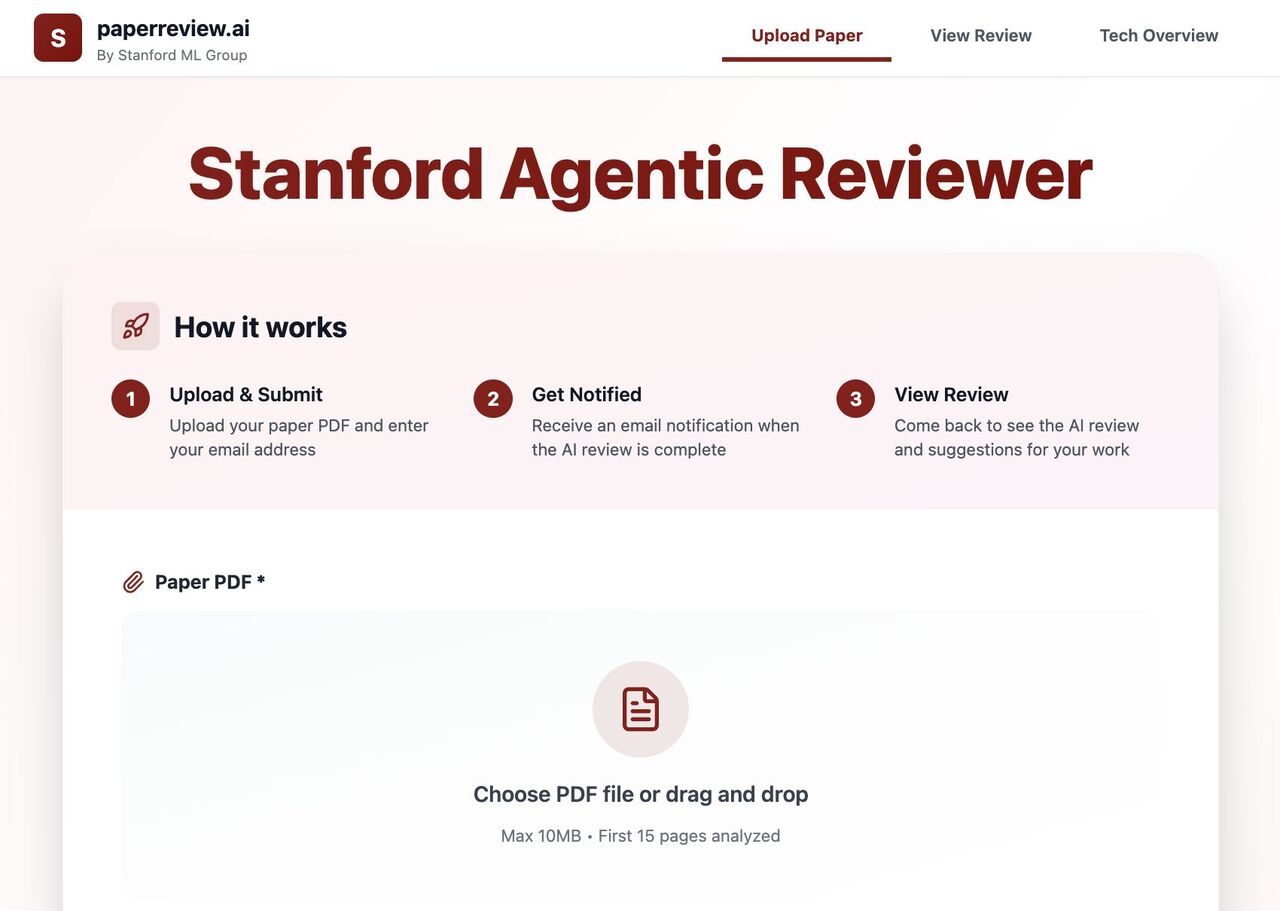
Releasing a new "Agentic Reviewer" for research papers. I started coding this as a weekend project, and Yixing J. made it much better. I was inspired by a student who had a paper rejected 6 times ove…
17.4K5721.4K13 viral
AI11 months ago

LinkedIn Content Strategy & Writing Style
Founder of DeepLearning.AI; Managing General Partner of AI Fund; Exec Chairman of LandingAI
6 people tracking this creator on ViralBrain
Andrew Ng positions himself as the architect of the agentic era, bridging the gap between high-level AI venture strategy and the granular technical needs of the developer community. His content strategy centers on the transition from static LLMs to autonomous agents, specifically championing the "agentic workflow" through open-source tools like Context Hub and specialized education on persistent memory. He is notable for his ability to democratize complex engineering primitives, such as JAX or semantic tool retrieval, while maintaining a grounded, optimistic narrative about AI’s impact on human labor. This creates a powerful intersection of technical pedagogy and ecosystem building, where he simultaneously trains the workforce and provides the infrastructure they need to build the next generation of software.
2.3M
1.8K
4.7K
2.6
21
1
Releasing a new "Agentic Reviewer" for research papers. I started coding this as a weekend project, and Yixing J. made it much better. I was inspired by a student who had a paper rejected 6 times ove…
Coursera has entered into a definitive agreement to combine with Udemy. Coursera exists to transform lives through learning, and Udemy -- a company I've long admired -- has done tremendous work upski…
Is there an AI bubble? With the massive number of dollars going into AI infrastructure such as OpenAI’s $1.4 trillion plan and Nvidia briefly reaching a $5 trillion market cap, many have asked if spec…
New course: Building Coding Agents with Tool Execution, taught by Tereza Tizkova and Fra Zuppichini from E2B. Most AI agents are limited to predefined function calls. This short course teaches you to…
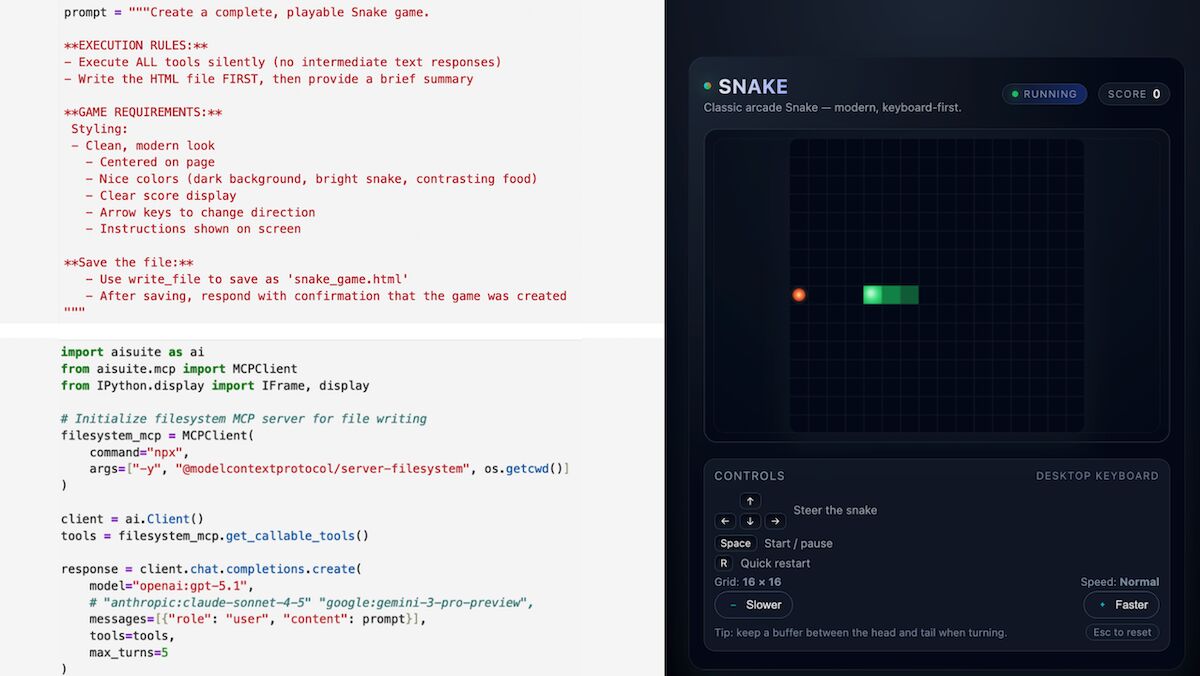
Sharing a fun recipe for building a highly autonomous, moderately capable, and very UNreliable agent using the open source aisuite package that Rohit Prasad and I have been working on. With a few lin…
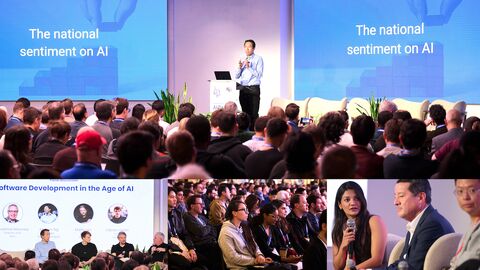
I just got back from AI Dev x NYC, the AI developer conference where our community gathers for a day of coding, learning, and connecting. The vibe in the room was buzzing! It was at the last AI Dev in…
2.6 posts/week
Posts / Week
3 days
Days Between Posts
1
Total Posts Analyzed
MEDIUM
Posting Frequency
0%
Avg Engagement Rate
STABLE
Performance Trend
220
Avg Length (Words)
HIGH
Depth Level
ADVANCED
Expertise Level
8/10
Uniqueness Score
YES
Question Usage
0.5%
Response Rate
Writing style breakdown
Professional, clear, and informative above all else.
Conversational but not chatty; feels like a thoughtful expert talking to peers and serious learners.
Tone is optimistic, constructive, and solutions-oriented.
Strongly analytical: data, caveats, and explicit reasoning are foregrounded.
Persuasive via logic and evidence, not via hype or emotional manipulation.
Occasional light enthusiasm or subtle excitement, but never overwrought.
Overall register: semi-formal professional.
Vocabulary is precise but accessible; technical where needed (e.g., "agentic workflows," "inference capacity") but usually explained or grounded in context.
Avoids slang, internet shorthand, or informal contractions like "gonna" or "wanna".
Does use standard contractions such as "I've", "we'll", "don't", etc.
Speaks as a domain expert and builder who is hands-on (coding, organizing events, running courses).
Frequently uses "I" to share observations, beliefs, and activities.
Uses "we" when referring to the AI community, his teams, or collaborators.
Takes a calm, rational, teacher-like stance: explain, contextualize, then propose what to do.
Energy: moderate and steady. Not frenetic; more like a confident, measured optimism.
Positive framing: even when pointing out problems (e.g., distrust of AI, lack of ROI), he quickly pivots to paths forward.
Rare but purposeful exclamation marks, usually to mark a milestone or gentle enthusiasm, not constant excitement.
Frequent use of explicit caveats and disclaimers ("Caveat:", "To be clear," "I am absolutely not giving investment advice!").
Recurrent pattern of naming both benefits and risks/limitations in the same paragraph.
Frequent numerical grounding (percentages, counts, comparisons like "21,575 paper submissions").
Likes to highlight "green shoots" or emerging progress, even when adoption is low.
Common rhetorical strategy: "X is concerning/problematic. But if we do Y and Z, we can make it better."
Teaching or promising skills ("You'll learn to run agent-generated code safely...")
Inviting participation ("If you’re nearby and interested, please apply to attend:")
Introducing tools or resources ("I hope it helps you with your research.")
Direct but polite: "Check it out here:", "Join and build agents that..."
Softer, reflective tone in analytical pieces: "I believe providing training to people will be a key piece of the puzzle."
Rare direct rhetorical questions aimed at the reader, but when used, they are clean and to the point ("Is there an AI bubble?" "Where do we go from here?").
Sign in to unlock the full writing analysis
Free tools to help you write, score, and benchmark in the same style.
Other creators worth studying alongside Andrew Ng.
Will Guidara
NYT Bestselling Author: Unreasonable Hospitality; Host: The Welcome Conference; Co-Producer: The Bear; Speaking Inquiries: contact@vaynerspeakers.com
150 Viral Score

Frederic Brunner
I Help Insurers To Achieve Faster Claims Processing By Automating Coverage Checks | CEO @ AI Swiss Knife
74 Viral Score

Ned Lowe
We help you build with Fractional Tech Leaders and Offshore Delivery Teams
97 Viral Score

Jack Gaisford-Miles
I help serious business owners create videos that get customers, without guessing or doing it alone | Founder of The Content Club.
54 Viral Score

Dorie Clark
WSJ & USA Today Bestselling Author; HBR & Fast Company contributor; Top 50 Business Thinker in World - Thinkers50 & Inc. magazine
6 Viral Score

Lara Acosta
Entrepreneur and investor building businesses online | Featured on Forbes, Kajabi + Semrush | Helped 3,000+ people build their personal brand.
120 Viral Score
ViralBrain plans, writes, and schedules your LinkedIn content, using official LinkedIn APIs so your account stays safe.
Write like Andrew Ng.