
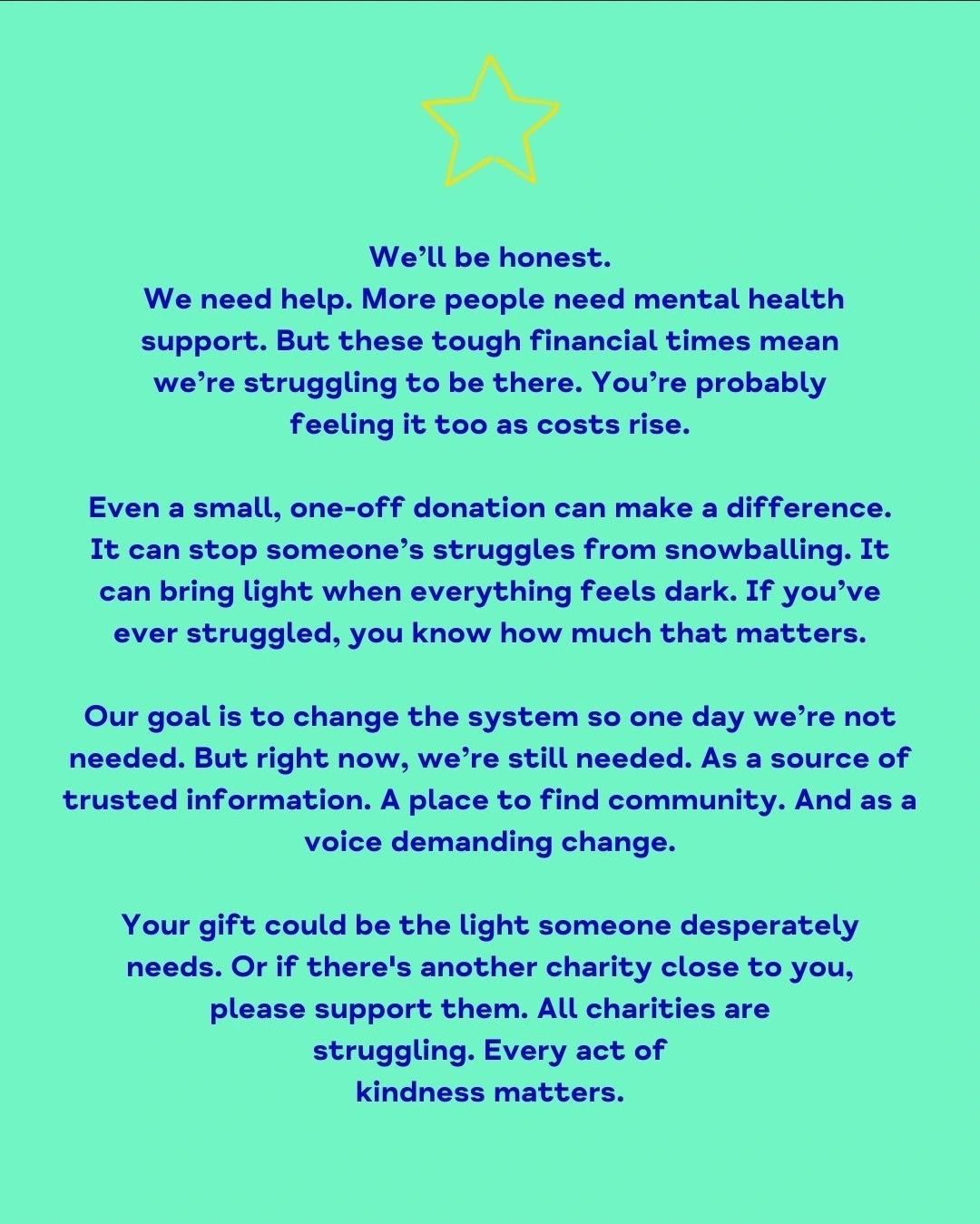
I've just come across this lovely bit of fundraising copy from Mind. I have a thing for charity communications that treat their audience like grown-ups. When they let the heavily focus-grouped campai…
4332013
Marketing11 months ago

LinkedIn Content Strategy & Writing Style
1 person tracking this creator on ViralBrain
This creator positions themselves as a discerning strategist and advocate within the third sector, acting as a bridge between high-level charity campaigning and the human-centric art of communication. Their content strategy centers on dissecting the mechanics of social impact, moving beyond generic praise to offer critical appraisals of fundraising copy, creative stunts, and power-sharing initiatives. They are notable for championing a "grown-up" approach to charity comms that rejects over-polished, focus-grouped messaging in favor of vulnerability and radical honesty. By blending professional consulting insights with a deep commitment to sector-wide solidarity, they highlight a sophisticated intersection of strategic brand analysis and ethical campaigning, consistently pushing for work that respects the audience's intelligence while driving genuine systemic change.
0
0
77
2.3
1
I've just come across this lovely bit of fundraising copy from Mind. I have a thing for charity communications that treat their audience like grown-ups. When they let the heavily focus-grouped campai…
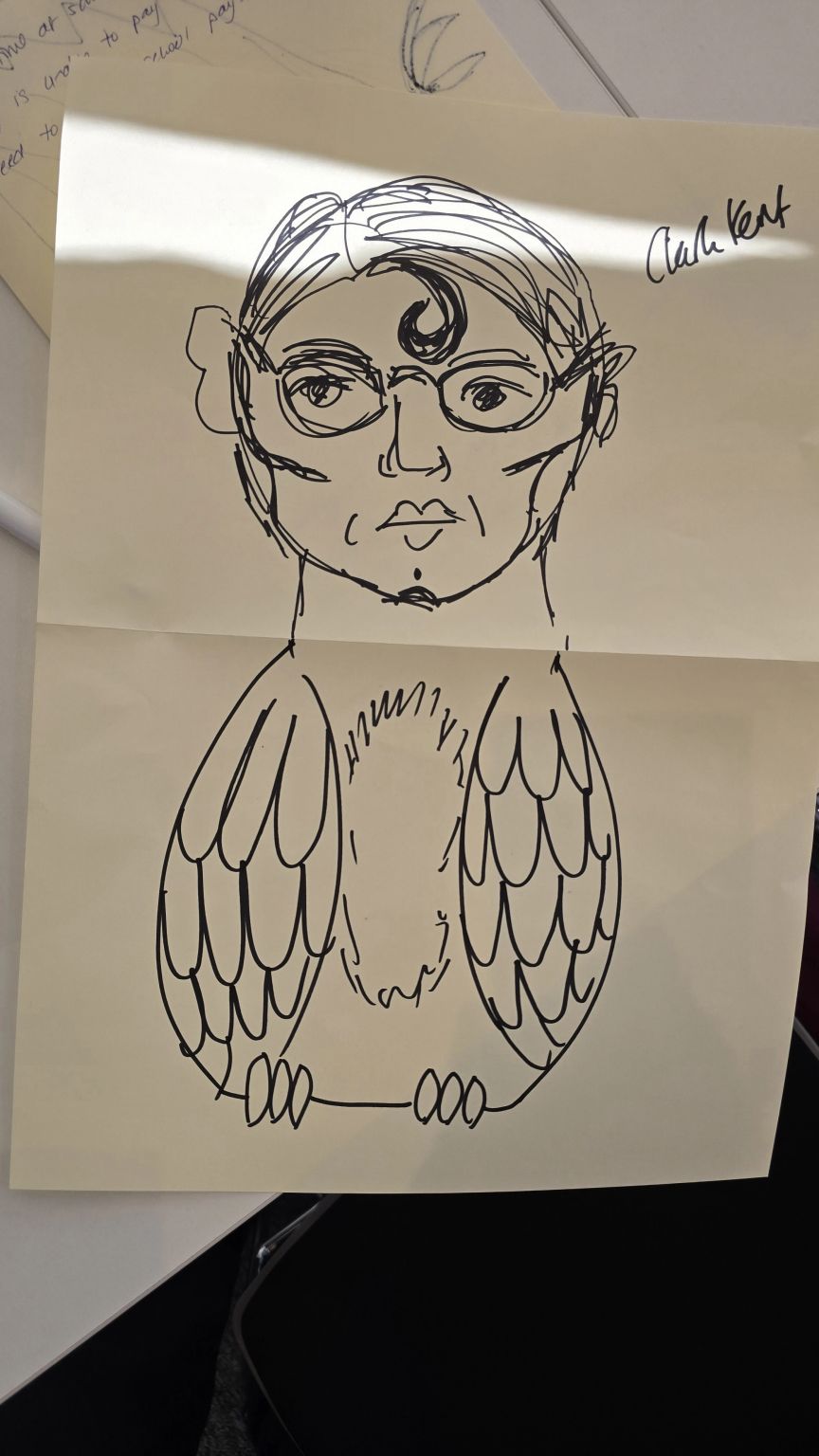
Still can't decide if this was genius or terrible. Warm up exercise for an all staff strategy away day for a client: a game of consequences, where the head is "a celebrity who represents your charity…
This is one of my favourite charity campaigning initiatives. A brilliant (and sadly quite rare?) example of genuine power sharing with young people, trusting them to do amazing things and backing the…
Stunts like these are so hard to get right. It is challenging to get the right mix of visual cut-through and tabloid-friendly photo op without it feeling gimmicky and belittling the issue or the peop…
This story captures so perfectly why the YoungMinds Parents Helpline is so effective, so unique and so necessary. #TheBigGive is doubling your donations to keep this service going, so there's never…
This is an excellent read from Beth Howgate, sharing lessons from years of trying to shift public opinion on UK aid. So many useful learnings. "We need to ask ourselves how we are changing our comms,…
2.3 posts/week
Posts / Week
3.5 days
Days Between Posts
1
Total Posts Analyzed
MEDIUM
Posting Frequency
77%
Avg Engagement Rate
STABLE
Performance Trend
150
Avg Length (Words)
HIGH
Depth Level
ADVANCED
Expertise Level
8/10
Uniqueness Score
NO
Question Usage
0.7%
Response Rate
Writing style breakdown
The style is conversational, warm, and human, but rooted in a professional, sector-savvy context (charity, campaigning, comms).
It is not formal-academic and not hyper-casual either; it sits in a “smart, friendly professional” register.
It is strongly opinionated but rarely strident. The writer shares clear judgments (“excellent read”, “I really like”, “appalling that…”) while maintaining a generous, collegial tone.
The posts often feel like a colleague or peer talking on LinkedIn rather than a brand broadcasting.
Uses contractions consistently: “can’t”, “I’ve”, “it’s”, “you’ll”, “there’s”, “that’s”.
Uses plain, accessible language rather than jargon, but with sector-specific vocabulary where natural: “strategy away day”, “campaign”, “appeals”, “fundraising copy”, “visual cut-through”, “tabloid-friendly photo op”, “comms”.
Favouring UK spelling and idiom: “favourite”, “behaviour” (inferred), “appalling”, “It’s tough out there.”
Medium energy: calm, assured, but engaged and sometimes enthusiastic.
Emotion is present but controlled. Words like “lovely”, “haunting”, “refreshing”, “heartening”, “tough out there” express feeling without melodrama.
There is an undercurrent of care and seriousness about social issues, especially when discussing mental health, young people, aid, or inequality.
Posts about positive initiatives are genuinely celebratory; posts about problems use clear moral language (“appalling”) but without ranting.
Frequent evaluative commentary: the writer explicitly labels things “excellent”, “lovely”, “brilliant”, “refreshing”, “haunting”.
Nuanced critique: will note both strengths and minor flaws (“Yes there is some slightly more polished stuff… but it still always feels human.”).
Still can’t decide if this was genius or terrible.
if you couldn’t tell” in parentheses.
better late than never” about their own edit.
Uses parentheses for asides and to add tone or context, often slightly self-deprecating or gently humorous.
Uses direct quotation of other people’s words as evidence and to highlight good copy.
Mix of first person singular (“I have a thing for…”, “I’ve just come across…”) and direct second person (“talk to you like a person”, “If this situation sounds familiar, pick up the phone…”).
The “you” often feels like a peer in the charity/campaigning world, or a potential supporter.
please take a moment to do SMK’s survey.
pick up the phone to them. It could change your life.
The writer sometimes addresses a specific subgroup (“Campaigners in my network”) and then broadens out to generic relevance.
Think: informed, kind, slightly nerdy about good comms, talking to peers on LinkedIn.
Use first person for personal views and discoveries; address “you” when encouraging action or reflection.
Sound like a thoughtful colleague, not a brand or a lecturer.
Sign in to unlock the full writing analysis
Free tools to help you write, score, and benchmark in the same style.
Other creators worth studying alongside .

Yishak Kidanu
Software Engineer | Cloud-Native Systems & AI-Driven Products | React, Next.js, Node.js, Go
156 Viral Score

Matt Lakajev
Build Your LinkedIn AI Second Brain - CLOSED
52 Viral Score

Leah Tharin
B2B SaaS Growth Executive | Scaled companies from €15M→€100M+ ARR | PLG + Sales | AI | Board Member | Currently leading Growth @ Usercentrics
22 Viral Score

Joris van Kappen
Helping B2B SaaS founders decide what to scale | Founder @ Accelor Hub
229 Viral Score

Nathanim Tadele
Full-Stack Software Engineer | GenAI, RAG, LLM Applications | React, Next.js, Node.js, Spring Boot, Golang | ALX SE
91 Viral Score

Ben van Sprundel
Founder @ Ben AI | AI Automation Systems for Marketing Agencies | Proven Systems for SEO · LinkedIn · Newsletters · Ads · Recruiting
102 Viral Score
ViralBrain plans, writes, and schedules your LinkedIn content, using official LinkedIn APIs so your account stays safe.
Write like this creator.