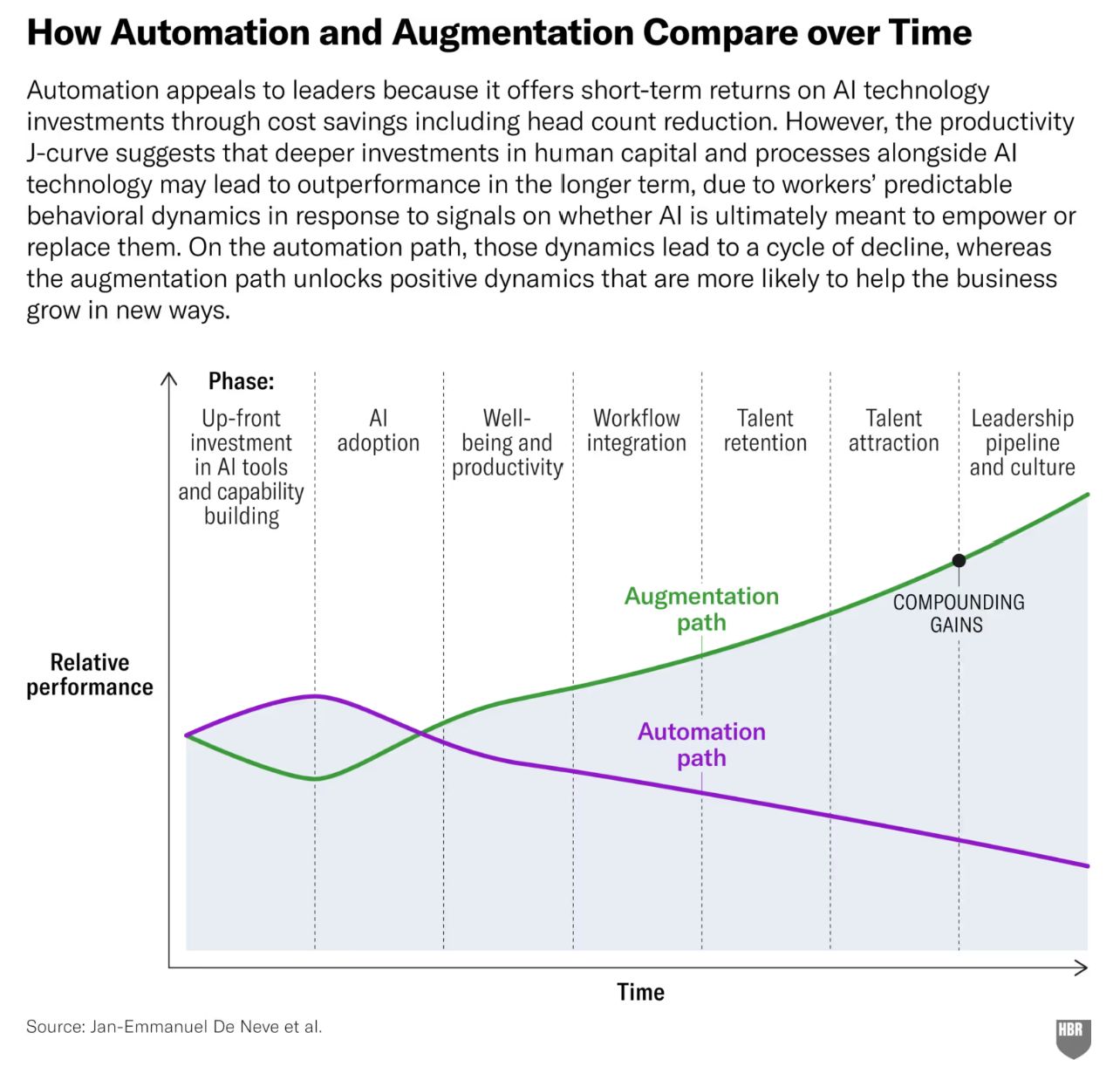
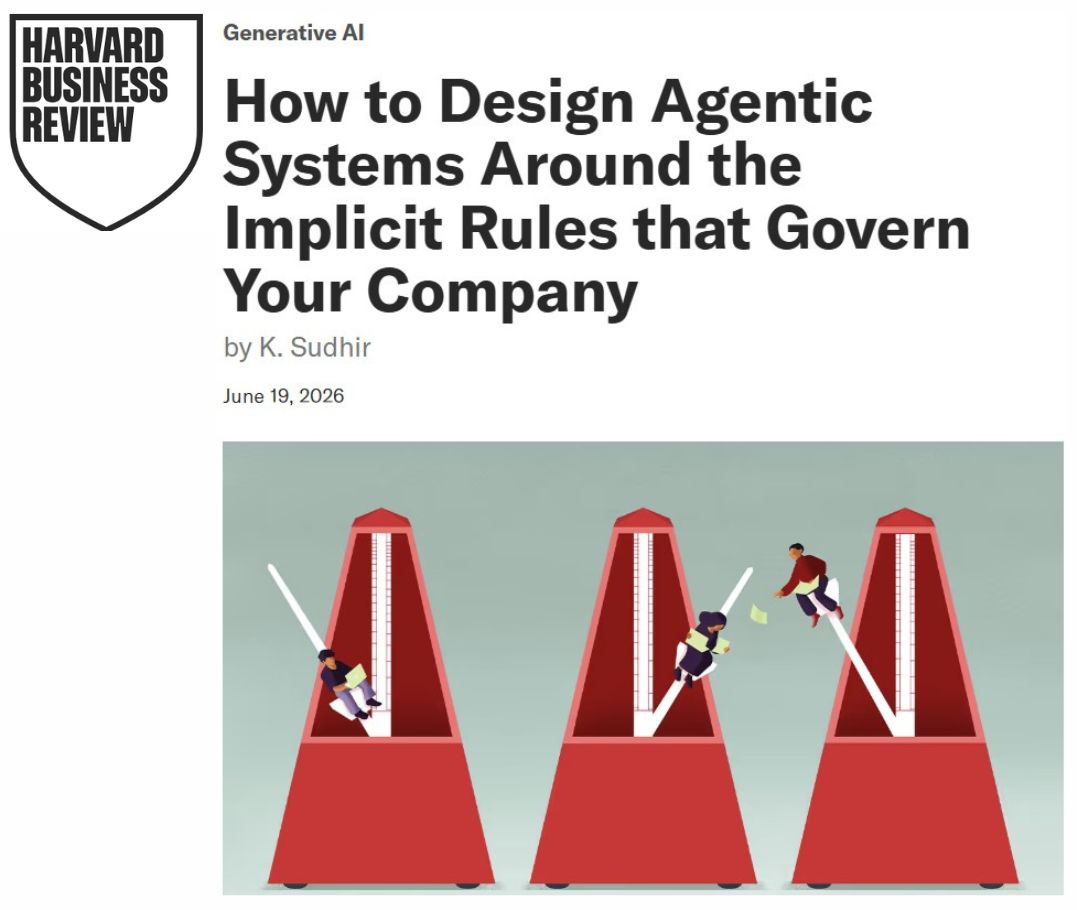
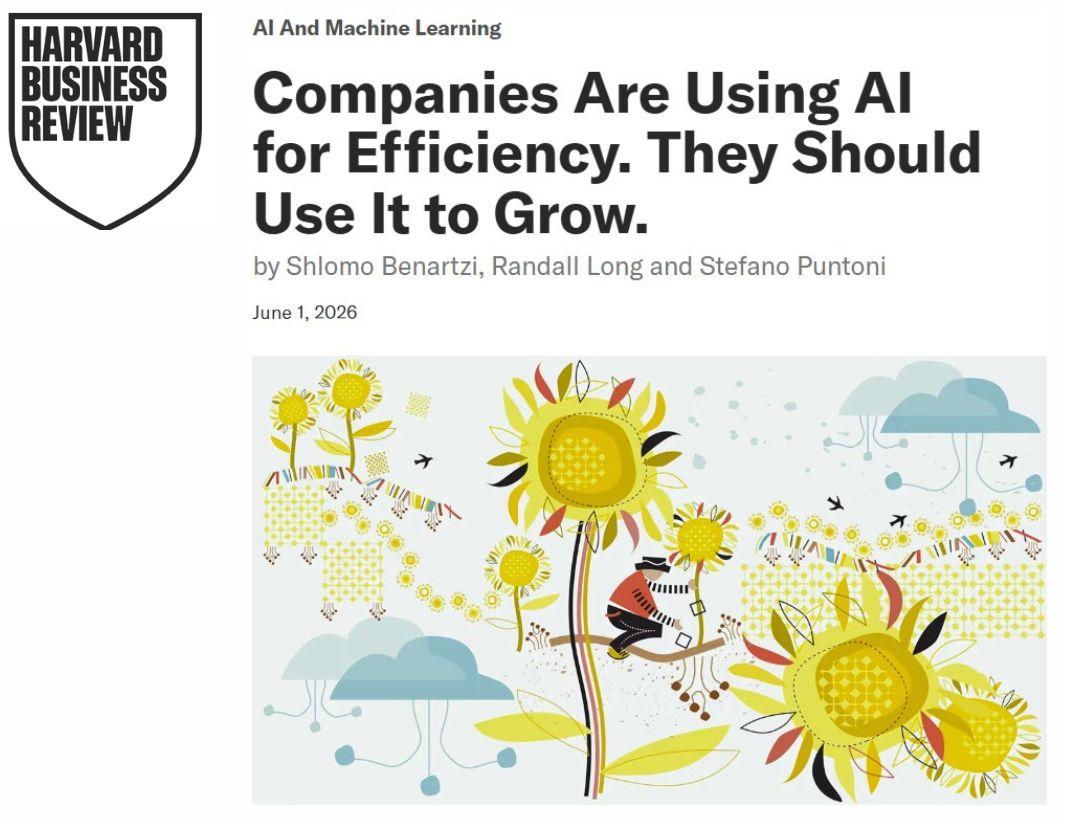
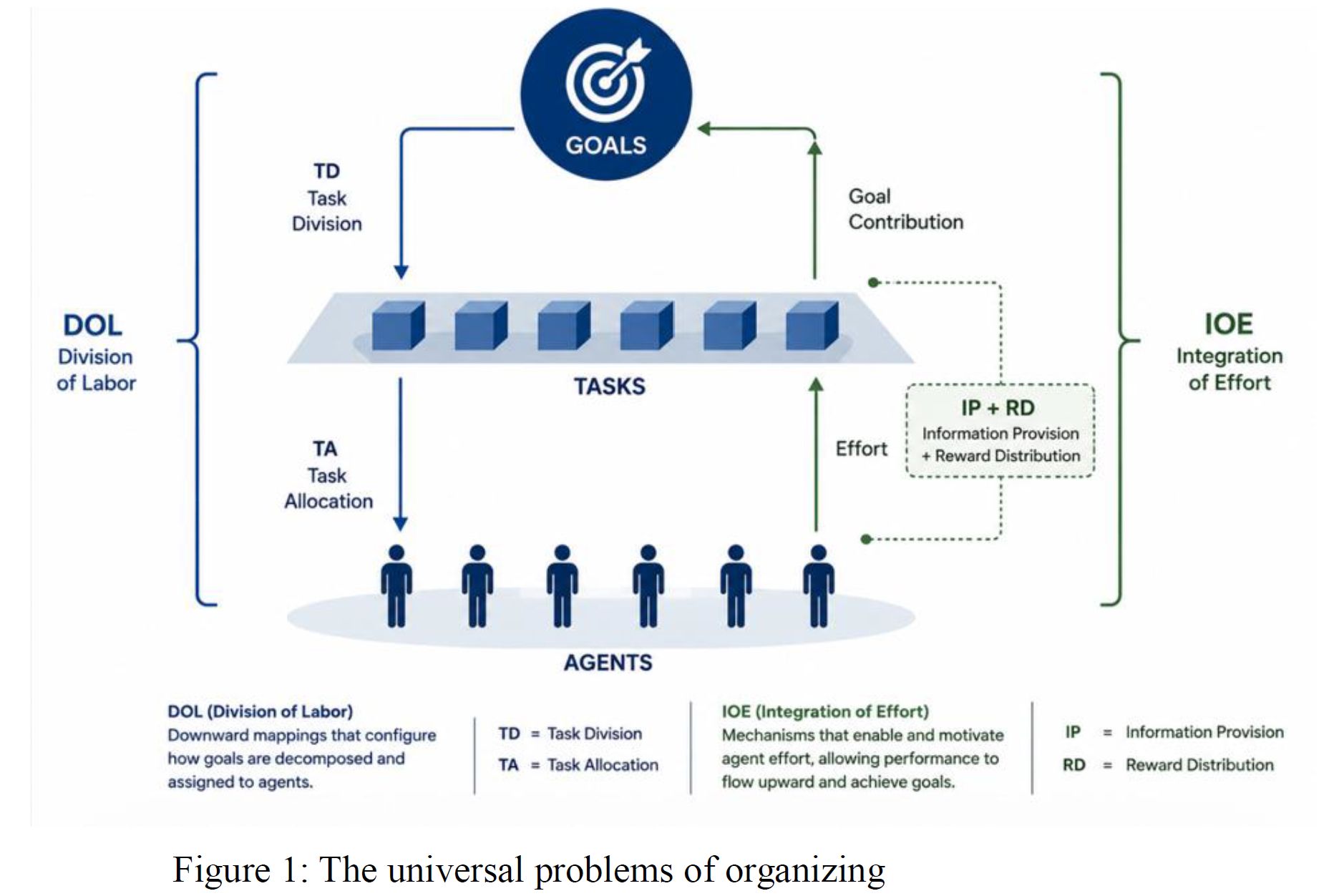
For those saying that all work will soon be taken over by AI, carefully read this MIT study that shows that 93% of human work remains essentially untouched by AI. 1.3% of all work functions today acco…

LinkedIn Content Strategy & Writing Style
Futurist | Board advisor | Global keynote speaker | Founder: AHT Group - Informivity - Bondi Innovation | Humans + AI Leader | Bestselling author | Podcaster | LinkedIn Top Voice
0 people tracking this creator on Viral Brain
Ross Dawson positions himself as a high-level architect of the Humans + AI era, moving beyond simple automation tropes to focus on the structural evolution of organizational value. His content strategy centers on the "augmentation" of human cognition, utilizing sophisticated frameworks like recursive self-improvement and AI fluency to help leaders navigate the transition from systems-of-record to systems-of-agents. He is notable for his ability to translate abstract futurism into pragmatic decision-making models, often grounding his insights in deep academic research or proprietary diagrams that visualize complex workflows. By operating at the intersection of strategic foresight and organizational design, Dawson provides a sophisticated roadmap for a future where human empathy and authoritative judgment remain the primary drivers of quality in an AI-accelerated world.
35.4K
14.8K
114
—
6.6
35
1
For those saying that all work will soon be taken over by AI, carefully read this MIT study that shows that 93% of human work remains essentially untouched by AI. 1.3% of all work functions today acco…
Polarization - including of political views - is perhaps the deepest challenge we face. We have clearly seen that social media polarizes. However AI use tends to nudge extreme views towards the center…

The next phase of business will be centered on Humans + AI recursive self-improvement, focused on how the system of humans working with AI will continually drive better outcomes. At the heart of bus…

AI adoption is a journey. And for a good journey you need a map of where you want to go. The map will evolve, because the terrain keeps changing. As will your organization, because every successful co…

A study showed just 5% of 2500 KPMG employees were "highly sophisticated" in their use of LLMs. These are the specific behaviors of the best users. ➡️ Interaction depth and persistence ➤ Sustain lon…

I'm a massive fan of the work of Imagining the Digital Future Center. Its expert reports on technology and the future of humanity provide unequalled depth and scope in considering likely the most crit…
6.6 posts/week
Posts / Week
1.2 days
Days Between Posts
1
Total Posts Analyzed
HIGH
Posting Frequency
114.3333333333333%
Avg Engagement Rate
STABLE
Performance Trend
280
Avg Length (Words)
HIGH
Depth Level
ADVANCED
Expertise Level
0.84/10
Uniqueness Score
YES
Question Usage
0.25%
Response Rate
Writing style breakdown
<start of post>
The transition to a Humans + AI economy is not merely a technological shift, but a fundamental restructuring of how value is generated and captured. We are moving away from static processes toward dynamic, agentic systems that learn and adapt in real-time.
In a recent analysis of Fortune 500 digital transformations, it was found that organizations focusing on 'augmentation' rather than 'replacement' saw a 35% higher rate of long-term capability growth. This confirms what I have been seeing in my work with global leadership teams.
The challenge for most is not the technology itself, but the 'interoperability' of human intuition and machine intelligence. We must build loops where the output of the AI becomes the input for human creativity, which then refines the AI's next iteration.
This recursive self-improvement is the engine of the next decade.
➡️ Strategic Orchestration
➤ Defining the relative roles of humans and AI across every core workflow.
➤ Ensuring that accountability remains human-centric even as execution becomes AI-driven.
➡️ Data Contextualization
➤ Moving beyond simple data lakes to 'context graphs' that capture the nuance of organizational decision-making.
Ultimately, the goal is to create an organization that is more than the sum of its parts. A system where humans are empowered to do their best work because the 'cognitive load' of routine tasks has been elegantly offloaded to intelligent systems.
It is an exciting time to be architecting the future of work.
Would love to hear how you are thinking about these layers in your own organization
<end of post>
Sign in to unlock the full writing analysis
Nail your LinkedIn strategy with ViralBrain.
Analyze and write in Ross Dawson's style. Grow your LinkedIn to the next level.