LinkedIn Content Strategy & Writing Style
Organizational psychologist at Wharton, #1 NYT bestselling author of THINK AGAIN, host of the TED podcast Re:Thinking
7 people tracking this creator on ViralBrain
Adam Grant positions himself as the premier bridge between rigorous organizational psychology and the everyday challenges of modern work life. His content strategy centers on rethinking conventional wisdom, using data-driven insights to challenge status-quo assumptions about productivity, leadership, and human connection. What makes him notable is his ability to distill complex academic research into punchy, provocative observations that feel both authoritative and deeply empathetic. By maintaining a unique intersection of scholarly expertise and viral accessibility, Grant transforms the LinkedIn feed into a laboratory for cultural evolution, consistently offering a value proposition of intellectual humility and psychological growth.
5.6M
16.1K
14.4K
2.3
26
1
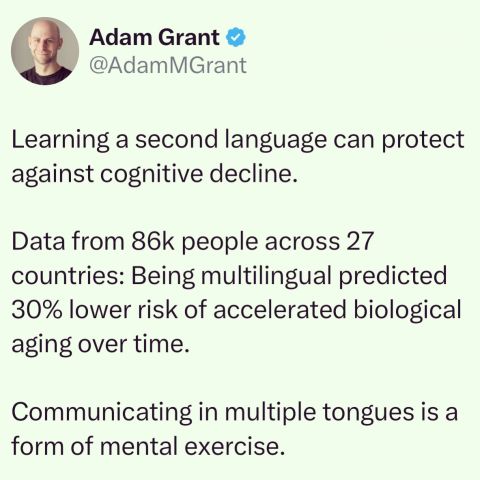
Exciting news for language lovers, bilinguals, and people from Europe 😁
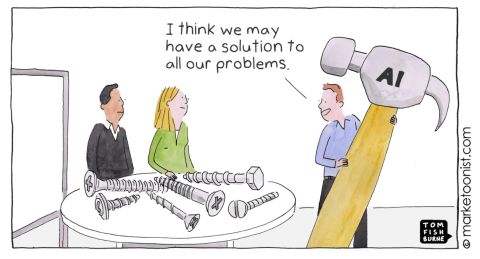
Relying heavily on AI doesn’t only stifle critical thinking. It constrains creativity too. New evidence: People generate more original ideas when they consult AI sometimes, rather than extensively or…
2.3 posts/week
Posts / Week
3.3 days
Days Between Posts
1
Total Posts Analyzed
MEDIUM
Posting Frequency
14414.3%
Avg Engagement Rate
STABLE
Performance Trend
30
Avg Length (Words)
MEDIUM
Depth Level
ADVANCED
Expertise Level
8.5/10
Uniqueness Score
YES
Question Usage
0.3%
Response Rate
Writing style breakdown
The style is professional, concise, and evidence-based, with a light conversational edge.
It is highly economical: every sentence carries conceptual weight. No padding, no small talk.
The voice is authoritative but not pompous. It sounds like a domain expert speaking plainly.
The writing is structured and methodical rather than free-flowing. Each post is built around one central idea or announcement.
Baseline tone: calm, measured, and rational.
Energy level: moderate. The content feels serious and focused, but can briefly spike into enthusiasm for announcements (e.g., “Exciting news…”).
Emotion is mostly implied through word choice and framing (e.g., “The evidence is clear...”), not through exclamation marks or intense adjectives.
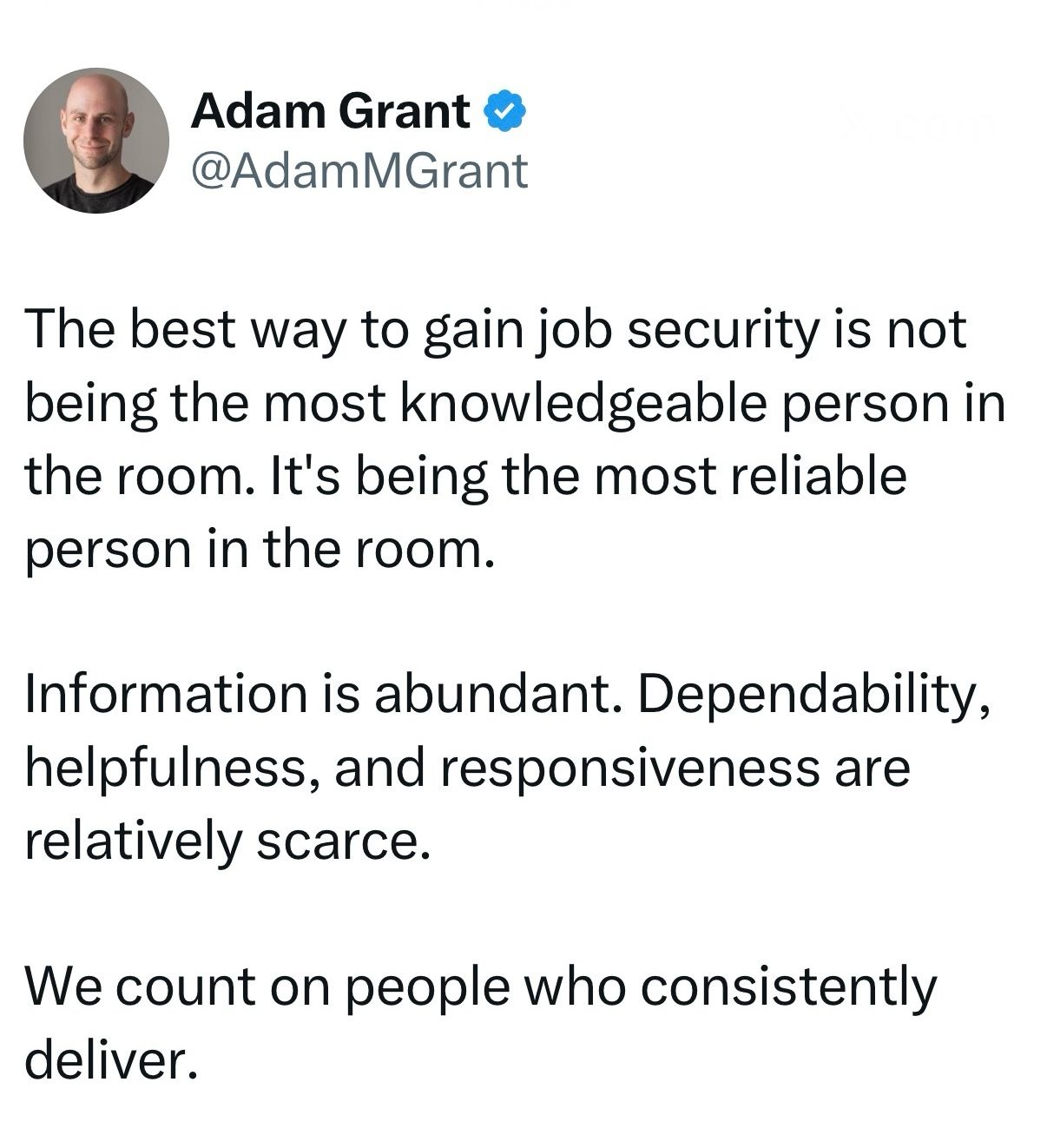
Heavy reliance on declarative statements, especially those that sound like distilled principles or findings.
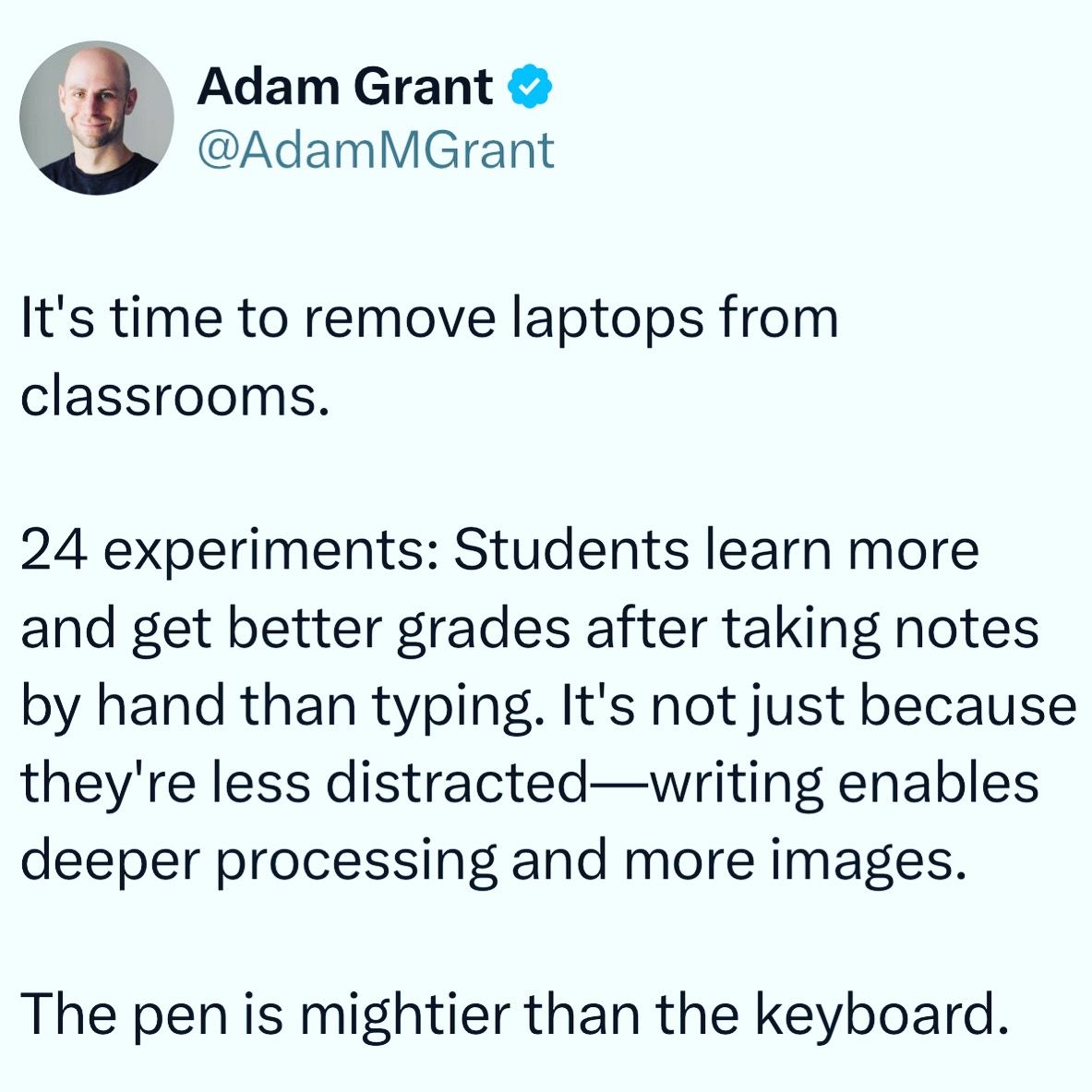
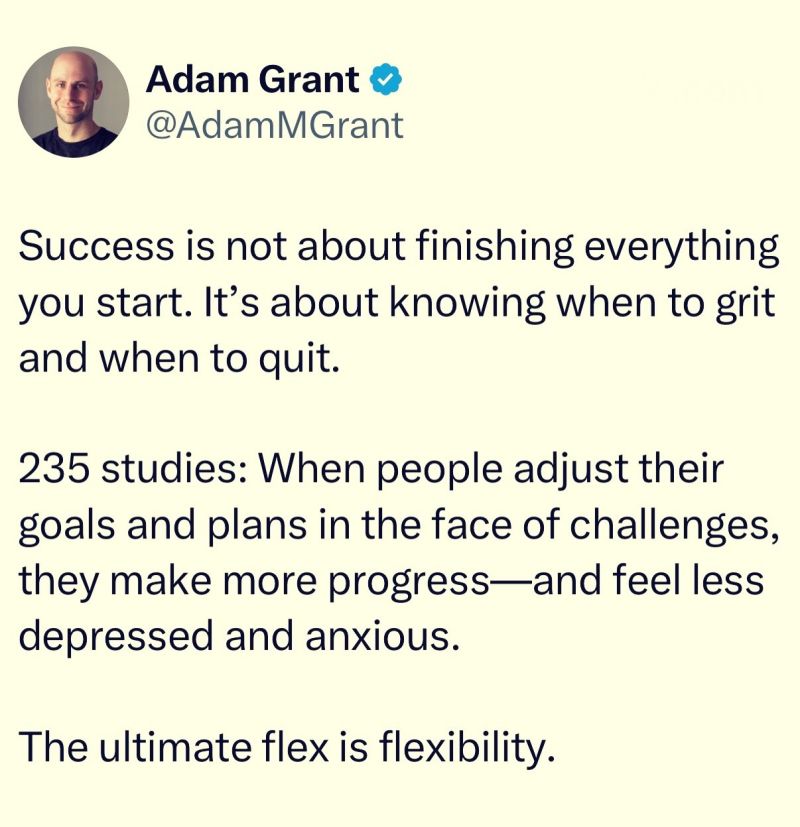
Frequent invocation of research and data: phrases like “New evidence:” and “The evidence is clear…” anchor claims.
Preference for abstractions and core concepts (e.g., “independent thought,” “integrity,” “ingenuity,” “work-life balance”).
Occasional light flourish in descriptors (“digital anthropologist extraordinaire”) but overall style is restrained.
No rhetorical questions in the given samples; the author prefers statements over interrogatives.
Very little metaphor or figurative language; when used, it is subtle and not flowery (“foundation of ingenuity” is more conceptual than poetic).
Direct audience engagement appears as targeted address (e.g., “Dear managers:”) rather than constant “you” chatter.
Dominant point of view: third-person, speaking about ideas, evidence, and groups (people, managers, firms).
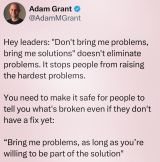
If you want people to trust you, you need to align your actions with your values.
First-person singular/plural (“I”, “we”) is absent in these samples; the focus is on evidence and principles, not on the narrator.
When giving guidance, it is often direct and imperative but grounded: “you need to align your actions with your values.”
There is no hedging with “maybe” or “consider possibly”; the tone is confident and prescriptive, but justified by reference to evidence or values.
Sign in to unlock the full writing analysis
Free tools to help you write, score, and benchmark in the same style.
Other creators worth studying alongside Adam Grant.

John Curmi
Norway Tech Consultant
96 Viral Score

Stanislav Tanev
HR | Recruitment | Org Development @Endurosat
4 Viral Score

Andy Wong
Engineering @ Meta | prev. @Block, Google, Amazon | Advocate for underrepresented groups and non-traditional backgrounds in tech
33 Viral Score
Ricardo Viana Vargas, Ph.D.
Global Leader in Project Management | Pioneer in AI Applied to Projects | Founder of PMOtto.ai and Macrosolutions | Board Member (IBGC - CCA) | IPMA-A | PMI Past Chairman | PMI Fellow | Author | Venture Capitalist
15 Viral Score
Pierre Le Manh
President and CEO, PMI
45 Viral Score

Melinda French Gates
Founder of Pivotal. Co-founder of the Gates Foundation. Author of The Moment of Lift & The Next Day.
6 Viral Score
ViralBrain plans, writes, and schedules your LinkedIn content, using official LinkedIn APIs so your account stays safe.
Write like Adam Grant.