
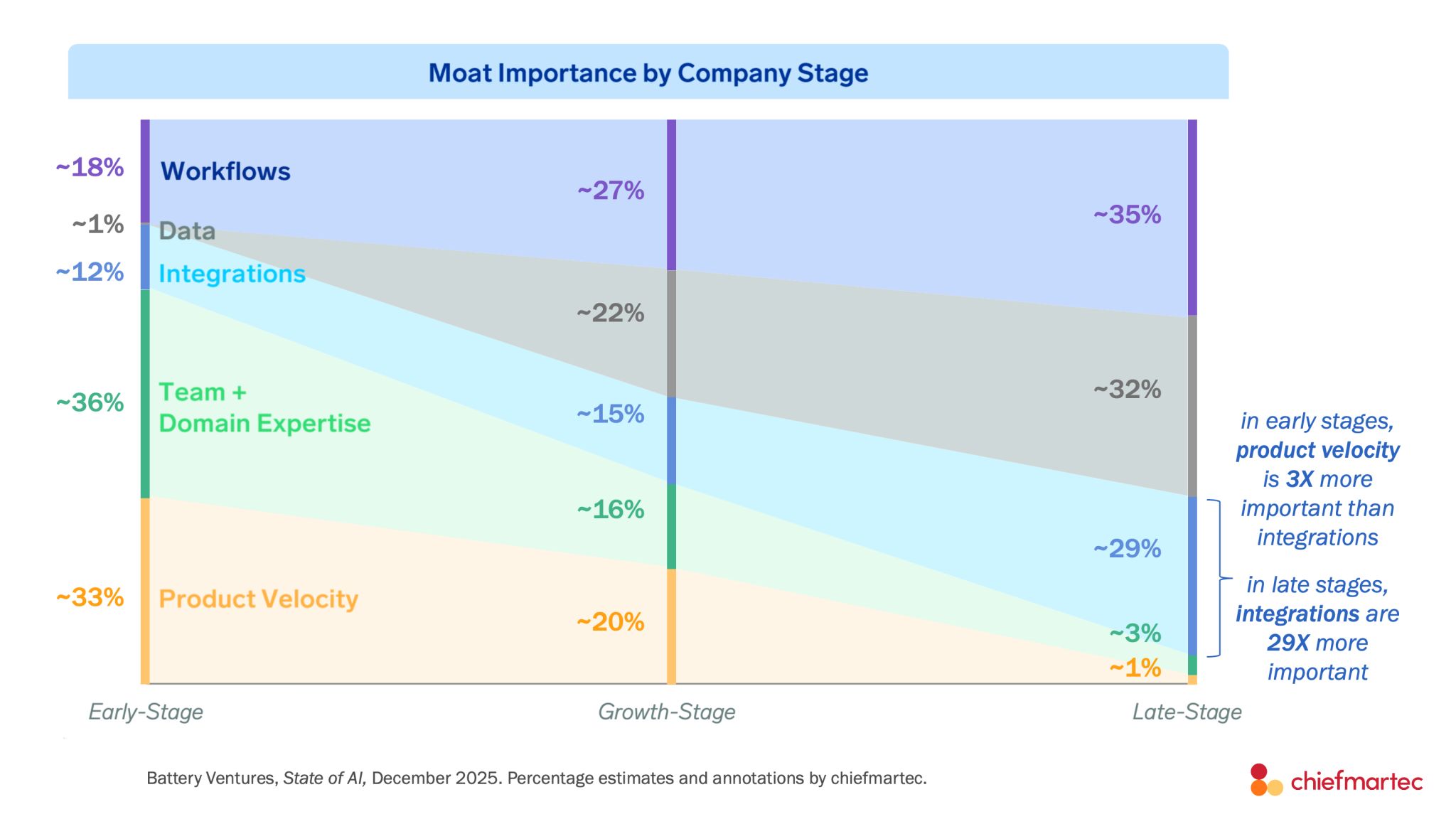
Great to see ecosystems getting more recognition as a crucial part of GTM strategy. 🙌 This is my favorite graph from Battery Ventures' new State of AI report, showing the relative importance of dif…
26726199 viral
Go-To-Market Strategy10 months ago

LinkedIn Content Strategy & Writing Style
Martech Analyst & Advisor | Ex-HubSpot VP Platform Ecosystem | “Godfather of Martech” – AdAge
1 person tracking this creator on ViralBrain
Scott Brinker positions himself as the definitive architect of the martech ecosystem, leveraging his deep history at HubSpot to provide high-level strategic clarity to a fragmented industry. His content strategy centers on the structural evolution of software, specifically how AI agents and external integrations are shifting competitive moats from internal product velocity to ecosystem-led growth. He is notable for his ability to synthesize complex data into visual frameworks, often using annotated charts and "state of the industry" reports to debunk hype cycles while maintaining a balanced, long-term view. Brinker’s work represents a sophisticated intersection of technical systems thinking and community leadership, where he seamlessly blends rigorous data analysis with a warm, human-centric appreciation for the professional network he has spent decades cultivating.
55.5K
21.7K
133
3.9
29
1
Great to see ecosystems getting more recognition as a crucial part of GTM strategy. 🙌 This is my favorite graph from Battery Ventures' new State of AI report, showing the relative importance of dif…
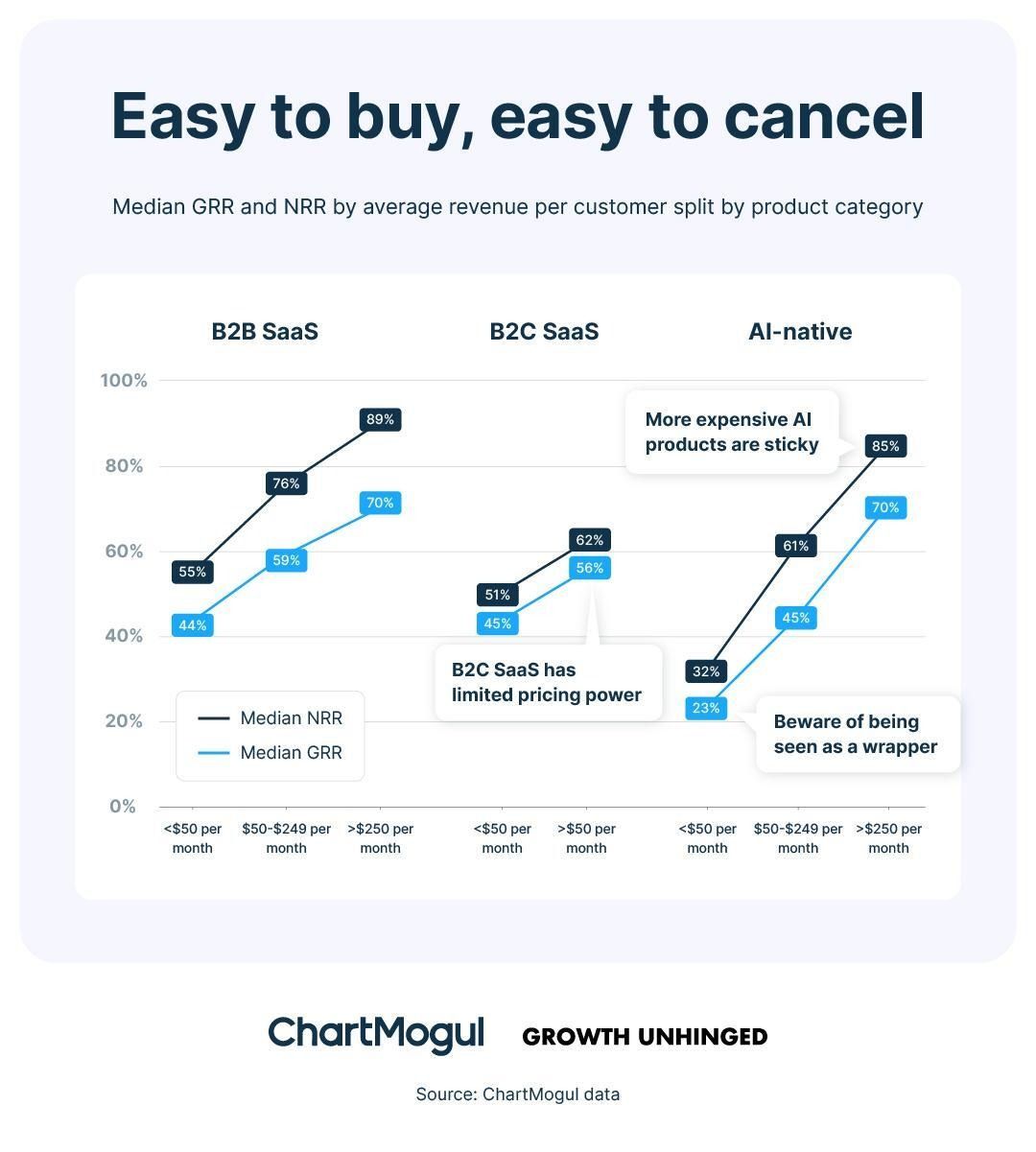
Another banger of an article by Kyle Poyar with empirical data (via ChartMogul) on GRR and NRR trends for B2B SaaS vs. B2C SaaS vs. AI-Native products. Shows a more rational view of the whole AI-is-k…
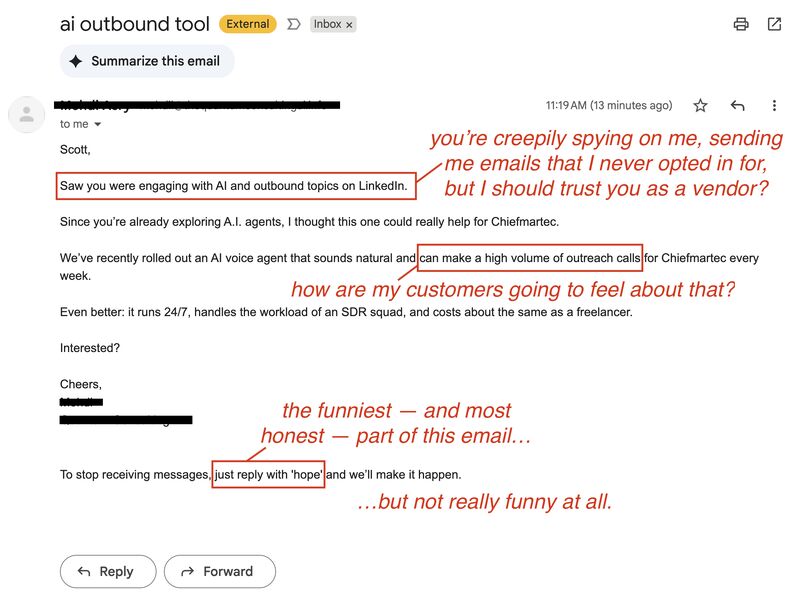
It's messages like this that are why "Agents of Customers" — AI agents operating on behalf of buyers, outside the control of marketers, that can hide all of this crap and focus on serving my actual ne…
This article by Ray Iyer is a searingly insightful view of the dangers of vertical competition emerging around consumer AI assistants. "Every retailer—grocery or otherwise—should be asking two questi…

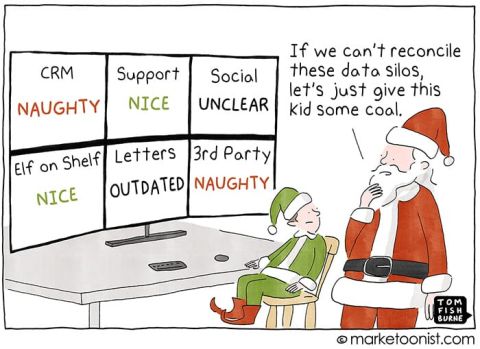
Haha, I so love Tom's work. Happy holidays to all my #martech friends.
Haha, the perfect Marketoonist frame for the holidays. 😀 (Appreciate the shout-out to our 2025 State of Martech report in Tom's write up on this cartoon, includiong the yoga class taught by Genghis…
3.9 posts/week
Posts / Week
2 days
Days Between Posts
1
Total Posts Analyzed
HIGH
Posting Frequency
132.6666666666667%
Avg Engagement Rate
STABLE
Performance Trend
120
Avg Length (Words)
HIGH
Depth Level
ADVANCED
Expertise Level
8/10
Uniqueness Score
NO
Question Usage
0.6%
Response Rate
Writing style breakdown
Highly professional yet relaxed and conversational.
Analytic and informative at the core, with frequent conceptual framing (ecosystems, moats, long tail, platform physics).
Often explanatory and reflective, sometimes mildly persuasive.
Light humor appears in short bursts: "Haha," "I'd like to thank the Academy...", "agentic-this and vibe-that".
Tone is respectful and generous toward others (frequent shout-outs and attribution).
No snark toward people; criticism is aimed at systems or practices, not individuals.
Hybrid: business-professional content delivered in an approachable, conversational style.
Jargon is used when meaningful (GTM, GRR, NRR, AI-native, ecosystem, long tail), but is usually framed clearly or contextually.
Grammar is generally clean and standard, but he intentionally uses fragments, informal openers, and spoken language markers ("Haha," "IMHO:", "And I'm here for it.") to keep it human.
Medium energy overall: calm, level-headed, but with spikes of emphasis when making a strong point ("The ecosystem is the moat. In the age of AI, more than ever.")
Reflective and measured rather than hype-driven, even when discussing AI or trends ("Shows a more rational view...", "BALANCED view of what's actually happening").
Understated optimism about technology and ecosystems, combined with clear-eyed warnings about risks (commoditization, vertical competition).
Warmth and gratitude are strongly expressed in community-oriented posts.
Parenthetical asides for nuance, meta-commentary, or self-aware caveats.
Contrastive statements: "This is not marketing. This is anti-marketing."
Short, emphatic stand-alone lines (often one sentence per paragraph) for punch.
Capitalization for emphasis: EXTERNAL, INTERNAL, BALANCED, HARD, VERY HARD.
Light, self-aware humor, often in the first line or in parentheses.
Ecosystem as "kaleidoscope of combinatorial innovation."
Platforms "commoditize the layer beneath them... It's just physics."
If someone else controls the conversation, the discovery, and the checkout, what do you actually own?
Frequent explicit acknowledgement of others (tagging, citing articles, crediting experts).
First-person singular and plural: "I so love Tom's work.", "I'm very grateful...", "we've received for our latest...".
Second-person occasionally: "You should listen to him on this.", "Shows a more rational view... for anyone thinking X" (implicit).
Third-person: used for companies, platforms, and general industry patterns.
Mostly soft or collegial imperatives: "You should listen to him on this.", "Count them. Be honest."
Often frames statements as observations and invitations rather than direct instructions.
Very little overt "do this now" CTA language; tone is more "here's why this matters" than "go sign up."
Sign in to unlock the full writing analysis
Free tools to help you write, score, and benchmark in the same style.
Other creators worth studying alongside Scott Brinker.

Diane Massé
Talent Acquisition Specialist
193 Viral Score

🎯 Sylvain Amic
Founder 1perTInent - Un modèle unique du recrutement à Montréal ! - 0% commission-Recrutement garantie 12 mois ! - 100% flexibilité et Préservation de votre trésorerie 😊 - Ambassadeur Jarvi Canada & Headlinker
7 Viral Score

Gal Aga
CEO @ Aligned | Don't Sell; offer 'Buying Process As A Service'
66 Viral Score

68 Viral Score

Jordan Crawford
Get Jordan in Claude Code Now: edge.blueprintgtm.com
26 Viral Score

Patrick Spychalski
Co-Founder @ The Kiln | A 2X Company
154 Viral Score
ViralBrain plans, writes, and schedules your LinkedIn content, using official LinkedIn APIs so your account stays safe.
Write like Scott Brinker.