So many posts and comments here are AI-written. I get it. Writing is hard and time is in short supply. In fact, a while back I also briefly experimented with AI in my posts. It was so much easier. I…
LinkedIn Content Strategy & Writing Style
Wharton Professor - AI & Behavioral Science
0 people tracking this creator on ViralBrain
Stefano Puntoni positions himself as a translator between AI, behavioral science, and business, bringing Wharton research into practical conversations about adoption, trust, marketing, and regulation. His content centers on explaining complex ideas through accessible frameworks and vivid examples, from calibrated trust in AI agents and “human outcomes” to AI as a growth engine rather than merely a productivity tool. He stands out for combining scholarly rigor with generous ecosystem-building, spotlighting colleagues, conferences, students, and emerging research alongside his own work. The distinctive intersection is academic insight made operational, connecting psychology and human behavior to product design, organizational change, policy, and executive decision-making.
55.2K
29.2K
147
28
18
So many posts and comments here are AI-written. I get it. Writing is hard and time is in short supply. In fact, a while back I also briefly experimented with AI in my posts. It was so much easier. I…
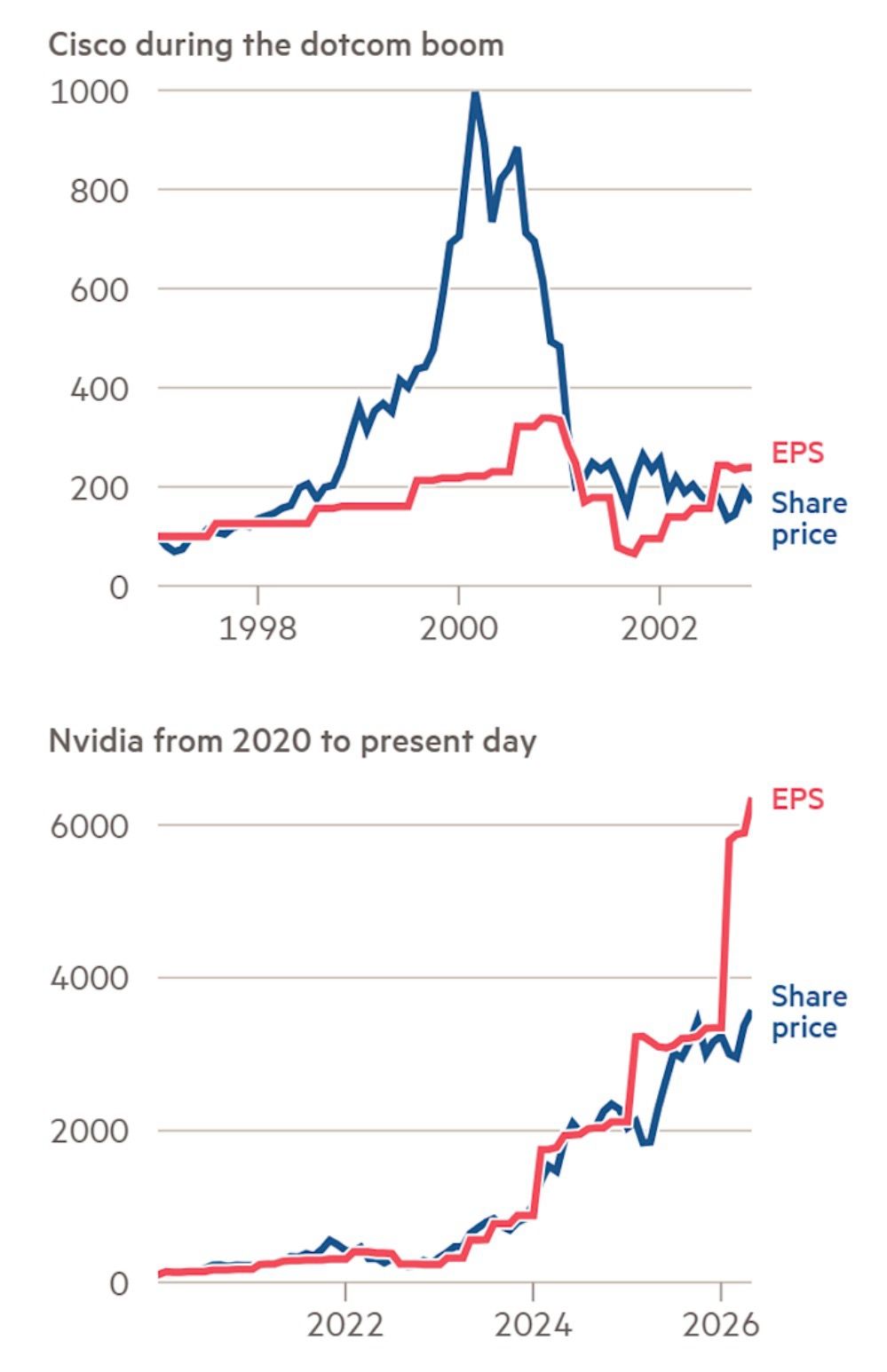
This does not look like the Dot Com bubble. Yes, the price of equities has been exploding but if you compare Cisco in 2000 versus NVIDIA today, there is one massive difference: The increase in earni…

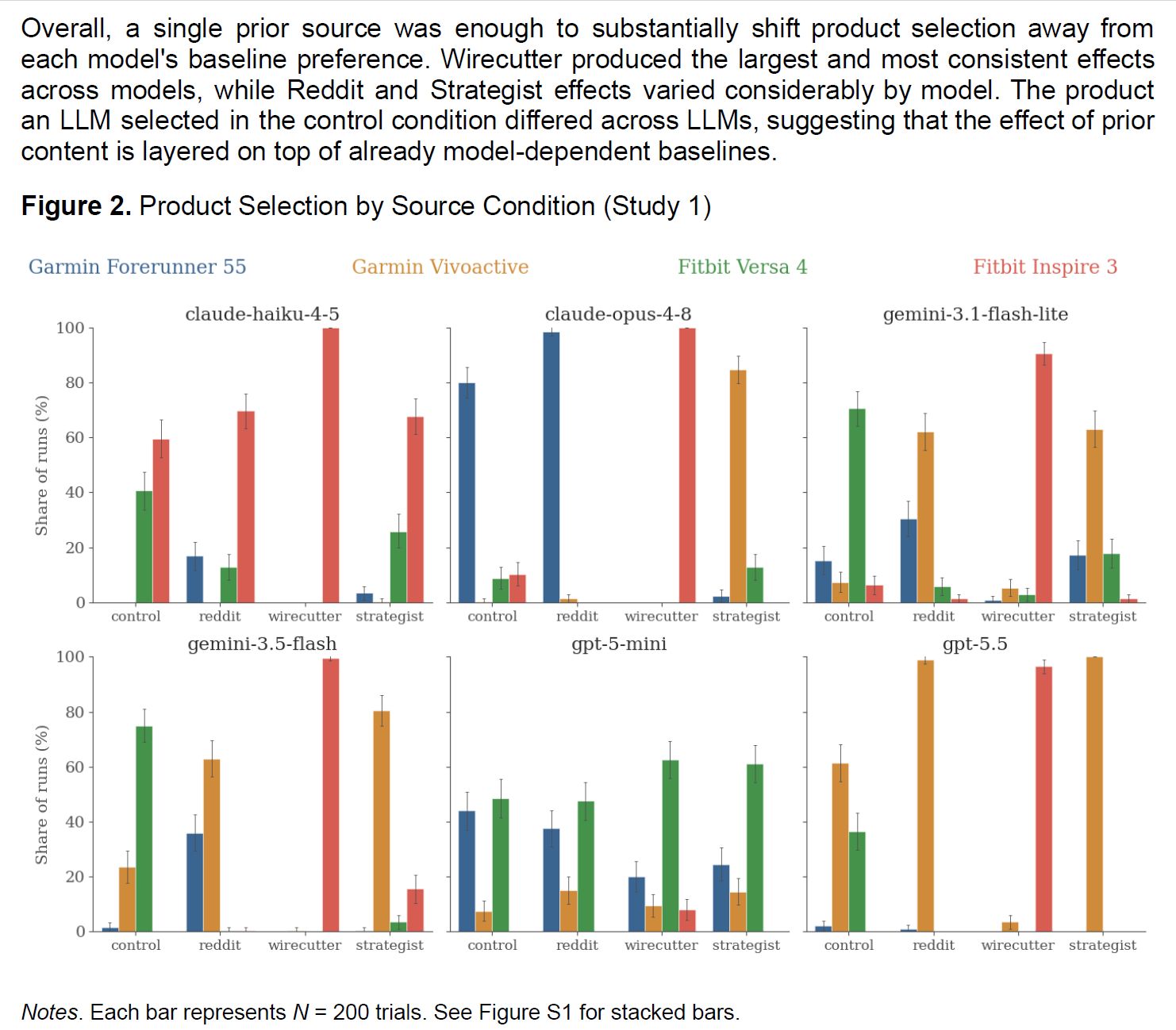
*NEW* We've conducted a rigorous test of decision making by shopping agents. The results are sobering for marketers: "agentic shopping decisions are sensitive to prior context and the overall search a…

**NEW** We just released the Wharton Blueprint for AI Agent Adoption. Free download on Knowledge at Wharton (link in comment). The blueprint brings together experts on the topic of AI agents to summa…
"Good investing doesn't come from buying good things. It comes from buying things well,” Howard Marks (W’67), co-chairman of Oaktree Capital Management, L.P., told an audience of Wharton students at h…
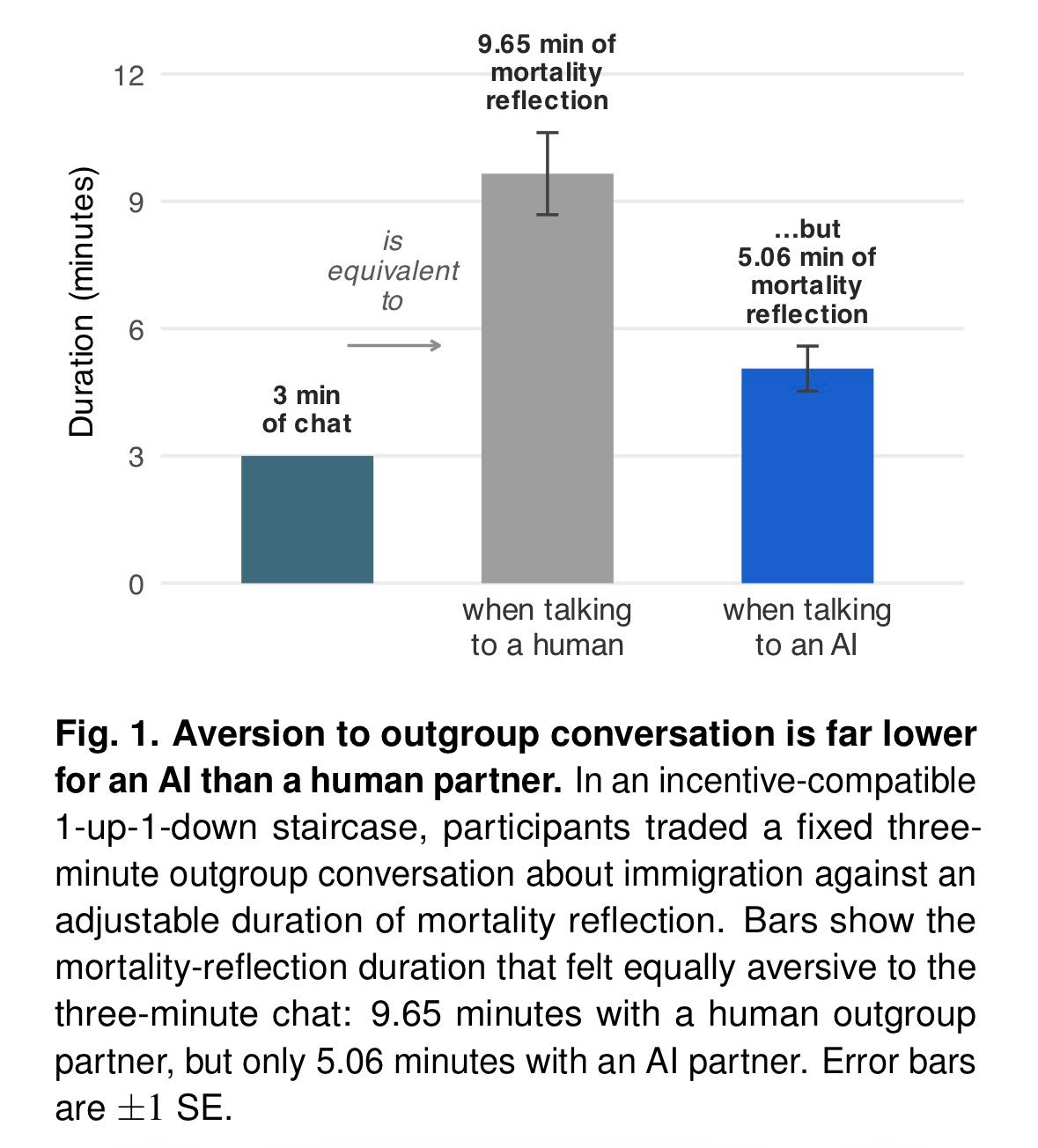
NEW PAPER: Synthetic contact with AI reduces cross-partisan animosity Decades of research in intergroup relations shows that the best way to reduce prejudice and polarization is contact between group…

0.0 posts/week
Posts / Week
18
Total Posts Analyzed
LOW
Posting Frequency
147.4%
Avg Engagement Rate
STABLE
Performance Trend
160
Avg Length (Words)
HIGH
Depth Level
ADVANCED
Expertise Level
86/10
Uniqueness Score
YES
Question Usage
0%
Response Rate
Writing style breakdown
<start of post>
One of the most interesting parts of working on AI and marketing is seeing how quickly the conversation is moving from what these systems can do to what companies should actually do with them.
I recently had the opportunity to discuss this topic with researchers and business leaders at the Wharton Business & Generative AI Conference. The range of perspectives was remarkable, from AI agent adoption and consumer trust to the effect of regulation on innovation and the changing nature of marketing work.
One theme came up repeatedly: companies need to think beyond productivity.
Of course, AI can help employees work faster, automate routine tasks, and reduce costs. But the bigger opportunity may be to use AI to improve the outcomes that matter to customers and employees. That requires a broader view of what success looks like.
For example, a platform can optimize for the amount of time people spend using a digital product. But it could also optimize for a human outcome outside the platform itself: helping people learn, make better decisions, build stronger relationships, or achieve a long term goal.
The second approach is more difficult to measure and may not produce the same short-term engagement numbers. In the long term, however, it may create more value for users and for the company.
This is also why trust is so important. Employees and customers are unlikely to give AI meaningful autonomy if they are uncertain about its reliability, intentions, or ability to act safely. The objective is not blind trust but calibrated trust: people should understand where AI is capable, where it is likely to fail, and when they remain in control.
Many thanks to all the speakers, researchers, and staff who made the conference possible. I learned a ton and enjoyed many conversations with people working across different fields.
A heartfelt thank you also to my co-chairs and to the Wharton AI & Analytics Initiative team for putting together such an interesting program.
There is still a lot to learn about how AI will change business and society. But one thing is already clear: the most important question is not simply what AI can do.
It is what we choose to do with it.
<end of post>
Sign in to unlock the full writing analysis
Free tools to help you write, score, and benchmark in the same style.
Other creators worth studying alongside Stefano Puntoni.

Hamish Stephenson 🦘
Award winning GTM Recruiting Expert | CEO @ Selr.io

Amit Matani
CEO at Wellfound | Helped 28k+ startups make hires

Jerry Jao
Employ CEO, 3X Founder, Board Member, Angel Investor

Mark Hyman, MD
Co-Founder & Chief Medical Officer of Function Health
33 Viral Score

Jonathan Gilbert
AI production house | CEO @ Detroit
52 Viral Score

Yanni Pappas
Yanni @ Workshop | Creator | Gen Z Marketer | Writer | Social, brand, content, & culture | B2B SaaS | 10M+ impressions ✍🏼
600 Viral Score
ViralBrain plans, writes, and schedules your LinkedIn content, using official LinkedIn APIs so your account stays safe.
Write like Stefano Puntoni.