
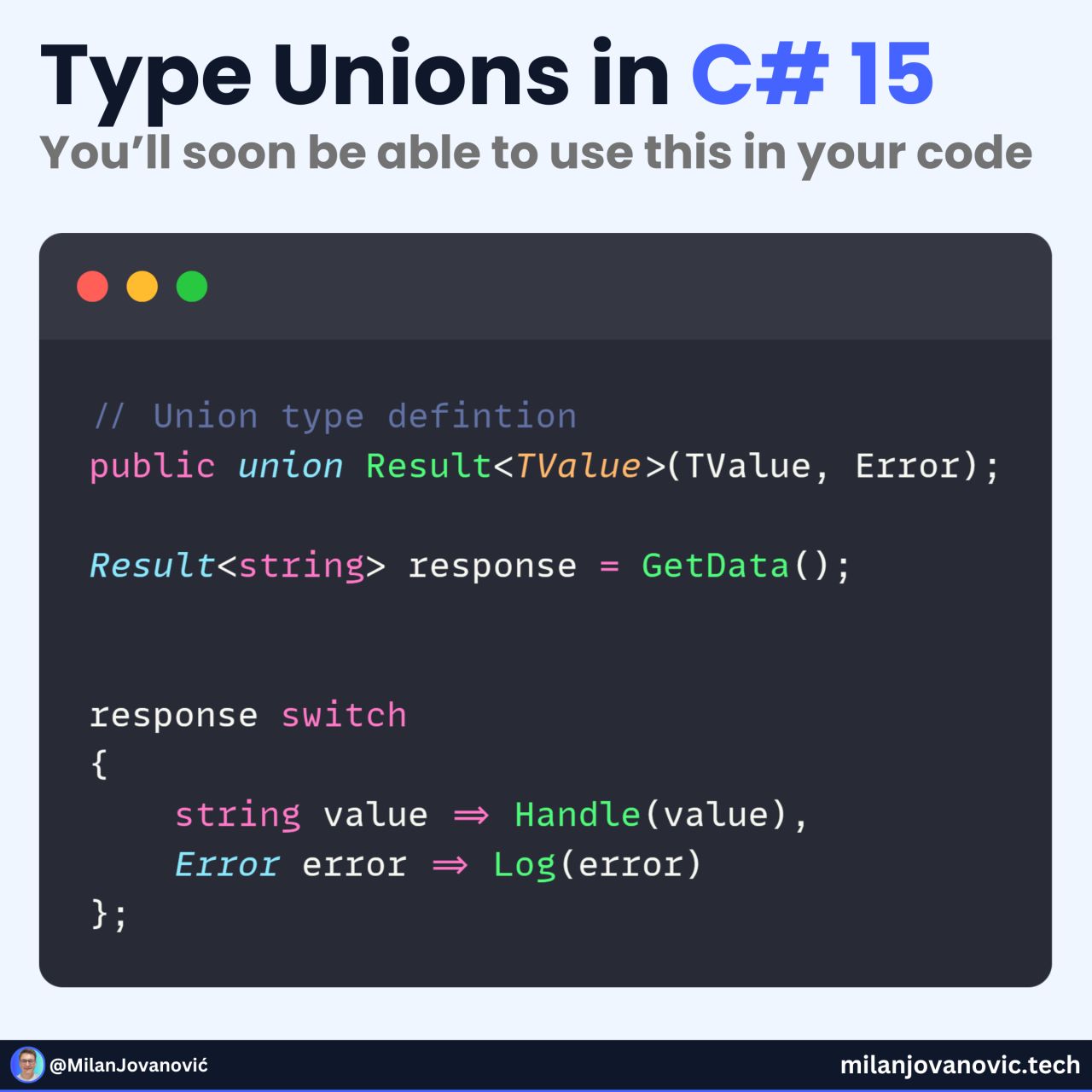
C# 15 is getting union types. That’s a big deal. It means patterns like Result and Option finally have real language support. No more awkward wrappers. No more hacks. No more pretending exceptions…
64161515 viral
C# Language Features6 months ago

LinkedIn Content Strategy & Writing Style
Practical .NET and Software Architecture Tips | Microsoft MVP
1 person tracking this creator on ViralBrain
Milan Jovanović positions himself as a pragmatic authority in the .NET ecosystem, bridging the gap between high-level software architecture and hands-on implementation details. His content strategy centers on de-risking complex engineering decisions, frequently using performance benchmarks and pattern comparisons to move beyond theoretical "best practices." He is particularly notable for his ability to translate sophisticated concepts like the Strangler Fig Pattern or CQRS into highly actionable, code-first tutorials that prioritize maintainability and scalability. By intersecting deep technical consulting with transparent performance testing, he provides a rare value proposition that helps developers navigate the trade-offs of modernization without the typical fluff of architectural gatekeeping.
0
0
349
10.8
14
2
C# 15 is getting union types. That’s a big deal. It means patterns like Result and Option finally have real language support. No more awkward wrappers. No more hacks. No more pretending exceptions…
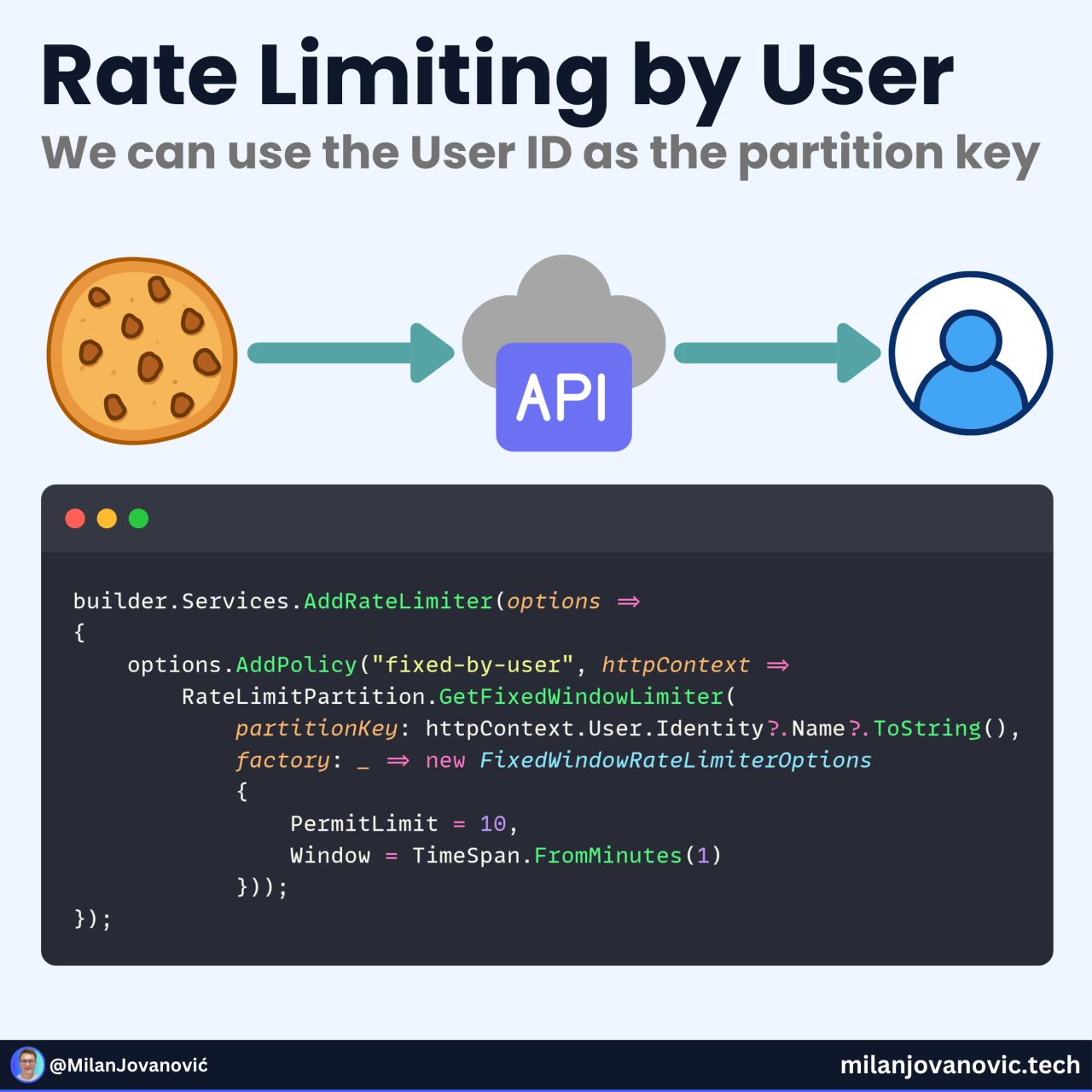
How can you rate limit authenticated users? You can use the user's ID as the rate limit partition key. .NET has a partitioned rate limiter where you can configure this. The user's ID could come fr…
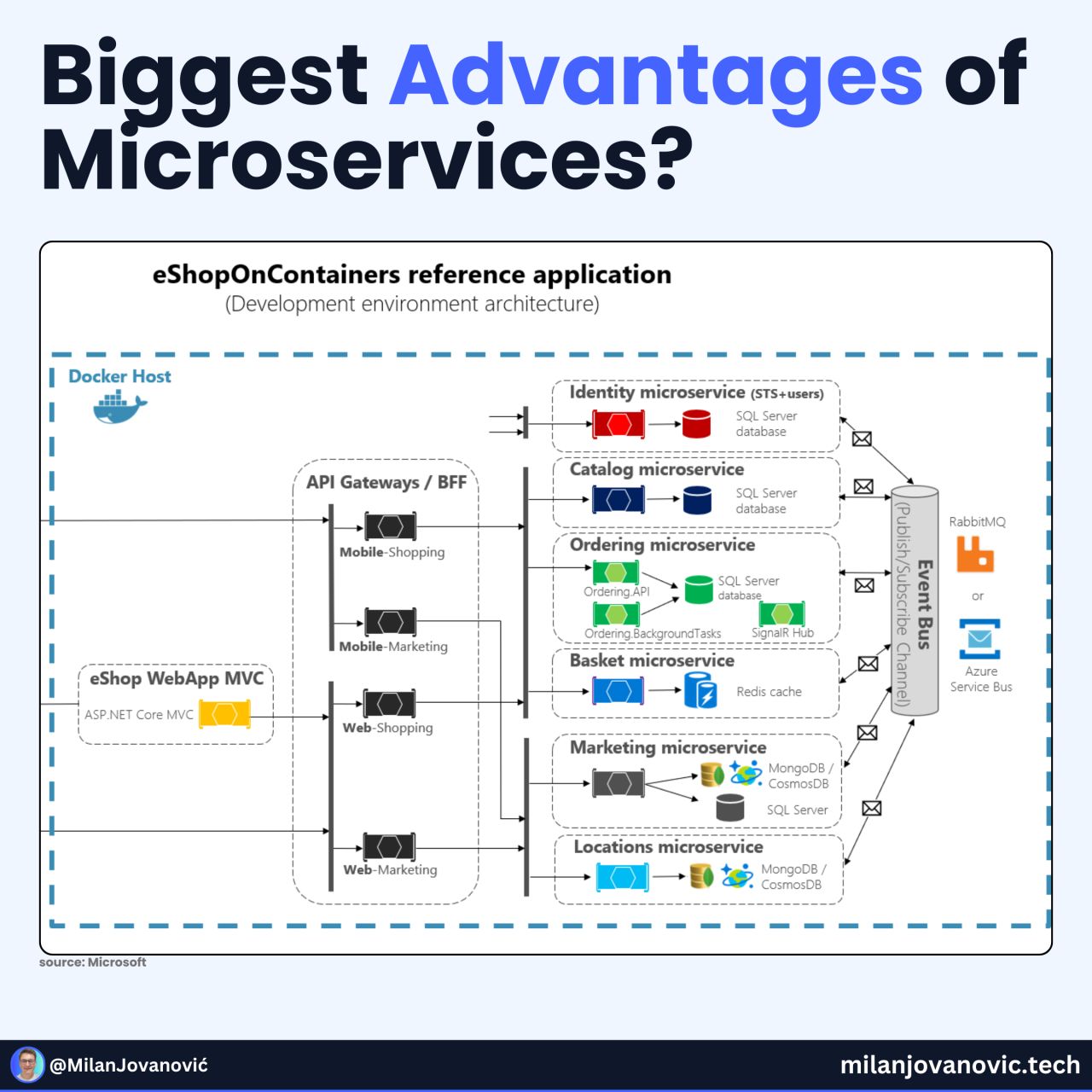
One of the biggest advantages of microservices? Independent deployability. Each service owns its logic, data, and deployment lifecycle. That means: - Teams can release on their own schedule - Fail…
Your system is only as reliable as its worst write. And if you write to your database and publish to a broker separately, you have a reliability problem. That’s the dual write problem. One operatio…

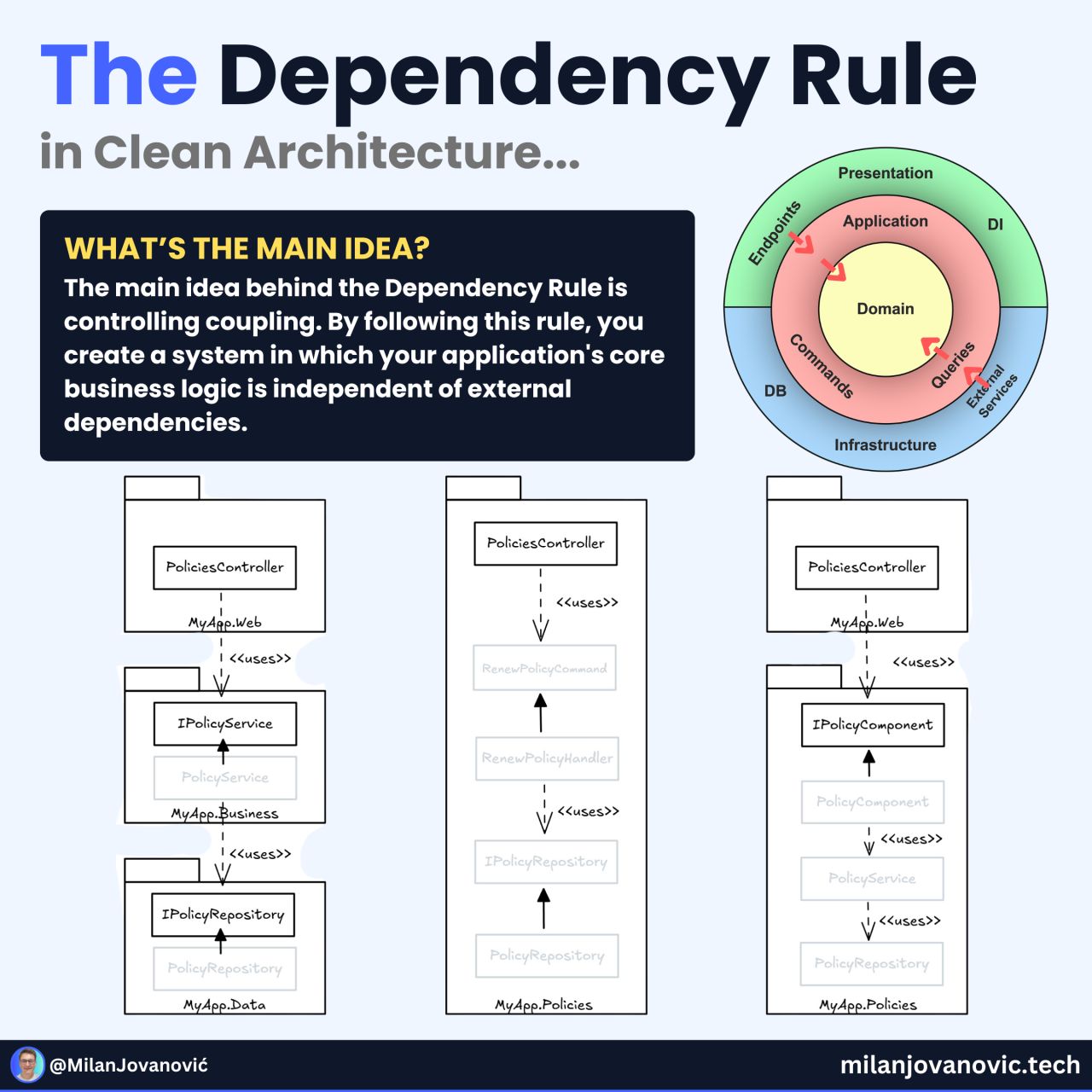
Want to design a better software architecture? Here's one rule I always follow. It's the main principle behind Clean Architecture. It's called the Dependency rule. This rule states that source cod…
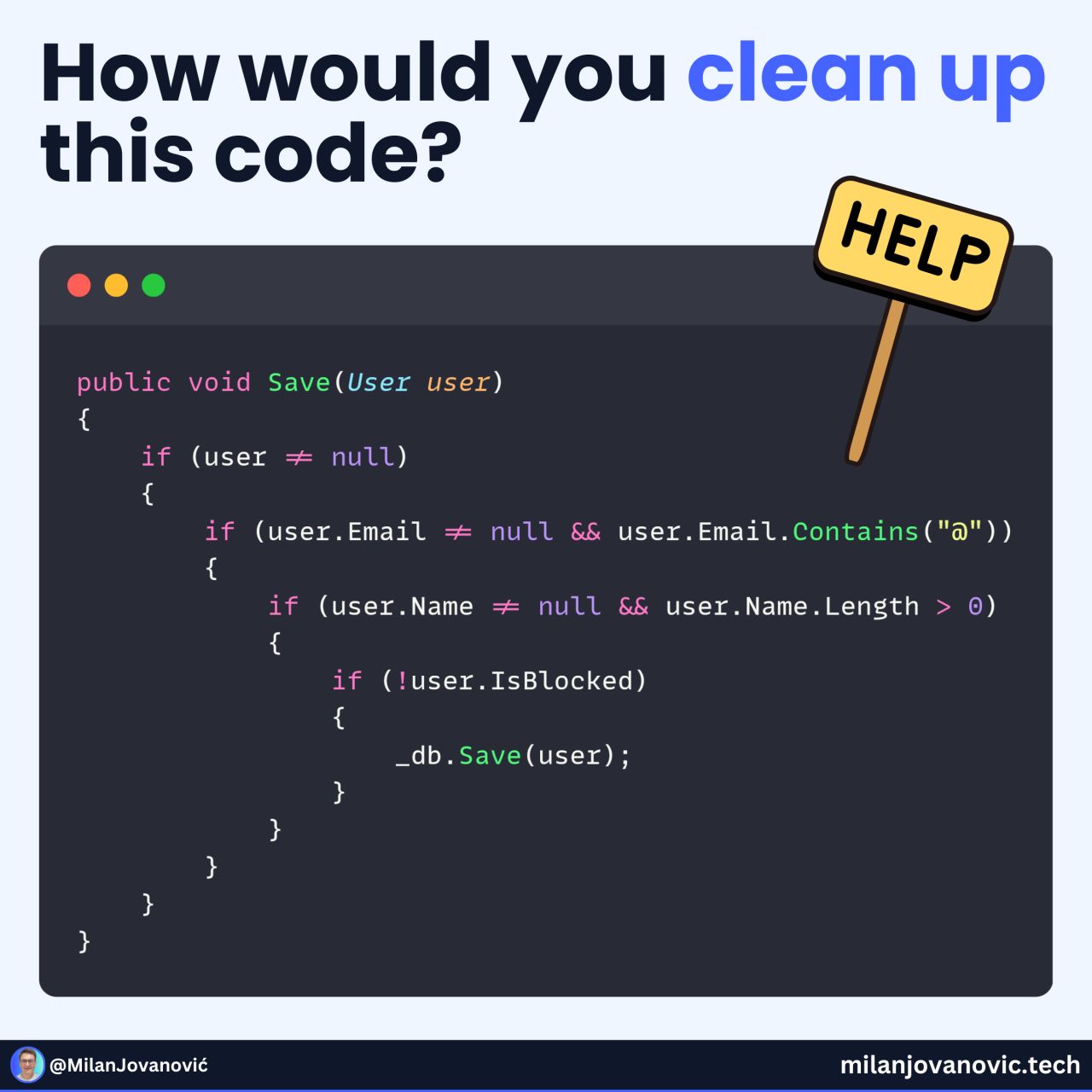
Messy code slows you down. Clean code compounds. Here are 8 ways to clean up your logic: 1. Replace magic strings with enums 2. Turn magic numbers into constants 3. Wrap boolean expressions in named…
10.8 posts/week
Posts / Week
0.7 days
Days Between Posts
2
Total Posts Analyzed
HIGH
Posting Frequency
349%
Avg Engagement Rate
STABLE
Performance Trend
145
Avg Length (Words)
HIGH
Depth Level
ADVANCED
Expertise Level
0.85/10
Uniqueness Score
YES
Question Usage
0.8%
Response Rate
Writing style breakdown
<start of post>
Is your database slowing down as your data grows?
Indexes are the first thing developers check.
But sometimes, an index isn't enough.
When you're querying millions of rows, the way you structure your SQL matters just as much as the index itself.
I recently worked on a project where a simple dashboard query took 10 seconds to load.
We had the right indexes.
We had enough memory.
The hardware wasn't the issue.
The problem was a 'fat' JOIN that pulled in unnecessary columns from four different tables.
Selected only the required IDs first
Used a subquery to limit the dataset
Joined the metadata only at the final step
The result? The query time dropped to 200ms.
It’s a reminder that 'Select *' is a silent performance killer in production.
I wrote a guide on optimizing SQL queries for .NET developers.
Check it out here: https://lnkd.in/dExAmPlE
What is your go-to trick for speeding up slow queries?
<end of post>
Sign in to unlock the full writing analysis
Free tools to help you write, score, and benchmark in the same style.
Other creators worth studying alongside Milan Jovanović.

Andrew Petcash
Founder @ Profluence | Building the Future of Sports
43 Viral Score

Bright Baiden
Product (UI/UX) Designer • Framer Developer • Webflow Developer
34 Viral Score

Daniel Pieper
Fractional CTO | Helping Startups & SMEs Build Scalable Tech & AI Automation 🚀
201 Viral Score

Pulkit Tyagi
Senior Gen-AI Engineer | GenAI + Full-Stack Developer | Agentic AI Systems | Educator | On a Mission to Build & Teach the Future of Intelligence
245 Viral Score

Solomon Salo
🎓 AI & Automation Educator | n8n | skool.com/scrapes
173 Viral Score

Elric Legloire
I build outbound systems for B2B SaaS | Outbound is a function, not prospecting
24 Viral Score
ViralBrain plans, writes, and schedules your LinkedIn content, using official LinkedIn APIs so your account stays safe.
Write like Milan Jovanović.