
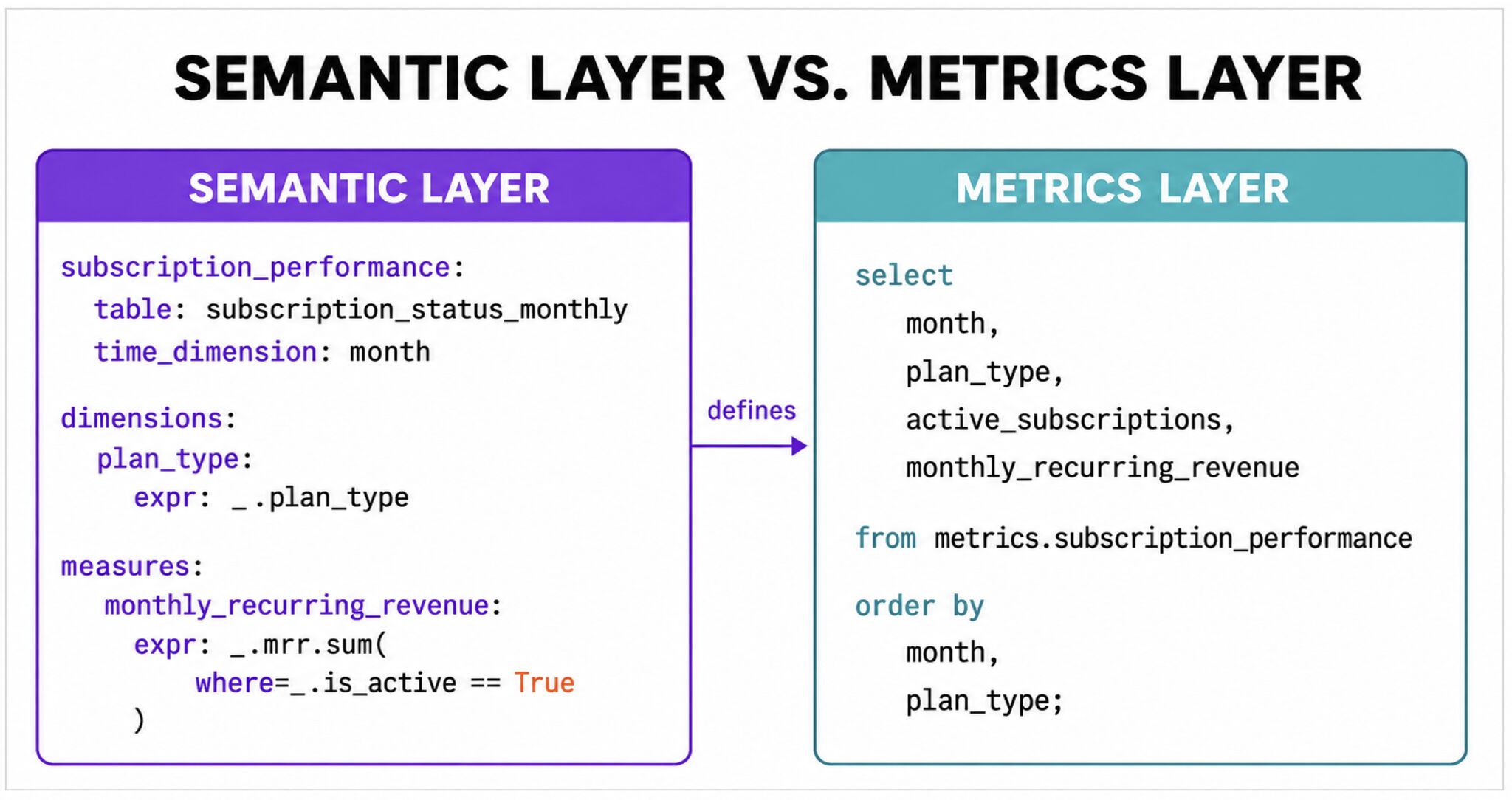
I’m (once again) questioning whether we really need a semantic layer. Maybe the missing layer is clear ownership and better data model design. My (somewhat) controversial takes: 1. You probably don…
6241021751 viral
Data Engineering2 months ago

LinkedIn Content Strategy & Writing Style
Data Science & Analytics Expert-in-Residence
1 person tracking this creator on ViralBrain
Olga Berezovsky positions herself as a high-level strategic architect of data culture, moving far beyond the technical mechanics of SQL to focus on the human-led definitions that make data useful. Her content strategy centers on the critical "Data Foundations" layer, frequently arguing that AI and self-serve tools are destined to fail without rigorous, human-maintained business logic and semantic clarity. She is notable for her counter-intuitive stance on the AI hype cycle, asserting that as code generation becomes commoditized, the role of the analyst shifts from builder to essential decision enabler and context engineer. Her work represents a sophisticated intersection of technical skepticism and organizational leadership, where she bridges the gap between raw engineering and the nuanced business instincts required to prevent data from becoming a "house of cards."
23.0K
4.4K
178
107
5
I’m (once again) questioning whether we really need a semantic layer. Maybe the missing layer is clear ownership and better data model design. My (somewhat) controversial takes: 1. You probably don…
The Top 200 Linkedin Data Science Voices Worldwide community is now live. Here is who made the global cut. I built this around one idea: data science leadership is not the same as visibility. In th…
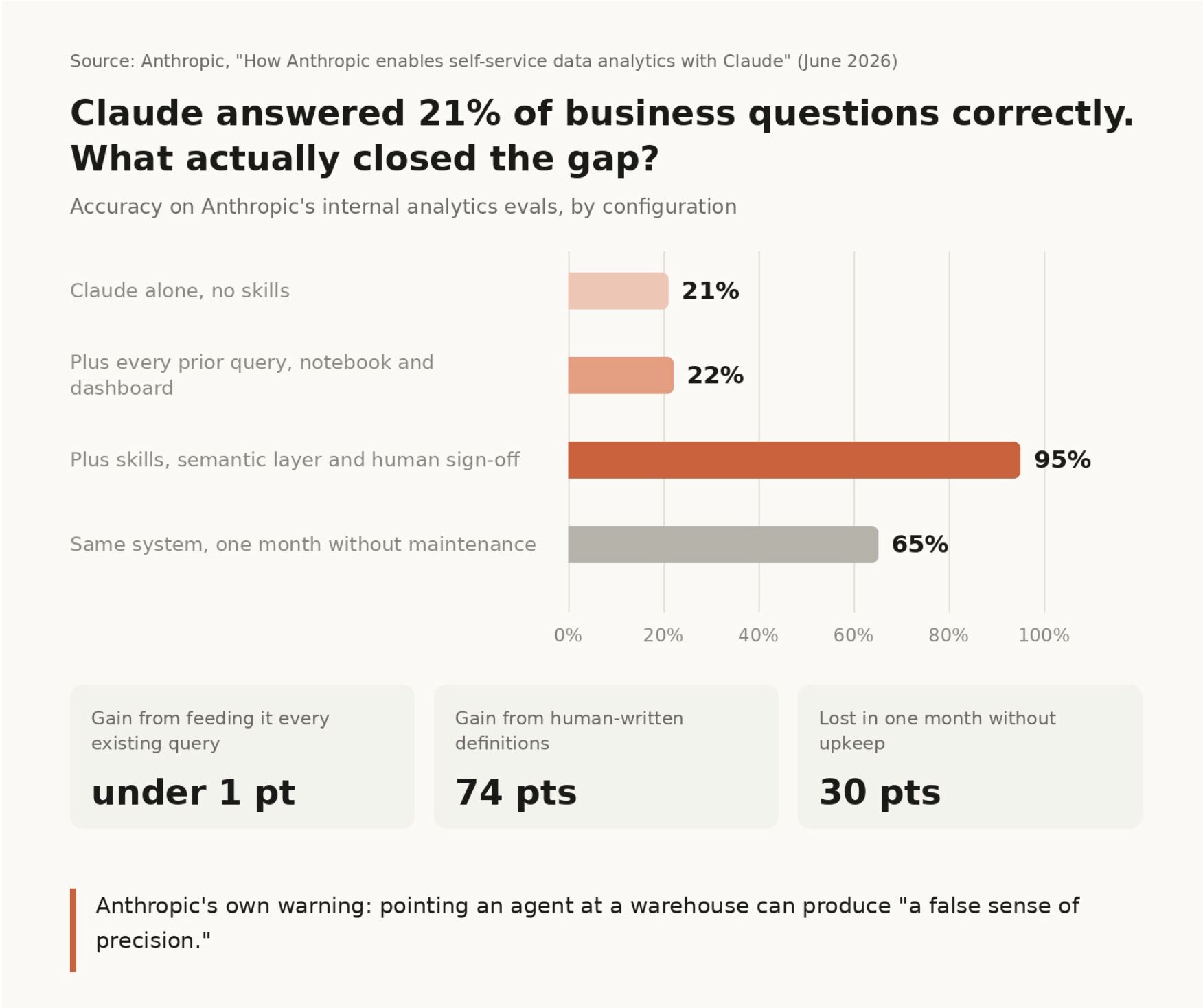
Anthropic pointed Claude at their own data warehouse and it answered business questions correctly 21% of the time. So they fed it everything. Thousands of existing SQL queries, notebooks, dashboards.…
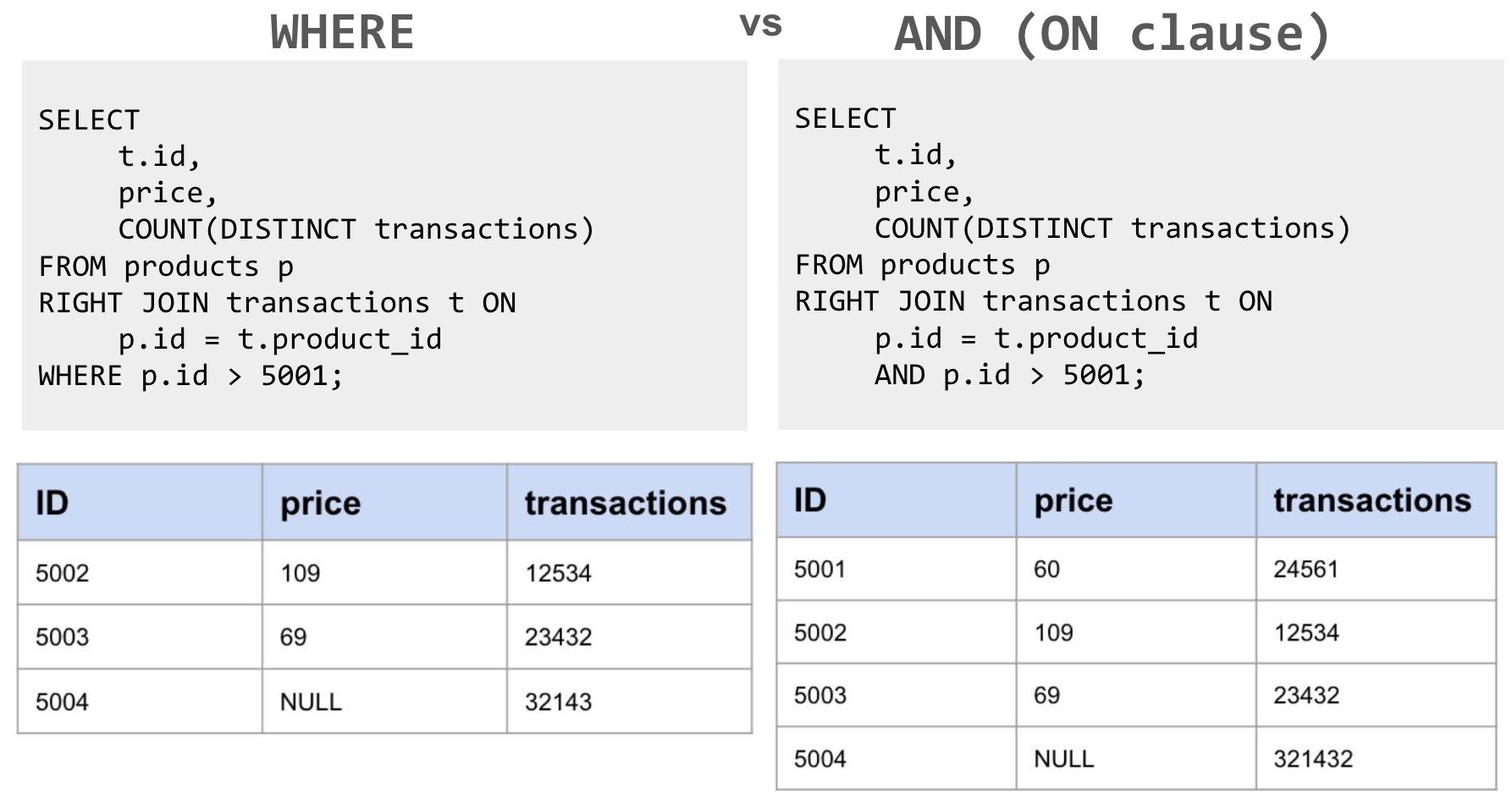
Do people still remember SQL? Can you spot the error? (took me a while 😅 )
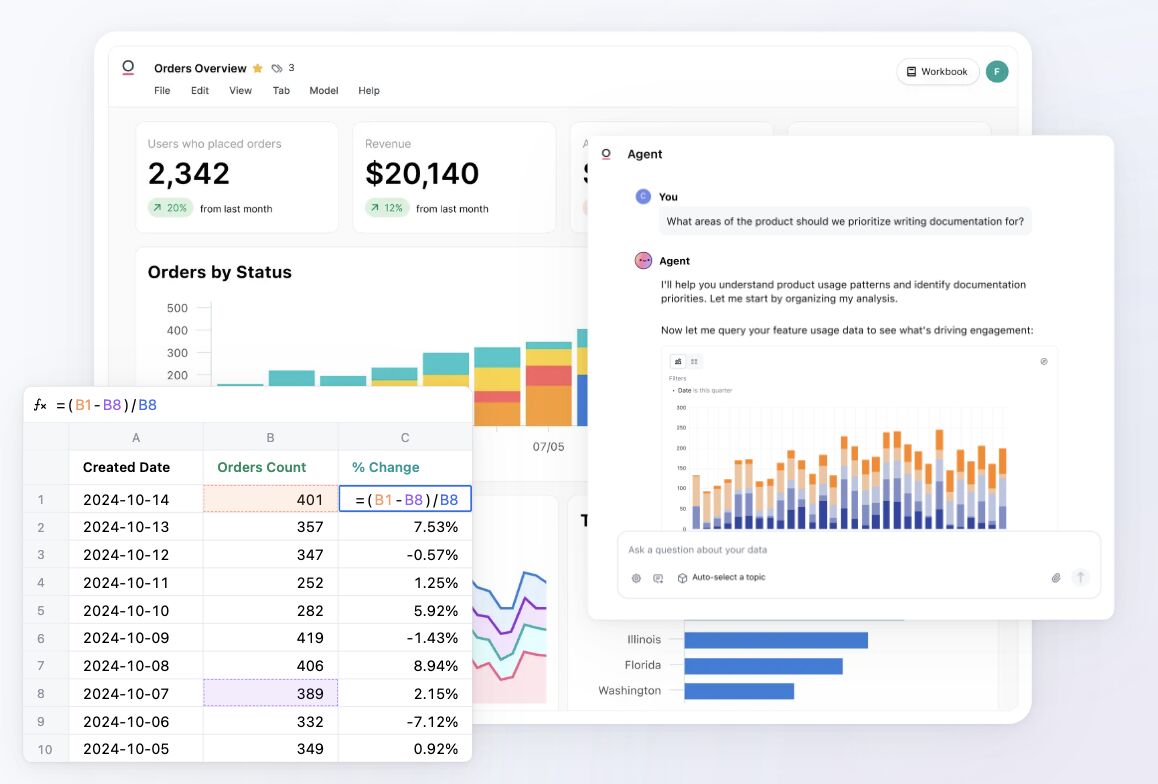
Omni might be your next BI tool in 2026: Omni has been on my review list for a long time. I interviewed multiple active Omni customers who either build or read reports, researched setup and maintenan…
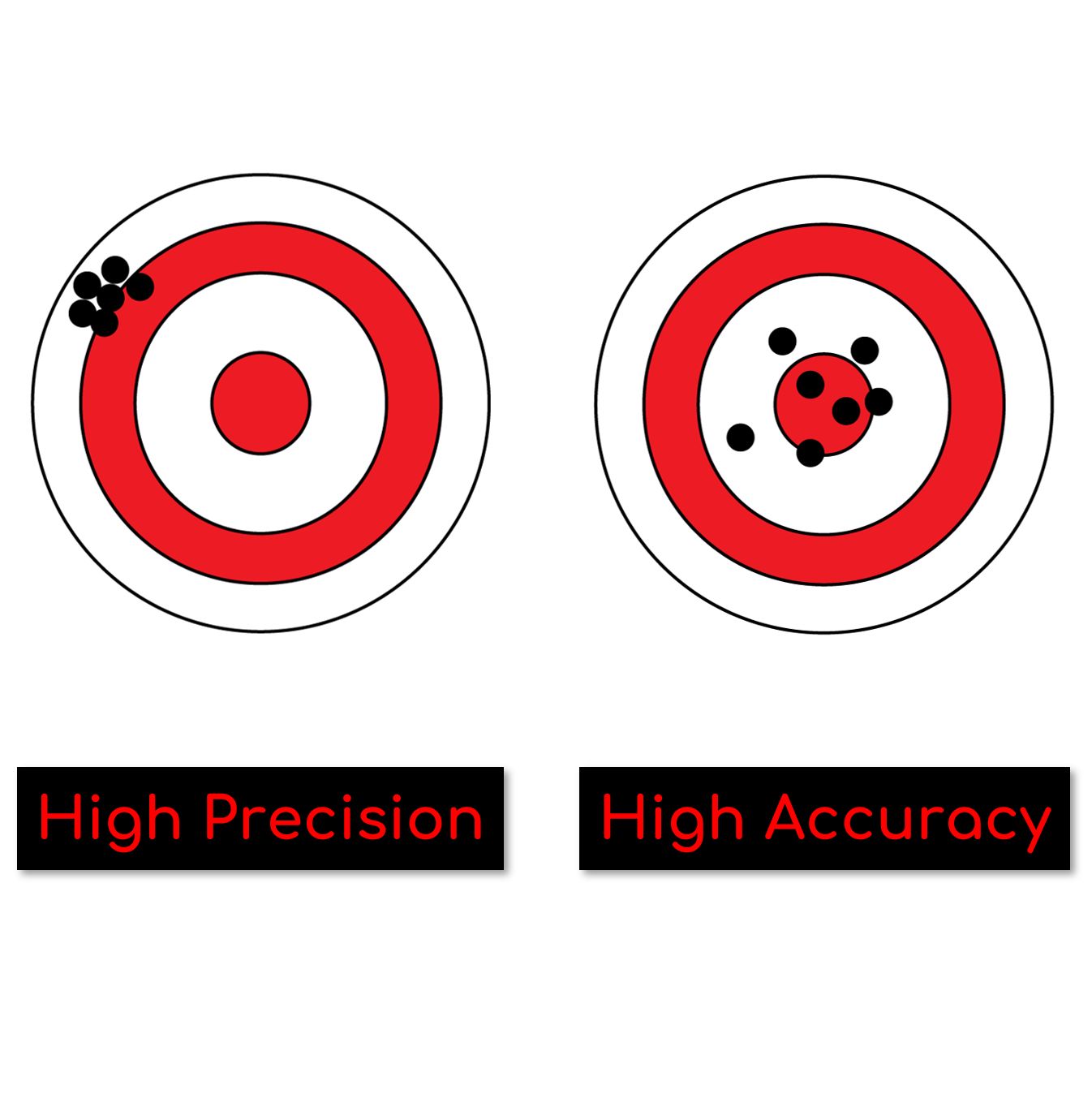
Counterintuitive truth: In data and decision-making, Precision beats Accuracy. Of course, if you can have both, have both! But if you have to choose - choose precision. Here's why: Precision gives y…
2.5 posts/week
Posts / Week
5
Total Posts Analyzed
MEDIUM
Posting Frequency
177.7%
Avg Engagement Rate
STABLE
Performance Trend
180
Avg Length (Words)
HIGH
Depth Level
ADVANCED
Expertise Level
0.85/10
Uniqueness Score
YES
Question Usage
0.75%
Response Rate
Writing style breakdown
<start of post>
Most companies think they have a data problem. They actually have a vocabulary problem.
I recently spoke with a Head of Data who was frustrated that their new AI agent was hallucinating revenue numbers. The model was technically perfect. The SQL was valid. The infrastructure was world-class.
The problem? The company had four different definitions for "Revenue" across four different departments.
When the model looked at the warehouse, it didn't see a single source of truth. It saw a civil war.
This is the "Context Gap" that no LLM can bridge on its own.
We often treat data engineering as a plumbing problem—getting bits from point A to point B. But as AI takes over the actual writing of code, the role of the engineer shifts. It moves from being a plumber to being a translator.
If you don't define what a metric means in plain English, the AI will just make its own guess. And in data, a guess is just a bug with a better personality.
Sign in to unlock the full writing analysis
Free tools to help you write, score, and benchmark in the same style.
Other creators worth studying alongside Olga Berezovsky.

Ayoub Fandi
GRC Engineering @ Lovable | Engineering the Future of GRC
24 Viral Score

Dawit Abraham
Co-founder & CEO at Beemi | Engineer | Entrepreneur
268 Viral Score

Alexandre Berkovic
CEO @ Sphinx (YC F24) | AI Agents for Risk & Compliance Ops
97 Viral Score

Jake Thomas
Helping you use psychology to write better YouTube titles so you can get more views and make more money | Weekly newsletter at creatorhooks.com | Favorite books for YouTubers: readrex.io/jakethomas
103 Viral Score
Ana Panizo Neary

Eyobed Feleke
BigData | Data Engineer | DataOPS | DevOps | Full-Stack developer | Back-End Developer | Mobile App Developer
84 Viral Score
ViralBrain plans, writes, and schedules your LinkedIn content, using official LinkedIn APIs so your account stays safe.
Write like Olga Berezovsky.