
The Zero-Sum game mindset has seeped into business strategy, borrowed from military strategy. But here’s the thing: business isn’t a Zero-Sum game. It’s a Non-Zero-Sum game. This video explains this…
12012108 viral
Business Strategy10 months ago

LinkedIn Content Strategy & Writing Style
Strategic Advisor to CEOs | Transforming Fragmented Strategy, Poor Execution & Undefined Competitive Positioning | Deep Expertise in the GCC Region
1 person tracking this creator on ViralBrain
Andrew Constable positions himself as a high-level architect of organizational fitness, bridging the gap between academic strategic theory and the gritty realities of CEO-level execution. His content strategy centers on deconstructing complex frameworks-such as the Balanced Scorecard and Jobs to Be Done-into actionable leadership handbooks that prioritize dynamic adaptability over static positioning. He is notable for his ability to translate abstract concepts like ESG and "non-zero-sum" competition into structural business imperatives, moving beyond mere compliance to treat strategy as a living infrastructure. By blending rigorous systems thinking with operational transparency, Andrew offers a unique intersection where high-concept strategy meets the practical mechanics of war gaming and scenario planning to ensure long-term resilience.
32.1K
14.5K
55
8.4
18
1
The Zero-Sum game mindset has seeped into business strategy, borrowed from military strategy. But here’s the thing: business isn’t a Zero-Sum game. It’s a Non-Zero-Sum game. This video explains this…
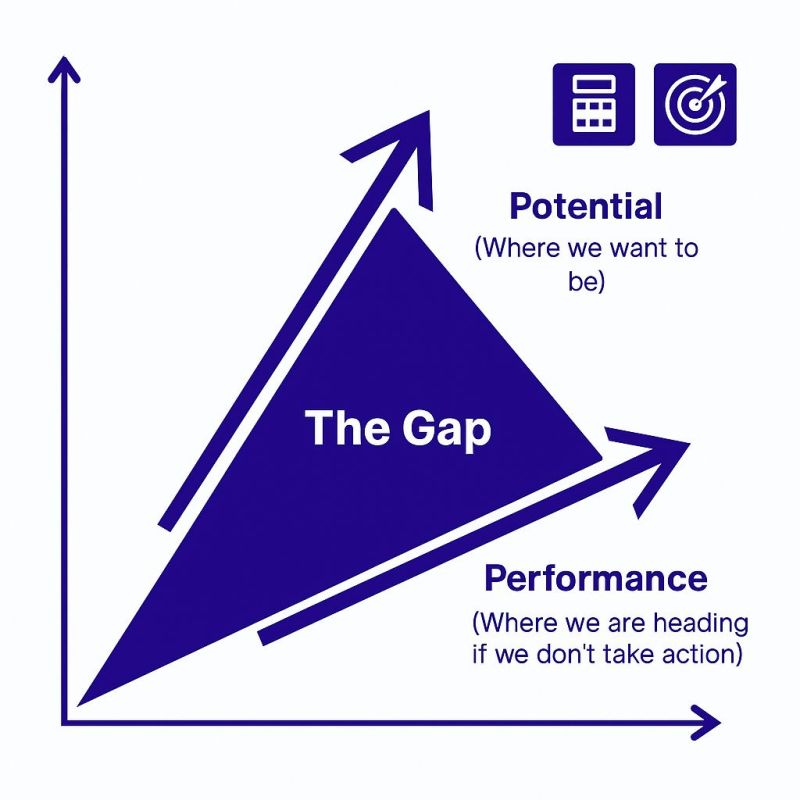
Many organisations struggle to realise their strategic ambitions because of one critical issue: the value gap. This value gap is the difference between where your organisation is today and where it w…
Your strategy isn’t ready… until it’s been tested. (And no, I don’t mean with KPIs and dashboards.) I mean stress-tested against future realities, rival moves, and real-world shifts. Here’s how top…

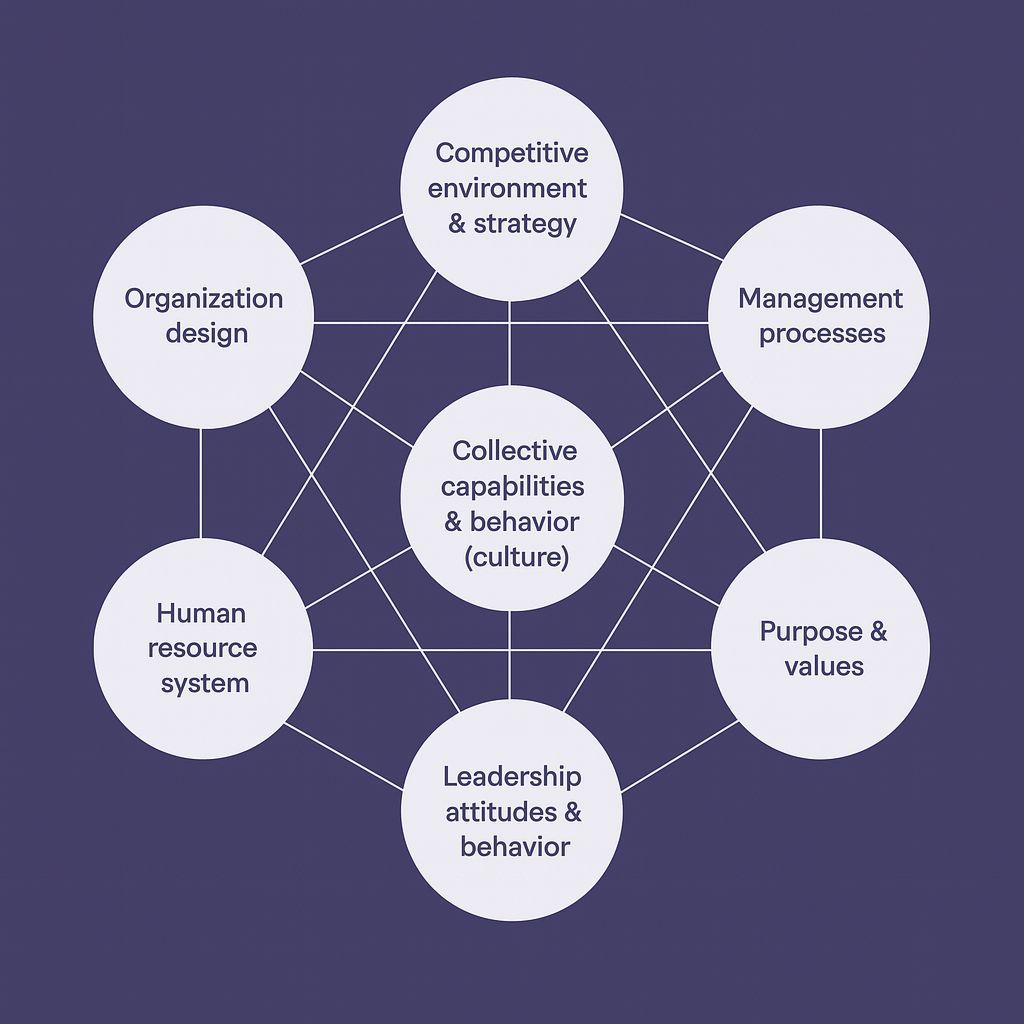
Many companies are failing because internal systems are misaligned. ☑ Strategy says one thing. ☑ Structure supports another. ☑ Culture, leadership, and capabilities aren’t in sync. ↳ The result? Con…
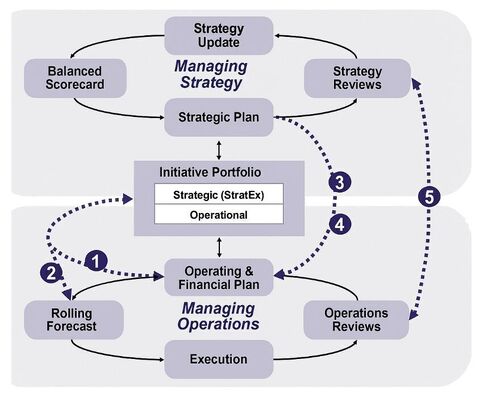
5 ways to link strategy to operations (and not let your execution fall apart) Most organisations plan big. But the execution? That’s where things break down. Here are 5 strategic-operational linkag…
“There is nothing so useless as doing efficiently that which should not be done at all.” – Peter Drucker A brilliant reminder for leaders: efficiency without strategic clarity is just wasted effort.…
8.4 posts/week
Posts / Week
0.9 days
Days Between Posts
1
Total Posts Analyzed
HIGH
Posting Frequency
1%
Avg Engagement Rate
STABLE
Performance Trend
230
Avg Length (Words)
HIGH
Depth Level
ADVANCED
Expertise Level
0.82/10
Uniqueness Score
YES
Question Usage
0.6%
Response Rate
Writing style breakdown
Predominantly professional, informative, and advisory.
Conversational but not chatty; feels like a seasoned consultant speaking to senior leaders.
Tone is authoritative and confident, yet accessible and non-academic.
Clearly positioned for LinkedIn-style thought leadership in strategy, ESG, and organisational effectiveness.
Medium-high formality.
Uses business and strategic jargon comfortably (e.g., 'materiality assessment', 'execution premium', 'strategic initiatives', 'value gap', 'war gaming').
Avoids slang and overly casual phrasing, except in travel/personal update posts (7 and 8), which are shorter and more relaxed.
Calm, measured, and controlled rather than high-drama.
Punchy one-line statements.
Clear, decisive language.
Strategic contrasts (e.g., 'From risk mitigation to long-term value creation.').
The emotional resonance is subtle: grounded optimism and urgency about getting strategy right.
Rhetorical questions (especially to provoke reflection: 'Are you solving the correct problems?', 'Is your company built to compete?').
Framing contrasts and shifts ('From vendor to preferred partner.').
Conceptual reframing ('ESG isn’t a side project. It’s your strategy.', 'Strategy is no longer about protecting a position—it’s about preparing for the unpredictable.').
Declarative, high-impact statements isolated on their own lines.
'strategy dress rehearsal'
'infrastructure for future-fit organisations'
Direct audience engagement, but in a professional manner (no over-familiarity).
Second person 'you' when giving advice or implications for leaders/organisations.
Third person when describing trends, research, or concepts.
To reference personal takeaways or experiences ('3 takeaways that resonated with me').
To make the CTA more personal ('If you like content like this, please follow me.').
Uses a mix of directive and suggestive language.
'Start with a materiality assessment...'
'To succeed, target specific JTBD with solutions...'
'Consider this' style embedded as questions rather than explicit 'consider' wording.
Imperatives are framed as expert guidance, not orders.
A strategic advisor voice: clear, structured, and focused on helping leaders think and act better.
Always framed as helping the reader become more effective, future-fit, and aligned.
Sign in to unlock the full writing analysis
Free tools to help you write, score, and benchmark in the same style.
Other creators worth studying alongside Andrew Constable, MBA, BSMP, XPP-G.

Daniel Priestley
Founder of Dent Global & ScoreApp | Awarded Entrepreneur of the Year | 7x business books | Founded/exited multiple ventures | Mission to develop entrepreneurs who stand out, scale up and make a dent.
14 Viral Score

Ben Labay
CEO @ Speero | Experimentation for growing SaaS, Ecommerce, Lead Gen
27 Viral Score

Yared Endale
Entrepreneur | HCD specialist | eSports Community Builder
1,579 Viral Score

JP Malherbe
203 SaaS Served with Outbound | Creator of Empathy Beats Selling | CRO @ BizDev Labs
21 Viral Score

Josh Braun
Struggling to book meetings? Getting ghosted? Want to sell without pushing, convincing, or begging? Read this profile.
5 Viral Score

Chris Ritson
Sales Training for SDRs, AEs and Sales Leaders @SaaS companies
9 Viral Score
ViralBrain plans, writes, and schedules your LinkedIn content, using official LinkedIn APIs so your account stays safe.
Write like Andrew Constable, MBA, BSMP, XPP-G.