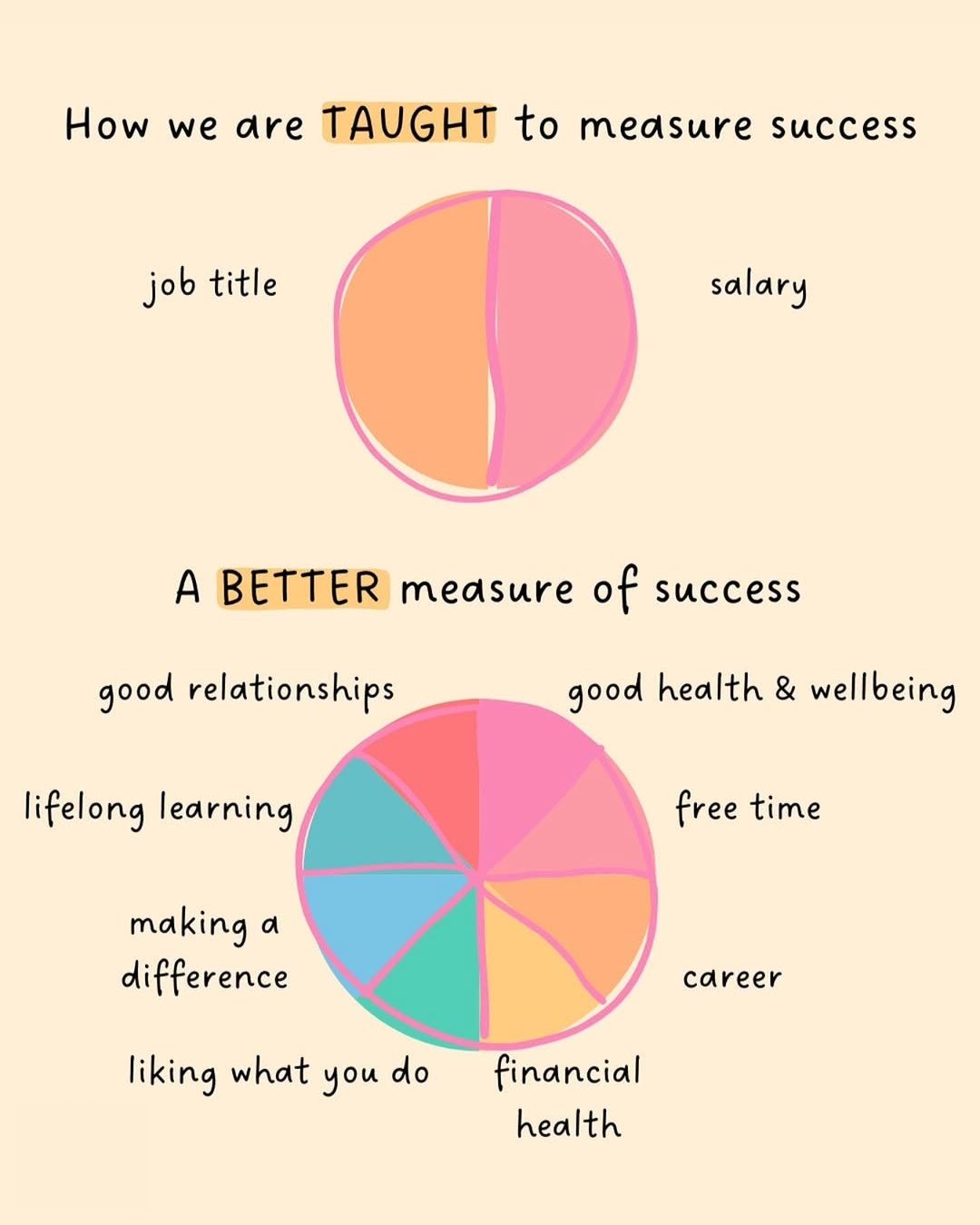
End-of-year reminder: You’re allowed to be proud of things that have nothing to do with income or promotions. The friendships you strengthened. The habits you kept. The boundaries you honoured. The…
LinkedIn Content Strategy & Writing Style
Founder of 1% Better™ | Former accountant, future author | Follow me for the best self-development content on LinkedIn
2 people tracking this creator on Viral Brain
Colby Kultgen positions himself as a high-performance architect for the everyman, bridging the gap between his analytical background as a former accountant and his current role as a holistic self-development curator. His content strategy centers on "raising the floor" of daily existence through actionable frameworks like the Average Tuesday Rule and a relentless bias for action. He is notable for his ability to de-commoditize self-help by injecting psychological depth into standard productivity tropes, often using narrative storytelling to explain complex business concepts like identity-based selling. The core of his work lies at the intersection of tactical habit formation and philosophical reflection, where he seamlessly blends high-ticket B2B sponsorships with vulnerable insights on protecting one's mental health and honoring personal boundaries.
483.9K
2.7K
2.8K
—
6.4
67
1
End-of-year reminder: You’re allowed to be proud of things that have nothing to do with income or promotions. The friendships you strengthened. The habits you kept. The boundaries you honoured. The…

Remember: It's better to admit you walked through the wrong door than spend your life in the wrong room. I see this everywhere. The soul-crushing job we keep because it sounds impressive on paper.…

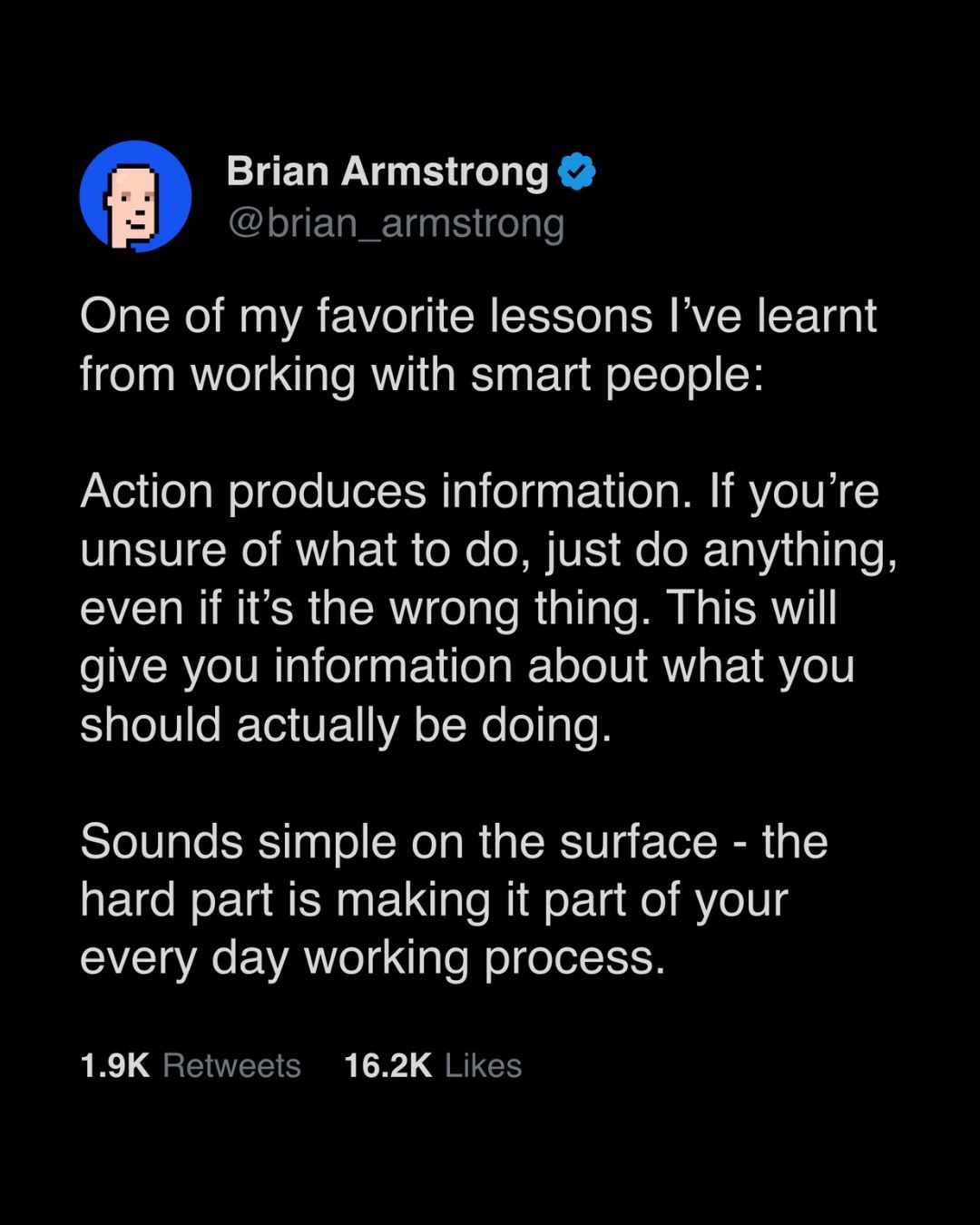
I've said it before, and I'll say it again: Developing a bias for action is one of the most valuable things you can do in life. This advice isn't anything new, Rumi was preaching the same thing almo…

An idea that genuinely changed my life… The Average Tuesday Rule: The quality of your ordinary Tuesday is the best measure of your life satisfaction. Think about it. We spend 80% of our lives on t…

How to unrot your brain (step-by-step):
How to do a hard reset on your life before 2026:
6.4 posts/week
Posts / Week
1.2 days
Days Between Posts
1
Total Posts Analyzed
HIGH
Posting Frequency
0%
Avg Engagement Rate
STABLE
Performance Trend
150
Avg Length (Words)
HIGH
Depth Level
ADVANCED
Expertise Level
0.8/10
Uniqueness Score
YES
Question Usage
0.8%
Response Rate
Writing style breakdown
Professional yet highly conversational.
Direct, clear, and minimally fluffy.
Motivational and insightful, with a calm, grounded energy rather than hype.
Philosophical at times, but always tied back to something practical and relatable.
Feels like a thoughtful, emotionally intelligent mentor talking to a smart peer.
Semi-formal: vocabulary is clean and educated but not academic.
No slang like "gonna"/"wanna." Contractions are used normally ("you're", "don't", "it's").
No swearing. Tone is respectful and inclusive.
Medium energy: steady, reflective, not frantic.
Emotionally warm and empathetic (e.g., "You’re allowed to be proud…", "Sometimes the bravest thing you can do…").
Often framed as "harsh truth" or "reminder" but delivered with compassion.
Uses emotional resonance more than shock value.
Rhetorical questions ("Job interviews?", "Dating?")
Short parallel statements in a row ("They buy identity. They buy meaning. They buy a story…")
Simple yet vivid metaphors ("wrong room," "piece of the mountain that chose to break off and explore").
Named concepts/rules ("The Average Tuesday Rule").
What people think vs what actually matters.
Obvious surface-level behavior vs underlying meaning (e.g., "People don’t just buy products. They buy identity…").
Harsh truth:
Remember:
The lesson:
Here’s where to start:
Mostly second person ("you") to speak directly to the reader.
Share credibility or personal alignment ("I've said it before", "I see this everywhere").
Introduce a personal learning ("An idea that genuinely changed my life…").
Third person appears in examples ("One of the most valuable things you can do is build relationships…") but always in service of "you."
Direct: "Charge what you're worth", "Start every morning with…"
Soft encouragement: "You’re allowed to be proud…", "Celebrate the parts of your life that don’t get LinkedIn announcements."
Speak like a kind but no-nonsense mentor.
Talk to the reader as "you", occasionally refer to yourself as "I" for perspective or credibility.
Deliver truth with empathy, not with aggression.
Keep language simple but not simplistic; no jargon unless you immediately ground it in concrete explanation or examples.
Sign in to unlock the full writing analysis
Nail your LinkedIn strategy with ViralBrain.
Analyze and write in Colby Kultgen's style. Grow your LinkedIn to the next level.