After 9 long months of job searching, my mom is officially employed again. Last year, my mom was laid off from the CDC due to government budget cuts. She spent 19 years there and was one year away f…

2.7K631115 viral
Career Transition9 months ago
LinkedIn Content Strategy & Writing Style
Founder & CEO @ Simplify | Looking for a job?
1 person tracking this creator on ViralBrain
Michael Yan positions himself as the relatable founder-advocate for the modern job seeker, blending his role as CEO of Simplify with a sharp, satirical critique of the broken recruitment landscape. His content strategy centers on high-signal memes and observational humor that expose the absurdities of corporate hiring, effectively building a "builder-in-public" brand that feels both elite and accessible. What makes him notable is the intersection of high-growth tech leadership and populist transparency, where he uses his platform to humanize the application process while recruiting top-tier talent through unconventional, high-stakes incentives. By pairing cynical commentary on industry norms with earnest product insights, he creates a unique feedback loop between the frustrations of the candidate and the tactical realities of scaling a startup.
0
0
744
33
3
After 9 long months of job searching, my mom is officially employed again. Last year, my mom was laid off from the CDC due to government budget cuts. She spent 19 years there and was one year away f…
We received over 2,000 applications for our founding engineer role… but the person we hired came from a cold email. That's the reality of early-stage hiring. You run a full process – interviews, tak…
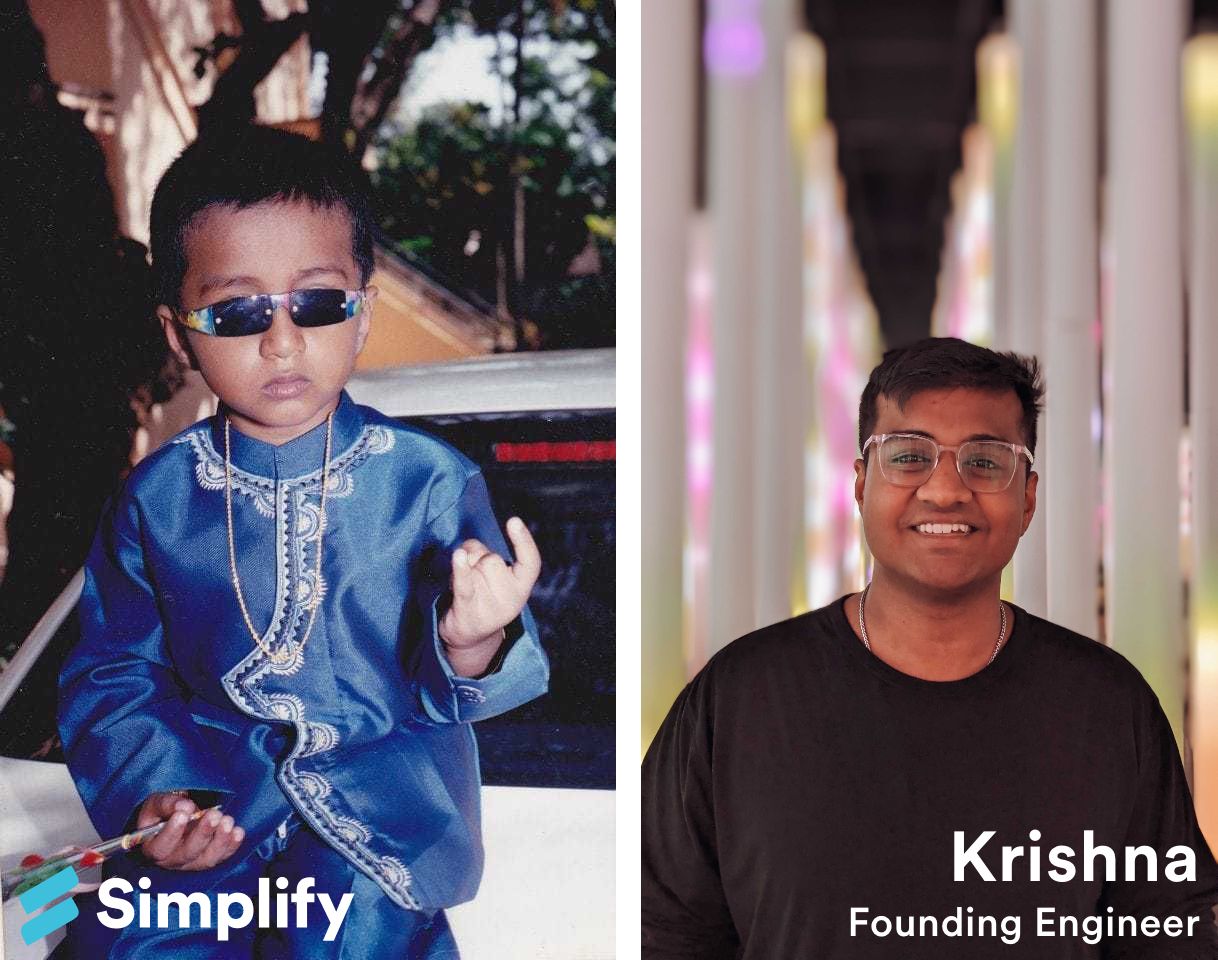
How my job search is going PSA: I built a site that scrapes the internet for jobs and matches you to them based on your resume. It's free. https://simplify.jobs/
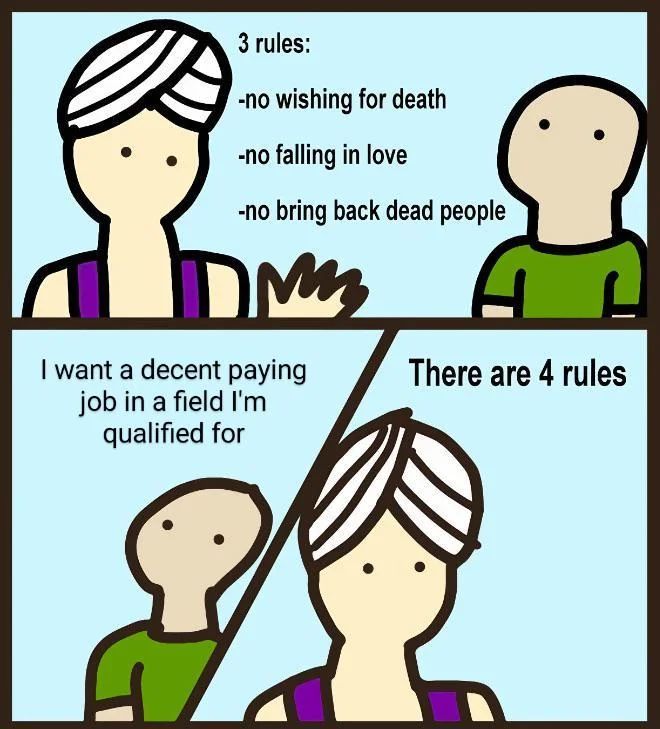
When LinkedIn tells me “Someone has viewed your profile” 💀 Credit: Adam Karpiak

2.5 posts/week
Posts / Week
3
Total Posts Analyzed
MEDIUM
Posting Frequency
744.4%
Avg Engagement Rate
STABLE
Performance Trend
45
Avg Length (Words)
LOW
Depth Level
INTERMEDIATE
Expertise Level
0.85/10
Uniqueness Score
YES
Question Usage
0.15%
Response Rate
Writing style breakdown
<start of post>
i'm hiring a founding engineer to help us build the future of hiring.
the role is simple: you'll own everything from our chrome extension to our backend infra.
ship code everyday (no useless meetings)
work directly with me on product roadmap
talk to users and fix their problems in real-time
build things that millions of people actually use
we've already helped 10M+ people find jobs. we're just getting started.
$140K–$180K + heavy equity. SF office (FiDi).
if you're cracked at building products, dm me.
(know a genius engineer? tag them below. i'll pay for your next vacation if we hire them.)
<end of post>
Sign in to unlock the full writing analysis
Free tools to help you write, score, and benchmark in the same style.
Other creators worth studying alongside Michael Yan.

Peter H. Diamandis
Data-driven optimist inspiring entrepreneurs through research, investment & community to create an abundant future for humanity | M.D. | Futurist | Speaker | Podcast Host | 4x NY Times Best-Selling Author
9 Viral Score

Nikola Ilic
Founder of the Democratic Leadership Framework | Leadership professor at Georgetown Uni | Trainings & Leadership Programs | Action Learning Expert | AI in service of human experience
41 Viral Score
Andrew Ng
Founder of DeepLearning.AI; Managing General Partner of AI Fund; Exec Chairman of LandingAI
21 Viral Score
Claus Sneppen
Creating successful office workplaces and meeting cultures in a hybrid work environment. We'll meet in a myriad of ways - the most crucial being in proximity...or is it?

Dave Cairns
The future of work needs better ideas. I’m trying... Join me?

Dr. Marc Sniukas
20+ Years Helping Leaders Design + Execute Winning Strategies • Founded The Better Strategy School to Help Leaders Worldwide Master Strategy • Global C-Suite Strategy Partner
ViralBrain plans, writes, and schedules your LinkedIn content, using official LinkedIn APIs so your account stays safe.
Write like Michael Yan.