AI won’t replace Product Managers. But it will definitely change how we work. These 15 tools automate every part of the PM workflow 👇 • Market research → Perplexity Deep Research • Documentation →…


LinkedIn Content Strategy & Writing Style
Product & Growth at Fluently AI (YC W24) | Improve your English speaking skills with AI
1 person tracking this creator on Viral Brain
Nikolai positions himself as a high-velocity product strategist and AI practitioner who bridges the gap between traditional product management and the emerging "vibe-coding" era. His content strategy centers on democratizing technical execution for non-technical builders, frequently sharing tactical playbooks on AI-native product development, no-code prototyping, and career optimization hacks. What makes him notable is his refusal to romanticize Big Tech; he champions the "founder-mode" PM who thrives in resource-constrained environments over the corporate specialist. The most compelling intersection in his work is the synthesis of product growth and language equity, where he uses his platform to provide both the technical tools for building products and the communication tools, via Fluently AI, for non-native professionals to lead them.
35.5K
6.5K
327
—
4.5
99
1
AI won’t replace Product Managers. But it will definitely change how we work. These 15 tools automate every part of the PM workflow 👇 • Market research → Perplexity Deep Research • Documentation →…

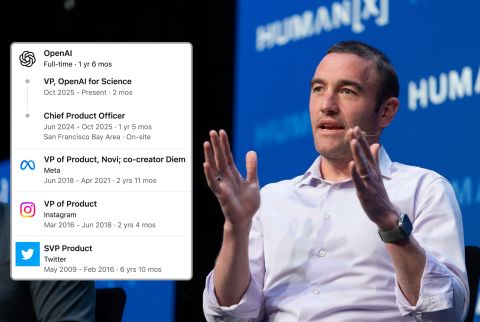
Kevin Weil is a product legend - he built products at Instagram, Twitter, and Facebook. Now he’s VP at OpenAI, shipping AI to 400M+ weekly users. Here are his 8 lessons on building AI-native products…

Unpopular opinion: The best Product Managers don’t work at companies like Google, Amazon, Netflix, or Meta. In fact, many of them are probably work at a companies you’ve never even heard of... yet.…
You can beat 99% of job seekers with this LinkedIn URL trick from Reddit 👇 The problem with job hunting on LinkedIn? By the time you see a posting, hundreds of people have already applied. Recruite…

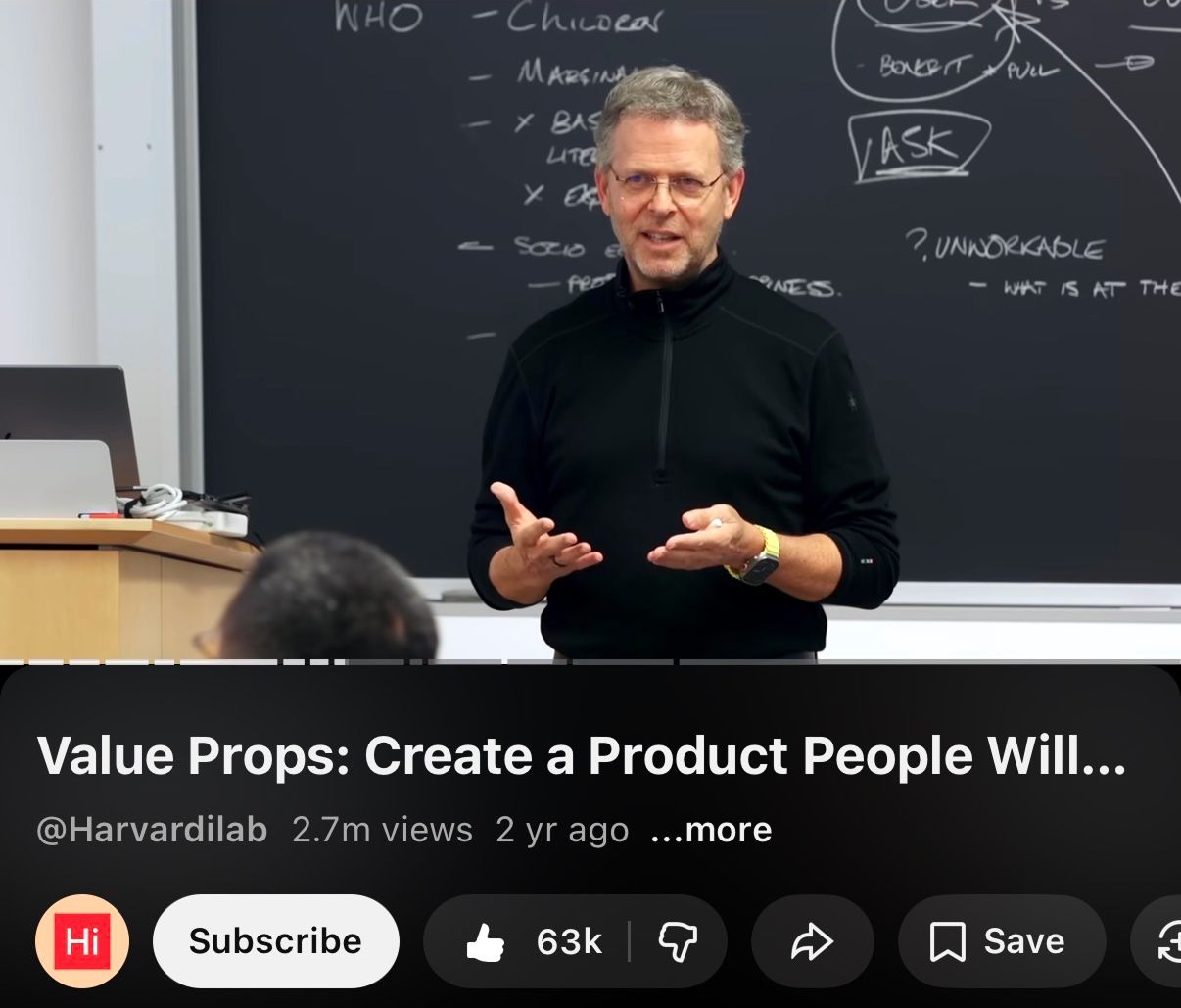
Why every Product Manager should watch this? 👇 This Harvard Innovation Labs workshop by Michael Skok from Underscore VC is a masterclass on product validation and value propositions. Skok has been…

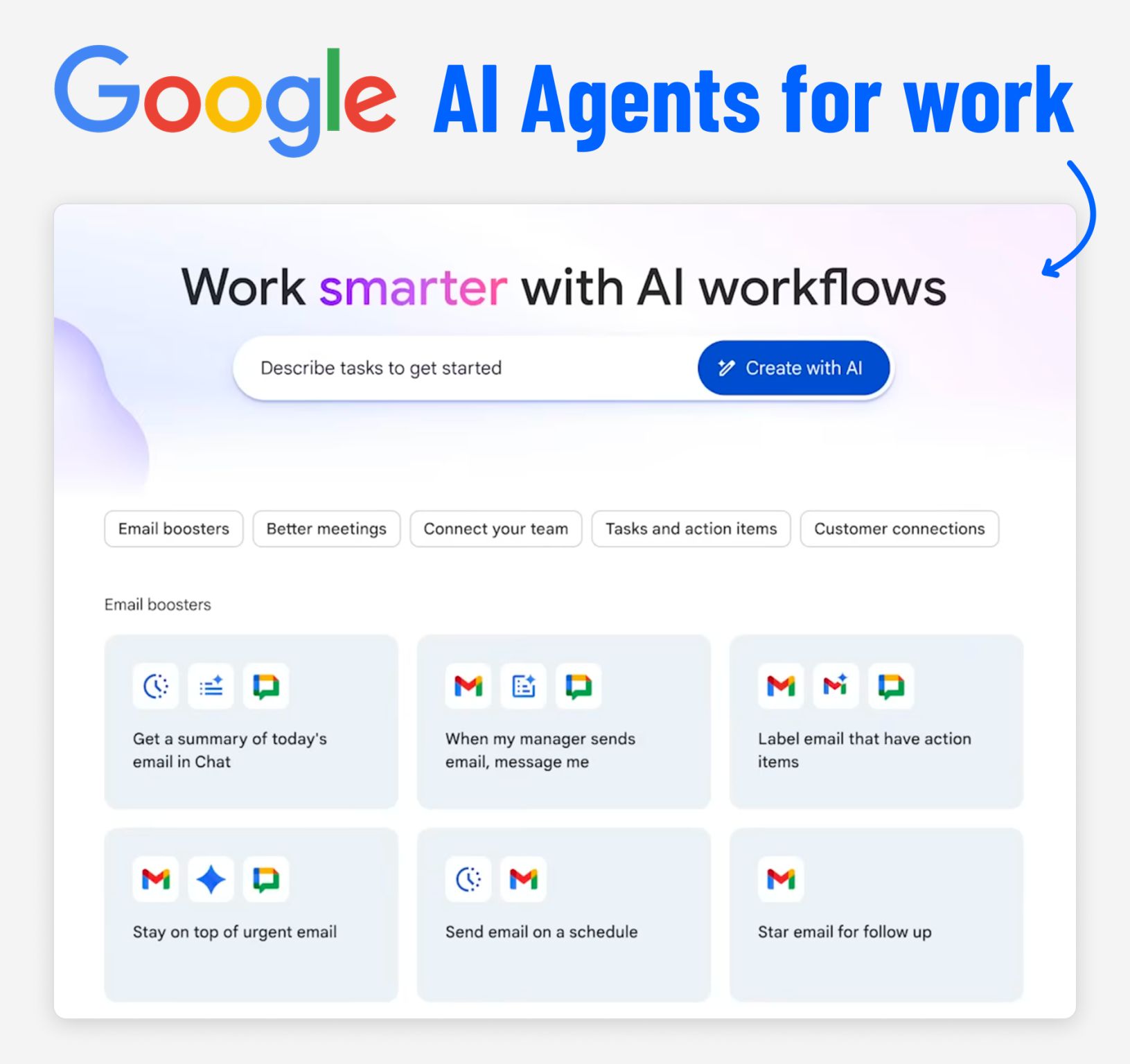
Google just launched something BIG: Build custom AI agents to automate your work - just by describing the task, no coding required. You don’t need to learn prompts, filters, or complex workflows. Ju…

4.5 posts/week
Posts / Week
1.8 days
Days Between Posts
1
Total Posts Analyzed
HIGH
Posting Frequency
326.78%
Avg Engagement Rate
STABLE
Performance Trend
400
Avg Length (Words)
HIGH
Depth Level
ADVANCED
Expertise Level
0.7/10
Uniqueness Score
YES
Question Usage
0.5%
Response Rate
Writing style breakdown
Overall tone: professional, practical, and educational, with a conversational feel.
Stylistically: concise, structured, and highly skimmable. Closer to a LinkedIn thought-leadership / micro-essay style than to long-form blogging.
It is persuasive and informative, with light motivational undertones. Not poetic, not overly emotional, and not sarcastic.
Voice is confident and authoritative but not arrogant. The writer presents themselves as a knowledgeable peer/guide rather than a distant expert.
Semi-formal: the grammar is mostly standard business English, but the voice is relaxed.
Frequent use of contractions (don’t, can’t, you’ve, it’s).
'Wanna improve your English...'
'It’s essential skill for Product Managers, Marketers, Founders and other non-technical builders - who’s tired of waiting on devs and just wants to launch something.'
Emojis are used strategically in hooks, lists, and CTAs, which keeps the tone modern and social-media-native.
Medium-to-high energy.
Posts often open with a punchy, provocative, or curiosity-driving line (e.g., 'Unpopular opinion: The best Product Managers don’t work at companies like Google...').
Energy is driven more by rhythm, structure, and clarity than by exclamation marks (those are used sparingly).
The emotional palette: practical urgency, optimism, empowerment, and occasional humor or dry irony (e.g., 'Like I said. Easy.' after a long list of PM responsibilities).
Rhetorical questions ('Why every Product Manager should watch this?', 'Your thoughts?', 'What would you add?').
Direct audience engagement ('If you’ve been sitting on an idea...', 'So if you want to find...').
Lists with clear formatting (numbered or bulleted).
Contrast as a rhetorical device ('Some problems are mildly annoying. Others are deal-breakers.').
Storytelling is minimal but present in a light way: they mention others’ stories (Kevin Weil, Michael Skok) or construct short narrative setups (big companies vs small companies).
They frequently isolate short punchy lines to create dramatic pacing (e.g., 'Like I said. Easy.').
They often end with a simple, open-ended question to invite comments.
Dominant perspective: second-person ('you') when giving advice or instructions.
First-person is used, but sparingly, mainly to describe what they think or recommend (e.g., 'Unpopular opinion: ...', 'Whether you're aiming for Big Tech...').
Third-person is used to describe experts or case studies (e.g., 'Kevin Weil is a product legend...').
'Do any job search on LinkedIn'
'Set filter to "Past 24 hours"'
'Bookmark that link and check it 2-3x/day.'
'If you’ve been sitting on an idea and want to try vibe-coding, this is a great place to start!'
'What would you add?'
However, the overall directive tone is more 'Try this' than 'Consider this'.
Sign in to unlock the full writing analysis
Nail your LinkedIn strategy with ViralBrain.
Analyze and write in Nikolai Golos's style. Grow your LinkedIn to the next level.