Frontend interviews can be overwhelming. Don't fret, GreatFrontEnd 75 to the rescue! These questions helped me pass Frontend Interviews at OpenAI, xAI, Meta, Google, Airbnb, Figma, Dropbox, and Lyft.…


LinkedIn Content Strategy & Writing Style
AI Front End Engineer • GreatFrontEnd • Ex-Meta Staff Engineer • Made Docusaurus & Blind 75
0 people tracking this creator on Viral Brain
Yangshun Tay positions himself as the authoritative architect of frontend careers, leveraging his pedigree as an ex-Meta Staff Engineer and creator of industry-standard tools like Docusaurus to bridge the gap between senior engineering and entrepreneurship. His content strategy centers on demystifying the technical interview bar while providing high-level career frameworks, such as his "complexity axes" for job selection and deep dives into advanced TypeScript testing. He stands out by blending rigorous technical depth with a builder's pragmatism, often using provocative "anti-practices" and open-source contributions to challenge status-quo development patterns. This creates a unique intersection where high-stakes interview preparation meets real-world product engineering, making him a vital resource for developers navigating the transition from surface-level coding to deep, AI-augmented craft.
103.2K
9.7K
498
—
10.1
51
1
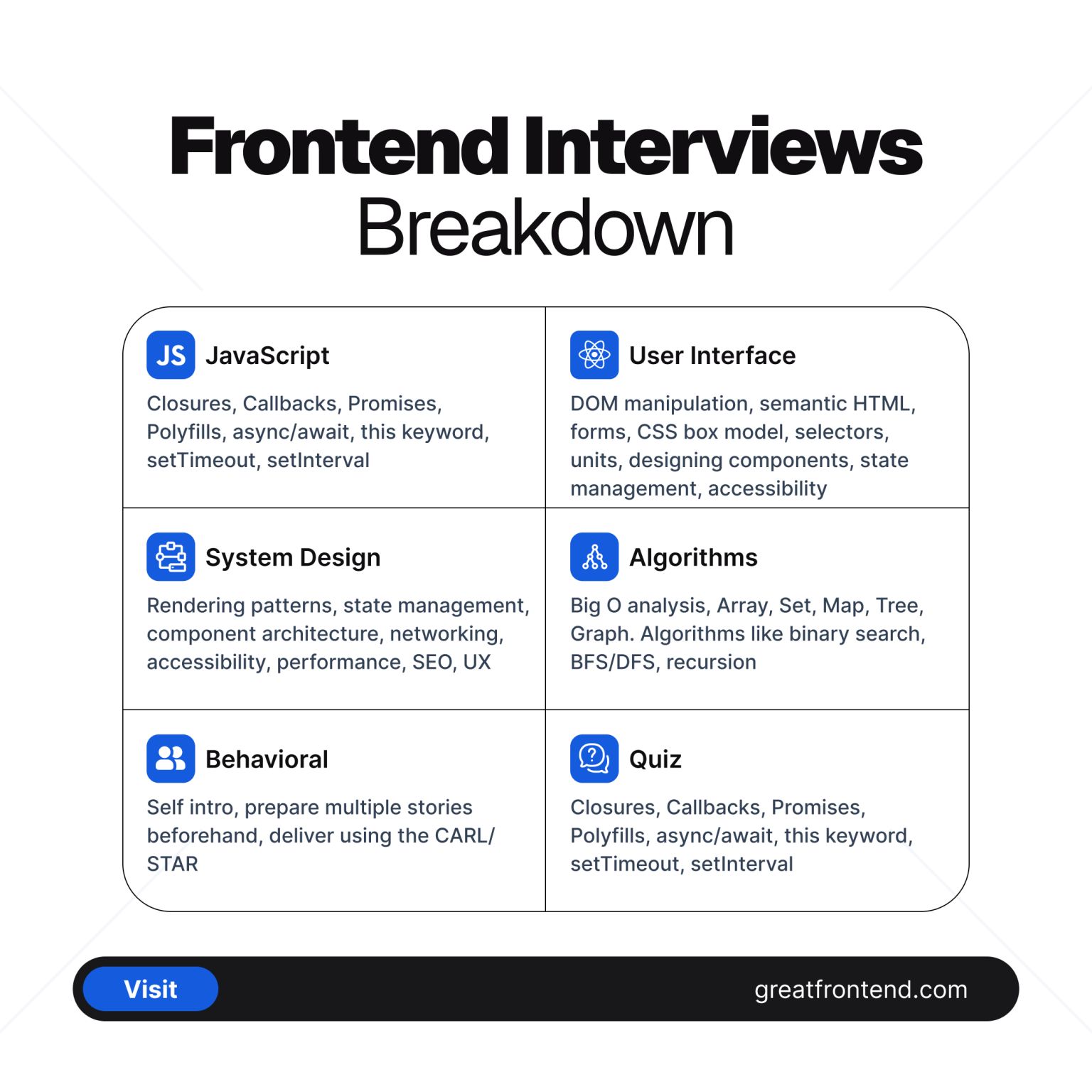
Frontend interviews can be overwhelming. Don't fret, GreatFrontEnd 75 to the rescue! These questions helped me pass Frontend Interviews at OpenAI, xAI, Meta, Google, Airbnb, Figma, Dropbox, and Lyft.…

Frontend engineer interviews can be broken down into the following: 👉 1. JavaScript coding interview You need to know: Closures, Callbacks, Promises, Polyfills, async/await, this keyword, setTimeou…

Many engineers are working on the wrong product. If you're a frontend engineer, work on products where the frontend is the product. If you're a backend engineer, same logic in reverse. Not all produ…
We reduced GreatFrontEnd's auth latency to 0ms. Here's how. 👇 The login flow used to take 300ms. We were frustrated, users were frustrated. So we asked ourselves: why are we sending passwords to…
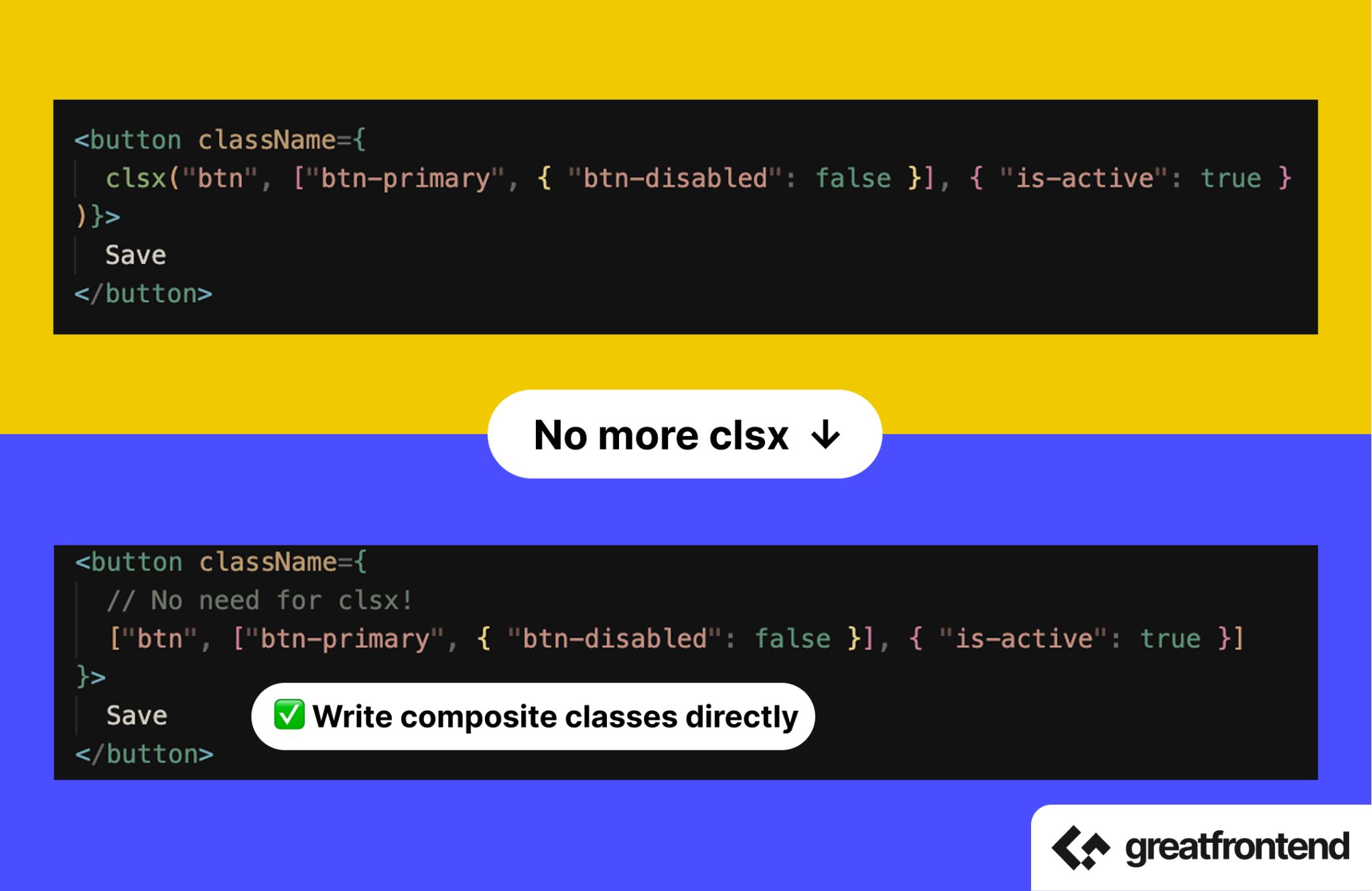
I'm sick of the way we write classes in React classnames(), clsx(), cn(), again and again, all over the code. So I built reclassify, a library that integrates these utils directly into JSX, so you c…

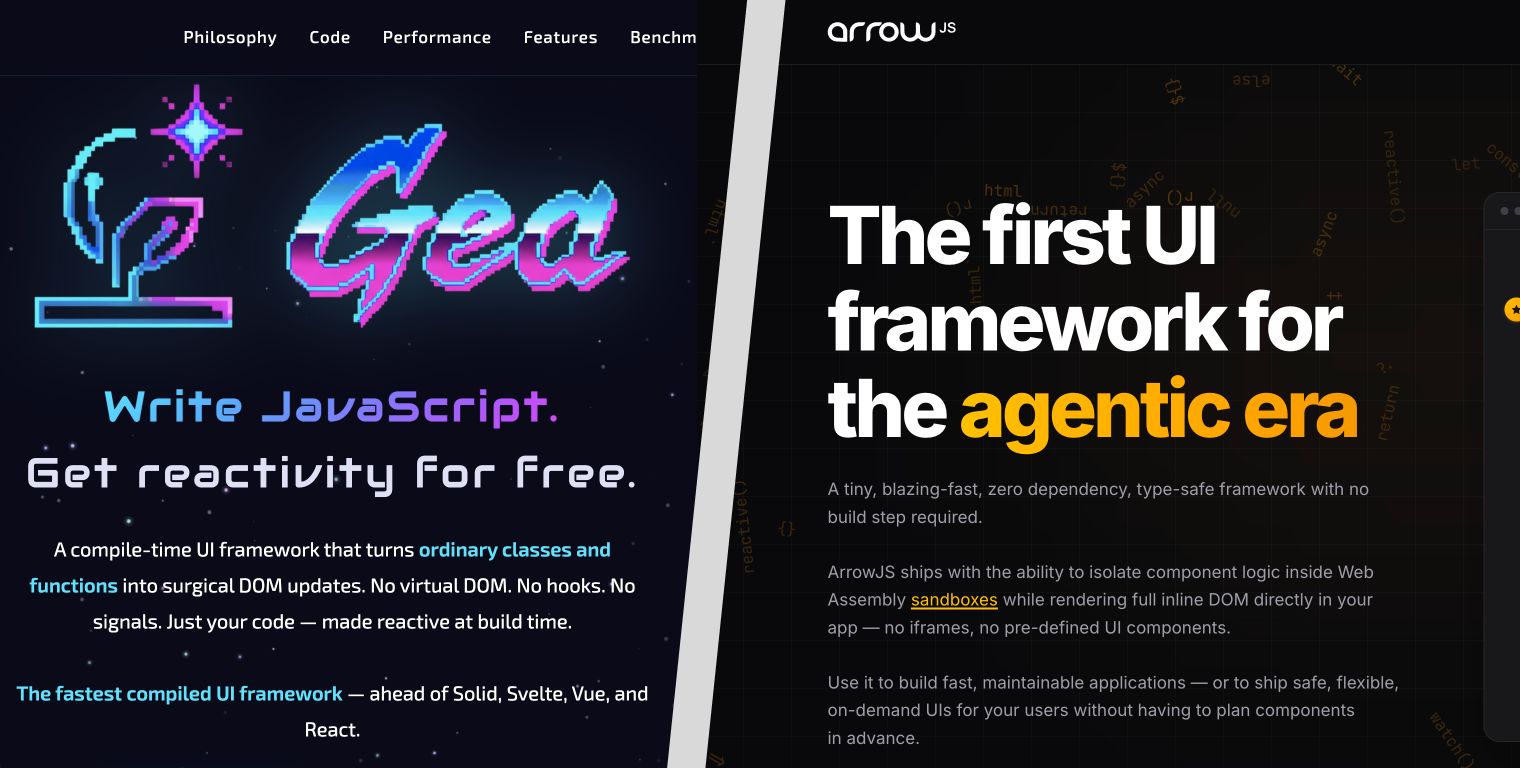
Another day, another new JavaScript framework. Except this time there's two! Gea.js and ArrowJS were both released recently. They share something in common — No signals, no hooks, no runes. Just Ja…

10.1 posts/week
Posts / Week
0.8 days
Days Between Posts
1
Total Posts Analyzed
HIGH
Posting Frequency
498.4%
Avg Engagement Rate
STABLE
Performance Trend
230
Avg Length (Words)
HIGH
Depth Level
ADVANCED
Expertise Level
0.82/10
Uniqueness Score
YES
Question Usage
0.2%
Response Rate
Writing style breakdown
The author writes with the voice of a seasoned, pragmatic software engineering leader who balances technical authority with a conversational, community-focused tone. The style is primarily professional-direct, punchy, and persuasive, often leaning into 'edutainment'—providing high-value technical insights wrapped in accessible, high-energy prose.
The writing is highly structured and methodical. It rarely feels spontaneous; instead, it feels engineered for maximum readability on professional social platforms (LinkedIn). It is 'direct' in its advice ('Go deep or go home') and 'persuasive' when promoting tools or mindsets. There is a subtle 'witty' or 'sarcastic' undertone when discussing industry trends, such as the rapid release of JavaScript frameworks or 'anti-practices' like frontend password checking.
The energy is high and fast-paced. The author uses short sentences and frequent line breaks to create a sense of momentum. It feels like a 'mentor' speaking to a 'junior,' offering shortcuts to success while maintaining a humble, 'builder' persona.
Rhetorical Questions: Used to pivot the narrative ('But have you heard of testing types?', 'Why does this matter?').
Direct Audience Engagement: Frequent use of 'you' to place the reader in the scenario.
Lists and Frameworks: Breaking complex topics into numbered points or '👉' bulleted lists.
Contrarian Hooks: Starting with a controversial or surprising statement to stop the scroll.
The author uses a mix of first-person ('I', 'We') to establish credibility and second-person ('You') to provide actionable advice. Suggestions are often framed as direct commands ('Practice JS questions here', 'Work on the product that needs you') rather than soft suggestions.
Sign in to unlock the full writing analysis
Nail your LinkedIn strategy with ViralBrain.
Analyze and write in Yangshun Tay's style. Grow your LinkedIn to the next level.