
Everything your business needs, all in one platform. 🔗Learn more about the platform at: https://lnkd.in/gZjAW7yj #Digital_Future_Pioneers

120121100 viral
Business Management4 months ago

LinkedIn Content Strategy & Writing Style
Cloud & AI Infrastructure Architect | GPUaaS | NVIDIA AI Stack | Cloud Security & Networking
0 people tracking this creator on ViralBrain
Taher positions himself as a technical authority at the intersection of AI infrastructure and high-performance hardware, specifically focusing on the NVIDIA ecosystem. His content strategy centers on demystifying the "black box" of deep learning by providing structured, educational deep-dives into GPU benchmarking, transformer architectures, and inference optimization. What makes him notable is his ability to translate abstract machine learning concepts into tangible hardware requirements, using analogies like delivery trucks and restaurant kitchens to explain VRAM bandwidth and neural layers. By bridging the gap between theoretical AI research and enterprise-grade deployment, Taher provides a unique value proposition for teams navigating the complexities of GPUaaS and large-scale model serving in the Saudi Arabian tech landscape.
1.5K
871
23
159
13
Everything your business needs, all in one platform. 🔗Learn more about the platform at: https://lnkd.in/gZjAW7yj #Digital_Future_Pioneers
I’m happy to share that I’ve obtained a new certification: Kubernetes for the Absolute Beginners - Hands-on Tutorial from KodeKloud!
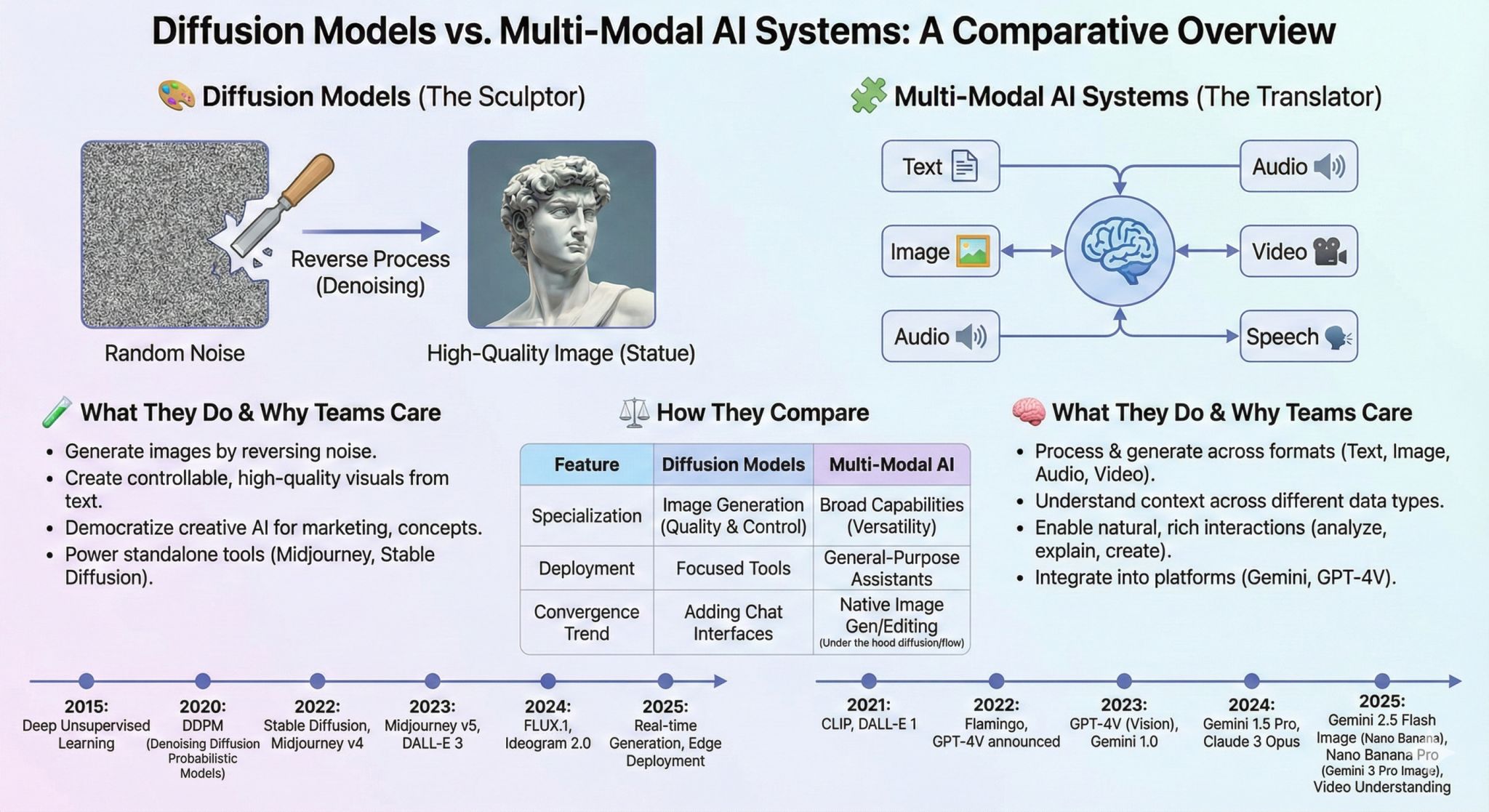
🎨 Diffusion Models vs. 🧩 Multi-Modal AI Systems --- Diffusion models are like an artist who starts with a messy pencil scribble and keeps erasing/refining it until a clear picture appears. Multim…
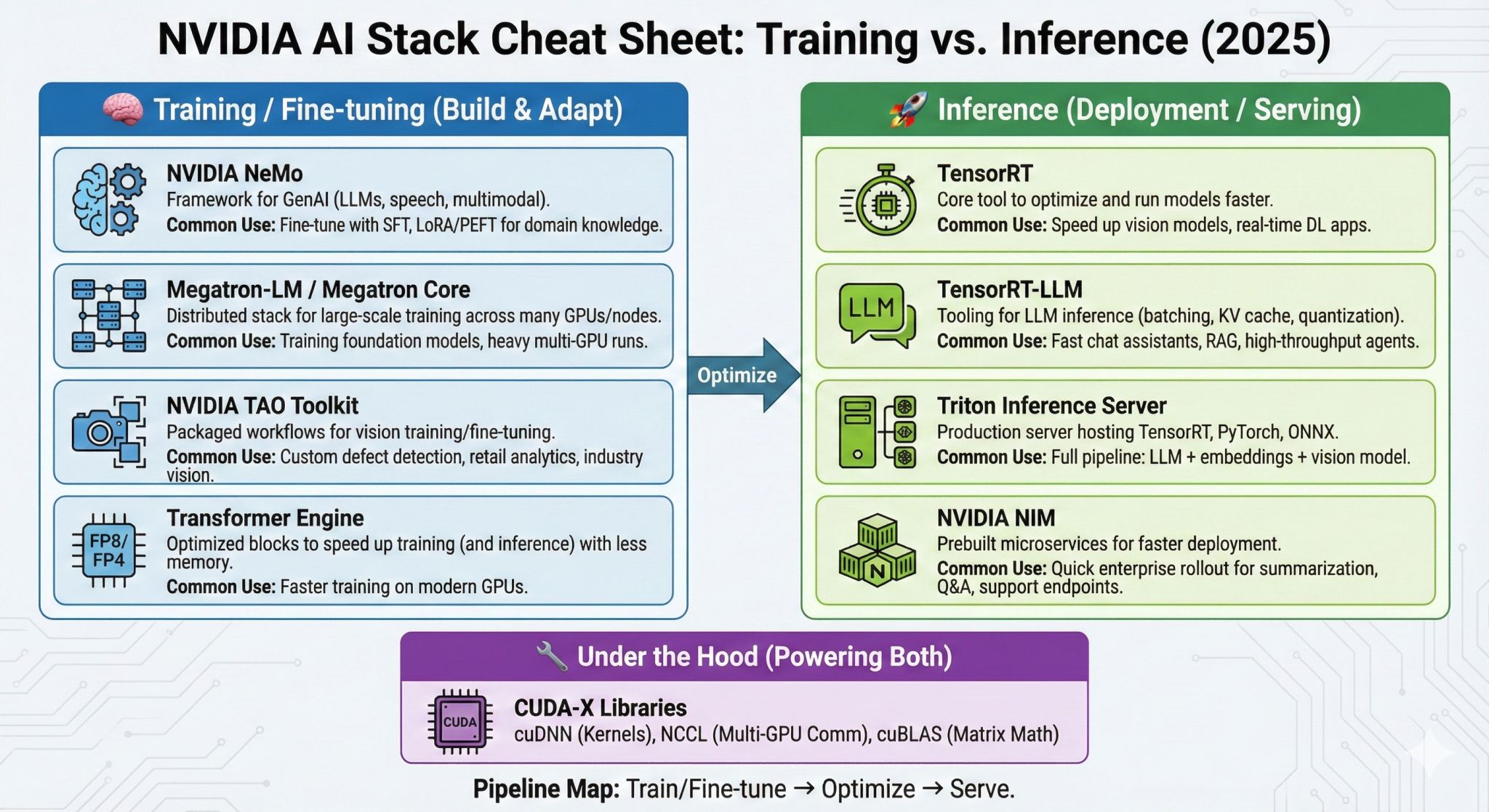
What’s the NVIDIA stack/frameworks for training/fine-tuning vs inference? So let us start with Training/Fine tuning 🧠 Training / Fine-tuning ================= 1) NVIDIA NeMo NVIDIA’s main framewo…
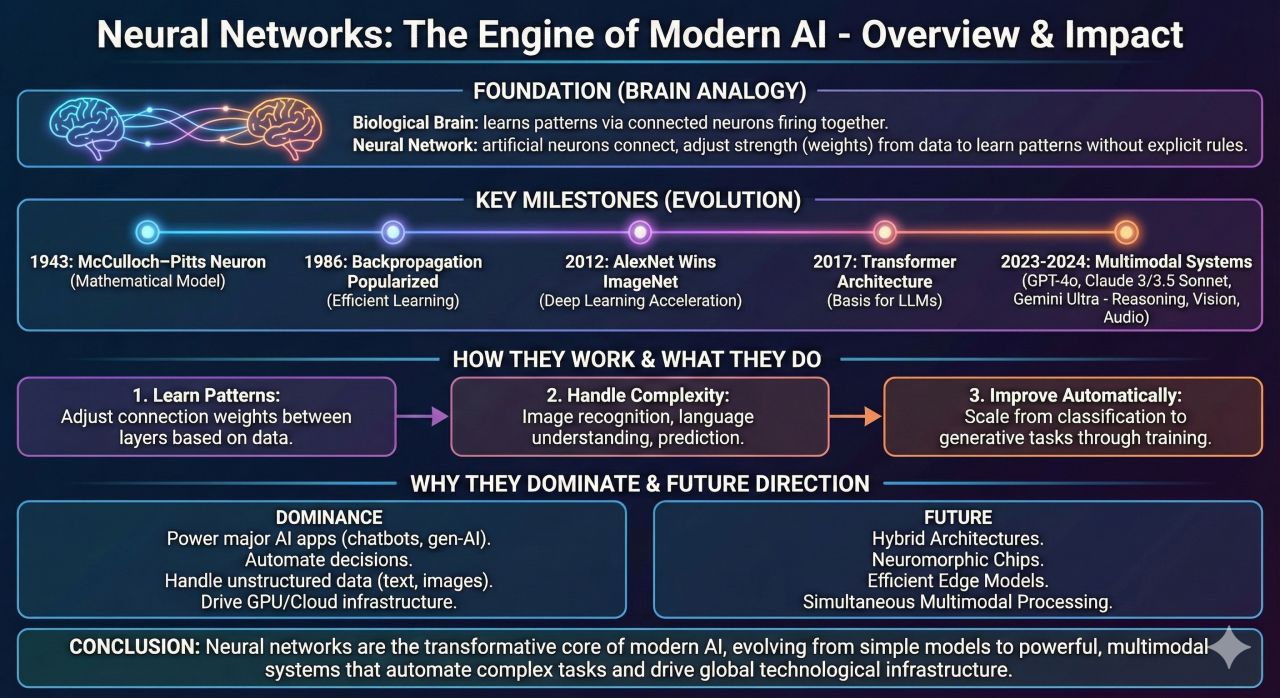
🧠 Neural Networks: The Foundation of Modern AI Neural Networks is the engine behind the current AI breakthroughs, 🧩 Think of it like this: Your brain learns patterns through connected neurons t…
🤖 What is the essence of Transformers? Since 2017 the game has changed, transformers were born, which is the engine behind the AI. Transformers changed everything—from translation to chatbots to co…

2.5 posts/week
Posts / Week
13
Total Posts Analyzed
MEDIUM
Posting Frequency
22.8%
Avg Engagement Rate
STABLE
Performance Trend
1200
Avg Length (Words)
HIGH
Depth Level
ADVANCED
Expertise Level
0.85/10
Uniqueness Score
YES
Question Usage
0.15%
Response Rate
Writing style breakdown
The author writes with a professional, educational, and highly structured voice, functioning as a technical bridge between complex AI concepts and business-level understanding. The style is 'Persuasive-Informative'—it seeks to educate the reader while subtly positioning the author (and their organization, SolutionsBySTC) as a thought leader in the Saudi Arabian AI infrastructure space.
CORE CHARACTERISTICS: The writing is methodical and 'encyclopedic-lite.' It follows a consistent template that mimics a technical briefing or a white paper condensed for social media. It is direct and authoritative, yet accessible through the use of analogies.
EMOTIONAL TONE: The tone is high-energy and optimistic regarding technology ('breakthroughs', 'game changed', 'accelerating'), but remains grounded in engineering reality. It feels like a 'guided tour' of the AI stack.
SIGNATURE TRAITS: The author heavily relies on the 'Analogy' as a pedagogical tool. Every complex topic (GPUs, MLPs, Transformers) is paired with a relatable comparison (delivery trucks, committees, restaurant kitchens). Rhetorical questions are used as hooks ('What is really happening inside...?').
ADDRESSING THE READER: The author uses a mix of first-person ('I', 'Let us') and second-person ('Think of it like...', 'You don't read...'). The second-person is used primarily for instructional analogies, while 'we/us' is used to create a sense of shared exploration. Direct commands are frequent in the instructional sections ('Think of...', 'Compare...', 'Let us check...').
Sign in to unlock the full writing analysis
Free tools to help you write, score, and benchmark in the same style.
Other creators worth studying alongside TAHER A. BAHASHWAN.

Paolo Perrone
No BS AI/ML Content | ML Engineer with a Plot Twist 🥷50M+ Views 📝
71 Viral Score
Jacqueline van den Ende
Mobilising capital to help solve climate change
166 Viral Score

Irene Rompa
Event moderator | Host | Dagvoorzitter | Mediator (Mfn registered) | Family constellation facilitator
351 Viral Score

Adam Grant
Organizational psychologist at Wharton, #1 NYT bestselling author of THINK AGAIN, host of the TED podcast Re:Thinking
26 Viral Score

Scot Chisholm
Operator & Investor • Founder of Classy (acq. by GoFundMe) • Building Highland, Just, Haskill Creek
26 Viral Score

Ian Tenenbaum
I help ADHD founders build their dream business without the constant doubt, overwhelm, analysis and rollercoaster of chaos.
93 Viral Score
ViralBrain plans, writes, and schedules your LinkedIn content, using official LinkedIn APIs so your account stays safe.
Write like TAHER A. BAHASHWAN.