
Life is too short to spend time with people who secretly hope you fail. You know exactly who they are. The ones who: - Ask about your promotion with fake concern - Share your mistakes but never your…
6.5K71677136 viral
Career Advice10 months ago

LinkedIn Content Strategy & Writing Style
Helping Newly Appointed Executives Succeed in Complex, High-Stakes Environments | First-Year Executive Transitions | ex-IBM | ex-PwC| F100 Advisor | CPCC
3 people tracking this creator on ViralBrain
Dora Vanourek positions herself as a human-centric executive advocate, bridging the gap between high-stakes corporate performance and the emotional intelligence required to sustain it. Her content strategy centers on the psychological nuances of leadership transitions, frequently using recurring angles like the "quiet strength" of introverts and the "suffocation" of micromanagement to advocate for psychological safety. She is notable for her ability to strip away corporate jargon, replacing it with a radical empathy for the individual that challenges traditional power dynamics and hiring practices. By blending her F100 advisory background with a focus on personal boundary-setting and growth protection, she creates a unique intersection where executive coaching meets mental well-being, helping leaders succeed without losing their humanity.
426.8K
29.3K
3.3K
7.0
97
1
Life is too short to spend time with people who secretly hope you fail. You know exactly who they are. The ones who: - Ask about your promotion with fake concern - Share your mistakes but never your…
We've built hiring systems that strip away humanity. Then we wonder why trust is broken from day one. It’s because we have normalized the unacceptable: ❌ Posting ghost jobs to signal growth → whil…

Most leaders get this backwards. They trap people with fear instead of leading them with care. Leadership isn't about control. It's about trust, respect, and empowerment. And about how leaders tre…
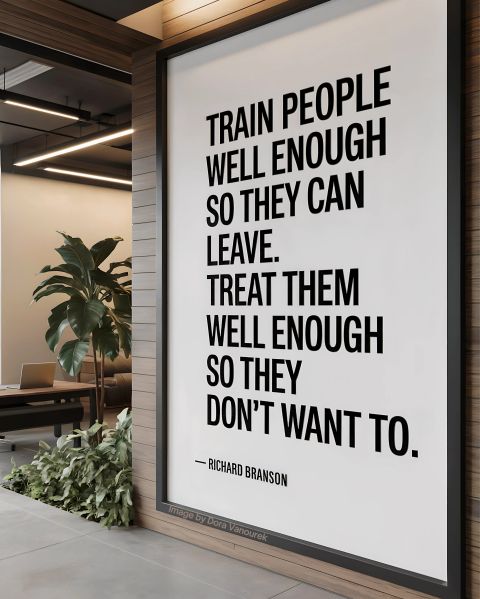
The most painful part of growth: The people closest to you will try to stop it. And the faster you grow, the more uncomfortable others become. You may notice this during the holidays: - The edge…

They called Oprah "unfit for TV." Fired Steve Jobs for being "uncontrollable." Told Walt Disney he "lacked imagination." We've all been asked to tone something down. Too loud. Too shy. Not enough.…

A micromanager is someone you pay to watch your best people walk away. I once worked for a leader who thought he was being "supportive." He called it alignment. But it felt like suffocation. The c…
7.0 posts/week
Posts / Week
1.1 days
Days Between Posts
1
Total Posts Analyzed
HIGH
Posting Frequency
5%
Avg Engagement Rate
STABLE
Performance Trend
250
Avg Length (Words)
HIGH
Depth Level
ADVANCED
Expertise Level
8/10
Uniqueness Score
YES
Question Usage
0.4%
Response Rate
Writing style breakdown
Professional yet conversational, designed for platforms like LinkedIn.
Coaching/mentorship tone with strong emotional intelligence.
Persuasive and motivational, but grounded in practical insight.
Very clear and structured; not rambling or overly poetic, but uses poetic devices selectively for impact.
Semi-formal: polished and professional, but warm and human.
Uses contractions (“don’t,” “can’t,” “it’s”) to feel natural.
Avoids slang except very light, work-adjacent terms (“reqs,” “ghosting,” “not the right fit”).
Empathetic, validating, and encouraging.
Medium-to-high emotional energy, but calm and steady rather than hyped.
Often acknowledges pain, struggle, or injustice first, then moves toward hope and agency.
Feels like a wise mentor writing directly to a thoughtful professional.
Most people… But…
It’s not X. It’s Y.
The headwind wasn’t holding you back. It was the only way to make progress.
What if this is their superpower?
The real question isn’t ‘How do we fix them?’ It’s ‘How can they thrive?’
Accessible (airplane, storm, wind, superpower, circle, lift).
Tied to emotional reframe (headwind → lift, ‘weakness’ → superpower).
Short vignettes (the doodling boy, the micromanager boss, difficult year).
Often in first person when building credibility (“I once worked for…”, “I know because I’ve been there.”).
Posts almost always resolve into an empowering insight or directive.
Addresses shared experiences: “We’ve all been asked to tone something down.”
Explicit second-person focus: “You know exactly who they are.” / “Your quiet strength has more impact than you realize.”
Primary: second person (“you”) for advice, empathy, and calls to self-reflection.
Secondary: first person singular (“I”) for credibility and vulnerability.
Occasional inclusive “we” to build a sense of shared struggle and shared responsibility.
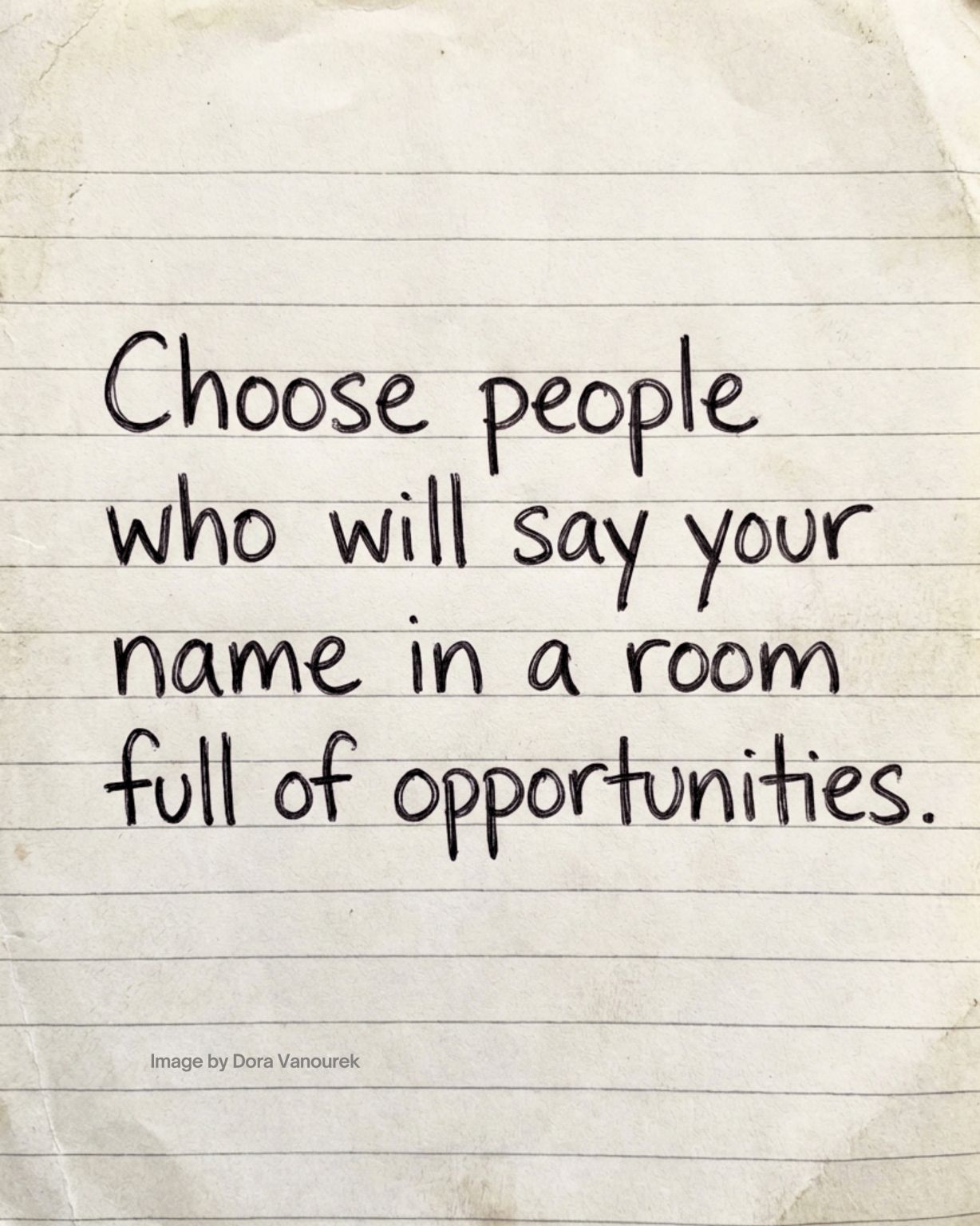
Direct: “Stop making excuses…”, “Choose people who…”
Softer: “Consider…”, “What if this is their superpower?”, “The next time you see…”
Sign in to unlock the full writing analysis
Free tools to help you write, score, and benchmark in the same style.
Other creators worth studying alongside Dora Vanourek.

John Barrows
Helping sales leaders replace or rebuild their teams for the AI era | Founder, JB Sales | 3x LinkedIn Top Voice
3 Viral Score

Philip Johnston
Co-Founder & CEO @ Starcloud
10 Viral Score

Louis Butterfield
YouTube Loading [██████░░░░] 60% | Check my featured to steal my YouTube Launch secrets for free
337 Viral Score

Shane Spencer
Vibe coding @ Lovable | Building AI automation & custom software that modernize legacy systems for SMB, HVAC and other service bussiness, saving businesses hours of time a day.
234 Viral Score

Pranav Pathak
Product Director, AI & ML @Booking.com | AI, strategy, product, and real P&Ls.
63 Viral Score

adit patil
building hacker houses :)
933 Viral Score
ViralBrain plans, writes, and schedules your LinkedIn content, using official LinkedIn APIs so your account stays safe.
Write like Dora Vanourek.