
Green heroes. I need help. Advise? Guidance? Last week, Anthropic announced they're leasing all of the data center capacity at xAI's Colossus facility. xAI is powering this massive facility by oper…

950279104100 viral
Sustainable AI5 months ago

LinkedIn Content Strategy & Writing Style
0 people tracking this creator on ViralBrain
She positions herself as a human-centered AI strategist for mission-driven organizations, helping nonprofits move beyond hype, fear, and passive adoption toward meaningful agency. Her content centers on responsible implementation, AI literacy, governance, bias, safeguards, and the often-overlooked human decisions embedded in tools and workflows, translating these concerns into practical resources like *Ground Your AI Guidelines*. What distinguishes her is the way she connects individual practice to institutional accountability and democratic power, challenging narratives that turn corporate choices into technological destiny. Her work sits at an especially compelling intersection of consulting, research, education, and advocacy, pairing concrete implementation advice with sharp critique of AI’s political and social consequences.
2.2K
1.3K
98
557
14
Green heroes. I need help. Advise? Guidance? Last week, Anthropic announced they're leasing all of the data center capacity at xAI's Colossus facility. xAI is powering this massive facility by oper…
Has anyone noticed which AI dissenters get given the microphone and a media platform? Hmmm. 👀 Geoffrey Hinton: warns that AI could become superintelligent and threaten humanity. → Global media tou…
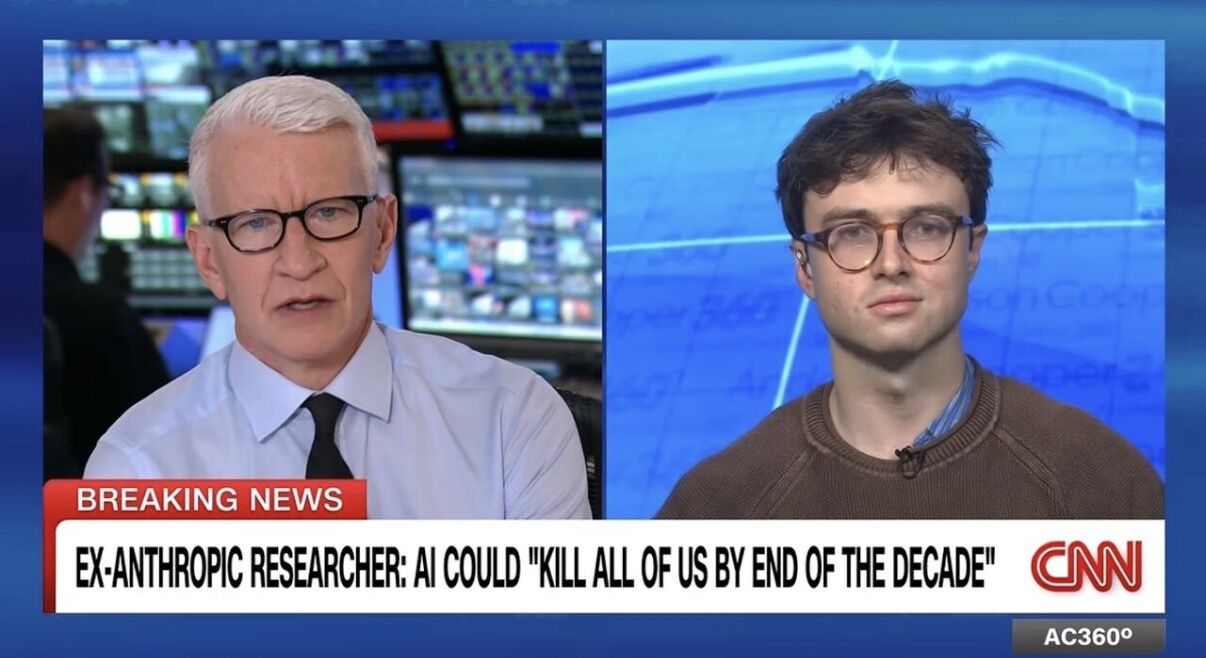
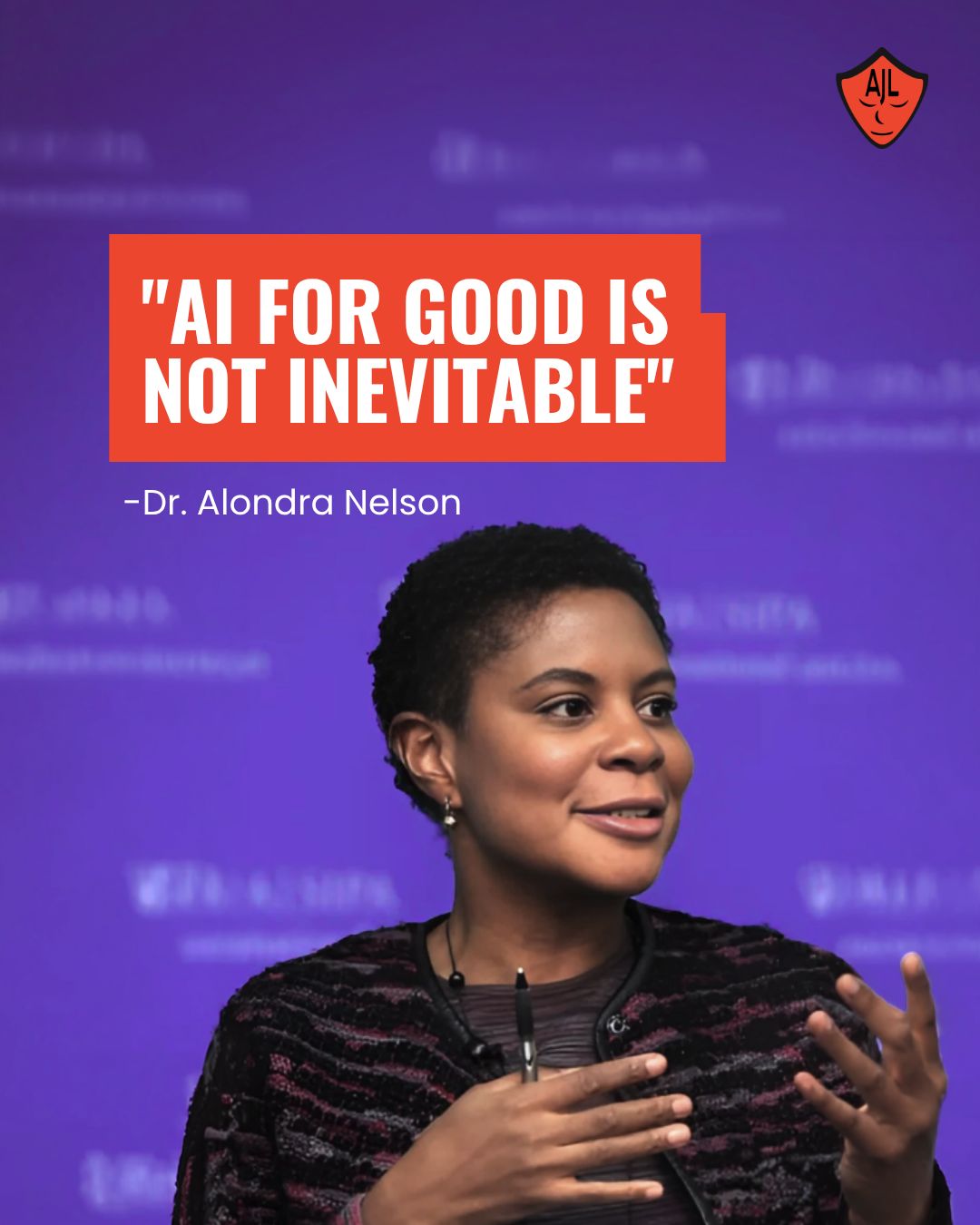
“AI for good is not inevitable. AI for good can only be stewarded by the way that we structure them in systems, the way that developers use them, the way that we build guardrails and laws around them.…
UPDATING THIS POST to add this article, which is such a thorough and well-thought-out exploration of the larger risks. Thank you, Soribel F. for tagging me! And thank you, Elijah Appelson, for writing…
Advanced AI could lead to an extreme concentration of power in the coming years. We think this may be one of the world’s most important and neglected problems, and this week we’re launching a request…
Great news. You can be excited about AI and still question the massive natural resource consumption and carbon emissions of current data center expansion. It’s is 💯 possible to expand genAI solution…

1.5 posts/week
Posts / Week
14
Total Posts Analyzed
MEDIUM
Posting Frequency
97.9%
Avg Engagement Rate
STABLE
Performance Trend
1300
Avg Length (Words)
HIGH
Depth Level
ADVANCED
Expertise Level
92/10
Uniqueness Score
YES
Question Usage
0%
Response Rate
Writing style breakdown
<start of post>
A lot of AI guidance starts with the tool.
Which model should we use? What can we automate? What prompt will get us the best result?
Those are not bad questions. But they are usually not the first questions.
The first question is: what are we actually trying to make easier, better, more accessible, or more human?
Because if we start with the tool, we can end up designing our work around whatever the tool happens to make possible. And that is a strange way to make decisions about mission, staff capacity, community trust, or the people who will live with the consequences of those decisions.
This is especially true for small and midsize organizations. You may not have a full-time technology team. You may be working across programs, fundraising, communications, operations, and direct service with the same five people in every conversation. You may be trying to make thoughtful decisions while also answering emails, meeting with partners, and keeping the actual work moving.
So the goal cannot simply be “use AI more.”
The goal has to be: build enough understanding and enough shared practice that your organization can decide where these tools belong, where they do not belong, and what human judgment needs to remain in the room.
That might mean starting with a low-risk administrative task.
It might mean testing a tool with fictional or public information before bringing any sensitive data into the workflow.
It might mean creating a simple review practice so that no AI-generated output moves directly to a client, donor, community member, or decision-maker without someone checking it.
And it might mean deciding that a particular use case is not worth the tradeoff. That is also a responsible outcome.
I think we sometimes talk about AI literacy as if it is just the ability to write a good prompt. But literacy also means understanding what the system is doing, what it is not doing, what assumptions are built into the workflow, and where the real decision power sits.
Who gets to decide?
Who gets to question the output?
Who gets to say, “This is not working for the people we serve”?
Those are governance questions, even if they never appear in a formal policy.
And honestly, this is why I am less interested in whether an organization has an AI policy than I am in whether people have a way to talk about the choices underneath it.
What information can be used?
What needs consent?
What gets reviewed?
Who is accountable when something goes wrong?
What will the organization do with the time or capacity it hopes to gain?
That last question matters most to me. If AI gives us back time, focus, energy, or capacity, we need to be intentional about where those resources go. Otherwise, efficiency just becomes another way to ask already-stretched people to produce more.
So yes, learn the tools.
But also learn your own values, your own constraints, your own people, and your own responsibilities.
That is where the real work starts.
If your organization is beginning this conversation, I made a free guide with 10 grounding questions and concrete next steps. It is designed to help you get started without pretending that one template can answer every question for every mission-driven organization.
You can find it here: https://example.org/ground-your-ai-guidelines
And if you are already having these conversations, I would love to hear what questions are coming up for you.
<end of post>
Sign in to unlock the full writing analysis
Free tools to help you write, score, and benchmark in the same style.
Other creators worth studying alongside .

Koen Stam
Leading International @Personio | Building community @Pavilion | Architecting Growth @Winning By Design | Showing revenue teams what’s next @GTM OS
58 Viral Score

38 Viral Score

Kevin "KD" Dorsey
CRO - Founder of Sales Leadership Accelerator - The #1 Sales Leadership Community & Coaching Program to Transform your Team and Build $100M+ Revenue Orgs - Black Hat Aficionado - #TFOMSL
33 Viral Score

Frank Ramos
Best Lawyers - Lawyer of the Year - Personal Injury Litigation - Defendants - Miami - 2025 and Product Liability Defense - Miami - 2020, 2023 🔹 Trial Lawyer 🔹 Commercial 🔹 Products 🔹 Catastrophic Personal Injury🔹AI
21 Viral Score

13 Viral Score

Alex Su
Chief Revenue Officer at Latitude // Stanford Law Fellow
38 Viral Score
ViralBrain plans, writes, and schedules your LinkedIn content, using official LinkedIn APIs so your account stays safe.
Write like this creator.