
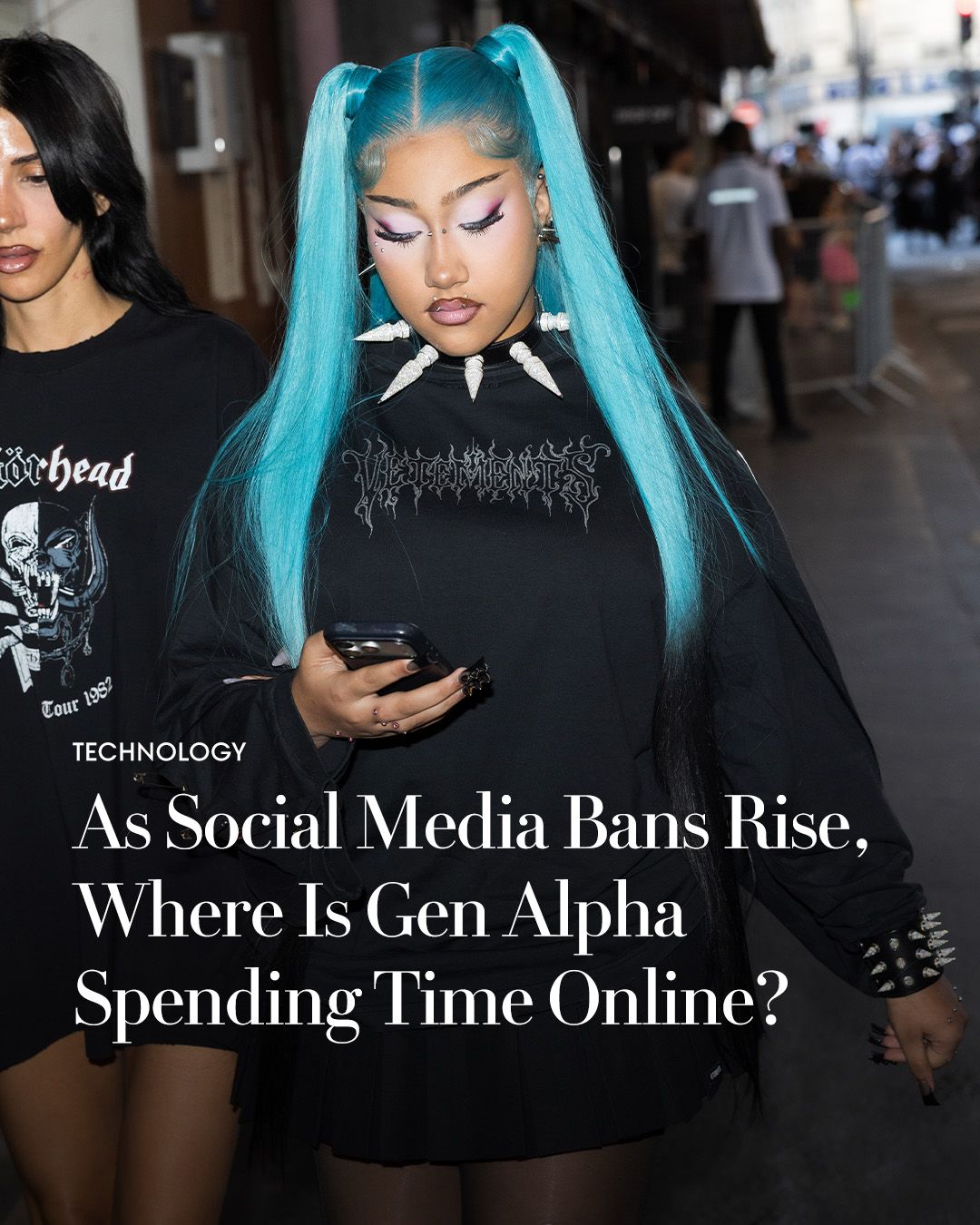
Yesterday, it was announced that France will become the first EU country to ban social media access for under-15s, including platforms like TikTok. This follows recent measures from both the UK and Au…
190191117 viral
Legal & Compliance3 months ago

LinkedIn Content Strategy & Writing Style
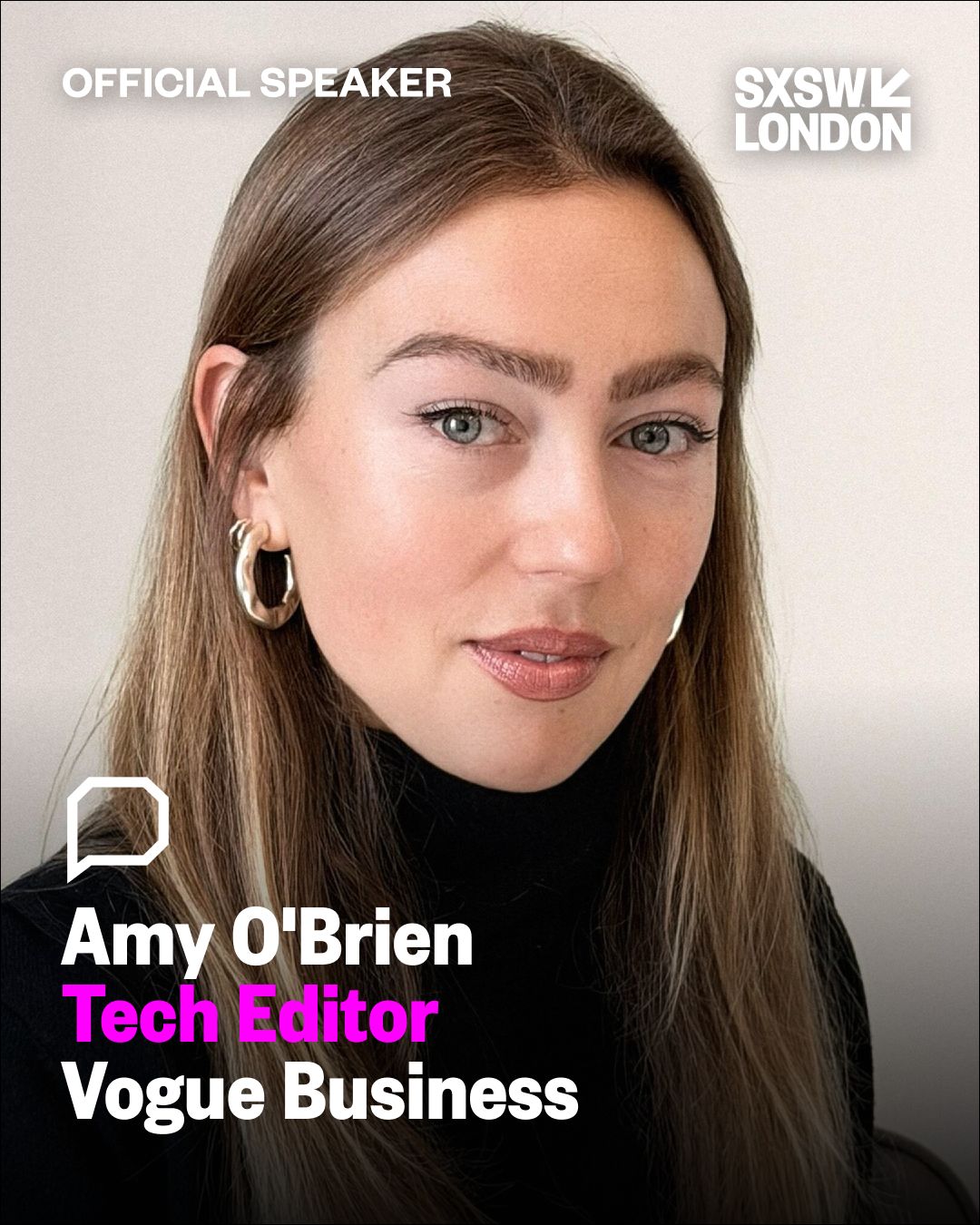
Tech Editor at Vogue Business
0 people tracking this creator on ViralBrain
Amy O’Brien positions herself as a sharp interpreter of technology’s cultural and commercial impact, bringing Vogue Business authority to fast-moving stories in AI, wearables, social media and longevity. Her content combines on-the-ground reporting, executive interviews and data-led analysis, consistently asking how emerging products reshape trust, creativity, consumer behavior and brand strategy. She is particularly distinctive in connecting technical launches to fashion’s lived realities, from Muse’s implications for commerce to smart glasses’ surveillance backlash and Oura’s transformation from tracker to lifestyle status object. Her strongest intersection is technology meets culture and luxury, with journalism that serves both curious consumers and industry decision-makers.
20.8K
1.5K
66
36
20
Yesterday, it was announced that France will become the first EU country to ban social media access for under-15s, including platforms like TikTok. This follows recent measures from both the UK and Au…
When the owners of MySpace recently revealed they're planning to revive the platform, it sparked a wave of nostalgia online. But the reaction felt deeper than another Y2K revival. It reflected a grow…
The business of longevity takes up a large part of my coverage these days, so I'm looking forward to sitting down with Neko Health CEO Hjalmar Nilsonne next month at SXSW London. We'll be digging int…
NEW: This week I wrote about something I've felt for a while: we're in a crisis of meaning. It's surfacing in creative culture first. AI has made image production limitless, allowing anyone to cre…
NEW: As longevity becomes the new luxury marker for high-net-worth individuals, consumers are choosing to spend hundreds of thousands of dollars on clinical grade full-body scans that provide health…
NEW: I’ve spent the last few months charting the various ways our relationship with social media is changing. Influencers are burning out, consumers are craving real-world connection, and virality doe…
2.0 posts/week
Posts / Week
20
Total Posts Analyzed
MEDIUM
Posting Frequency
66.2%
Avg Engagement Rate
STABLE
Performance Trend
350
Avg Length (Words)
HIGH
Depth Level
ADVANCED
Expertise Level
91/10
Uniqueness Score
YES
Question Usage
0%
Response Rate
Writing style breakdown
The author’s voice is professional, journalistic, analytical and highly contemporary, but it is not stiff or institutionally formal. It combines the authority of a specialist reporter with the accessibility of a social-media writer who understands how to create immediate curiosity. The posts read like compact editorial dispatches: each one identifies a timely development, places it in a broader cultural or commercial context, and ends by directing the reader toward a longer article, report, interview or event.
The dominant mode is informative with a persuasive undertone. The author rarely tells the reader what to think directly. Instead, they arrange facts, quotations, tensions and implications so that the significance of the topic becomes apparent. This creates an investigative voice rather than a promotional one. Even when announcing their own work, the author frames it as a response to a meaningful question: “So why is Big Tech doing this?”, “Can Meta overcome that trust deficit?”, “So, will they sell?” and “Is it possible we're falling out of love with social media?”
The tone is confident but not overbearing. First-person statements establish access and credibility: “I flew to LA to try them on Tuesday”, “I had a front seat at Mark Zuckerberg's keynote”, “I sat down with Obrist”, and “I spent some time digging through it this weekend.” The first person is used as evidence of proximity, not as an invitation to personal confession. The author’s presence validates the reporting while keeping the subject itself central.
The emotional energy is moderate to high. Openings are brisk and news-led, often beginning with “NEW:” or “EXCL:”. The posts generate momentum through a succession of factual developments, but they are not breathless. The prose pauses to interpret the implications of each event. The author is particularly interested in tensions: innovation versus privacy, convenience versus trust, technology versus culture, hardware versus software, aspiration versus exclusivity, and growth versus backlash.
The writing frequently uses contrastive framing. Examples include “tech product first, accessory second”, “beyond hardware to a holistic, software-powered offering”, and the opposition between “cute, unthreatening companions” and “unnervingly advanced bots”. The author also uses compact cultural labels such as “kawaii-coded wrapping”, “tamagotchi-style”, “tech-bro obsession” and “fashion whisperer”. These expressions make complex industries legible without flattening them.
Rhetorical questions are a major signature. They usually appear near the end of the post, after the author has supplied enough evidence for the question to feel earned. They are open-ended but strategically shaped: “What will creator codification look like?”, “What could Muse mean for fashion brands, affiliate marketing, and creators if it does?” and “So, will they sell?” The reader is positioned as an intelligent observer being invited into the unresolved next step.
The author addresses the reader indirectly rather than through frequent “you” language. There are occasional second-person formulations, such as “anyone watching the longevity boom”, but the dominant relationship is editorial: the author reports, interprets and offers the reader access to further material. Commands are softened. “Read the full report”, “Link to register in the comments!” and “Sharing the link to the report and the webinar in comments below!” are direct but conventional, not aggressive.
Sign in to unlock the full writing analysis
Free tools to help you write, score, and benchmark in the same style.
Other creators worth studying alongside Amy O'Brien.

Louis Butterfield
YouTube Loading [██████░░░░] 60% | Check my featured to steal my YouTube Launch secrets for free
337 Viral Score

Shane Spencer
Vibe coding @ Lovable | Building AI automation & custom software that modernize legacy systems for SMB, HVAC and other service bussiness, saving businesses hours of time a day.
234 Viral Score

Pranav Pathak
Product Director, AI & ML @Booking.com | AI, strategy, product, and real P&Ls.
63 Viral Score

adit patil
building hacker houses :)
933 Viral Score

Mikelle Pellum
YouTube Host | Empowering FASHION CREATIVES to become DIGITAL ARTISANS through fashion tech & business mastery
52 Viral Score

Amit Rawal
Google Applied AI Director | Former Apple AI/ML Product Leader | Stanford | AI Educator & Keynote Speaker
151 Viral Score
ViralBrain plans, writes, and schedules your LinkedIn content, using official LinkedIn APIs so your account stays safe.
Write like Amy O'Brien.