
I often can't really wink or whistle when I wake up in the morning. Most people don't doubt if their face is working, but it's an unfortunate side effect of having myasthenia gravis (MG). MG is call…

32553223 viral
Health & Wellness3 months ago

LinkedIn Content Strategy & Writing Style
Building AI fluency and accelerating cross-functional decisions | Defining the Chief of Work via The Workline | Leading organizational effectiveness and employee experience | ex-McKinsey, WeWork, JLL, Credit Suisse
0 people tracking this creator on ViralBrain
Phil Kirschner positions himself as the architect of the "Chief of Work" persona, acting as a high-level translator between the siloed worlds of corporate real estate, HR, and technology. His content strategy centers on the friction inherent in modern organizational structures, using the metaphor of "The Workline" to explore how AI fluency and cross-functional design can heal fragmented employee experiences. He distinguishes himself by blending McKinsey-level strategic rigor with a vulnerable, human-centric lens, moving effortlessly from analyzing the NYC skyline to discussing maternal mental health or the "trauma" of corporate misfits. This unique intersection of physical workplace strategy and digital transformation allows him to frame AI not just as a tool, but as the "hydrochloric acid" currently dissolving traditional departmental boundaries.
24.7K
9.7K
39
19
20
I often can't really wink or whistle when I wake up in the morning. Most people don't doubt if their face is working, but it's an unfortunate side effect of having myasthenia gravis (MG). MG is call…
Years ago, my former colleague Kim Lancer introduced herself to a room full of Toastmasters International club members, saying she was from "Perth, the most remote city in the world." I am a born-and…

Hospitality. Change management. Real estate. AI. Four talks at three events in three days. So busy that Lola is going to her grandparents' house. 🐶 Tuesday I'm at the Society For Hospitality and Fo…

Ask anyone who has worked with (or is related to) me, and they'll tell you I'm often a first point of contact for technical support and trying new tools. And I love being that person for my friends.…
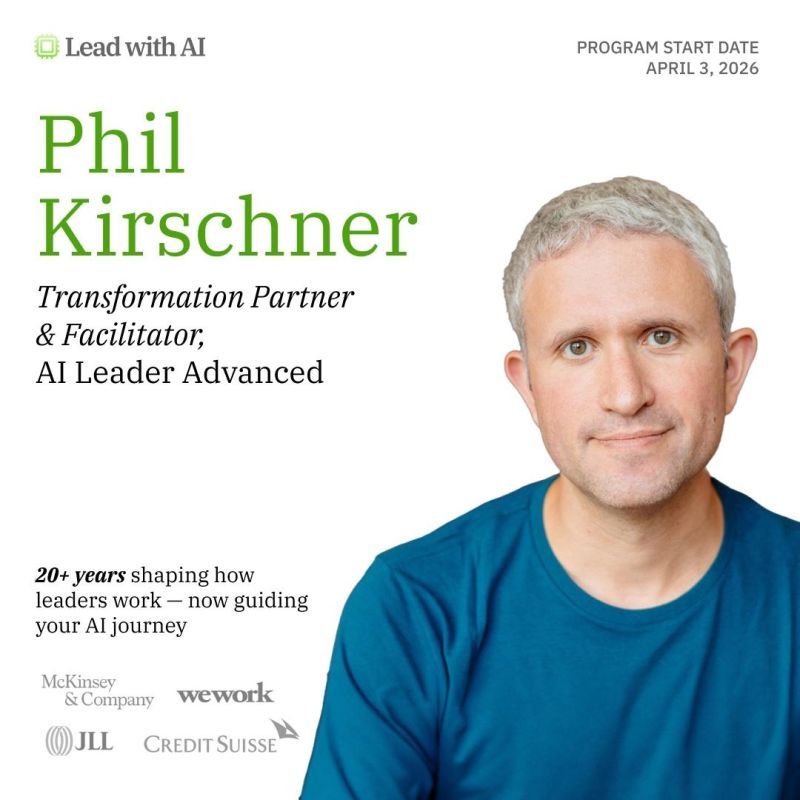
Most Chief of Work roles emerge from HR, CRE, or IT. But Michael Powers is building one from Internal Communications at Klaviyo. Michael's own line for the job: "Make it easier, and more fun, for peo…
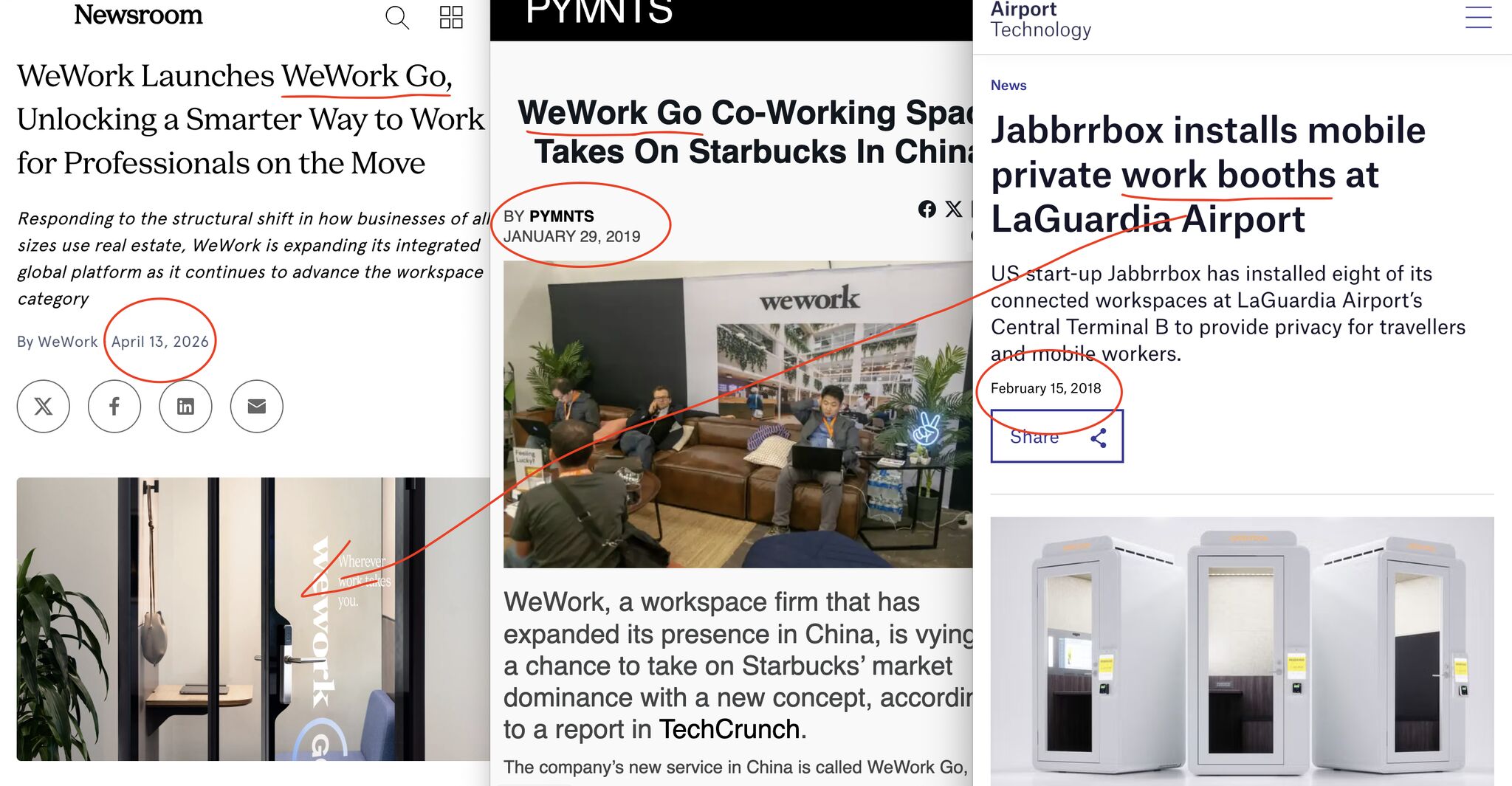
As my wife says often to our kids: "two things can be true." And I've got a pair of those feelings about today's #WeWork announcement. Earlier today, WeWork (where I worked 2017-2020 launched WeWork…
2.5 posts/week
Posts / Week
20
Total Posts Analyzed
MEDIUM
Posting Frequency
39.3%
Avg Engagement Rate
STABLE
Performance Trend
185
Avg Length (Words)
HIGH
Depth Level
ADVANCED
Expertise Level
0.85/10
Uniqueness Score
YES
Question Usage
0.75%
Response Rate
Writing style breakdown
<start of post>
I spent the morning talking to a group of senior leaders about the "invisible tax" of poorly designed hybrid work policies.
It wasn't a scheduled keynote or a formal workshop. It was just a coffee that turned into a deep dive because someone asked: "Why does everyone feel so tired even when they aren't traveling?"
And that's where the concept of "cognitive switching" comes in.
We've spent three years obsessing over where people sit. We've spent almost zero time talking about the mental load of navigating the friction between the digital and physical worlds.
Sign in to unlock the full writing analysis
Free tools to help you write, score, and benchmark in the same style.
Other creators worth studying alongside Phil Kirschner.

Pierre-Eliott Lallemant
Co-Founder & CEO at GojiberryAI (YC P26) - We build AI Agents that find and book meetings with your next customers

Arianna Huffington
Founder and CEO at Thrive Global | Passionate about Health and AI

Gérôme Grignon
Angular Can I Use creator | Frontend Software Engineer @Lucca | Angular Devs France Founder

Imran M.
Investing @ Alif | Co-Founder @ Kayyo

Ankur Nagpal 💰
GP @ USVC. Founder of Carry (sold to Angellist) and Teachable (sold to Hotmart).

Steven Phuc
Software Developer
ViralBrain plans, writes, and schedules your LinkedIn content, using official LinkedIn APIs so your account stays safe.
Write like Phil Kirschner.