
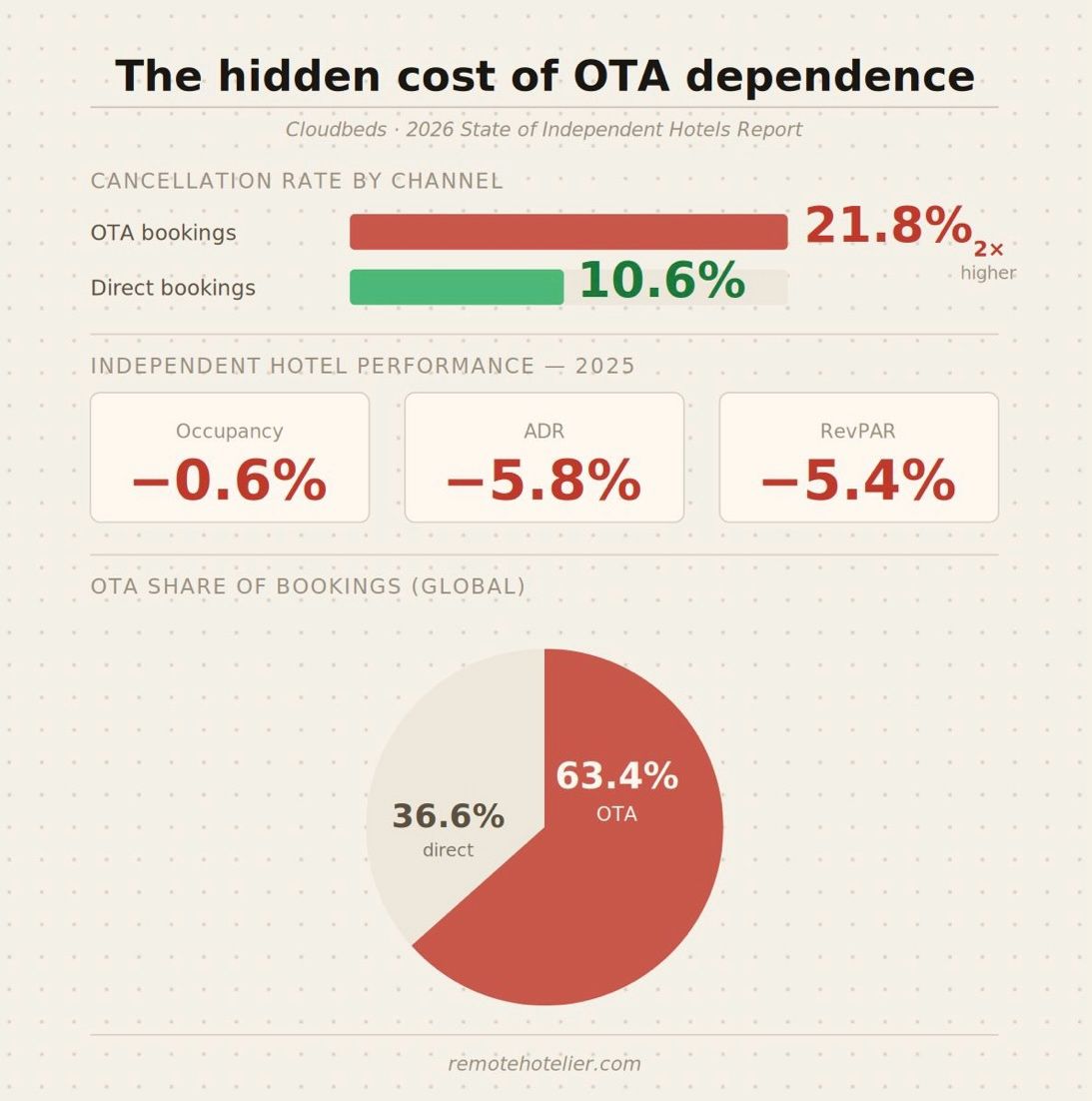
The NOT so hidden cost of OTA dependence A recent study by Cloudbeds “2026 State of Independent Hotels Report”, based on their 30,000 plus hotel clients, confirmed a very worrisome trend: cancellatio…
74206
Hospitality Management6 months ago
LinkedIn Content Strategy & Writing Style
Hospitality & Travel Technologist and Digital Strategist
1 person tracking this creator on ViralBrain
Max Starkov positions himself as a high-level architect of hospitality distribution, serving as a bridge between legacy hotel operations and the rapidly evolving frontier of generative technology. His content strategy centers on providing a pragmatic, data-driven roadmap for the "AI-first hotel," moving beyond hype to offer specific technical imperatives like Answer Engine Optimization (AEO) and the integration of B2B AI connectors. What makes Max notable is his ability to synthesize complex market shifts- such as Uber’s expansion into bookings or Google’s resilient search dominance- into actionable defense strategies for direct hotel revenue. He excels at the intersection of technical advisory and industry advocacy, championing independent hotels while demystifying the sophisticated B2B maneuvers of global aggregators like Expedia.
0
0
33
1.6
3
The NOT so hidden cost of OTA dependence A recent study by Cloudbeds “2026 State of Independent Hotels Report”, based on their 30,000 plus hotel clients, confirmed a very worrisome trend: cancellatio…
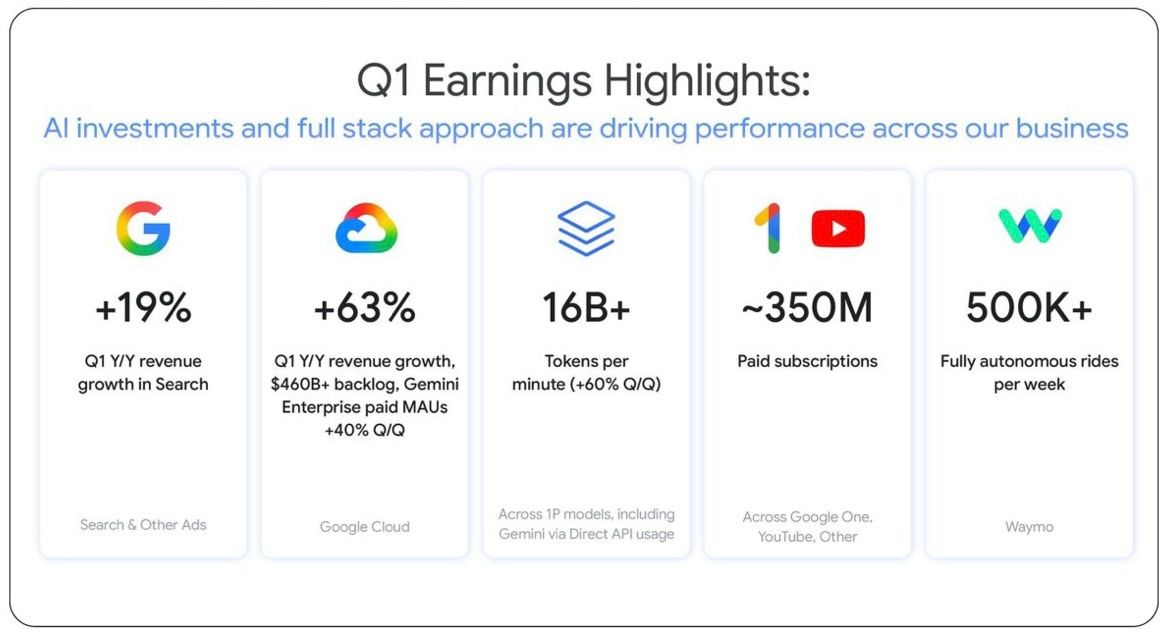
Google is NOT going anywhere! Google’s Q1 2026 results are in and they tell a compelling story: Google is not going anywhere, on the contrary! * Revenue grew in Q1 and reached $109B, an 22% increase…
Will AI Search benefit the direct online channel or the OTAs? This was the timely question Hospitality Net asked its World Panel of digital marketing experts. There have been a lot of buzz lately a…

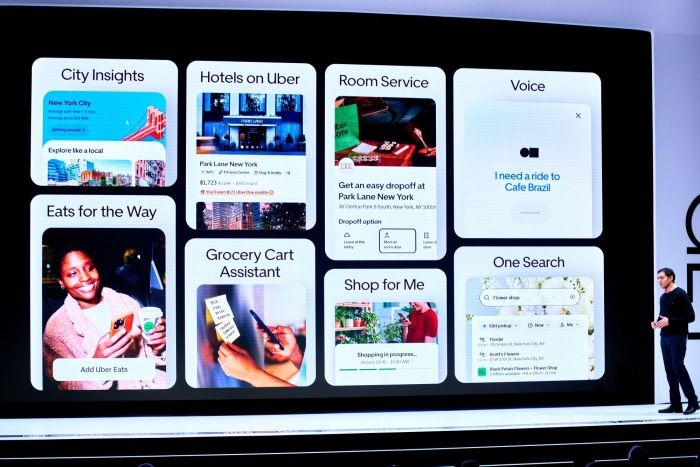
Is Uber expanding into hotel bookings good or bad for the industry? Hospitality Net asked its World Panel of distribution and revenue management experts this very pertinent question. Uber just annou…
Are AI connectors the panacea for the seamless customer journey? This is the question Hospitality Net asked its World Panel of technology experts. AI connectors are “digital bridges” linking AI pla…

What will be the impact of Agentic AI in hospitality: significant as the Internet or as insignificant as blockchain and the metaverse? This was the question I asked Hospitality Net’s World Panel of t…

1.6 posts/week
Posts / Week
5.5 days
Days Between Posts
3
Total Posts Analyzed
MEDIUM
Posting Frequency
32.6%
Avg Engagement Rate
STABLE
Performance Trend
1850
Avg Length (Words)
HIGH
Depth Level
ADVANCED
Expertise Level
0.85/10
Uniqueness Score
YES
Question Usage
0.8%
Response Rate
Writing style breakdown
<start of post>
Is the death of the third-party cookie actually a blessing for hoteliers?
This is the question Hospitality Net asked its World Panel of distribution experts this week.
For years, the industry has relied on third-party data to track travelers across the web. With Google finally moving forward with Privacy Sandbox and the deprecation of cookies in Chrome, many marketers are panicking. They claim that personalized advertising will become impossible and that guest acquisition costs will skyrocket.
However, I believe the rumors of a marketing apocalypse are highly exaggerated.
In my view, this shift will force the industry to return to what actually matters: First-Party Data.
The OTAs have known this for a decade. They have built massive 'walled gardens' by forcing users to log in to get 'Member Only' rates. In Q1 2026, Expedia and Booking reported that over 50% of their bookings came from loyal, logged-in users. They don't need cookies; they have the guest's email and purchase history.
invest in a robust Customer Data Platform (CDP) to centralize guest information from the PMS and CRS.
invest in 'loyalty-first' booking engines that offer instant benefits in exchange for an email address.
ask the property’s digital agency to shift budget from broad retargeting to AEO (Answer Engine Optimization) and GEO.
In the same time, do not forget that the guest experience is your best marketing tool. A guest who has a great stay will return regardless of whether you have a cookie tracking them.
The question is: are you ready to own your data, or will you continue to rent it from the OTAs?
<end of post>
Sign in to unlock the full writing analysis
Free tools to help you write, score, and benchmark in the same style.
Other creators worth studying alongside Max Starkov.

Mattia Marangon
Founder di Ugolize | The Content Kitchen | Parlo di consapevolezza digitale
72 Viral Score

Sai Pavan
Agro-Marketing Dynamo 🌾 | Eco-Friendly Agrochemical Ace 🌱 | Market Research Trailblazer 📊 | Cultivating Sustainable Agriculture for Tomorrow’s World 🌍
260 Viral Score

Nick Eubanks
Global CMO @ DigiStore24
21 Viral Score

Samuel Schmitt
Customer Experience is Everything
89 Viral Score

Suganthan Mohanadasan
Co-founder @ Snippet Digital // Search Journey Optimization
190 Viral Score

David Bland
I Help Leaders Move Stalled Decisions | Creator of the EMT System | Co-author of Testing Business Ideas
5 Viral Score
ViralBrain plans, writes, and schedules your LinkedIn content, using official LinkedIn APIs so your account stays safe.
Write like Max Starkov.