
I finally understand that old $10,000 engineering invoice joke. You know the story. A giant machine breaks down. An expert comes in, looks at it for a minute, and taps one specific spot with a hamm…
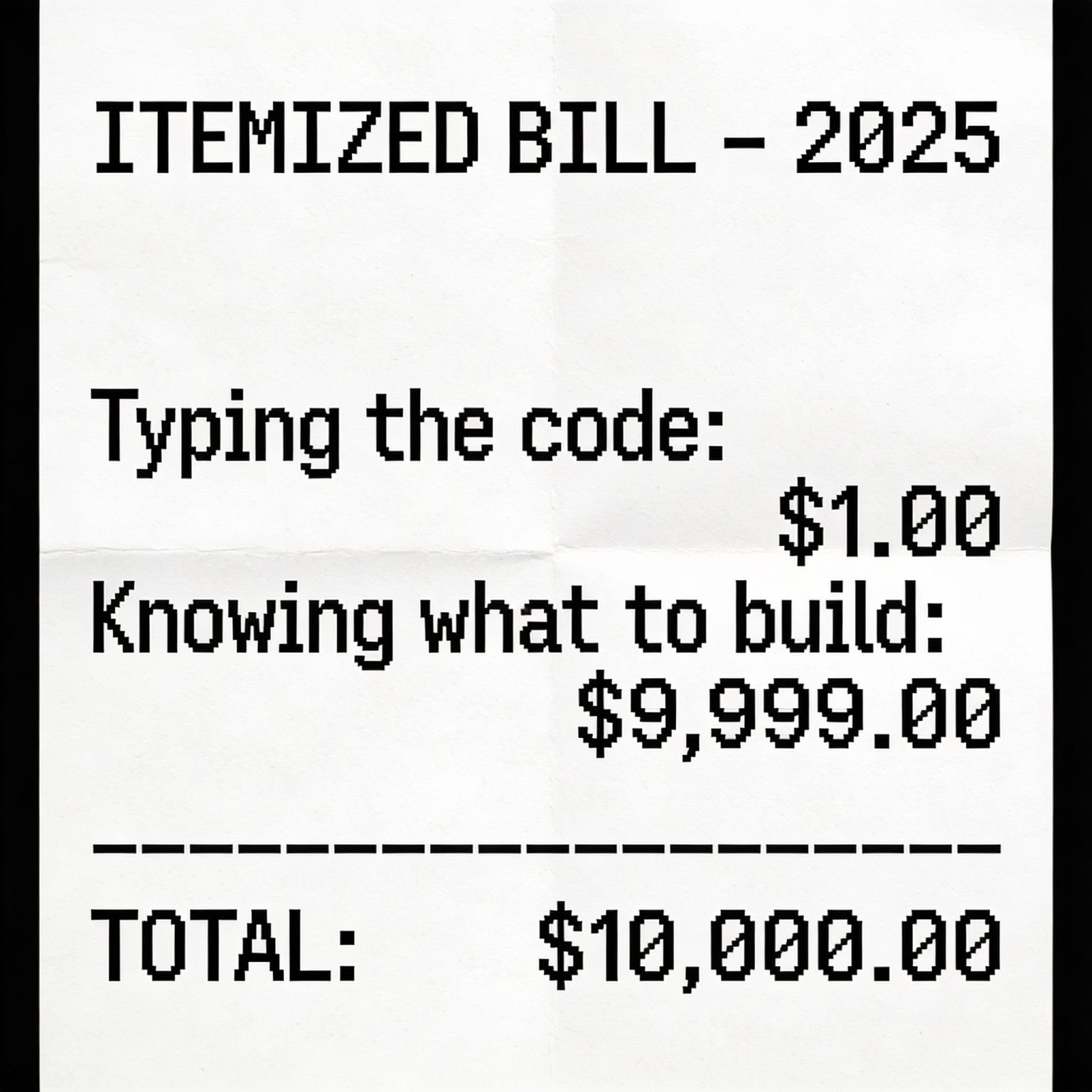
6487750100 viral
AI10 months ago

LinkedIn Content Strategy & Writing Style
Fractional CTO | Building with AI workflows and automations
2 people tracking this creator on ViralBrain
Adam Janes positions himself as a pragmatic AI architect who bridges the gap between high-level technical strategy and the messy reality of implementation. His content strategy centers on a "skeptical builder" value proposition, where he deconstructs overhyped AI tools through the lens of reliability, privacy, and system architecture. He is notable for his unfiltered technical transparency, often documenting his own failures with flagship tools like OpenAI’s Atlas or Apple Intelligence to warn peers against the "convenience trap." By intersecting fractional CTO leadership with hands-on automation, Janes argues that the future of software development isn't about writing syntax, but about mastering the high-level theory required to direct AI effectively.
2.9K
2.2K
146
8.0
659
1
I finally understand that old $10,000 engineering invoice joke. You know the story. A giant machine breaks down. An expert comes in, looks at it for a minute, and taps one specific spot with a hamm…
The "budget" AI model is a trap and the data finally proves it. I just read this wild report from OpenRouter, and it completely changed how I think about AI pricing. They analyzed 100 trillion token…

The best coders in 2025 write less code than junior devs did in 2019. The best way to become a web developer today isn't what it was five years ago. Back then, you had to master every detail of codi…
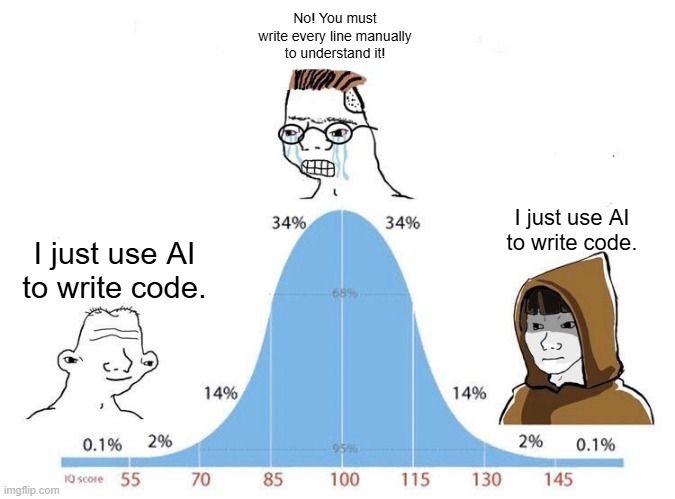
If your "tailored" email reads like the last 50 I got, it's not tailored. AI personalization is killing cold email. Here's one I saw recently. Supposedly it was researched, tailored to me, written…

I trusted OpenAI's newest tool with my visa application. Big mistake. OpenAI's Atlas is an alternative to web browsers like Google Chrome. It's supposed to know what's on your screen and make it ea…

Convenience is the bait. Our data is the hook. Here's why we keep biting... AI tools are becoming too convenient to resist. And that convenience comes at a cost. We share more sensitive data than…

8.0 posts/week
Posts / Week
1 days
Days Between Posts
1
Total Posts Analyzed
HIGH
Posting Frequency
15%
Avg Engagement Rate
DECREASING
Performance Trend
250
Avg Length (Words)
HIGH
Depth Level
ADVANCED
Expertise Level
8/10
Uniqueness Score
YES
Question Usage
0.5%
Response Rate
Writing style breakdown
Conversational but thoughtful and analytical.
Professional yet accessible; feels like a smart colleague or mentor talking, not a marketer.
Informative and reflective with a light persuasive undercurrent.
Direct and clear; no fluff, no over-the-top hype.
Mildly contrarian: often challenges common beliefs, marketing promises, or popular narratives.
Middle ground between casual and professional.
Uses contractions (“don’t”, “isn’t”, “won’t”) and plain language.
Avoids heavy jargon unless necessary, then explains it in simple terms.
No slangy talk like “gonna”, “wanna”, etc. Language stays clean and neutral.
Calm, measured, and controlled.
Energy comes from contrast and clarity, not from exclamation points or dramatic wording.
Slightly skeptical toward hype.
Curious about implications.
Concerned about tradeoffs (privacy vs convenience, cost vs reliability, etc.).
Humor is very light and rare, usually subtle (e.g., “like it was 2010”) or a single emoji.
Frequent use of rhetorical questions to pivot, provoke thought, or close.
Convenience vs privacy.
Cheap vs actually expensive.
Typist vs director.
Tailored vs cookie-cutter.
Convenience is the bait. Our data is the hook.
The $10,000 hammer-tap story.
AI as a backend engineer.
Clear, concise lists to break down points (often using “=>”).
Repetition of key words or phrases in slightly different ways to reinforce concepts.
Direct address to the reader with “you” and “we” to create intimacy and shared experience.
Mix of first-person singular (“I trusted…”, “I finally…”, “I’ve personally fed…”) and first-person plural (“we share”, “we choose”, “we are moving”).
If you want results…
If you want to thrive…
Are you a good generalist…?
Direct: “Stop obsessing over the lowest price tag.”
Softened with rationale: “If you want to thrive, master the theory…”
Is there a better AI assistant that actually works?
Would you trust a tool like this for your critical tasks?
Sign in to unlock the full writing analysis
Free tools to help you write, score, and benchmark in the same style.
Other creators worth studying alongside Adam Janes.

Kenny Damian
Head of GTM @ColdIQ🧠 | We build B2B revenue engines that sell for you | Elite Clay Studio Partner
300 Viral Score

Anisha Jain
How to write (better) with AI.
85 Viral Score

Matteo Tittarelli
Helping Series A-C B2B GTM teams move 3x faster with AI. Positioning, content, launches for pipe & authority. Shipped. 🚅
35 Viral Score

Sven Pluut
Financing the energy transition. Founded zonhub.com where we connected 13.000 investors with 150MM+ euro of capital to more than 200 renewable energy projects.
105 Viral Score

16 Viral Score

Stephanie Holland
Brand-Led GTM Engineer | Enterprise Cohort Coach @ Clay | Revenue Bottlenecks → Pipeline Systems | Clay Integration & GTM Architecture | UK & EMEA
143 Viral Score
ViralBrain plans, writes, and schedules your LinkedIn content, using official LinkedIn APIs so your account stays safe.
Write like Adam Janes.