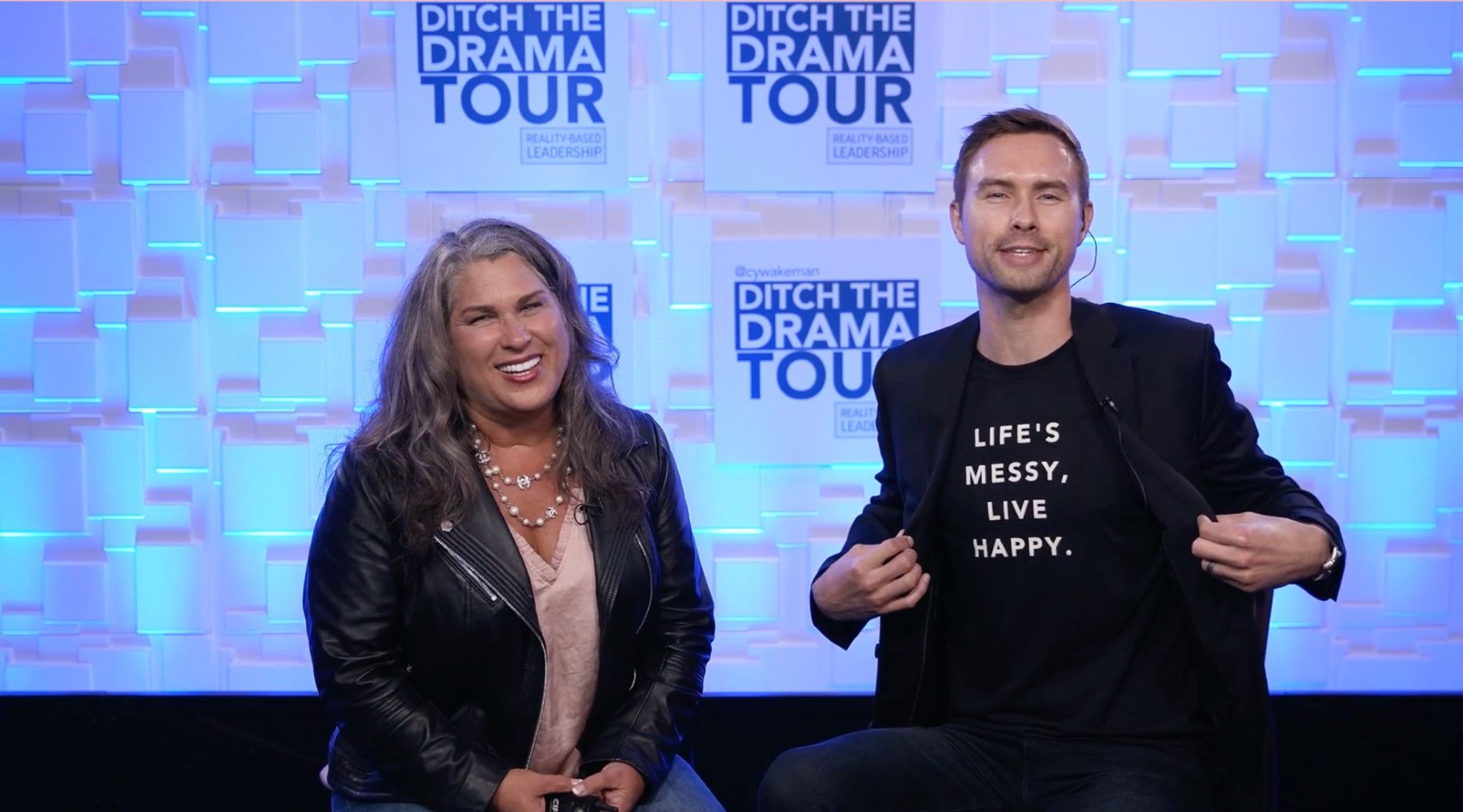
Dear Reality-Based Leadership Community, We have some incredible news to share with you! After over 25 years of groundbreaking work building Reality-Based Leadership, Cy Wakeman has made the strateg…


LinkedIn Content Strategy & Writing Style
Drama Researcher, International Speaker on Leadership & Management, NY Times Best Selling Author, Global Thought Leader
1 person tracking this creator on Viral Brain
61.6K
17.4K
Dear Reality-Based Leadership Community, We have some incredible news to share with you! After over 25 years of groundbreaking work building Reality-Based Leadership, Cy Wakeman has made the strateg…

0.4 posts/week
Posts / Week
19.9 days
Days Between Posts
1
Total Posts Analyzed
LOW
Posting Frequency
424.3%
Avg Engagement Rate
STABLE
Performance Trend
220
Avg Length (Words)
MEDIUM
Depth Level
INTERMEDIATE
Expertise Level
0.78/10
Uniqueness Score
YES
Question Usage
0.2%
Response Rate
Writing style breakdown
The author’s voice is professional, authoritative, and instructional, yet deeply encouraging. It functions as a bridge between corporate leadership and psychological coaching. The core characteristic is 'pragmatic optimism'—the writing acknowledges workplace frustrations (drama, ego, burnout) but immediately pivots to actionable frameworks. It is highly structured and methodical, designed to move a reader from a state of confusion or frustration to a state of clarity and action.
The emotional tone is high-energy and purposeful. It feels like a 'call to arms' for modern leaders. There is no room for wallowing; the pace is brisk, often using short, punchy sentences to maintain momentum. The author frequently uses 'signature traits' such as the 'Rule of Three' (three roads, three entry points), rhetorical questions to frame problems ('What if...', 'Where do I even start?'), and proprietary terminology ('ditching the drama', 'toggling to greatness', 'reality-based leadership').
The author primarily uses a mix of first-person plural ('we', 'our team') to establish the brand’s collective expertise, and second-person ('you', 'your team') to create direct accountability for the reader. The relationship with the reader is that of a mentor-to-practitioner. Suggestions are rarely soft; they are framed as 'challenges' or 'essential shifts.' The writing style is 'persuasive-informative,' selling a philosophy while simultaneously teaching it.
Sign in to unlock the full writing analysis
Nail your LinkedIn strategy with ViralBrain.
Analyze and write in Cy Wakeman's style. Grow your LinkedIn to the next level.
424
—
0.4
75
1
Nearly 32% of workplace drama comes from one source... Ego. And it's costing each person on your team 45 minutes every single day. Ego-based behaviors show up as gossiping, score-keeping, endless v…
What if one of the biggest workplace "no-nos" is actually key to great leadership? We're talking about playing favorites — but not in the way you think. The truth? The market plays favorites. So do…
Ever notice how some people speak up in meetings and move things forward, while others seem to stop progress in its tracks: even when they’re raising the same concerns? The difference? Sharing opinio…
The best leaders ask twice as many questions as they give answers. Making this single shift in your approach will transform you from doer and fixer to coach, leader, and facilitator faster than any o…
If you've ever read our newsletter, you've realized that reducing drama should be your core focus with your team. It is the biggest unlock for people and essential for achieving results, well-being, a…