
In 2016, we launched the first State of Fashion report to make sense of an industry in flux. Since then, we’ve lived through a decade of disruption — geopolitical shocks, a pandemic, shifting consumer…
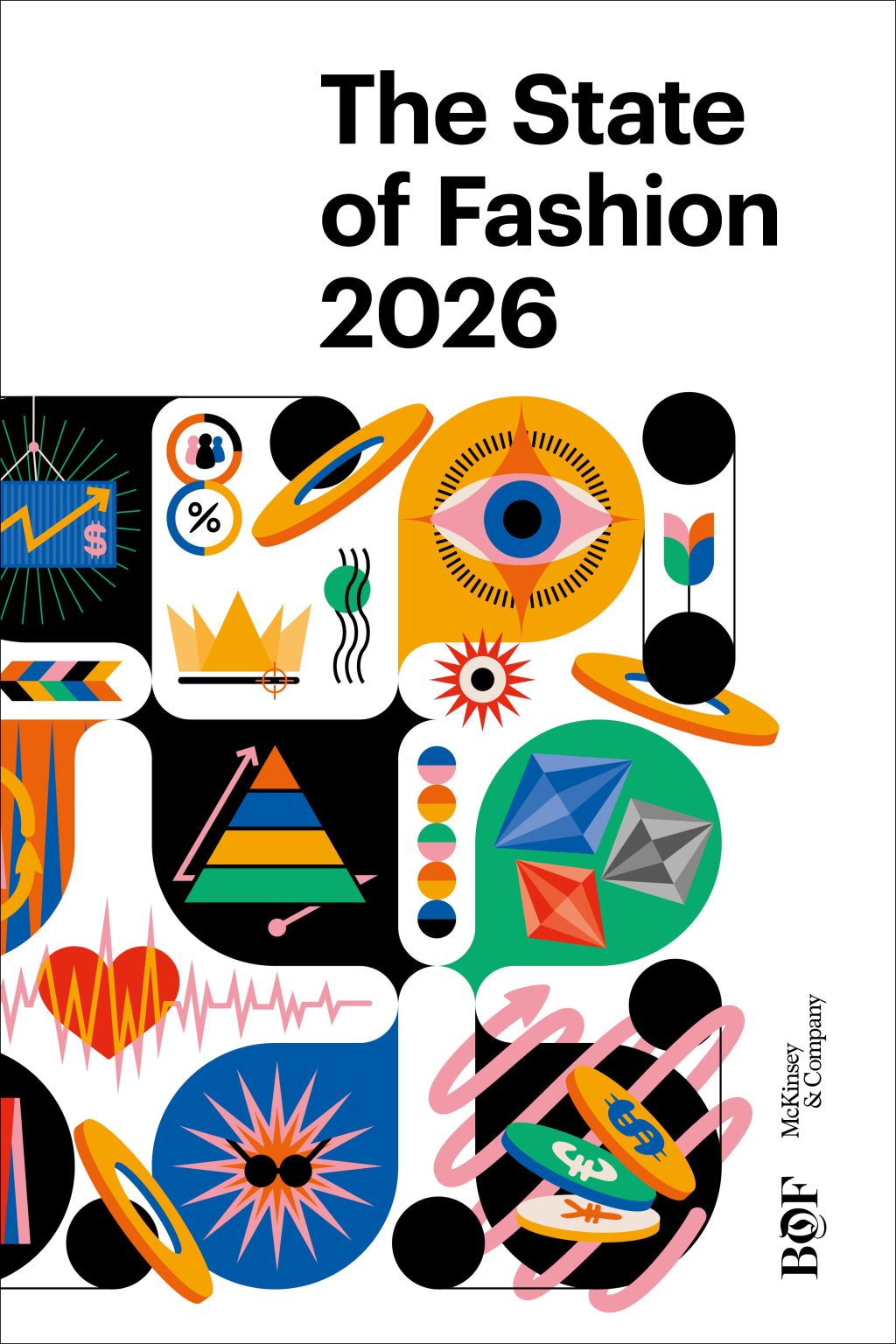
882316034 viral
Fashion Industry11 months ago
LinkedIn Content Strategy & Writing Style
Founder and CEO, The Business of Fashion
1 person tracking this creator on ViralBrain
Imran Amed positions himself as the definitive intellectual architect of the global fashion industry, moving beyond surface-level aesthetics to dissect the sector through a rigorous analytical lens. His content strategy centers on high-level synthesis, leveraging a decade of proprietary data and McKinsey partnerships to transform industry disruption into actionable frameworks. What makes Amed notable is his ability to bridge the gap between geopolitical shocks and consumer psychology, positioning himself as a neutral but essential arbiter of the "State of Fashion." His work represents a sophisticated intersection of executive education and media leadership, where he utilizes transparency and community-driven insights to turn complex market shifts into a collective benchmark for the world’s luxury and retail elite.
43.5K
2.4K
973
0.2
224
1
In 2016, we launched the first State of Fashion report to make sense of an industry in flux. Since then, we’ve lived through a decade of disruption — geopolitical shocks, a pandemic, shifting consumer…
0.2 posts/week
Posts / Week
1
Total Posts Analyzed
LOW
Posting Frequency
0%
Avg Engagement Rate
STABLE
Performance Trend
250
Avg Length (Words)
HIGH
Depth Level
ADVANCED
Expertise Level
9/10
Uniqueness Score
NO
Question Usage
0.4%
Response Rate
Writing style breakdown
Professional, institutional, and polished, with a warm, appreciative undertone.
Informative and announcement-driven, with a subtle celebratory flair.
Formal register overall, but not stiff; uses contractions sparingly (e.g., "we’ve") to keep it human.
Very brand- and community-oriented: frequent mention of organisations, teams, and “community.”
Speaks primarily in first-person plural (“we”) to represent an organisation or collaborative project.
Occasionally shifts to directly address the reader in second person (“thank you”) when expressing gratitude.
The “voice” feels authoritative and established, but inclusive and communal.
Medium to high energy, especially around milestone mentions (“Today, we publish the tenth edition!”).
Tone is optimistic and forward-looking, with an undercurrent of seriousness about industry change.
Emotion is controlled: no hyperbole, but clearly positive and proud.
Strong opening context that situates the announcement in a larger arc (“in 2016… since then, we’ve lived through…”).
Enumerations of change or complexity separated by em dashes (“— geopolitical shocks, a pandemic, shifting consumer values and now the rise of AI.”).
Gratitude is foregrounded: explicit, formal thank-yous to organisations and individuals.
Use of a clearly signposted thematic list (the 10 themes), each with a short, branded-sounding phrase.
Light use of celebration (“Bravo to the BoF and McKinsey teams”) without slipping into slang or informality.
Primary perspective: “we” (the organisation) speaking to a professional audience/community.
You” is used in the thank-you section to acknowledge contributions: “because of your rigour… as part of the BoF community.
Commands are direct but polite and neutral: “Download The State of Fashion 2026: [URL]” / “And join us for the global livestream…”
No rhetorical questions; information is delivered declaratively and confidently.
Sign in to unlock the full writing analysis
Free tools to help you write, score, and benchmark in the same style.
Other creators worth studying alongside Imran Amed.

152 Viral Score

89 Viral Score

Brian Elliott
Future of Work strategist & bestselling author | Advisor on AI, culture & organizational transformation | Work Forward newsletter free weekly | CEO @ Work Forward | EIR @ Charter | Sr Advisor @ BCG | ex-Google, Slack
33 Viral Score

Nikola Ilic
Turn uncertainty into leadership advantage | Founder - ChangeLab | Upcoming book - The Uncertainty Advantage | Leadership Professor - Georgetown | Keynote Speaker
57 Viral Score

Haris Halkic
⤷ Join 50,000+ B2B sellers getting sales playbooks and tactical breakdowns 👇
11 Viral Score

Fred Copestake
Supporting engineering and manufacturing sales teams to win complex B2B deals using ethical, collaborative methods | 3 Bestselling Books | 10,000+ Salespeople Trained | 38 Countries | 🇬🇧 🇪🇸
10 Viral Score
ViralBrain plans, writes, and schedules your LinkedIn content, using official LinkedIn APIs so your account stays safe.
Write like Imran Amed.