
The future of selfies will be epic. But how do you stand out when everything and everyone is epic? When amazing is ordinary and stunning is just meh! Do we decide that this is a race not worth runn…
29040186 viral
Personal Branding10 months ago

LinkedIn Content Strategy & Writing Style
Ceo, NED, Professor for Digital Strategy, Exponential leadership and Organisation agility
1 person tracking this creator on ViralBrain
Herman Singh positions himself as a high-level corporate philosopher and digital strategist who bridges the gap between exponential technology and human-centric leadership. His content strategy centers on deconstructing market hype by using historical financial parallels, such as Cisco’s valuation cycles, to provide a sober reality check on current AI trends. He is notable for his ability to translate complex organizational shifts- like the merging of back-end systems with customer interfaces- into actionable leadership lessons. By blending macro-economic data with mindfulness, Singh creates a unique intersection where global talent migration patterns meet the psychological discipline required to manage a modern executive mind.
94.1K
30.0K
65
34.5
8
1
The future of selfies will be epic. But how do you stand out when everything and everyone is epic? When amazing is ordinary and stunning is just meh! Do we decide that this is a race not worth runn…
I know it’s not Facebook but this image really has me thinking. I initially thought there were none. Then I saw them. It’s scary how often first impressions can be dismissive and that to see reality…

If technology is not there to help humans be more humane then what practical use does it have.

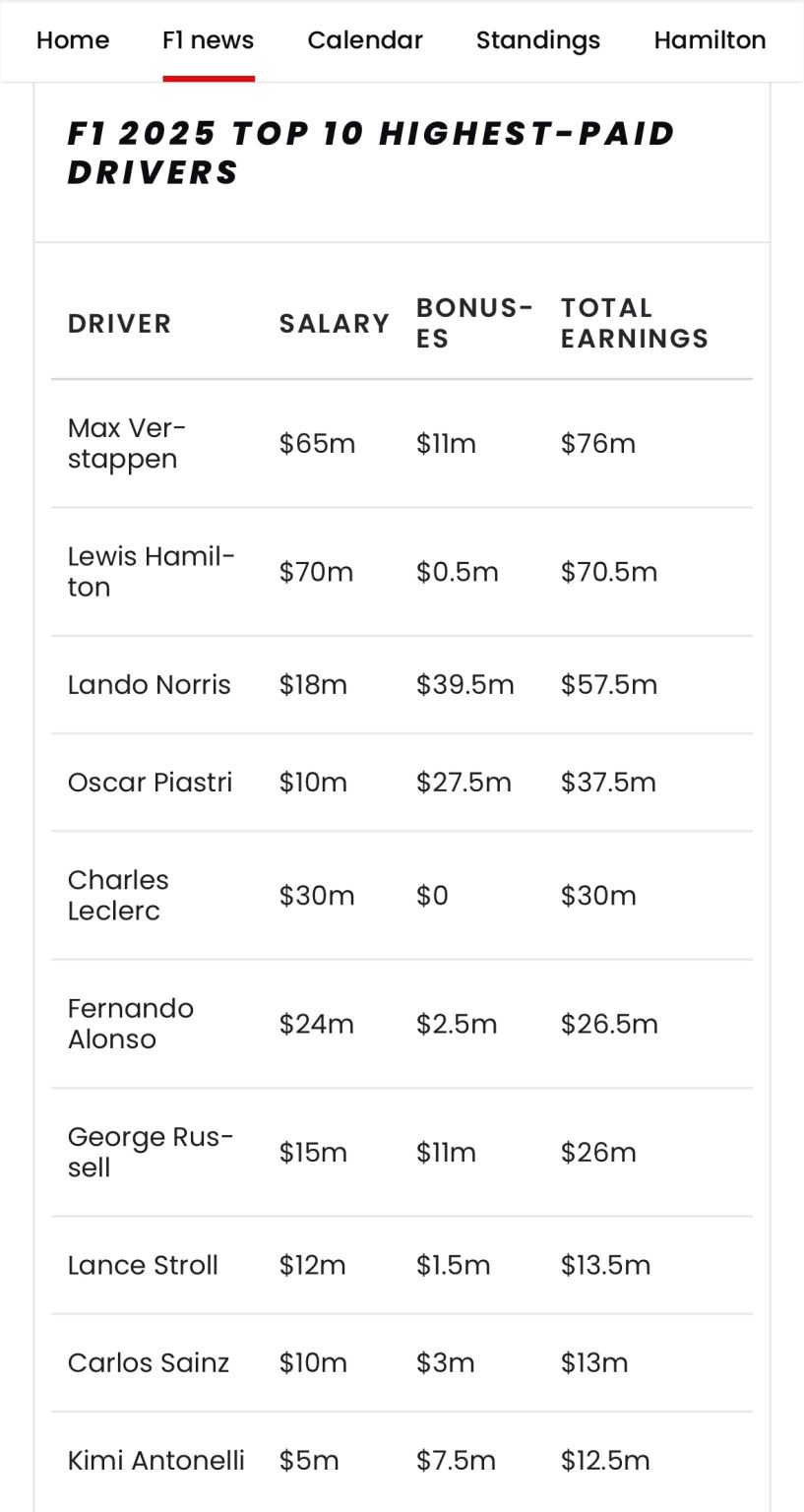
Pay for performance is sometimes just pay for potential. Some drivers like Max, Lando or Oscar are paid for obvious and direct results but others like Lewis or Fernando because they bring promises of…
The difference between front office or front of house and back office or back of house can be startling. Your challenge is that the back office is becoming the front office. In fast food, Ordering o…

All humans struggle with a trilemma. We must reconcile and accept the past for learning while we anticipate the future with preparation but remember to be immersed in the present for authentic experi…

34.5 posts/week
Posts / Week
0.2 days
Days Between Posts
1
Total Posts Analyzed
HIGH
Posting Frequency
64.8%
Avg Engagement Rate
STABLE
Performance Trend
60
Avg Length (Words)
MEDIUM
Depth Level
ADVANCED
Expertise Level
8/10
Uniqueness Score
YES
Question Usage
0.5%
Response Rate
Writing style breakdown
Semi-formal but accessible, with a reflective, philosophical undertone.
Leans informative and analytical with a light motivational edge.
Not overtly humorous; any humor is dry, subtle, and situational rather than jokey.
More thoughtful than punchy, but ends many posts with a concise, quotable takeaway line.
Stylistically closer to a short op-ed or commentary than to casual social media chatter.
Comes across as a reflective, slightly professorial observer of technology, business, and human behavior.
Positions himself as someone who connects macro trends (AI, talent migration, branding, automation) with human or ethical implications.
Often sounds like a mentor or seasoned executive speaking to younger professionals or generalist readers.
Medium energy: calm, steady, contemplative, not hyper.
Emotional register is controlled; even when something is “astounding” or “epic”, the style stays measured rather than exuberant.
Frequently carries a mild sense of warning or caution (about distractions, AI hype, talent flows, overreliance on online systems).
Ends with a sense of constructive advice or philosophical clarity.
Contrast and paradox (go slow early to go faster later; perform while you transform; pay for performance vs pay for potential).
Aphoristic or slogan-like closing lines.
Parallel structures and triads (past / future / present; perform / transform).
Mild wordplay and alliteration (mind your mind for mindfulness).
Rhetorical questions appear regularly to open or transition sections, especially in more speculative posts.
Direct moral or practical takeaway often appears in the final sentence of the main content.
Very limited storytelling; more often uses abstract statements, examples, or stats instead of rich narrative.
Third-person descriptive (“The most valuable company…”, “Every country below the line…”)
Second-person for challenges and advice (“Your challenge is that…”, “If you don’t manage your mind…”).
First-person singular is rare in content; appears mainly in the CTA and meta notes (“I have reached my maximum limit…”).
Direct imperatives with a slightly didactic tone (“So learn to go slow…”, “So mind your mind…”).
Occasionally softens with explanatory framing rather than hedging, but does not use “maybe/possibly” much.
Sign in to unlock the full writing analysis
Free tools to help you write, score, and benchmark in the same style.
Other creators worth studying alongside Herman Singh.

Dr. Dragos Michael Anastasiu
Former Deputy Prime Minister of Romania | Former honorary adviser to the President of Romania & the Interim President of Romania for relations with the business environment.
14 Viral Score

Maziar Mike Doustdar
President and CEO at Novo Nordisk
250 Viral Score
Revant Himatsingka (Food Pharmer)
Only What’s Needed | Food Pharmer | Ex-McKinsey | Wharton MBA
78 Viral Score

13 Viral Score

Bruno Feigelson
Reinventando o Direito
57 Viral Score
René Remsik
Exploring useful tips that make AI simple and fun
184 Viral Score
ViralBrain plans, writes, and schedules your LinkedIn content, using official LinkedIn APIs so your account stays safe.
Write like Herman Singh.