
NEW IN: Valentino just dropped this AI ad and the internet is not having it 🔥 The campaign is for the Valentino Garavani DeVain bag: a surreal, AI-generated video where kaleidoscopic geometries mor…
145200655 viral
Marketing11 months ago

LinkedIn Content Strategy & Writing Style
Head of Cultural Insights & Trends @LOOP | AI & Emerging Tech | Luxury, Digital Fashion, Beauty | Interviewer & Panel Moderator
1 person tracking this creator on ViralBrain
Anne-Liese Prem positions herself as a high-level cultural strategist and bridge-builder between the heritage-driven world of luxury and the frontier of generative AI. Her content strategy centers on the "Human Threshold," a recurring framework she uses to analyze where technology enhances brand desire and where it risks eroding the "soul" of craftsmanship. She is notable for her ability to translate complex technical shifts—like agentic commerce and spatial computing—into nuanced emotional intelligence for legacy brands. By intersecting deep trend analysis with a practitioner's view on moderating and interviewing, she moves beyond mere tech advocacy to offer a sophisticated critique of how luxury must maintain its "Haltung" (conviction) in an increasingly automated world.
17.9K
7.9K
175
2.0
137
1
NEW IN: Valentino just dropped this AI ad and the internet is not having it 🔥 The campaign is for the Valentino Garavani DeVain bag: a surreal, AI-generated video where kaleidoscopic geometries mor…
Where did all the aspirational luxury girls go? "Between 2023-2025, 80% of luxury growth came from price increases rather than volume." 🤯 I found this number in the BoF x McKinsey State of Fashio…

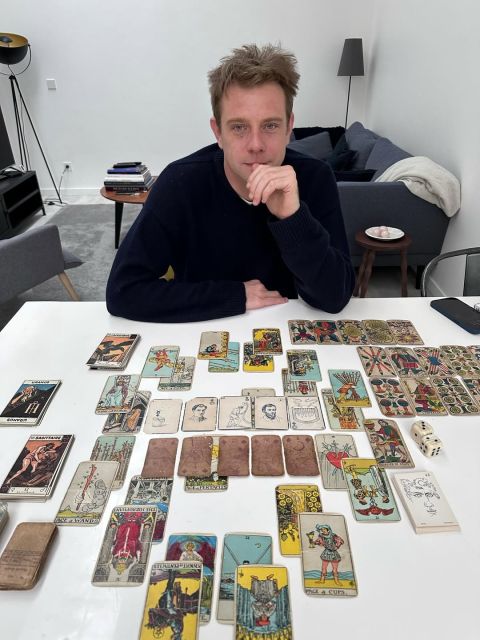
What can luxury learn from social media? Presence in cultural moments. A creative director getting his fortune told can do more for brand heat than a months long campaign. 🔥 Yesterday, Jonathan And…
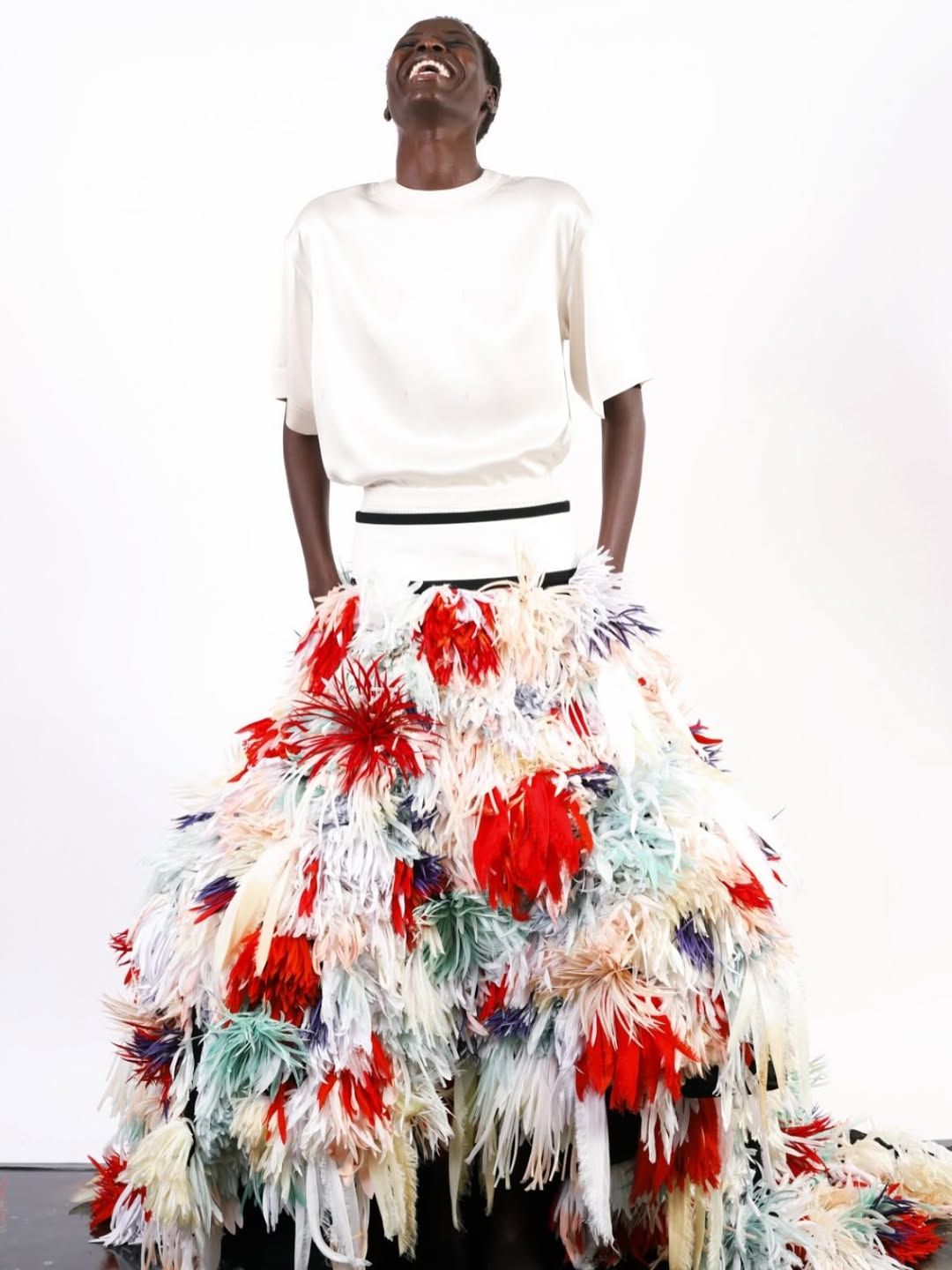
Chanel can't use AI the way Mango does. Obviously. But here's what luxury must do about AI now: Fast fashion uses AI for efficiency: more products, faster cycles, cheaper production. Luxury can use…
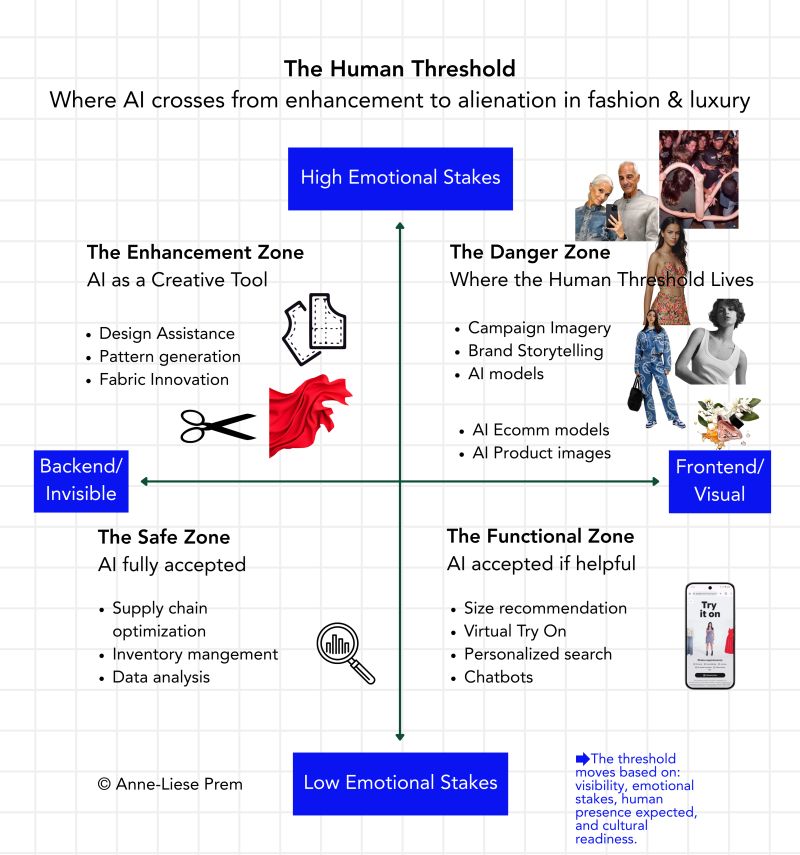
Where AI is accepted in luxury… and where it isn’t 👀 After the Valentino AI moment, one question kept showing up everywhere: “Why do some uses of AI feel exciting, and others feel wrong?” So I mappe…
Just wrapped watching a really smart discussion via the The Business of Fashion Live webinar on How Generative AI is Redefining E-commerce storytelling with Matthias Haase (DeepAR.ai (a Zalando Group…
2.0 posts/week
Posts / Week
4 days
Days Between Posts
1
Total Posts Analyzed
MEDIUM
Posting Frequency
0%
Avg Engagement Rate
STABLE
Performance Trend
260
Avg Length (Words)
HIGH
Depth Level
ADVANCED
Expertise Level
9/10
Uniqueness Score
YES
Question Usage
0.3%
Response Rate
Writing style breakdown
Professional, informed, and reflective with a clear expert tone.
Conversational but not chatty; feels like a very articulate insider talking to peers.
Blends thought leadership with cultural commentary (AI, fashion, luxury, consumer behavior).
Persuasive and explanatory rather than salesy.
Often analytical but always tied back to emotion, culture, and human experience.
Mid-to-high formality in content, mid-level formality in tone.
Vocabulary is sophisticated but not academic; accessible to an educated, industry-aware audience.
Avoids jargon unless it’s widely known in tech/fashion (e.g., “Gen AI”, “spatial commerce”, “operational excellence”) and explains it through context when needed.
Calm, confident, and controlled energy.
Not hyper; intensity comes from clarity and conviction, not from exclamation marks or hype.
Emotion is conveyed through carefully chosen words and contrasts (“the door is closed”, “optimize soul out of the product”).
Often reflective and slightly nostalgic when talking about fashion history or “old” luxury, and future-focused, almost strategic, when talking about AI and innovation.
Not X, but Y.
It’s not that [simple explanation]. They [or ‘people’] reject [deeper explanation].
The question wasn’t ‘[obvious question]?’ It was: [deeper question].
Likes to name frameworks or concepts (e.g., “The Human Threshold Framework”, “The Safe Zone”, “The Danger Zone”).
Repeated use of triads (three-part lists) for rhythm: “identity, aspiration, emotion”; “presence, craft and emotion”; “interesting design, innovation, real craftsmanship.”
Uses short, stand-alone lines for emphasis: “But this moment is bigger than backlash.” / “Fashion without a position is just product.”
Introduces nuance: acknowledges the boldness or “rightness” of an idea, then explores why culture isn’t ready yet.
Uses data points and reports (BoF, McKinsey) as anchor facts, always linked to a larger cultural or emotional insight.
Mixes first-person singular (“I”, “my first reaction”, “I found this number…”) and first-person plural (“we are watching a new visual language emerge”).
Pull the reader in with imagined or shared experience.
Set up questions or calls for reflection (“What do you think?”, “What’s your take?”).
Imagine:” followed by specific scenarios.
Think: supply chain, inventory, data analysis.
Where should luxury draw the line with AI?
Prefers softer engagement prompts (“What do you think?”, “What’s your take?”) over direct “do this now” CTAs.
Sign in to unlock the full writing analysis
Free tools to help you write, score, and benchmark in the same style.
Other creators worth studying alongside Anne-Liese Prem.

Bruno Feigelson
Reinventando o Direito
57 Viral Score
René Remsik
Exploring useful tips that make AI simple and fun
184 Viral Score

Diandra Escobar
Building content engines across LinkedIn, YouTube & newsletters | Founder, Distinctiva.io → we grow brands through organic content | Speaker
118 Viral Score

Jacob Pegs
I build marketing systems that get solopreneurs + agency founders customers on repeat. 352+ clients, $4.2M in wins. Founder at Modern Maker. See the model → jacobpegs.xyz
72 Viral Score

Darren McKee
Founder of 531 Social & Darren McKee Co. | Social Selling took me from the mailroom to the boardroom and now I get to transfer 10 years of knowledge to thousands around the world via services and software
23 Viral Score

Jon Gordon
19x Bestselling Author of The Energy Bus, Power of Positive Leadership & The 7 Commitments of a Great Team. I created Certified Positive Leader to develop positive leaders who impact their businesses, schools and teams.
13 Viral Score
ViralBrain plans, writes, and schedules your LinkedIn content, using official LinkedIn APIs so your account stays safe.
Write like Anne-Liese Prem.