
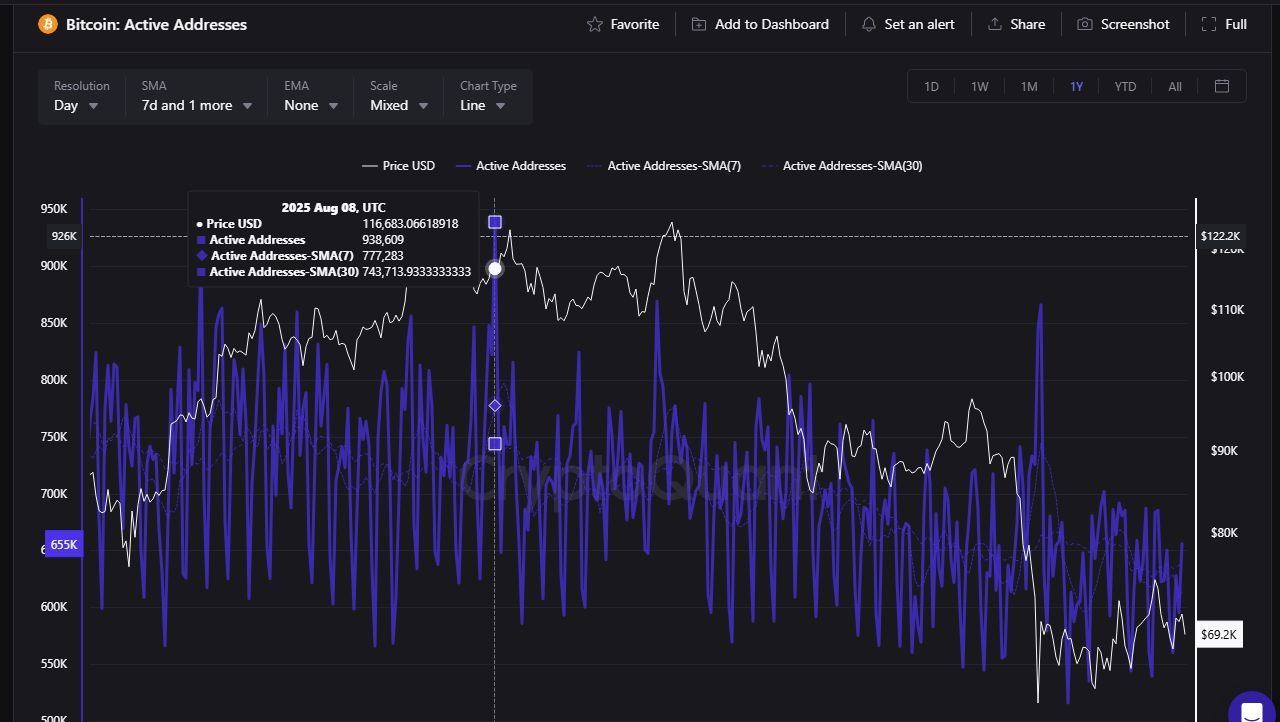
Bitcoin se enfría por dentro: las direcciones activas caen más de un 30% Bitcoin no solo está perdiendo precio: también está perdiendo actividad en su red. Las direcciones activas miden cuántas dire…
132348 viral
On-Chain Crypto Analysis7 months ago

LinkedIn Content Strategy & Writing Style
Verified On-Chain Analyst at CryptoQuant
1 person tracking this creator on ViralBrain
Carmelo Aleman Santana positions himself as a high-signal on-chain specialist who bridges the gap between raw blockchain data and actionable market intelligence. His strategy centers on deconstructing complex metrics—such as the Estimated Leverage Ratio and MVRV Z-Score—to provide a clinical view of market health, moving beyond mere price action to expose the underlying liquidity traps and structural fragilities of Bitcoin and Ethereum. What makes him notable is his refusal to rely on crypto-native narratives alone; he frequently integrates macroeconomic catalysts, such as Treasury yields and geopolitical shocks, into his technical analysis. This intersection of on-chain transparency and macro-intermarket analysis allows him to offer a sophisticated value proposition that prioritizes risk management and capital preservation over speculative hype.
944
569
15
9.4
165
1
Bitcoin se enfría por dentro: las direcciones activas caen más de un 30% Bitcoin no solo está perdiendo precio: también está perdiendo actividad en su red. Las direcciones activas miden cuántas dire…
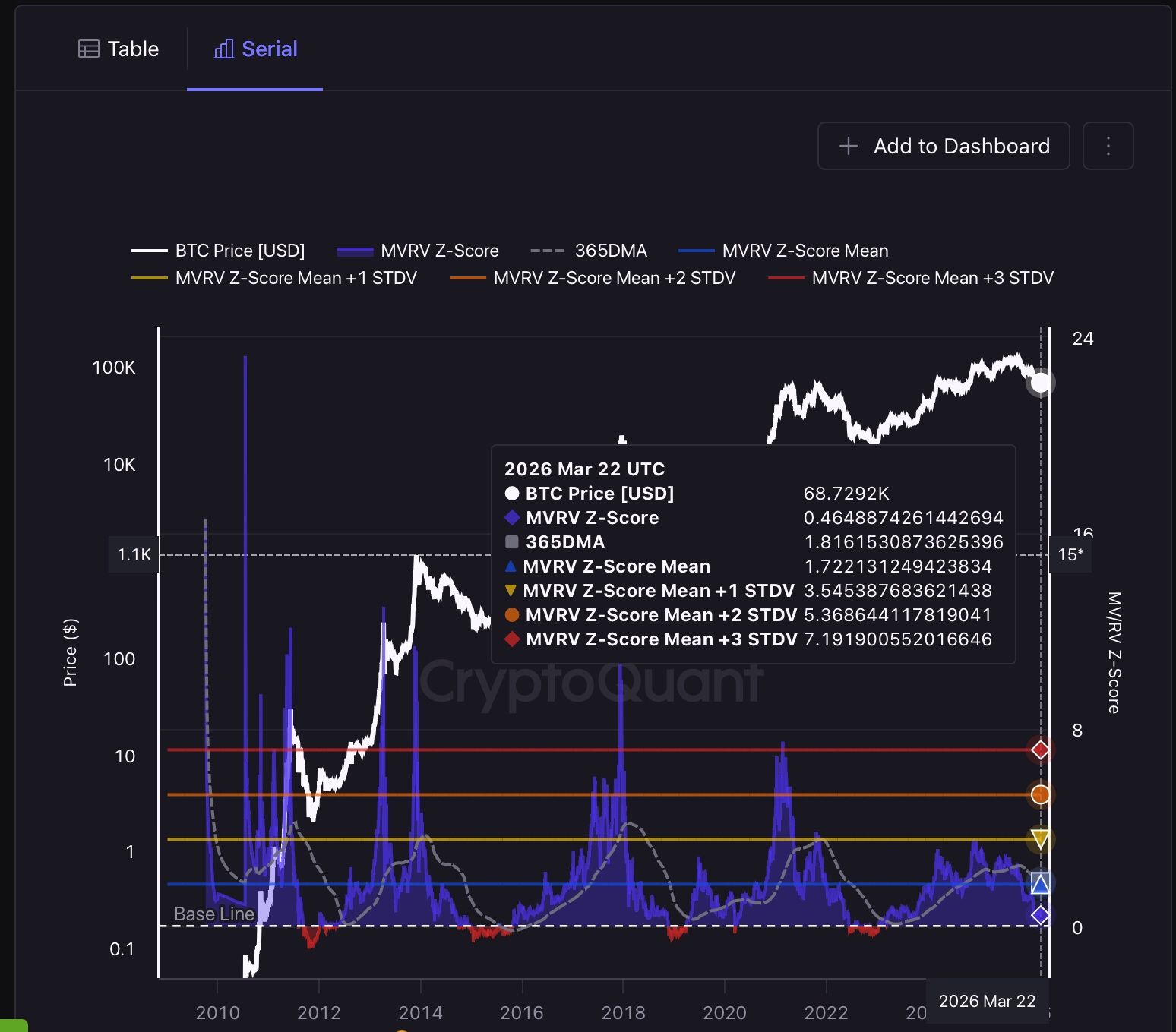
Bitcoin no está caro: el MVRV Z-Score lo confirma El MVRV Z-Score es una de las métricas más sólidas dentro del análisis on-chain para evaluar si Bitcoin se encuentra sobrevalorado o infravalorado en…
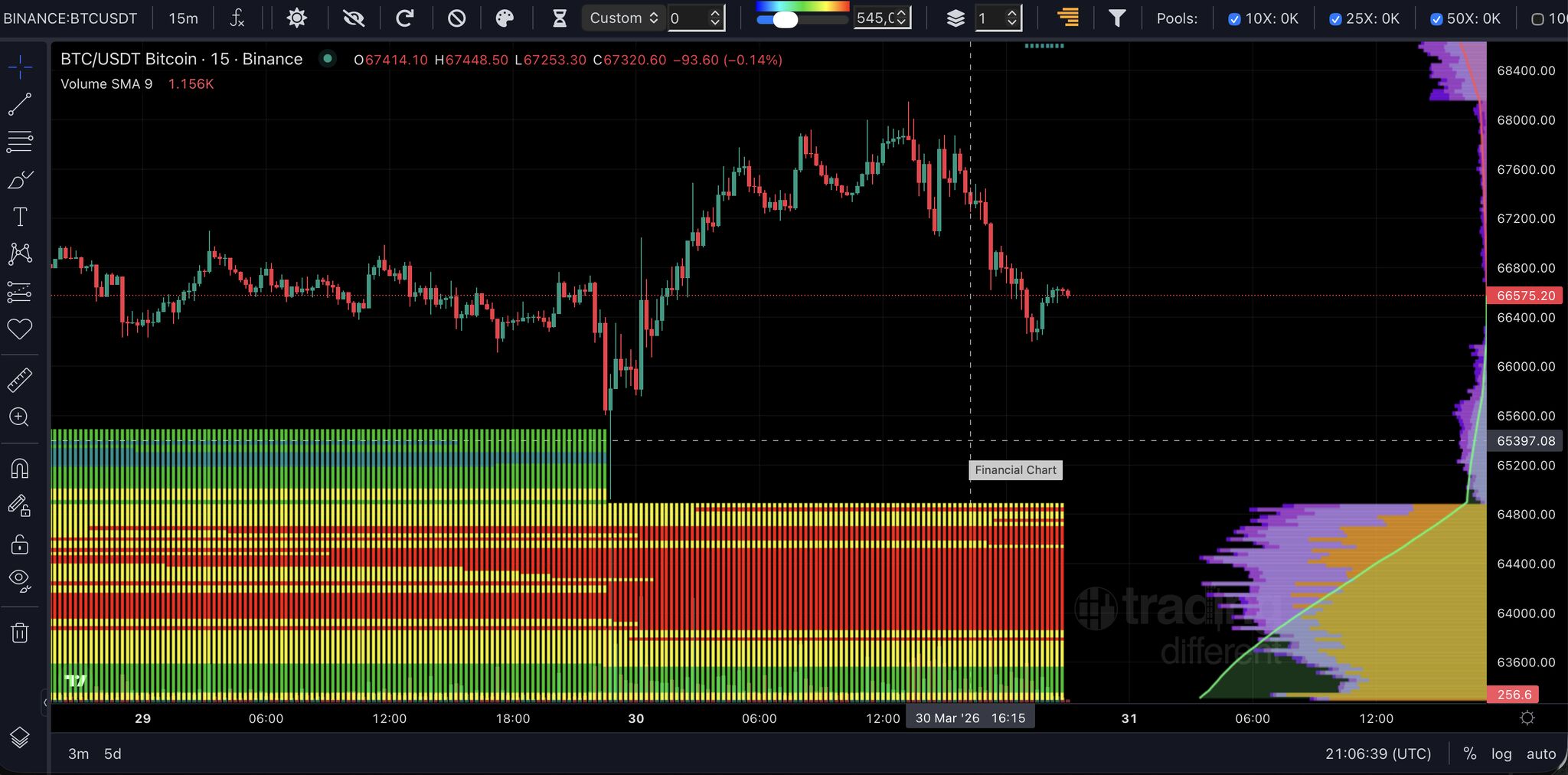
Bitcoin 29/03/2026 El mercado ya ha dejado su trampa visible. Entre los 65.000 y 63.800 dólares se acumula una de las zonas de liquidez más sensibles del corto plazo en BTC, la zona de color rojo y…
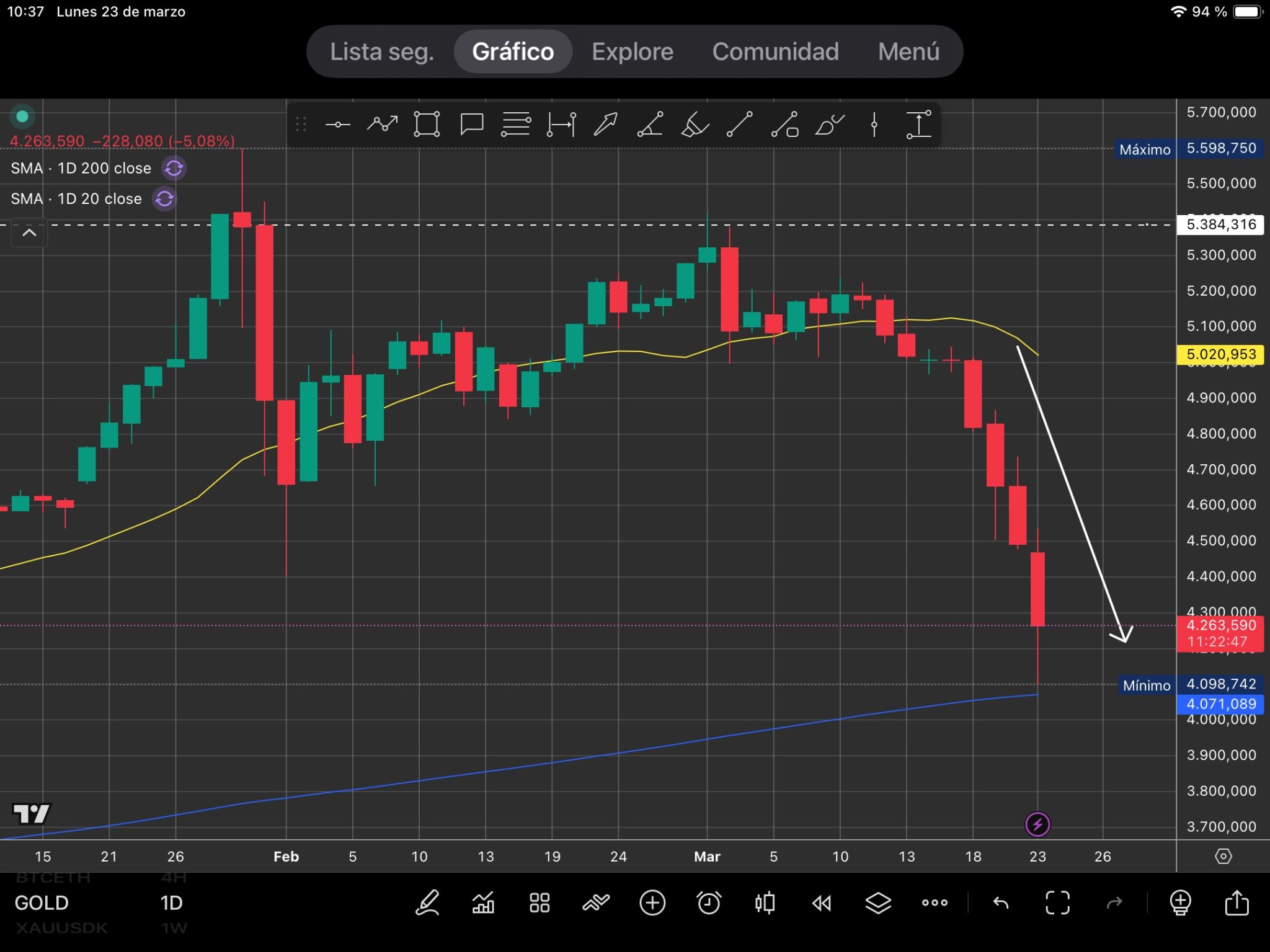
Oro 23/03/2026 El oro acaba de sufrir un desplome de $400 en una sola jornada. ¿Cual es la causa?. La causa principal no está en la narrativa macro… sino en la estructura del mercado. El posicionam…
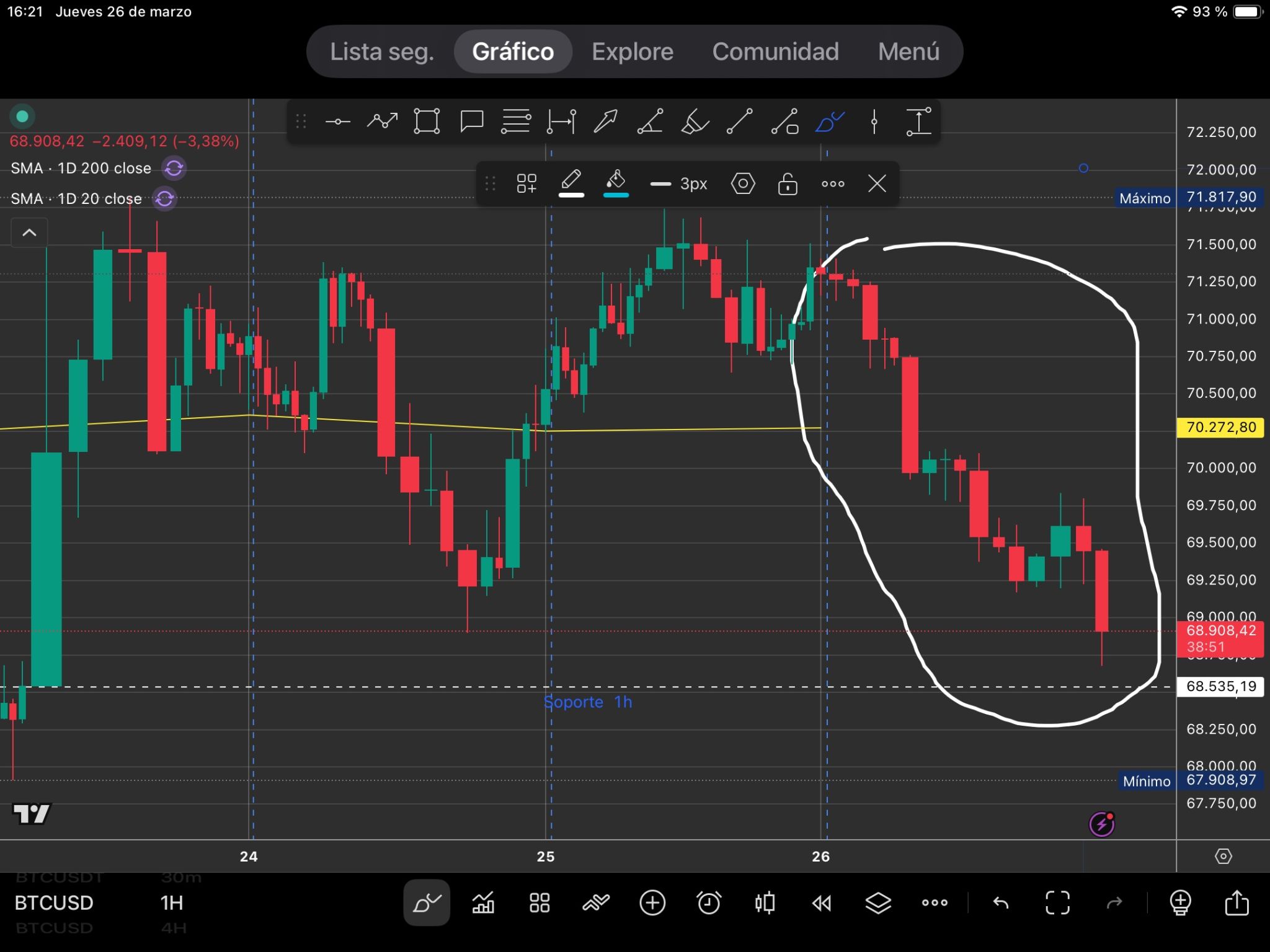
Bitcoin 26/03/2026 Bitcoin se encuentra en una tendencia bajista que comenzó a las 23:00 UTC de anoche miércoles, con una caída relevante desde la zona de $71,817.90 hasta un mínimo de $67,908.97, lo…
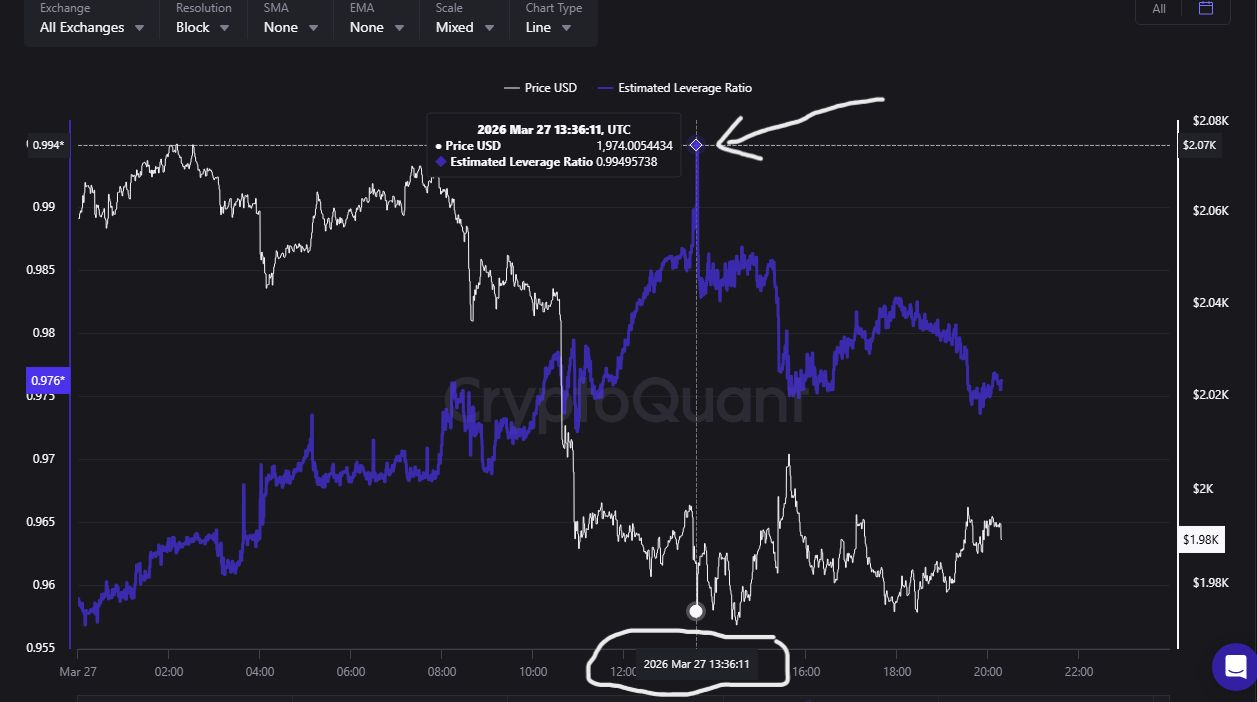
Ethereum bate su récord histórico de apalancamiento en futuros El apalancamiento es el uso de capital prestado para abrir posiciones más grandes que el capital propio disponible. En el mercado de fut…
9.4 posts/week
Posts / Week
0.8 days
Days Between Posts
1
Total Posts Analyzed
HIGH
Posting Frequency
14.5%
Avg Engagement Rate
STABLE
Performance Trend
175
Avg Length (Words)
HIGH
Depth Level
ADVANCED
Expertise Level
0.74/10
Uniqueness Score
NO
Question Usage
0.2%
Response Rate
Writing style breakdown
The author writes with the clinical precision of a financial analyst mixed with the punchy, urgent delivery of a real-time market commentator. The voice is authoritative, professional, and data-driven, yet highly accessible. It is not 'poetic' or 'flowery'; it is 'analytical' and 'direct.'
Core Characteristics: The writing is methodical and structured. It functions as a bridge between complex on-chain metrics and actionable market sentiment. It is 'persuasive' through logic rather than emotion, using hard numbers and specific price levels to build credibility.
Emotional Tone and Energy: The energy is 'controlled and serious.' It feels fast-paced because it often deals with real-time data (timestamps, current price action), but the delivery is steady and reflective of a 'no-nonsense' expert.
Signature Writing Traits: The author relies heavily on 'technical terminology' (liquidity, open interest, leverage ratio, spot, derivatives) but immediately explains these terms to the reader. Rhetorical questions are used sparingly but effectively to pivot the narrative (e.g., '¿Cual es la causa?'). There is a strong use of 'cause-and-effect' logic: 'If X happens, then Y is the likely target.'
Addressing the Reader: The author primarily uses the third-person ('the market,' 'the price,' 'the index') to maintain objectivity, occasionally shifting to first-person ('I,' 'me') in signatures or 'we' ('we are seeing') to create a sense of shared observation. Direct commands are rare; instead, the author uses 'analytical declarations' (e.g., 'The reading is clear,' 'It is important to understand').
Sign in to unlock the full writing analysis
Free tools to help you write, score, and benchmark in the same style.
Other creators worth studying alongside Carmelo Aleman Santana.

Phuong Nguyen
Accélérateur SQL | Maîtriser le SQL et répondre à 90% des offres dans la Data | Data Analyst Freelance
53 Viral Score

Dylan Arnaud
Data Analyst | J’aide les entreprises à piloter leur activité et leur rentabilité en concevant des tableaux de bord sur mesure | Power BI & Fabric | ⭐ 5/5 Malt
71 Viral Score

Benjamin Ejzenberg
Transformez vos Excel chronophages en dashboards automatisés → Automatisation avec Power BI | Récupérez +20 modules gratuits ICI ⬇
23 Viral Score

Kim Loohuis
Tech & Business Content Writer | Journalist bridging complexity and clarity
232 Viral Score

Jose Manuel Panizo Plaza
Working for the public good. Cybersecurity expertise. Digital identity, data protection and users privacy freak
402 Viral Score

Shubham Saboo
Senior AI Product Manager @ Google | Awesome LLM Apps (#1 AI Agents GitHub repo with 101k+ stars) | 3x AI Author | Community of 350k+ AI developers | Views are my Own
59 Viral Score
ViralBrain plans, writes, and schedules your LinkedIn content, using official LinkedIn APIs so your account stays safe.
Write like Carmelo Aleman Santana.