
𝐖𝐞’𝐫𝐞 𝐭𝐨𝐥𝐝 𝐥𝐨𝐲𝐚𝐥𝐭𝐲 𝐢𝐬 𝐚𝐛𝐨𝐮𝐭 𝐡𝐢𝐠𝐡𝐞𝐫 𝐦𝐚𝐫𝐠𝐢𝐧𝐬 𝐨𝐫 𝐥𝐨𝐰𝐞𝐫 𝐚𝐜𝐪𝐮𝐢𝐬𝐢𝐭𝐢𝐨𝐧 𝐜𝐨𝐬𝐭𝐬. Sounds neat. Mostly wrong. In most retail categories, profit grows for…
887124 viral
Customer Loyalty Marketing10 months ago

LinkedIn Content Strategy & Writing Style
CXO | Digital | Loyalty | CRM | Data
1 person tracking this creator on ViralBrain
Mark Sage positions himself as a contrarian loyalty architect who deconstructs traditional CRM myths in favor of rigorous, data-driven behavioral design. His content strategy centers on the "loyalty as a memory system" framework, moving the conversation away from fluffy emotional brand love toward a disciplined focus on volume economics and cohort survivability. He is notable for his ability to bridge the gap between high-level marketing theory and the gritty reality of technical execution, often challenging industry standards like simplified churn metrics or "effortless" rewards. By intersecting behavioral psychology with retail analytics, Sage provides a sophisticated value proposition that reframes loyalty not as a margin-eroding discount game, but as a scalable system for influencing repeat choice.
5.1K
3.5K
31
1.7
69
1
𝐖𝐞’𝐫𝐞 𝐭𝐨𝐥𝐝 𝐥𝐨𝐲𝐚𝐥𝐭𝐲 𝐢𝐬 𝐚𝐛𝐨𝐮𝐭 𝐡𝐢𝐠𝐡𝐞𝐫 𝐦𝐚𝐫𝐠𝐢𝐧𝐬 𝐨𝐫 𝐥𝐨𝐰𝐞𝐫 𝐚𝐜𝐪𝐮𝐢𝐬𝐢𝐭𝐢𝐨𝐧 𝐜𝐨𝐬𝐭𝐬. Sounds neat. Mostly wrong. In most retail categories, profit grows for…
𝐈𝐟 𝐲𝐨𝐮𝐫 𝐥𝐨𝐲𝐚𝐥𝐭𝐲 𝐩𝐫𝐨𝐠𝐫𝐚𝐦𝐦𝐞 𝐢𝐬 𝐬𝐭𝐫𝐮𝐠𝐠𝐥𝐢𝐧𝐠 𝐲𝐨𝐮 𝐦𝐢𝐠𝐡𝐭 𝐧𝐞𝐞𝐝 𝐭𝐨 𝐦𝐚𝐤𝐞 𝐢𝐭 𝐡𝐚𝐫𝐝𝐞𝐫 That sounds counter-intuitive. It’s also where many programmes qu…
𝗖𝗵𝘂𝗿𝗻 𝗶𝘀 𝗮𝗻 𝗼𝘂𝘁𝗰𝗼𝗺𝗲. 𝗜𝗳 𝘆𝗼𝘂’𝗿𝗲 𝘀𝘁𝗲𝗲𝗿𝗶𝗻𝗴 𝘄𝗶𝘁𝗵 𝗶𝘁, 𝘆𝗼𝘂’𝘃𝗲 𝗺𝗶𝘀𝘀𝗲𝗱 𝘁𝗵𝗲 𝘁𝘂𝗿𝗻 ⚠️ Customers leaving is real. Churn, as we measure it, is the problem.…
𝗟𝗼𝘆𝗮𝗹𝘁𝘆 𝗶𝘀𝗻’𝘁 𝗮𝗯𝗼𝘂𝘁 𝗲𝗺𝗼𝘁𝗶𝗼𝗻. 𝗜𝘁’𝘀 𝗮𝗯𝗼𝘂𝘁 𝗺𝗲𝗺𝗼𝗿𝘆. That’s a sentence I’ve been circling for a long time — and now I’ve finally put it down properly. Many loyalty co…
𝗧𝗲𝘀𝗰𝗼 𝗖𝗵𝗮𝗹𝗹𝗲𝗻𝗴𝗲𝘀 𝗮𝗿𝗲𝗻'𝘁 𝗷𝘂𝘀𝘁 𝗮 𝗽𝗿𝗼𝗺𝗼𝘁𝗶𝗼𝗻 It’s behavioural design hiding in plain sight It shifts customers from “𝘣𝘶𝘺 𝘸𝘩𝘦𝘯 𝘪𝘵’𝘴 𝘤𝘩𝘦𝘢𝘱” to “𝘤𝘰𝘮𝘱𝘭𝘦…
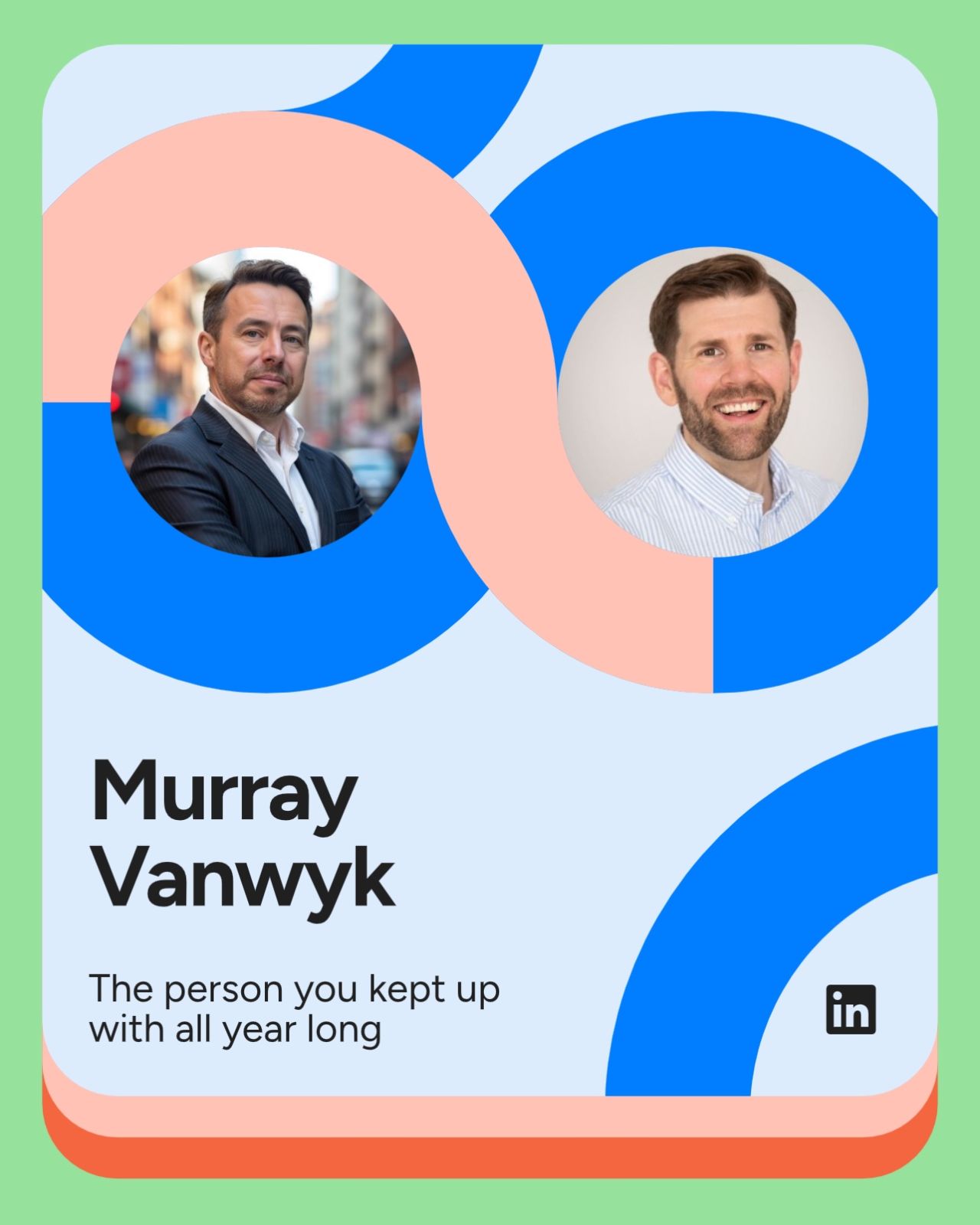
Shout out to Murray Vanwyk, the person I connected with the most on LinkedIn this year. #YearinReview - gotta stay connected you the data (people) 😃
1.7 posts/week
Posts / Week
4.7 days
Days Between Posts
1
Total Posts Analyzed
MEDIUM
Posting Frequency
31%
Avg Engagement Rate
STABLE
Performance Trend
190
Avg Length (Words)
HIGH
Depth Level
ADVANCED
Expertise Level
0.84/10
Uniqueness Score
NO
Question Usage
0%
Response Rate
Writing style breakdown
<start of post>
𝗠𝗮𝗸𝗶𝗻𝗴 𝗹𝗼𝘆𝗮𝗹𝘁𝘆 ‘𝗲𝗮𝘀𝗶𝗲𝗿’ 𝗼𝗳𝘁𝗲𝗻 𝗺𝗮𝗸𝗲𝘀 𝗶𝘁 𝘄𝗲𝗮𝗸𝗲𝗿
𝗔𝗻𝗱 𝘁𝗵𝗮𝘁’𝘀 𝗻𝗼𝘁 𝗮 𝗰𝗼𝗻𝘁𝗿𝗮𝗱𝗶𝗰𝘁𝗶𝗼𝗻.
That sounds like good UX.
But loyalty isn’t a checkout flow.
When everything is effortless, nothing feels earned.
So customers stop keeping score.
Progress disappears.
And the programme quietly becomes a discount.
Here’s the mechanism most teams miss: effort isn’t the enemy. Confusion is. If the customer knows what to do, and can see the progress, a little friction can actually increase commitment. It’s the moment where the customer decides it’s ‘worth it’. and that decision is emotional, even when the programme is rational.
This shows up everywhere.
In coffee stamps, where the sixth drink matters more than the first.
In airline tiers, where ‘nearly there’ is a psychological trapdoor.
In retail challenges, where a goal converts price-chasing into completion.
Most programmes accidentally train people to chase ‘value’.
fewer steps
instant rewards
always-on vouchers
And then they wonder why engagement decays.
If everything is ‘frictionless’, nothing feels earned.
Not because people love effort — but because they love evidence of progress.
📈 Progress beats discounts.
🧠 Memory beats ‘value’.
🧱 Friction can be the feature.
where the effort actually sits
when drop-off really happens
and whether your ‘best customers’ are just the last survivors
If your loyalty programme is getting ‘simpler’ every quarter, check what you’re really optimising ⚠️
It’s not punishment.
It’s progress.
https://lnkd.in/exampleLink
👉 𝗟𝗼𝘆𝗮𝗹𝘁𝘆 𝗶𝘀 𝗽𝗿𝗼𝗴𝗿𝗲𝘀𝘀, 𝗻𝗼𝘁 𝗽𝗲𝗿𝗸𝘀.
<end of post>
Sign in to unlock the full writing analysis
Free tools to help you write, score, and benchmark in the same style.
Other creators worth studying alongside Mark Sage.

Dr. Gleb Tsipursky
Called the “Office Whisperer” by The New York Times, I help tech-forward leaders stop overpaying for AI while boosting adoption and decreasing resistance
2 Viral Score

Kieran Flanagan
SVP Agentic GTM & Systems, Former(CMO, SVP) | All things AI | Sequoia Scout | Advisor
40 Viral Score
Dr Simon Jackson
Scaling high-impact experimentation 🚀 Ex-Meta, Canva, Booking.com
105 Viral Score

Dan Lohrmann
Cybersecurity Leader | CxO Advisor | Bestselling Author | GT Blogger: 'Lohrmann on Cyber' | Global Keynote Speaker | CISO Mentor
6 Viral Score

Ludo Baauw
CEO & Founder @ IMG - Intermax Group | Chairman NBIP | Sovereign Cloud & Security Expert | Speaker & Serial Entrepreneur
317 Viral Score
David SERVAIS
J’accompagne les dirigeants de Startups, TPE & PME à libérer du temps et augmenter leur revenus en utilisant l’IA & Automatisations.
13 Viral Score
ViralBrain plans, writes, and schedules your LinkedIn content, using official LinkedIn APIs so your account stays safe.
Write like Mark Sage.