
Ontology is having its moment. There was a time when we called it the "O word." Nothing killed a conversation with business - or IT - faster than mentioning ontology. The rule was simple: deliver valu…

3.9K416524100 viral
AI11 months ago

LinkedIn Content Strategy & Writing Style
The Knowledge Graph Guy
1 person tracking this creator on ViralBrain
Tony Seale positions himself as the definitive bridge between academic semantic theory and pragmatic enterprise AI, earning his moniker as The Knowledge Graph Guy. His content strategy centers on demystifying complex data architectures, specifically advocating for the inseparable union of ontologies and graphs to solve the "reasoning trace" gap in modern LLMs. He is notable for his contrarian defense of W3C open standards against proprietary "black box" vendor solutions, framing data interoperability as a strategic sovereign asset rather than a technical hurdle. By blending high-level philosophical inquiry with a product-led education strategy through his Knowledge Graph Academy, Seale transforms dense metadata concepts into a high-stakes narrative about organizational memory and the future of agentic AI.
38.3K
11.4K
1.6K
1.1
450
1
Ontology is having its moment. There was a time when we called it the "O word." Nothing killed a conversation with business - or IT - faster than mentioning ontology. The rule was simple: deliver valu…
NeurIPS 2025 just wrapped, and one paper caught my eye. Jiang et al. ran an extensive empirical study on something many of us have been muttering about for a while - what I've called the "beigeificat…
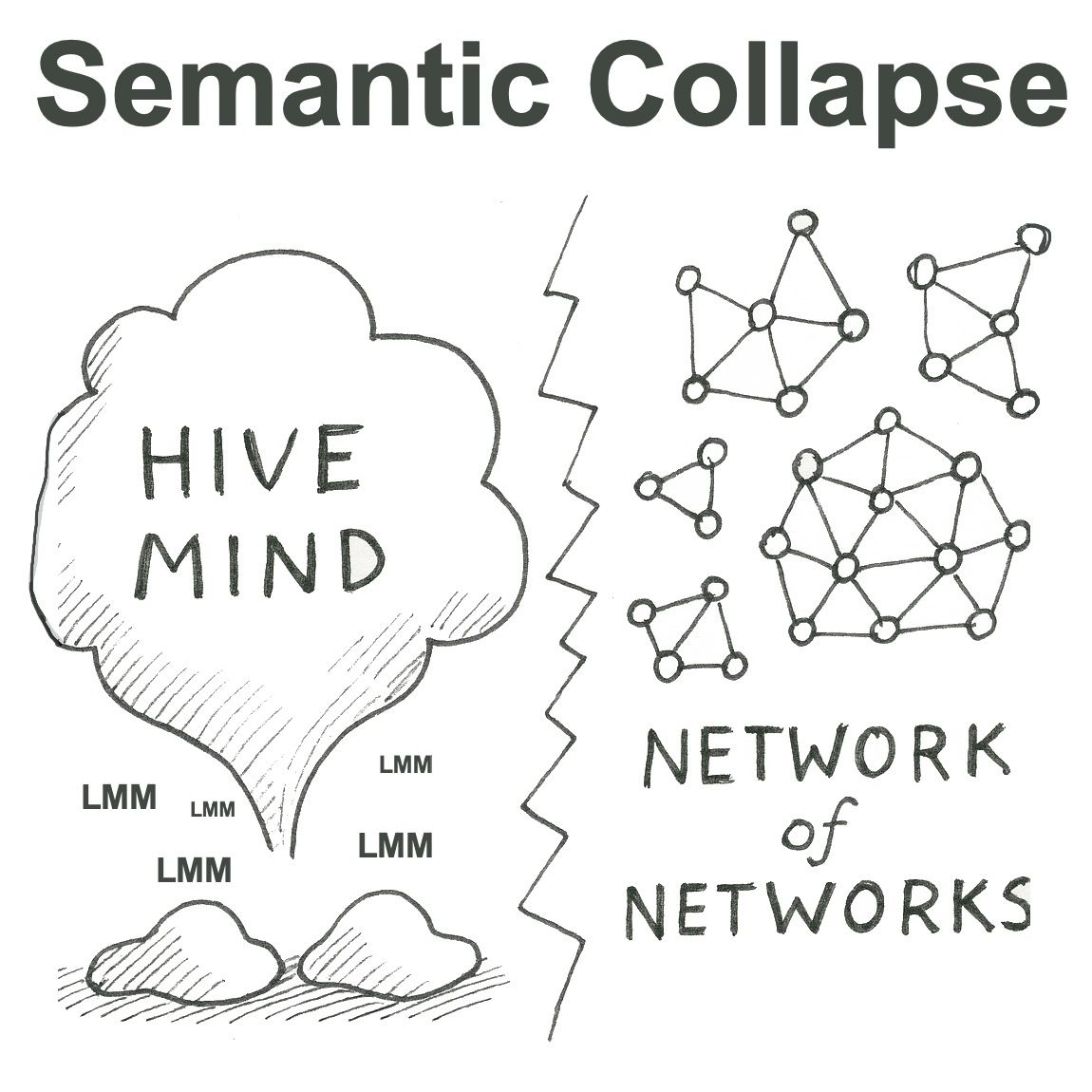
The web succeeded because it solved a coordination problem: millions of independent actors needed to link documents without central control. Open standards - HTTP, URIs, HTML - made this possible by p…

Here are my predictions for 2026: 🔵 Ontology Hits the Hype Cycle: I'm calling it early: this is the year ontology goes mainstream. By mid-2026, thousands of organisations will ask the same questio…
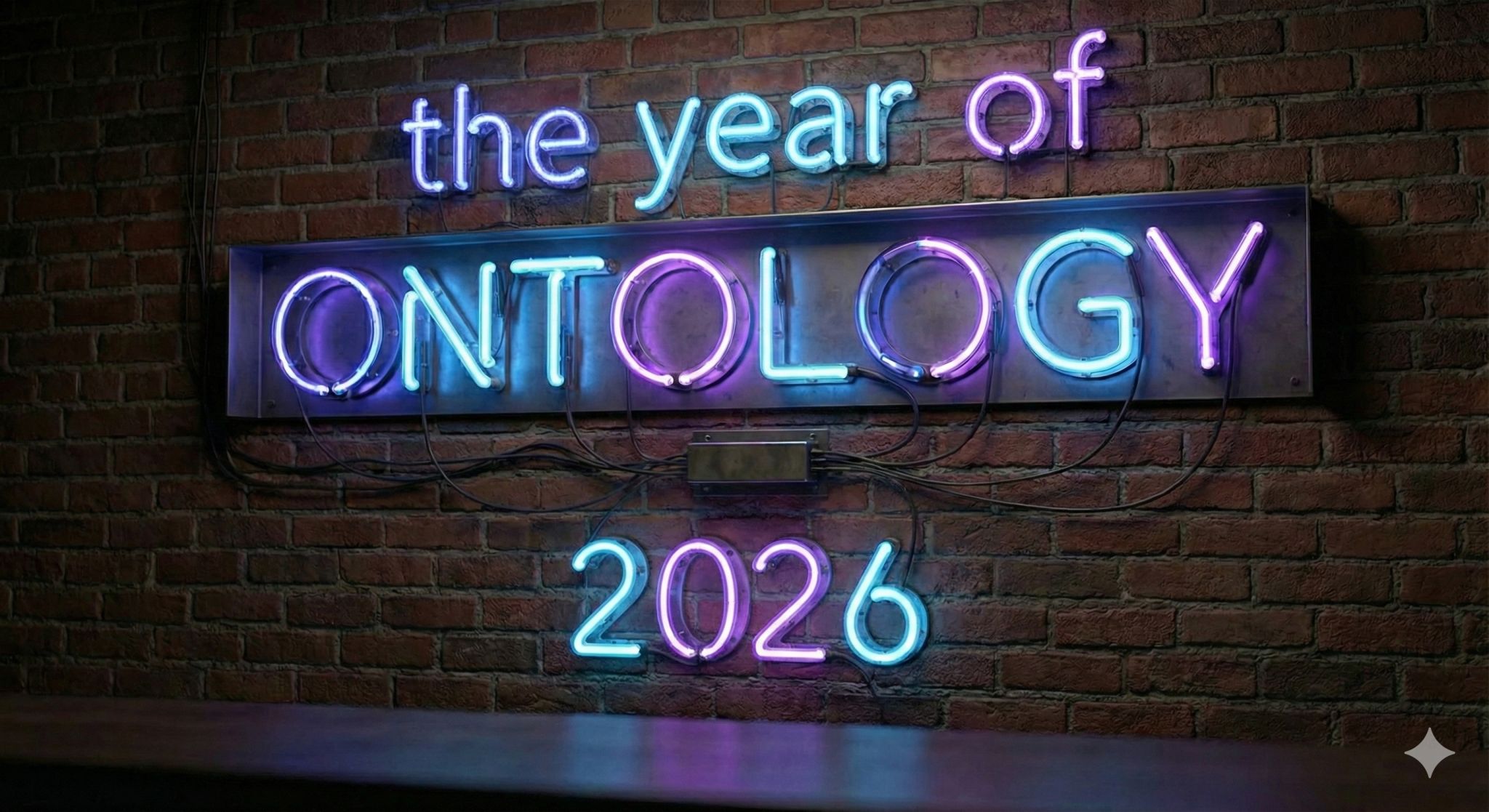
For years, as a knowledge graph practitioner, I kept hearing the same refrain: you don't need an ontology to do knowledge graphs. Too complicated. Unnecessary overhead. Just connect the data and move…

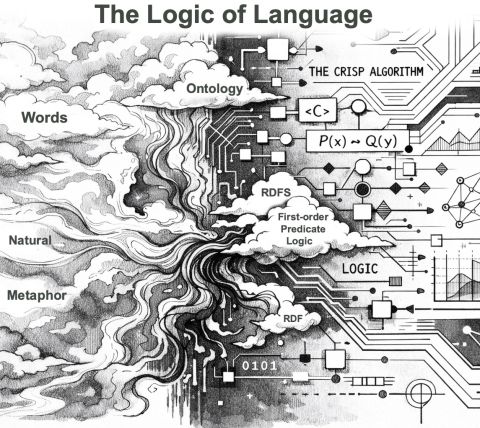
Something interesting is happening to natural language. It's moving deeper into the machine. Large language models have shifted where prose sits in the technology stack. The Model Context Protocol le…
1.1 posts/week
Posts / Week
7 days
Days Between Posts
1
Total Posts Analyzed
LOW
Posting Frequency
0%
Avg Engagement Rate
STABLE
Performance Trend
700
Avg Length (Words)
HIGH
Depth Level
ADVANCED
Expertise Level
9/10
Uniqueness Score
YES
Question Usage
0.5%
Response Rate
Writing style breakdown
Overall register: expert, intellectual, and highly articulate, but accessible and conversational rather than academic or jargon-dense.
Dominantly informative and explanatory, with a strong persuasive undercurrent. The goal is to clarify and reframe thinking, not just to describe.
Tone is confident and authoritative without sounding bombastic. The writer assumes deep expertise but avoids condescension.
Stylistically: clean, precise, and measured. No fluff, minimal hype language, and almost no clichés.
Professional and polished, but not stiff.
Uses contractions ("I'm", "don't", "that's") to keep the tone human and approachable.
Language feels like a thoughtful conference talk or a high-quality essay adapted to LinkedIn, rather than a blog rant or marketing copy.
Calm intensity: emotionally restrained but with clear conviction.
Energy builds through argument and structure, not through exclamation marks or hyperbole.
Wry humour and dry irony appear occasionally (e.g. "let's call it 'darkly amusing.'", "I'm claiming this one."), but are understated and cerebral, never slapstick.
Heavy use of conceptual contrast: pairs like "meaning and connection", "abstraction and grounding", "map with no territory / territory with no map", "expressivity vs reliability".
Frequent framing via crisp thesis statements: "Memory is the new moat.", "That context is where meaning lives."
Metaphors are used sparingly but precisely (e.g. "beigeification" of models, "connective tissue", "semantic boundary").
Short, balanced sentence pairs: "Meaning and connection. Abstraction and grounding."
Refrains and mirrored structures: "This isn't just X. We get Y, Z, and W."
Direct explanation meta-markers: "Here's the problem:", "Why now?", "The way I see it," "And that's the key insight:".
I" used for predictions, personal experience, and ownership of a position.
Inclusive community ("we, as a community, have a responsibility…")
Implicit expert community ("knowledge graph practitioners have been shouting into the void…").
You" used to address organisations, practitioners, and decision-makers directly ("you need both", "your organisation will need one").
Commands are clear but not aggressive: "Don't let anyone split what should be whole.", "You need both."
Suggestions often framed as invitations: "Whether you are…, this is your invitation."
Advisory style: "You also need to prepare for what comes next.", "You need to connect the instances, the actual data…"
Write as an expert explaining complex systems to smart peers.
Blend conceptual depth with plain language.
Use a calm, confident, slightly prophetic voice: you are mapping where things are going, not just where they are.
Sign in to unlock the full writing analysis
Free tools to help you write, score, and benchmark in the same style.
Other creators worth studying alongside Tony Seale.

Manthan Patel
I teach AI Agents and Lead Gen | Lead Gen Man(than) | 100K+ students
17 Viral Score

Jan Tegze
Director of Talent Acquisition | We're Hiring! 🚀
7 Viral Score

Anton Martyniuk
Helping 60K+ Developers Improve .NET Skills and Craft Better Software | Microsoft MVP | Technical Lead
141 Viral Score

Sanchit Narula
Lead Software Engineer at Nielsen | Previously @ Amazon, CARS24 | DTU'17
155 Viral Score

Steve Nouri
The largest AI Community 14 Million Members | Advisor @ Fortune 500 | Keynote Speaker
3 Viral Score
Aravind Srinivas
Cofounder, President & CEO, Perplexity
24 Viral Score
ViralBrain plans, writes, and schedules your LinkedIn content, using official LinkedIn APIs so your account stays safe.
Write like Tony Seale.