
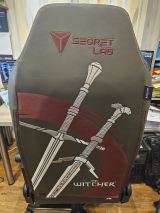
As someone who spends quite a bit of time at his desk, I've been struggling with back pain my entire adult life. And while enough physical activity is obviously the first thing to do to avoid/fix it,…
5057024 viral
Workplace Ergonomics9 months ago

LinkedIn Content Strategy & Writing Style
Operational Excellence and Automation Consultant | Power Platform Solution Architect | Microsoft Biz Apps MVP | Speaker | Author of PADFramework
1 person tracking this creator on ViralBrain
Agnius Bartninkas positions himself as a high-level technical architect and operational excellence strategist within the Microsoft ecosystem, specifically bridging the gap between Power Platform development and enterprise-grade governance. His content strategy centers on providing deep-dive technical "field reports," where he deconstructs recent release notes, identifies undocumented limitations in Power Automate Desktop (PAD), and offers pragmatic workarounds for licensing hurdles. He is particularly notable for his unfiltered transparency regarding platform bugs and "quality of life" regressions, often testing features in early release environments to warn his audience of potential breaking changes before they hit general availability. By intersecting rigorous solution architecture with a user-centric focus on ergonomics and professional well-being, Bartninkas builds a brand rooted in both technical mastery and the lived reality of a high-output consultant.
11.7K
5.3K
49
3.5
61
1
As someone who spends quite a bit of time at his desk, I've been struggling with back pain my entire adult life. And while enough physical activity is obviously the first thing to do to avoid/fix it,…
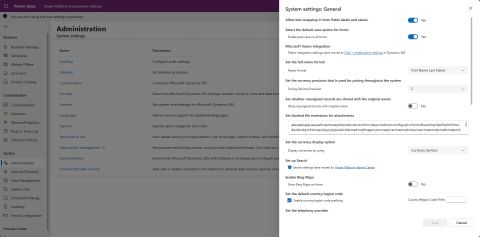
I have somehow completely missed this. The Power Platform Environment Settings app has now become the default experience for managing all environment settings from the maker portals. And I didn't eve…
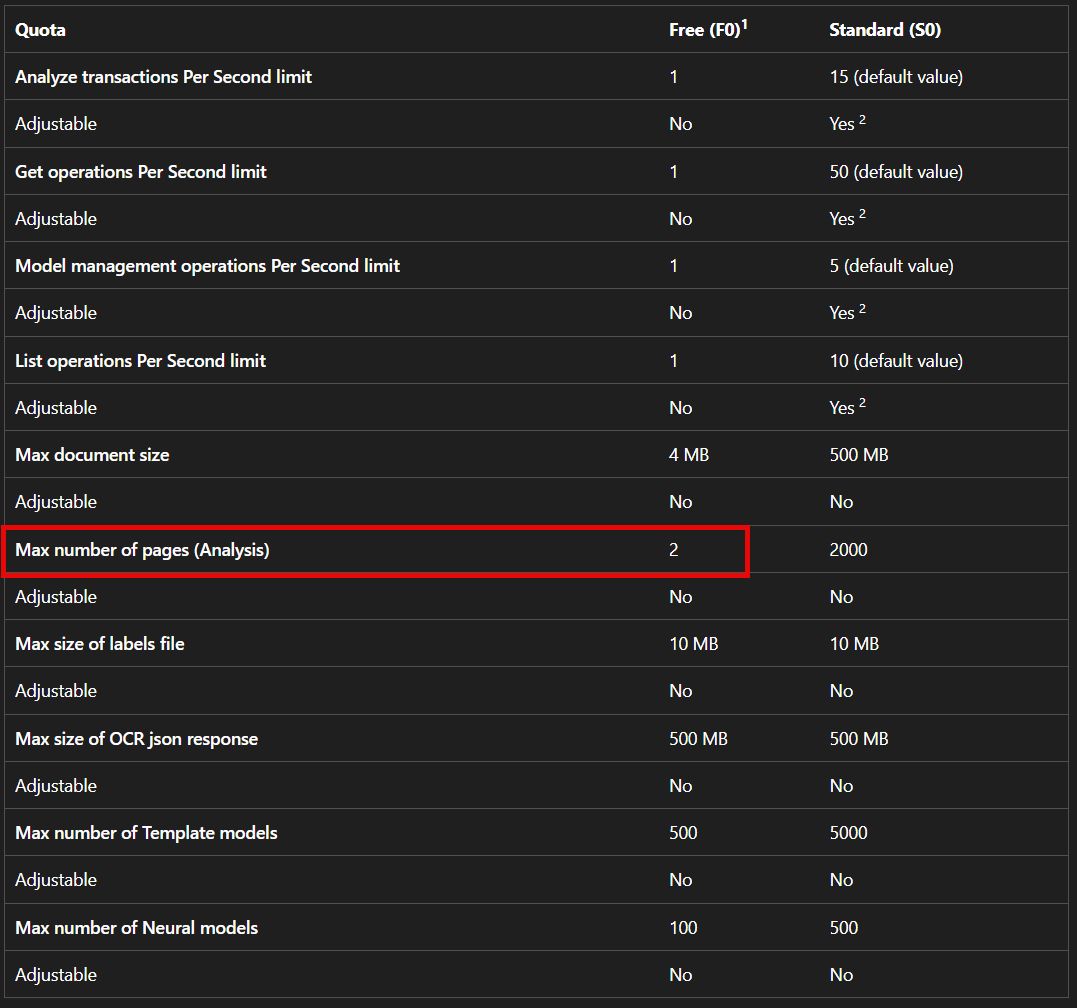
Apparently, Azure Document Intelligence is not as perfect of a solution to switching away from AI Builder for document processing in Power automate as I initially assumed. During a conversation aroun…
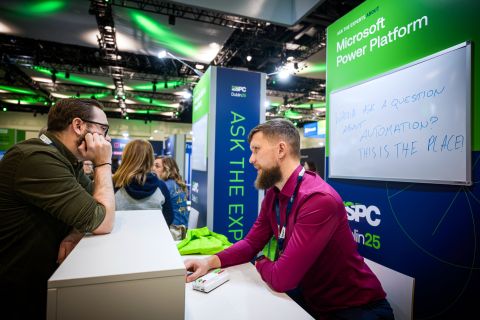
It's been almost a month since my last event for 2025 - the ESPC in Dublin. The times were busy, and I was also waiting for some more of the official photos from the event to pop up. Now that they d…
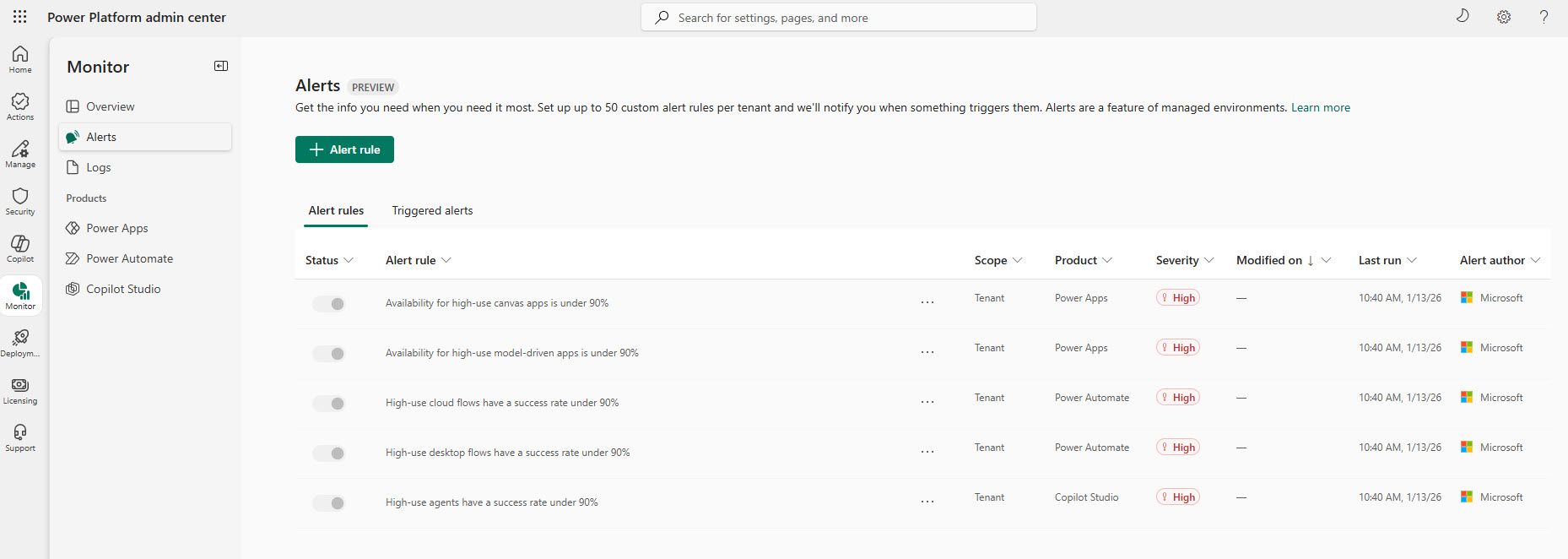
Microsoft has added some preconfigured alerts to the Power Platform Admin Center Monitor menu last month and pushed them to public preview globally. I guess this is a reasonable next step after intro…
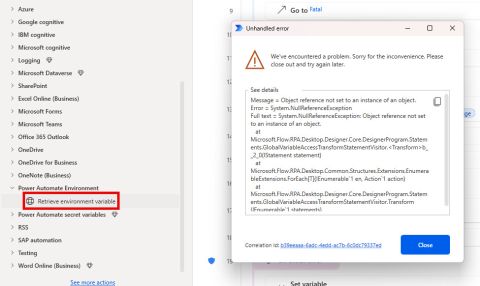
The first release of 2026 for Power Automate Desktop (version 2.64) has landed in some early release environments late last week. I had a quick look and didn't find much. But there was one thing that…
3.5 posts/week
Posts / Week
2.2 days
Days Between Posts
1
Total Posts Analyzed
HIGH
Posting Frequency
49.1%
Avg Engagement Rate
STABLE
Performance Trend
400
Avg Length (Words)
HIGH
Depth Level
ADVANCED
Expertise Level
9/10
Uniqueness Score
YES
Question Usage
0.5%
Response Rate
Writing style breakdown
Overall tone is professional, expert, and informative, but also quite conversational and personal.
The voice is that of a highly experienced practitioner talking to peers, not a marketer talking to leads.
It is analytical and nuanced rather than hype-driven, even when enthusiastic about a feature.
Style is methodical and structured, not free-flowing; thoughts are clearly segmented into logical blocks.
Medium formality: uses contractions and colloquial phrases, but maintains precise technical vocabulary.
Not academic; closer to a blog / LinkedIn thought-leadership style for professionals.
Grammar is mostly correct, but not obsessively polished; slight imperfections are allowed to keep a human feel.
Generally calm, balanced, and reflective.
Uses words like 'huge', 'really big things', 'truly excited', 'no-brainer', 'absolutely worth'.
But this enthusiasm is always followed by detailed reasoning and caveats.
Rare spikes of strong emotion are usually positive (excitement, gratitude, appreciation) or mild annoyance (e.g. unnecessary pop-ups, limitations).
Personal opinion markers: 'I personally find...', 'I honestly think...', 'I guess...', 'I would argue...', 'if you ask me.'
Soft hedging: 'seems to', 'most likely', 'probably', 'in most cases', 'might', 'could', 'likely'.
Clarifying parentheticals in brackets: '(as shown in the screenshot)', '(see link in the comments)', '(most likely because...)'.
Mild rhetorical questions to highlight ambiguity or design issues.
Explaining the practical impact of features.
Calling out caveats, edge cases, or inconsistencies.
Distinguishing theory from what has actually been tested in real environments.
Primarily first-person singular ('I') plus occasional inclusive 'we'.
When giving recommendations: 'if you're on the lookout for a sturdy chair...'
When describing what users might experience: 'you would need to create some additional logic...'
Tone towards the reader is respectful, assuming technical competence and shared context.
'It would make sense to...', 'It might be worth...', 'we would need to...', 'I can absolutely see SMEs... benefiting...'
Imperatives exist but are framed as reasonable steps: 'make sure to check out the solution version...'.
'It makes a lot of sense to consider...', 'could probably be...', 'we can finally use them properly...'
'So, if you have updated but don't see it, make sure to check out the solution version in your environment.'
Sign in to unlock the full writing analysis
Free tools to help you write, score, and benchmark in the same style.
Other creators worth studying alongside Agnius Bartninkas.

Ethan Mollick
Associate Professor at The Wharton School. Author of Co-Intelligence
27 Viral Score
Shivani Virdi
AI Engineering | Founder @ NeoSage | ex-Microsoft • AWS • Adobe | Teaching 70K+ How to Build Production-Grade GenAI Systems
33 Viral Score

Angel Serrano Ceballos
Co-Fundador & CEO zityhub | Top Voice. Future of Work | zityhub, la tecnología que facilita a las empresas la gestión de la flexibilidad y la experiencia del profesional. Activista de la Revolución Flexible. Maratoniano.
120 Viral Score

Sascha Muckenhaupt
Service Product Development and Management | Workplace Experience | Sustainability | Diversity, Inclusion & Mobility
92 Viral Score

Guillaume De Sá
Growth Engineer & Founder | Bootstrapped All the Way
80 Viral Score

Maria Inês Amaro
Editor in Chief @TheSocialGrowthEngineers
207 Viral Score
ViralBrain plans, writes, and schedules your LinkedIn content, using official LinkedIn APIs so your account stays safe.
Write like Agnius Bartninkas.