
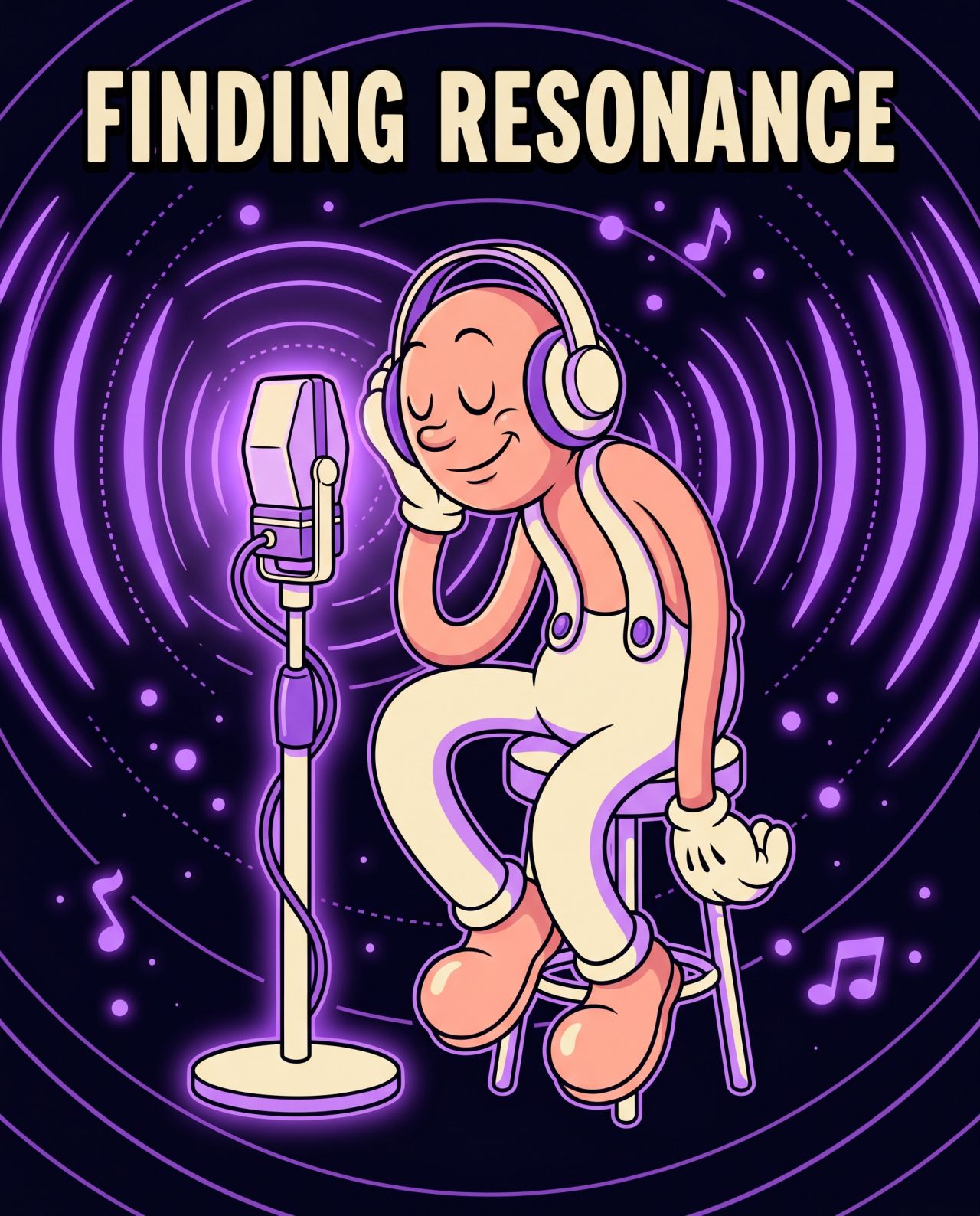
Next Thursday a podcast I've been preparing for months goes live. It is called Finding Resonance. The first guest is Francesco Sarcone, a sound artist who turned the sounds of cooking (pots, pans, s…
2829169 viral
5 months ago

LinkedIn Content Strategy & Writing Style
0 people tracking this creator on ViralBrain
This creator positions themselves as a human-centered AI strategist who helps organizations adopt new tools without surrendering judgment, creativity, or culture. Their content moves between practical systems thinking - using Claude Code to remove GTM “glue work,” shipping privacy fixes in the same PR, and designing adoption around existing workflows - and deeper questions about what technology should leave human. They stand out by pairing operational specificity with philosophical range, connecting Salesforce inefficiencies and cookie banners to music, nature, bias, and attention. The emerging Finding Resonance podcast and Mundaine Dojo extend that intersection into education, experimentation, and public inquiry.
2.2K
1.5K
28
221
20
Next Thursday a podcast I've been preparing for months goes live. It is called Finding Resonance. The first guest is Francesco Sarcone, a sound artist who turned the sounds of cooking (pots, pans, s…
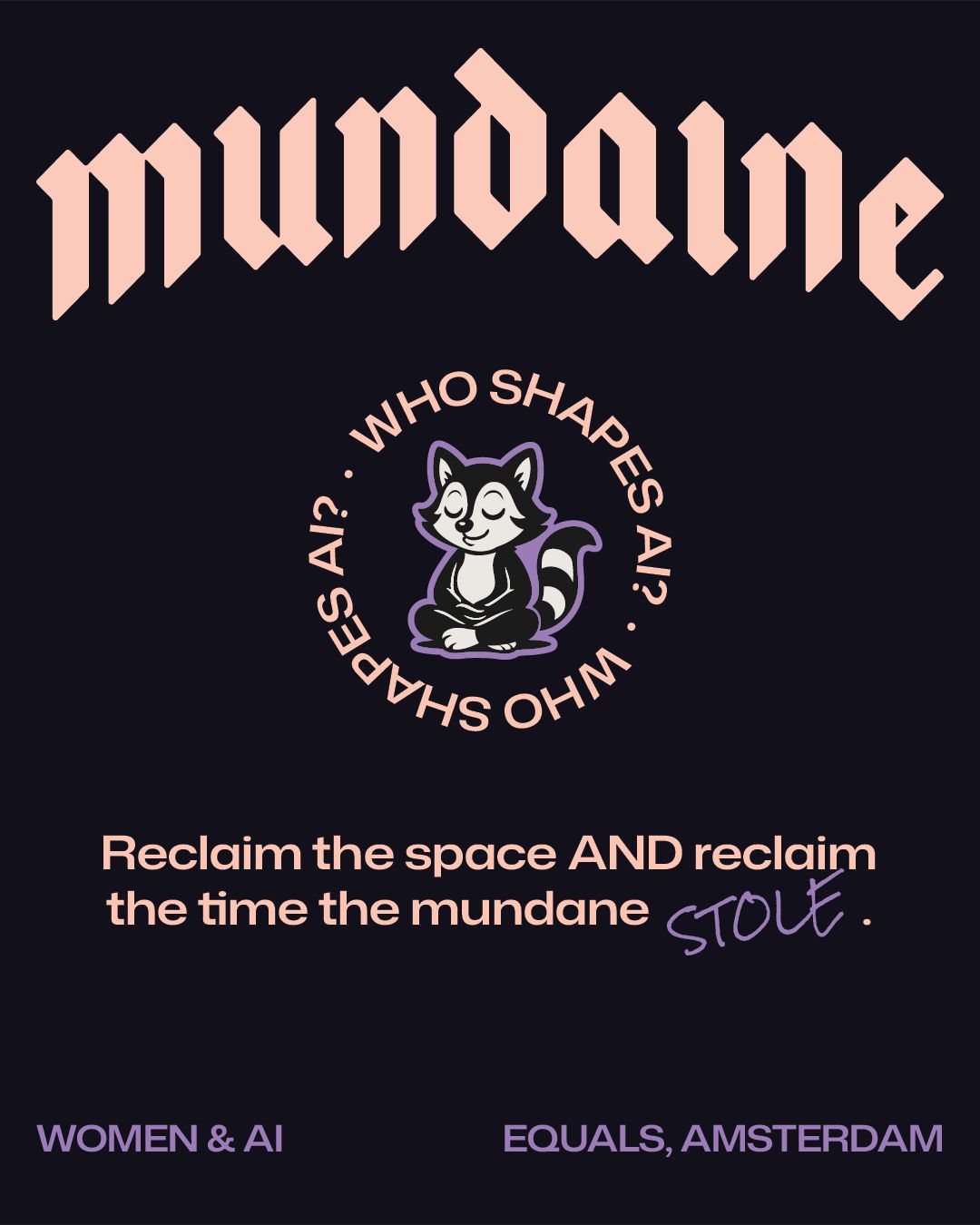
There's a narrative going around that women should step back from AI. The data is biased, so why lean in? I think that's the worst possible move. Because the bias is real, stepping back only widens…
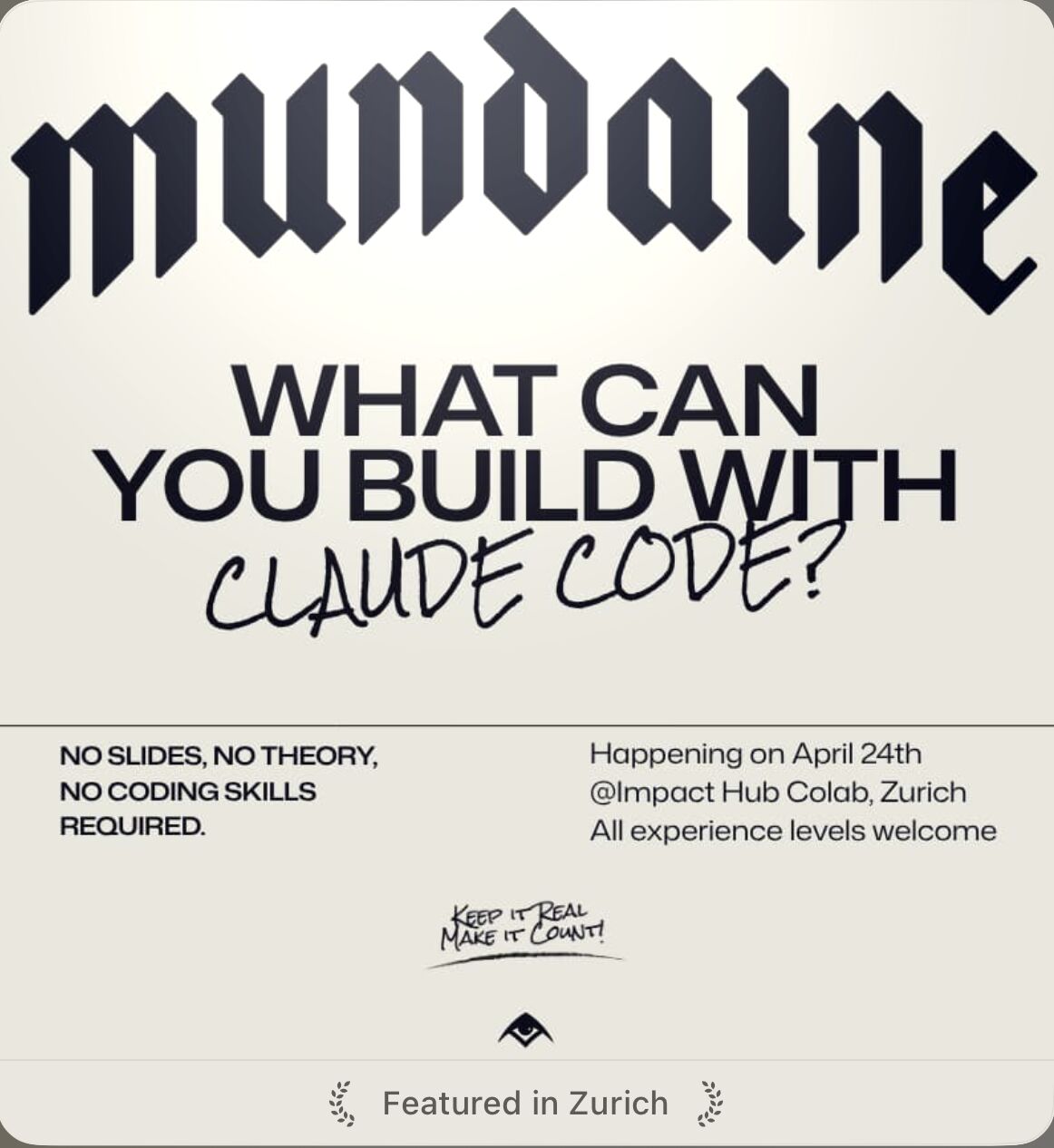
I went quiet on LinkedIn for a month. The reason: Claude Code. For 5 months I've been experimenting, building, and pushing my second brain into a completely new sphere. And I slowly forgot to post.…
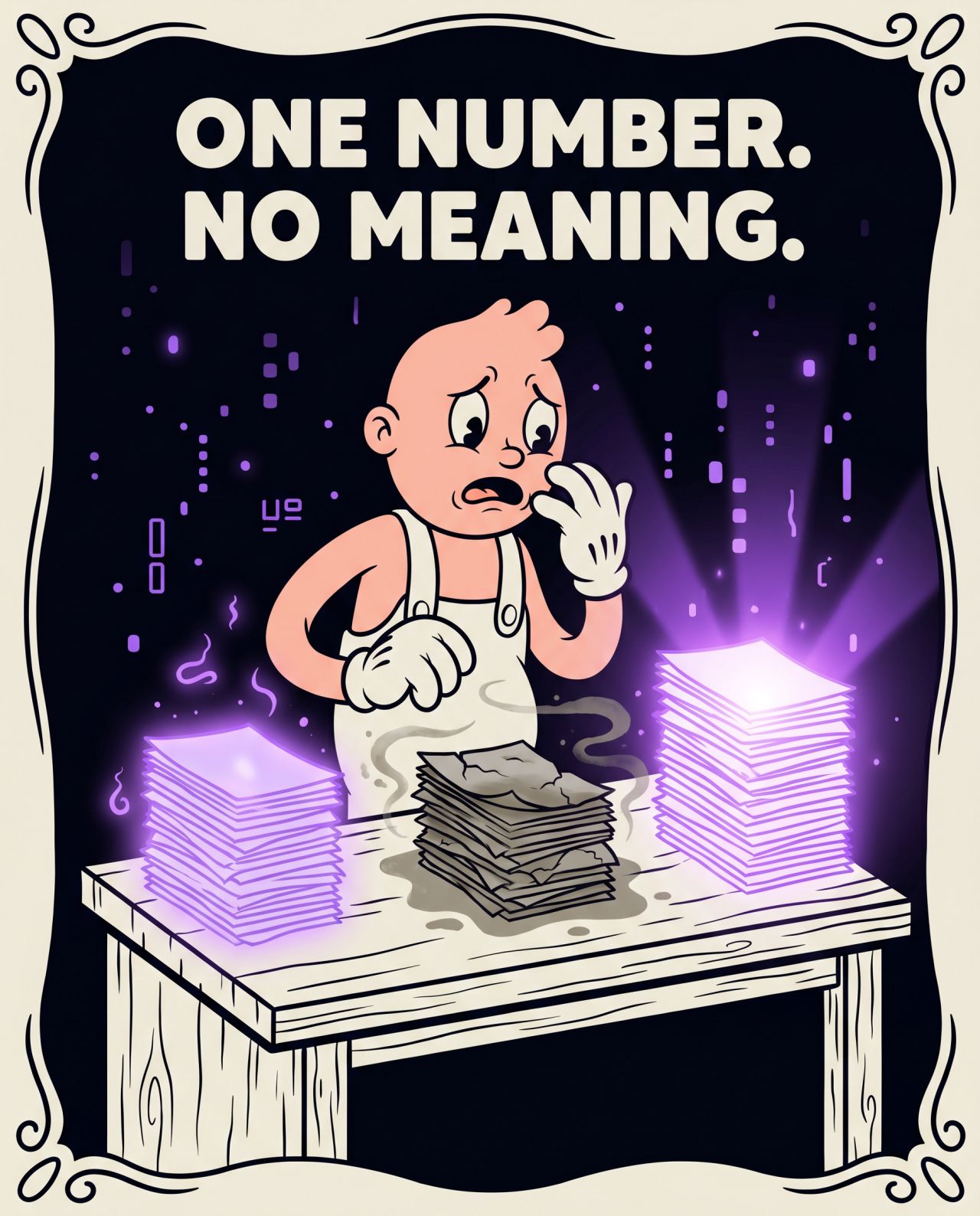
Averaging leadership and employee feedback is how you get one number ...that means nothing. A client of mine was about to send out a single culture-and-AI questionnaire to leadership and employees.…
Touch grass friends... My productivity was going through the roof. But something was missing. I was completely ignoring the one thing I kept telling my people as CIO: Keep 20% of your time idle. Plan…
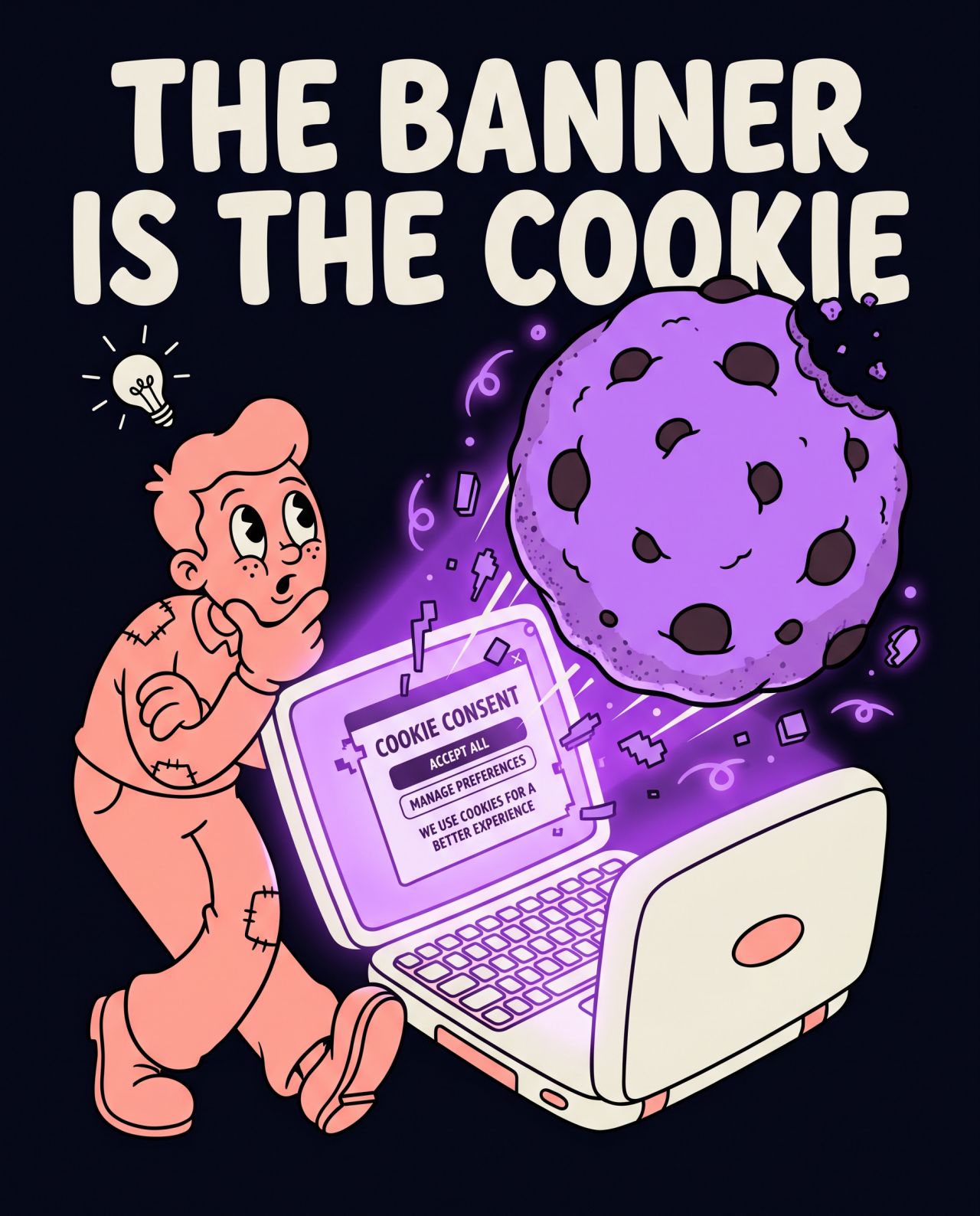
Installed a cookie consent banner today. The banner is the first cookie. A consent management platform doesn't reduce your cookie surface. It creates one. Any privacy policy that says 'no cookies' go…
0.2 posts/week
Posts / Week
20
Total Posts Analyzed
LOW
Posting Frequency
28.1%
Avg Engagement Rate
STABLE
Performance Trend
350
Avg Length (Words)
HIGH
Depth Level
ADVANCED
Expertise Level
9/10
Uniqueness Score
YES
Question Usage
0%
Response Rate
Writing style breakdown
<start of post>
Most AI projects do not fail because the model is bad.
They fail because nobody changed the Tuesday.
A team can spend six weeks comparing tools, writing prompts, building a beautiful demo, and preparing the rollout deck.
Where does this fit into my day?
That is the question most adoption plans leave until the end. It should be the first one.
Because a tool is not adopted when people understand what it does. It is adopted when using it feels easier than continuing the old way.
I watched a team build an impressive internal assistant. It could search documents, summarize meetings, draft follow-ups, and answer questions about the company handbook.
Everyone loved the demo.
Three weeks later, almost nobody was using it.
The problem was not accuracy. The problem was that people had to leave the place where they already worked, find the assistant, remember the right prompt, copy the answer back, and then check whether it had missed anything.
That is not an adoption problem.
That is a workflow problem.
So we moved the assistant into the process they were already following. The meeting notes created the draft. The draft appeared where the team expected it. The person still made the judgment, but the blank page disappeared.
Usage changed immediately.
Not because we gave people more training. Because we removed one small piece of friction.
This is the part of AI adoption that gets underestimated. The technology is visible. The behavior change is not.
You see the model. You do not see the five tiny decisions someone has to make before they can use it.
Where do I start?
What do I give it?
Can I trust the result?
What happens next?
Who owns the mistake?
If those questions are unanswered, the rollout becomes another tab people are supposed to remember.
And people are already very good at forgetting tabs.
The best AI implementation I see is rarely the most impressive one. It is the one that quietly absorbs the mechanical step everyone had accepted as normal.
The research before the call.
The cleanup after the meeting.
The first draft nobody wants to write.
The context switching between systems.
Leave the judgment with the person.
Remove the drag around it.
That is where adoption starts.
Not with "log in here."
With "this already fits where you are."
What is one workflow in your company that still makes people leave the place where the work actually happens?
<end of post>
Sign in to unlock the full writing analysis
Free tools to help you write, score, and benchmark in the same style.
Other creators worth studying alongside .
Lubomir Nokov
Co-founder and CEO at Harmonica Foods
627 Viral Score

Philip Miller
AI Strategist at Progress | Perplexity AI Business Fellow | Delivering Human-Centric AI
45 Viral Score

Kurt Cagle
Editor In Chief @ The Cagle Report | Ontologist | Author | Iconoclast
12 Viral Score

Tony Seale
The Knowledge Graph Guy
450 Viral Score

Abdirahman Jama
Software Development Engineer @ AWS | Opinions are my own
239 Viral Score

Lara Acosta
Entrepreneur and investor building businesses online | Forbes 30u30 | Helped 5,000+ people build their personal brands, go viral and land clients on LinkedIn.
126 Viral Score
ViralBrain plans, writes, and schedules your LinkedIn content, using official LinkedIn APIs so your account stays safe.
Write like this creator.