
My dad has cancer. Mom’s a caregiver herself, and just had a hip replacement. My brother and I are having conversations we used to call hypothetical. We’ve got it easy: they're stable and don't need…

3551341631 viral
Employee Wellbeing6 months ago

LinkedIn Content Strategy & Writing Style
Future of Work strategist & bestselling author | Advisor on AI, culture & organizational transformation | Work Forward newsletter free weekly | CEO @ Work Forward | EIR @ Charter | Sr Advisor @ BCG | ex-Google, Slack
0 people tracking this creator on ViralBrain
Brian Elliott positions himself as a human-centered future of work strategist, translating AI, organizational transformation, and workplace culture into practical leadership guidance. His content consistently examines the gap between executive intent and employee experience, using research, surveys, and examples from Atlassian, Duolingo, Gallup, and Charter to challenge mandates around office attendance, AI adoption, middle management, and efficiency. He stands out by treating workforce anxiety, joy, learning, and trust as operational variables rather than soft concerns, while grounding arguments in data and candid personal reflection. His work uniquely intersects independent research, executive advising, and public education, turning initiatives like the Charter AI Pulse and Work Forward newsletter into vehicles for more honest workplace change.
35.1K
7.2K
84
33
25
My dad has cancer. Mom’s a caregiver herself, and just had a hip replacement. My brother and I are having conversations we used to call hypothetical. We’ve got it easy: they're stable and don't need…
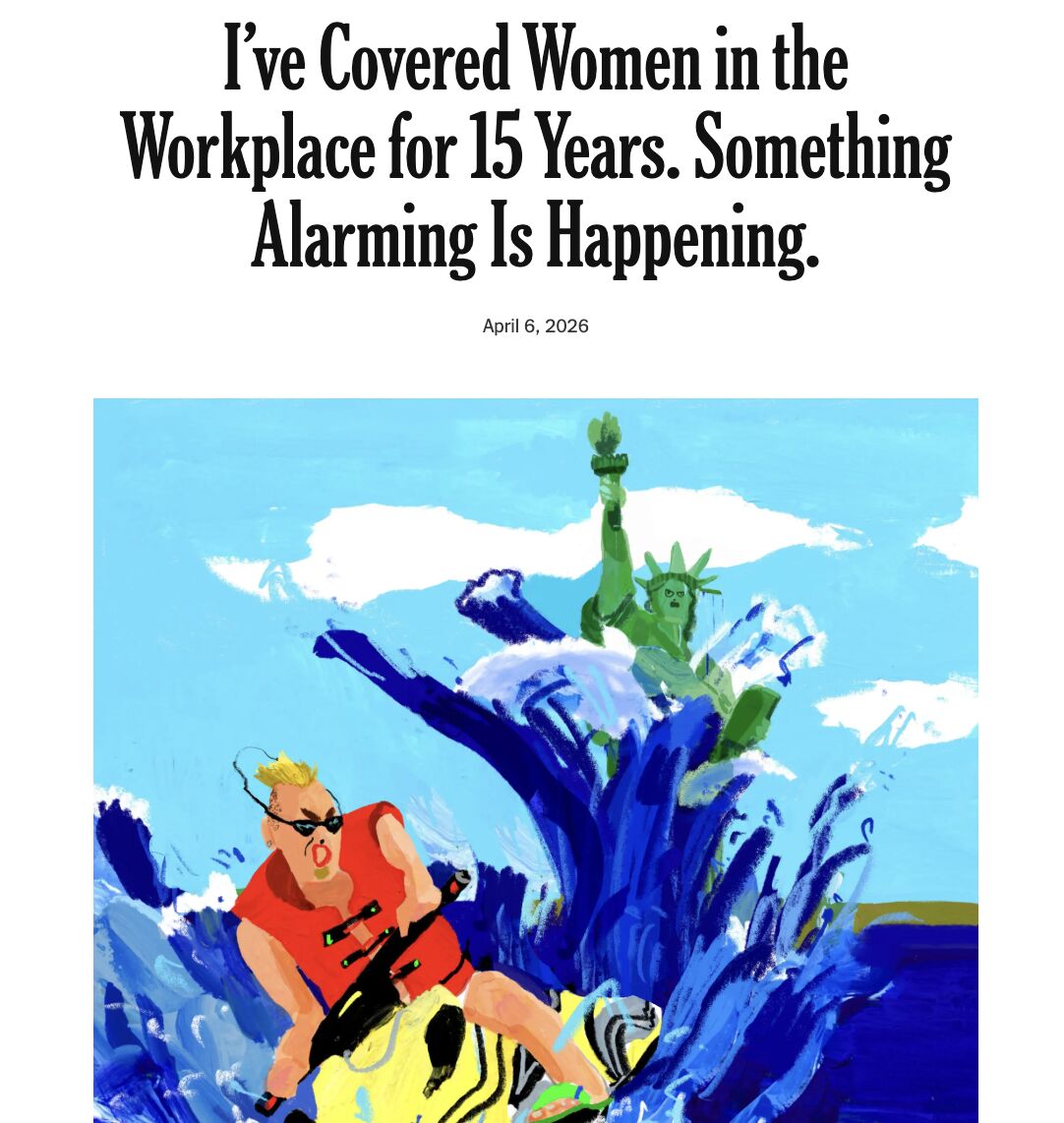
Silence is a choice. In a recent HBR piece, sociologists Frank Dobbin and Alexandra Kalev found that mentorship programs, training academies, and family-friendly scheduling (initiatives open to all e…
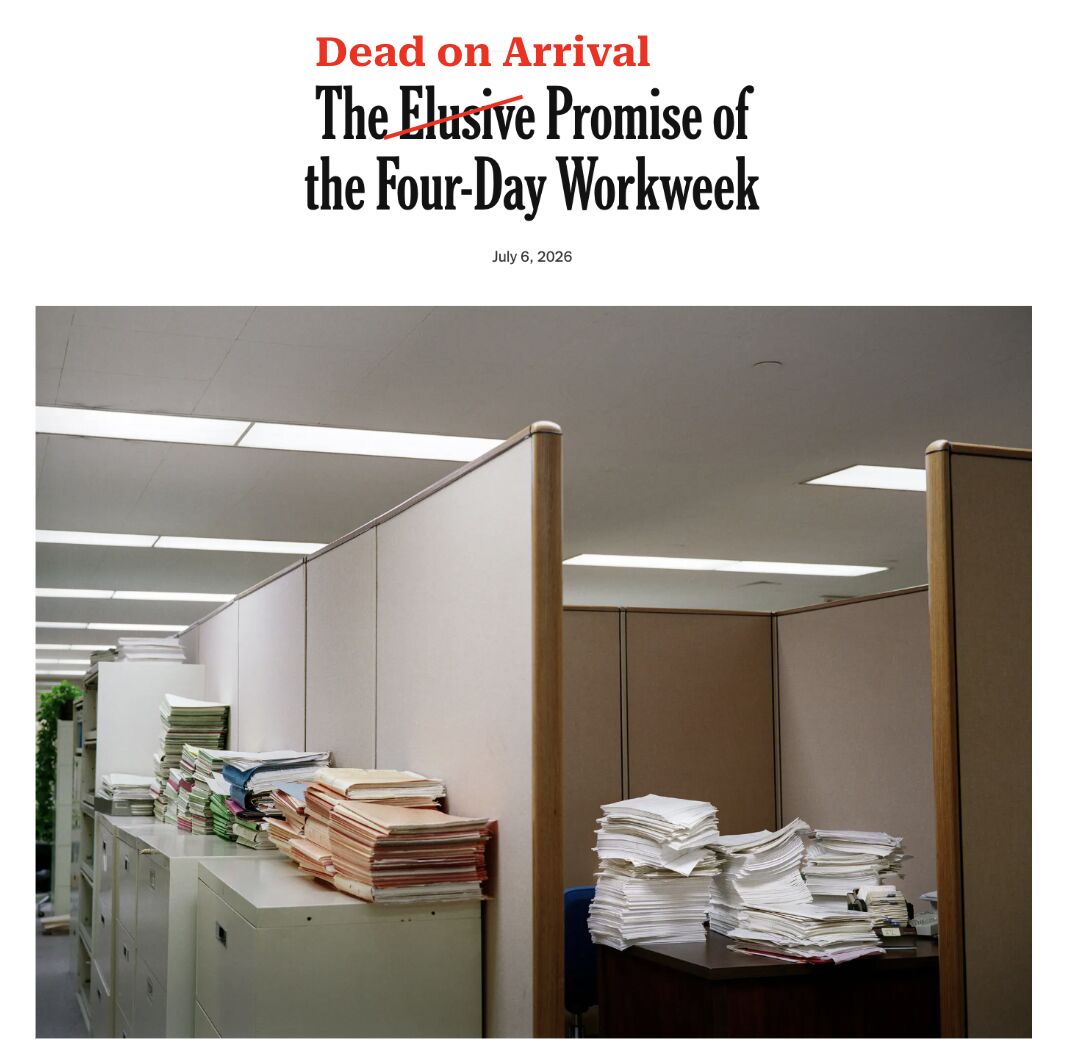
The four-day workweek AI promised looks dead on arrival. Tech workers' biggest fear about AI isn't losing their jobs, it's being buried by them. AI is expanding people's capabilities, but also their…
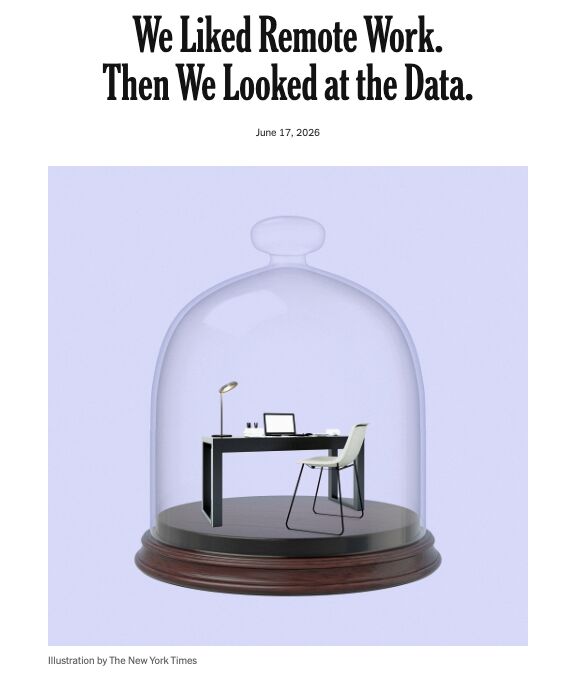
Is remote work causing loneliness? Will CEOs use the latest OpEd to push RTO again? The first one's debatable, the second is inevitable (if limited). A new study in Science covered in today's NYTime…
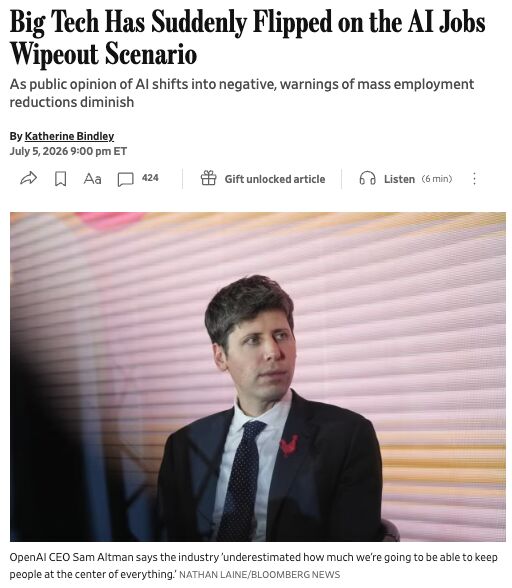
Big Tech CEOs get the memo: AI job fears are slowing adoption. The bigger question: have they just said "it's a bubble"? Many CEOs have changed their tone from doom to boom when it comes to AI. Davi…
Nobody at Atlassian is required to come into the office, and attendance went up 9% last year anyway. There are lots of ways to get office attendance up if you're looking for appearances, but the bett…
5.0 posts/week
Posts / Week
25
Total Posts Analyzed
HIGH
Posting Frequency
83.6%
Avg Engagement Rate
STABLE
Performance Trend
360
Avg Length (Words)
HIGH
Depth Level
ADVANCED
Expertise Level
9/10
Uniqueness Score
YES
Question Usage
0%
Response Rate
Writing style breakdown
<start of post>
The AI strategy that lives in your slide deck is not the strategy your people experience.
Leaders are talking about productivity, transformation, and competitive advantage. Employees are trying to figure out whether the new tool will save them twenty minutes or make their jobs impossible to recognize.
Both things can be true.
AI can remove the boring work. It can also remove the work where people built judgment, learned the business, and figured out how to handle the weird exception nobody wrote down.
That’s the part we keep missing. The question is not just what AI can do. It’s what people need to keep doing in order to become good at the work.
One team told us they had automated a task that everyone hated. Great outcome. Except the task had also been where new people learned how customers actually behaved. Once it disappeared, the team had fewer complaints and fewer people who understood what was happening underneath the dashboard.
Efficiency went up. Capability went down.
This is why “automate everything” is not a strategy. It’s a bet, and most companies aren’t naming what they’re betting.
Sign in to unlock the full writing analysis
Free tools to help you write, score, and benchmark in the same style.
Other creators worth studying alongside Brian Elliott.
Jack Barsky
From KGB Spy to Fortune 500 CIO: The Ultimate Authority on Influence, Human Behavior & Leadership | The Keynote Choice of The Fortune 100 & Ivy League Institutions
Stefano Puntoni
Wharton Professor and Behavioral Scientist
16 Viral Score

Ronnie Parsons
Helping solo founders build thriving businesses with AI | Community & Implementation | Founder @ Mode Lab & Mighty AI Lab
243 Viral Score

Maria Ledentsova
I help you build a personal brand that attracts clients & opportunities | Resources & actionable content systems | Notion Ambassador | GrowthMentor
90 Viral Score

Nick Saraev
Founder at Maker School: the straightest-line path to building & scaling your AI agency (2,600+ members, $300K+ MRR) | Co-founder at LeftClick, an AI growth agency serving multibillion dollar portfolio companies
189 Viral Score

Felix Haas
Design at Lovable, Angel Investor
97 Viral Score
ViralBrain plans, writes, and schedules your LinkedIn content, using official LinkedIn APIs so your account stays safe.
Write like Brian Elliott.