
I moved from data analytics → data science → building AI systems. If I had to start again, these are the resources I’d come back to: (Save this for later ⭐ you’ll come back to it) ➤ 𝗚𝗶𝘁 Track ch…

6307188100 viral
AI Engineering11 months ago

LinkedIn Content Strategy & Writing Style
Data Scientist | I build and share ML/AI systems
1 person tracking this creator on ViralBrain
Markus positions himself as a pragmatic architect of AI systems who bridges the gap between theoretical data science and production-ready engineering. His content strategy centers on "layered learning," where he deconstructs complex topics like agentic RAG, multi-modal OCR, and document preprocessing into reproducible blueprints and visual tools. What makes him notable is his focus on the unsexy middle-mile of AI—the messy reality of chunking strategies, parameter tuning, and data validation—rather than just chasing model hype. By intersecting hands-on software craftsmanship with ML transparency, he transforms his personal transition from analytics to AI engineering into a high-value roadmap for others looking to build sophisticated, non-trivial systems.
10.7K
4.5K
279
5.9
314
1
I moved from data analytics → data science → building AI systems. If I had to start again, these are the resources I’d come back to: (Save this for later ⭐ you’ll come back to it) ➤ 𝗚𝗶𝘁 Track ch…
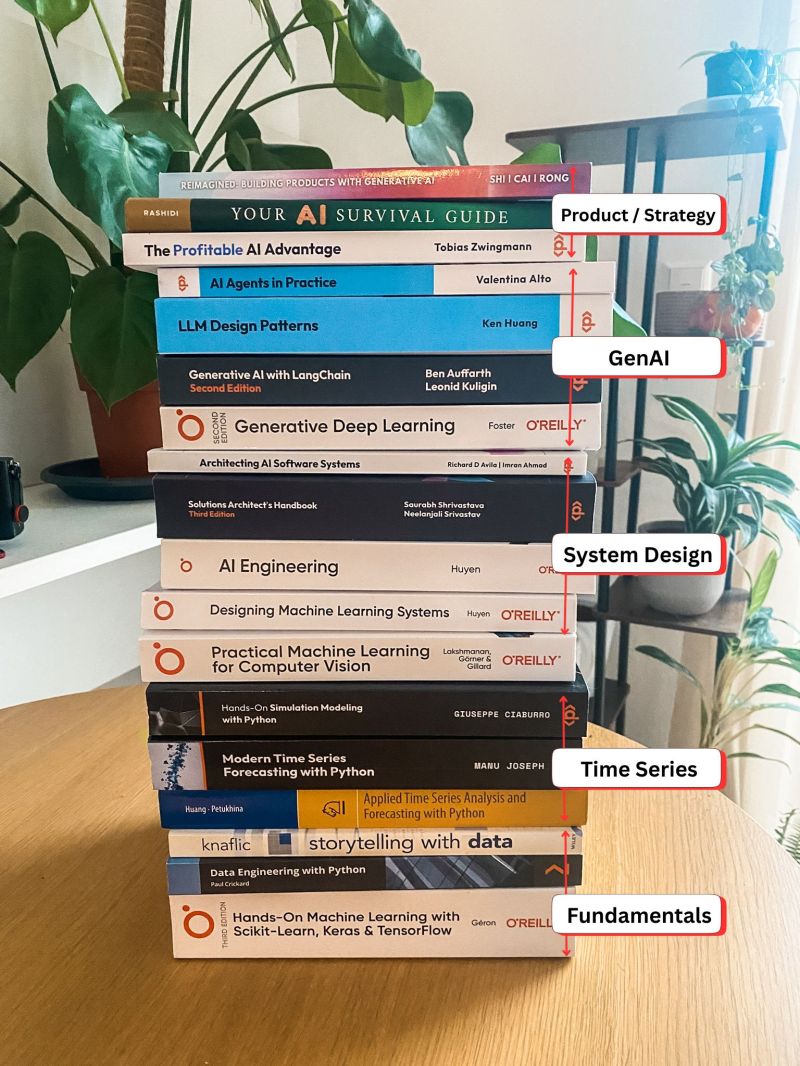
I’ve read these AI books over the past few years. They helped me go from data analytics → data science → to building AI systems. So here’s my bookshelf: 📌 𝗙𝘂𝗻𝗱𝗮𝗺𝗲𝗻𝘁𝗮𝗹𝘀 → Hands-On Mach…
Most ML/AI engineers learn theory for RAG. But they never learn how to chunk real documents with tables, visuals or multi-column layouts. These are the chunking techniques that actually matter: 1️⃣…
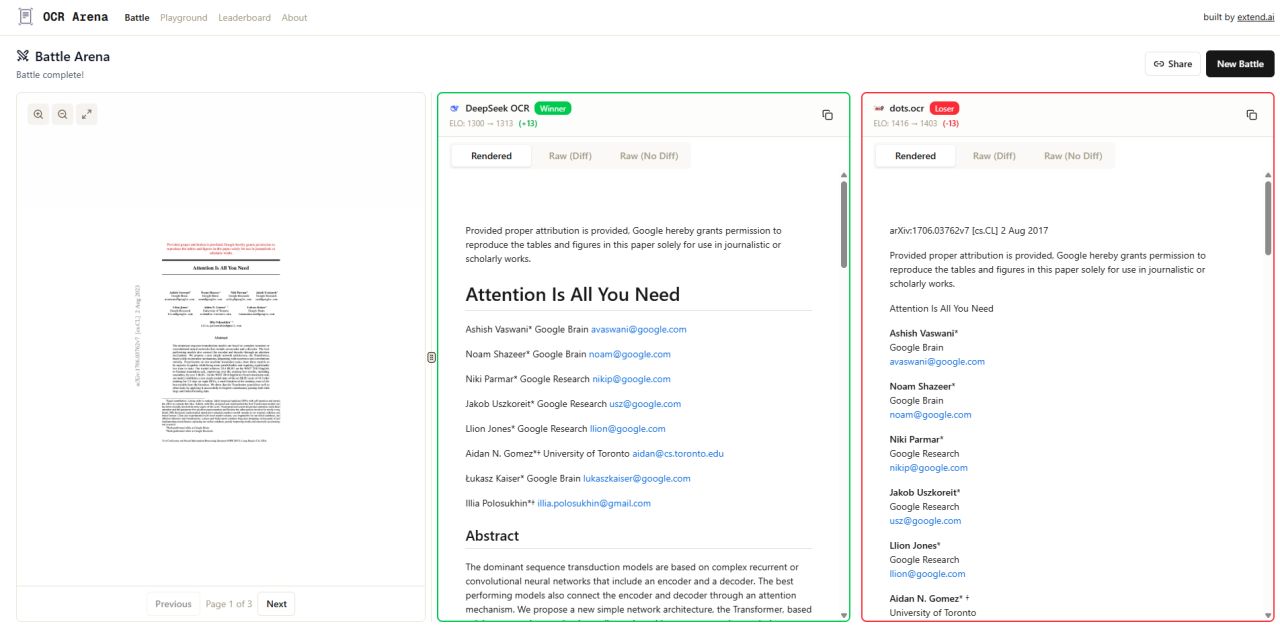
“Which OCR model is best?” Wrong question. The real one is: 𝗪𝗵𝗶𝗰𝗵 𝗼𝗻𝗲 𝘄𝗼𝗿𝗸𝘀 𝗯𝗲𝘀𝘁 𝗼𝗻 𝘆𝗼𝘂𝗿 𝗱𝗼𝗰𝘂𝗺𝗲𝗻𝘁𝘀? Because the hard part of document AI isn’t inference. It’s what…
One year ago, I wrote my first post. Today, 𝟭𝟬,𝟬𝟬𝟬 𝗽𝗲𝗼𝗽𝗹𝗲 𝗳𝗼𝗹𝗹𝗼𝘄 𝘁𝗵𝗶𝘀 𝗷𝗼𝘂𝗿𝗻𝗲𝘆. Three short breaks to recharge. The rest? I showed up 3–5 times a week. Even when I didn’…

Stop starting from scratch If you want to level up in ML, stop building throwaway projects. Most people follow this loop: - Do a tutorial - Finish a small demo - Start over from zero for the next to…

5.9 posts/week
Posts / Week
1.4 days
Days Between Posts
1
Total Posts Analyzed
HIGH
Posting Frequency
278.8333333333333%
Avg Engagement Rate
STABLE
Performance Trend
300
Avg Length (Words)
HIGH
Depth Level
ADVANCED
Expertise Level
8/10
Uniqueness Score
YES
Question Usage
0.8%
Response Rate
Writing style breakdown
Professional yet conversational, optimised for LinkedIn-style expert content.
Highly informative and practical, with a strong “curated guide” and “mentor” vibe.
Direct, precise, and value-dense; avoids fluff but still feels human and approachable.
Mildly persuasive (nudging action), but not salesy except in explicit product posts, where the tone remains educational-first.
Not poetic; uses clean, concrete language. Occasional light rhetorical flair (short hooks, reframed questions).
Semi-formal: plain language, no slang, but not stiff.
Reads like a thoughtful expert talking to peers or ambitious learners.
Avoids jargon unless audience is clearly technical; when jargon is used, it’s contextualised.
Medium energy, calm confidence.
Motivational but not “hypey” – emphasis on consistency, process, and real-world learning.
Emotion is expressed in controlled ways: gratitude, reflection, excitement about learning, but no dramatics or exaggeration.
Very strong hooks in first 1–2 lines: reframed questions, surprising contrasts, personal milestone, or sharp imperative (e.g., “Stop starting from scratch”).
Rhetorical reframing (“Wrong question. The real one is: …”).
Parallelism (3-item lists of actions or principles).
Here’s what matters” style lists (resources, techniques, steps).
Teaching orientation: explanations are compact, actionable, and organised by “when to use / why it matters”.
Frequent meta-advice about learning itself (layered learning, consistency, public learning).
Mix of first-person singular (“I”) and second-person (“you”).
Sharing path or experience.
Justifying why the advice/resources matter.
Direct guidance and calls to action.
Making the reader imagine their own context (“If you’re learning or building too:”).
Occasional inclusive “we” (implied community), especially in closing lines (“Let’s keep building.”).
Pick one or two, build with them…
Start. Build. Share. Iterate.
Stop starting from scratch
If you’re tired of starting from zero, design your next project as a foundation…
If you’re learning or building too:
Key instructional lines are usually firmly imperative. Conditionals are used to set context or empathy, not to dilute the advice.
Sign in to unlock the full writing analysis
Free tools to help you write, score, and benchmark in the same style.
Other creators worth studying alongside Markus Kuehnle.

Milan Jovanović
Practical .NET and Software Architecture Tips | Microsoft MVP
14 Viral Score

Rand Fishkin
Cofounder of SparkToro, Alertmouse, & Snackbar Studio. Author of Lost & Founder. Feminist. I love underdogs, cooking, & helping people do better marketing
21 Viral Score

Magali De Reu
personality → positioning → $10K+ gigs | 150+ brands built | 2x TEDx speaker | #1 personal brand strategist worldwide (Favikon)
284 Viral Score
Stefanie Costi
The Anti-Bullying Lawyer • TEDx Speaker • Writer • Advocate Leading the Charge for a Safer Future at Work
77 Viral Score
Dorris K.
Sustainability | ESG | Global Careers | Community Builder | Future of Work | Leadership | Co-Founder | Making the world a better place
217 Viral Score
Ciaran Foley
Founder, Builder, Operator, Investor, Futurist, Author
347 Viral Score
ViralBrain plans, writes, and schedules your LinkedIn content, using official LinkedIn APIs so your account stays safe.
Write like Markus Kuehnle.