
Why are European electricity prices so high, and what can we do about it? Here is my take as presented in Oxford on Tuesday.
641605324 viral
about 1 month ago

LinkedIn Content Strategy & Writing Style
Prof at Hertie School & director of Neon · Power systems & energy markets
1 person tracking this creator on ViralBrain
Lion Hirth positions himself as a translator between power-system research, energy markets, and public policy, combining his professorship at Hertie School with leadership at Neon. His content centers on real-time electricity and gas-market commentary, using price spikes, storage levels, hedging, CfDs, curtailment, and flexibility to explain what market signals actually mean and which interventions could work. He stands out for pairing academic credibility with unusually immediate, concrete analysis - moving from a 700 €/MWh forecast to recommendations on batteries, dynamic tariffs, and grid investment. The intersection of research, policy critique, and practical education is especially clear in his papers, webinars, Oxford talks, and power-grids course.
55.1K
3.0K
158
35
2
Why are European electricity prices so high, and what can we do about it? Here is my take as presented in Oxford on Tuesday.
verrückt, wie wenig über den Gaspreis geredet wird. TTF hat sich seit Juni verdoppelt
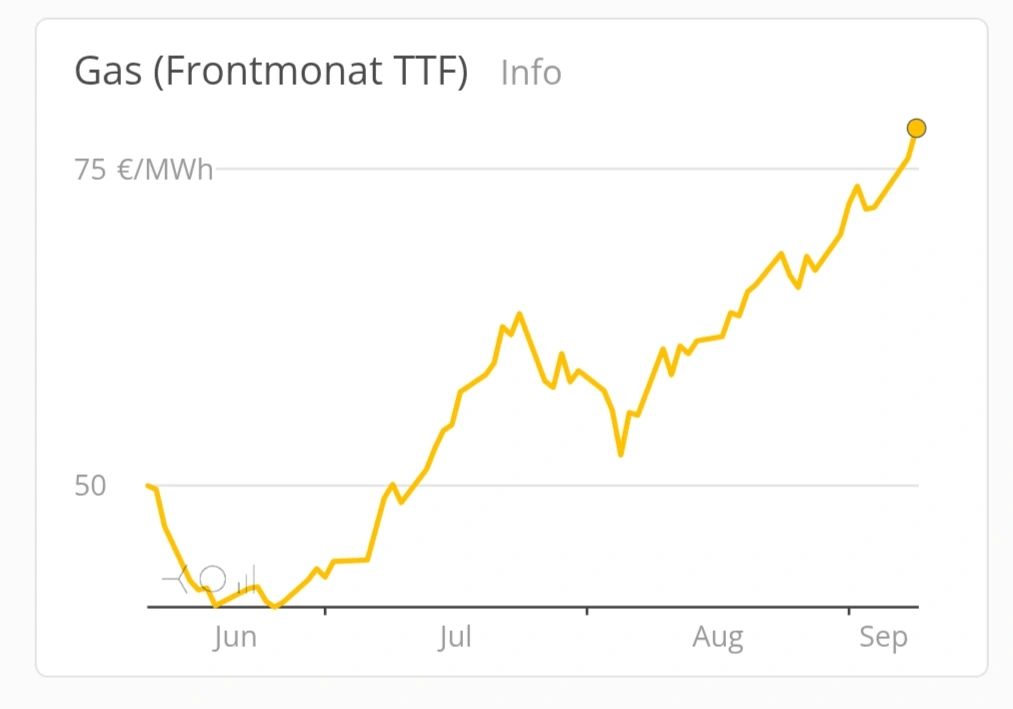
Heute Abend bekommen wir zum zweiten Mal diese Woche eine Preisspitze beim Strompreis. Ein solche Preisspitze zeigt an: wie haben viel Nachfrage und knappes Angebot. Es ist ein Knappheitssignal, man…
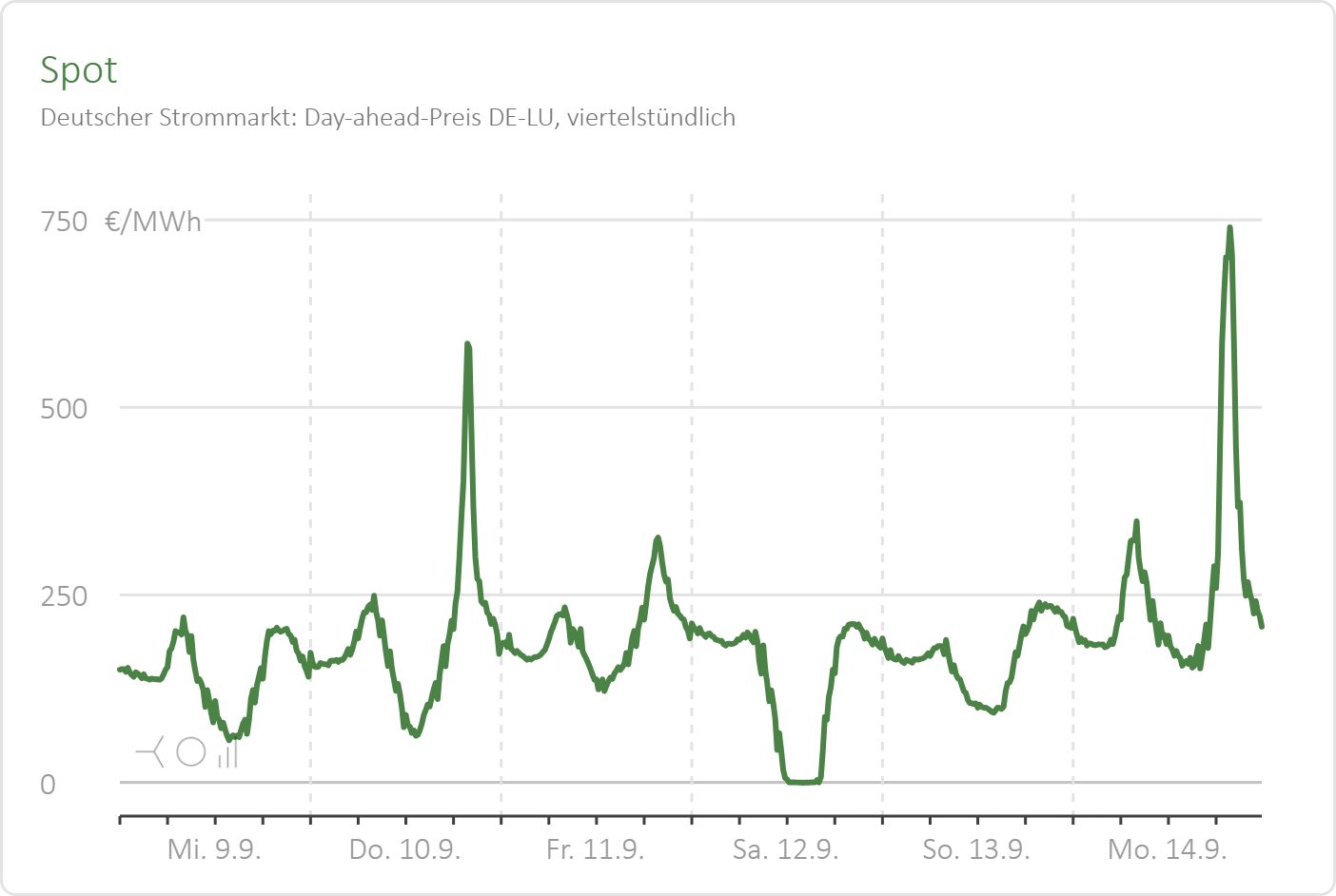
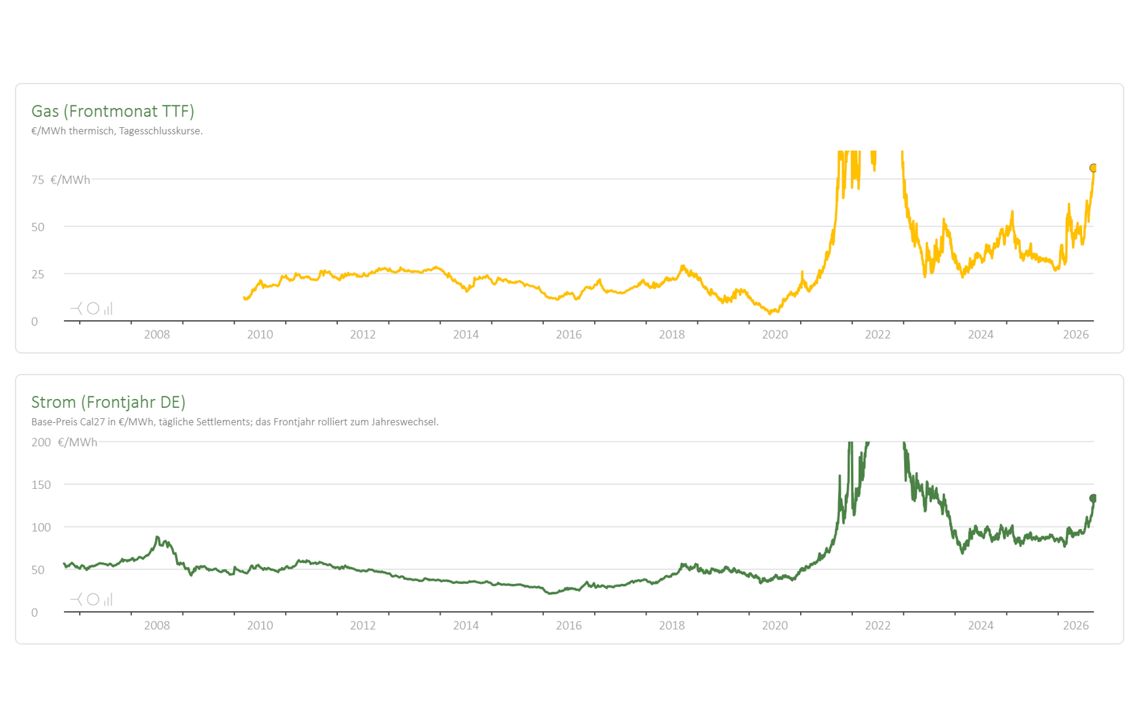
Wir sind beim Gas jetzt bei 82 €/MWh (TTF front month). Das ist der höchste Preis seit 2022. Überhaupt gab es so hohe Gaspreise nur im Zeitraum September 2021 bis Dezember 2022. Beim Strom sind wir…
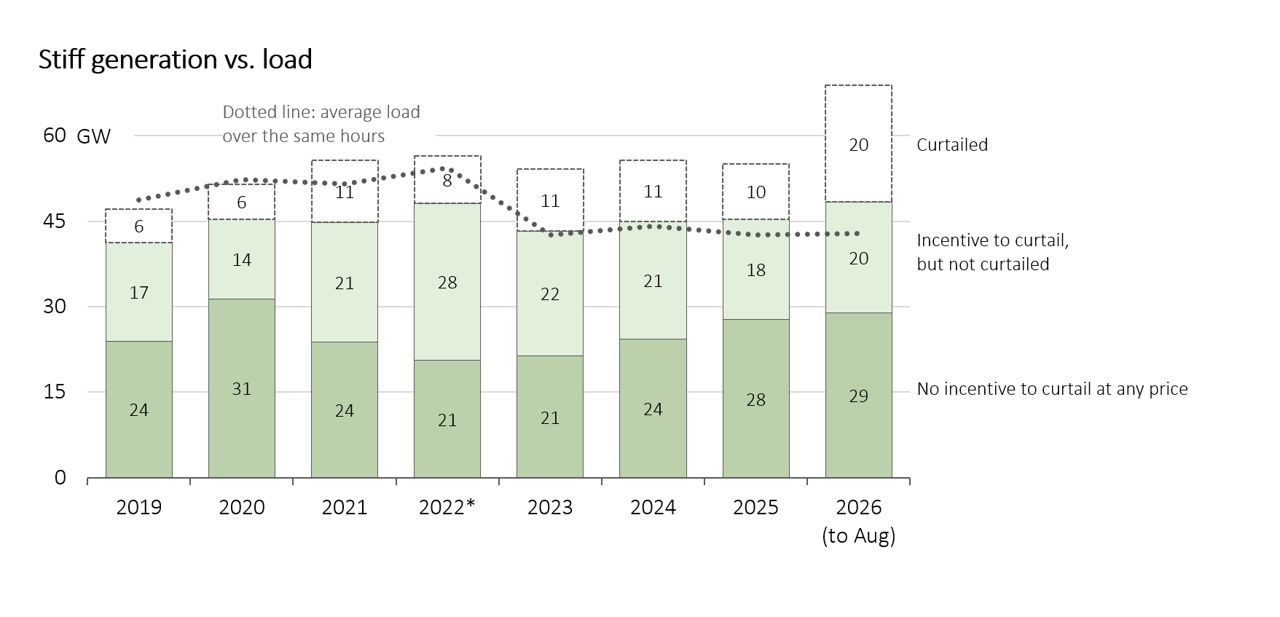
New working paper Do wind and solar curtail at negative electricity prices? Incentives and evidence across two decades of German renewable support schemes In many power systems, wind and solar gen…
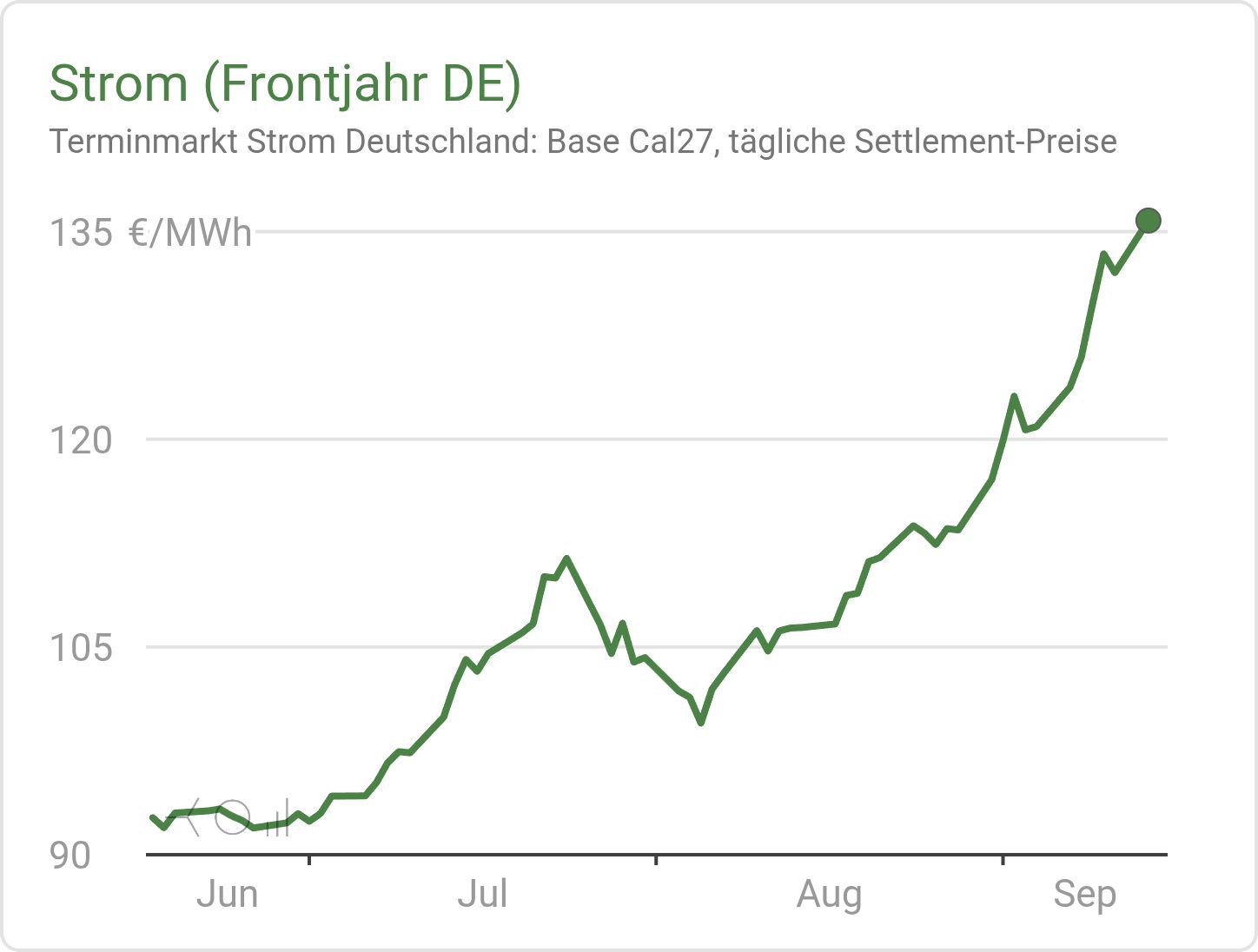
Bei 135 Euro sind fast alle Marktpramien-Anlagen im Geld. Sowohl wind wie auch Solar. (Damit meine ich: Marktwert über AZW.) Wenn das so eintritt, bedeutet das: kaum noch EEG-Förderkosten im kommend…
4.0 posts/week
Posts / Week
2
Total Posts Analyzed
MEDIUM
Posting Frequency
158.1%
Avg Engagement Rate
STABLE
Performance Trend
230
Avg Length (Words)
HIGH
Depth Level
ADVANCED
Expertise Level
88/10
Uniqueness Score
YES
Question Usage
0%
Response Rate
Writing style breakdown
The author’s voice is direct, compact, technically informed, and deliberately conversational. It moves between English and German without changing its fundamental personality: factual, economically literate, mildly skeptical, and occasionally dryly humorous. The writing is not polished into corporate neutrality. It retains the speed and roughness of an expert speaking directly to an interested audience.
The dominant register is professional but informal. Technical subjects such as electricity prices, gas storage, market premiums, CfDs, LNG capacity, hedging, PPA contracts, and industrial network charges are discussed without lengthy introductory explanation. The author assumes that the reader can follow specialist terminology, while still inserting short clarifications when necessary. For example, 'Damit meine ich: Marktwert über AZW.' and 'man könnte auch sagen: ein Warnsignal.' clarify the intended interpretation without interrupting the compact style.
The author generally avoids decorative language. Statements are built around observable facts, prices, dates, market conditions, or policy consequences. The persuasive force comes from juxtaposition and reasoning rather than from emotional adjectives. A price of 130 €/MWh is described as 'Schmerzhaft hoch,' but immediately compared with the 700% higher price during the 2022 energy crisis. This creates proportion and prevents a single fact from being interpreted in isolation.
The tone can become pointed when discussing political decisions or public rhetoric. The closing sentence of post 3, 'Ich bin mal gespannt wann der erste wieder Windfall Profits! und Übergewinnabschöpfung! schreit...', uses mock anticipation and exaggerated quotation-like phrasing to signal criticism. The author does not generally use elaborate sarcasm; instead, irony appears in short parenthetical remarks, abrupt contrasts, and the strategic placement of emotionally loaded political terms.
The author frequently addresses the reader implicitly rather than through repeated use of 'you'. Direct audience engagement is most visible in recommendations and imperatives: 'Was wir tun sollten:' followed by a list, and 'not forget' in the English post. The preferred stance is not motivational coaching but informed intervention. The author presents an interpretation, explains the mechanism, and sometimes states what policy or market participants should do.
The writing is methodical beneath its informal surface. Even short posts usually contain a measurable observation followed by an interpretation, comparison, forecast, or recommendation. The author is comfortable with fragments, compressed syntax, and nonstandard punctuation because the priority is speed and intelligibility rather than formal grammatical completeness.
Energy levels vary by post. The short price alerts are fast and almost telegraphic: 'Morgen wieder Knappheitspreise' and 'strom ganz schön teuer heute, (fast) überall'. The longer analytical posts slow down and become explanatory, but they remain compact. There is little introspection, sentimentality, or narrative self-display. First-person references occur mainly when the author marks a personal judgment: 'Ich bin mal gespannt', 'Ich will nicht sagen', or 'Here is my take'.
Short factual openings.
Immediate numerical or temporal anchoring.
Contrastive structures using 'aber', 'dennoch', 'heute', 'früher', and 'trotzdem'.
Parenthetical qualification.
Technical vocabulary used without excessive definition.
Dry political commentary.
Lists of practical interventions.
Deliberate grammatical roughness.
Occasional lowercase openings.
A preference for concrete nouns and market terminology over abstract motivational language.
Sign in to unlock the full writing analysis
Free tools to help you write, score, and benchmark in the same style.
Other creators worth studying alongside Lion Hirth.

Daniel Miessler
⇪ Building AI that upgrades humans and organizations.
27 Viral Score
Kelsey Hightower
--
132 Viral Score

Jason Knight
B2B Product Consultant - Check out “The State of B2B Product Management” report, download it now!
12 Viral Score

Carmelo Aleman Santana
Verified On-Chain Analyst at CryptoQuant
165 Viral Score

Deepak Panchal
SEO Expert | SMO Executive | Digital Marketing
62 Viral Score

Huma Rajput
Dubai Luxury waterfront Real Estate Advisor | Helping Investors Multiply Capital through Waterfront Assets and off plan investment | Off plan specialist
5 Viral Score
ViralBrain plans, writes, and schedules your LinkedIn content, using official LinkedIn APIs so your account stays safe.
Write like Lion Hirth.