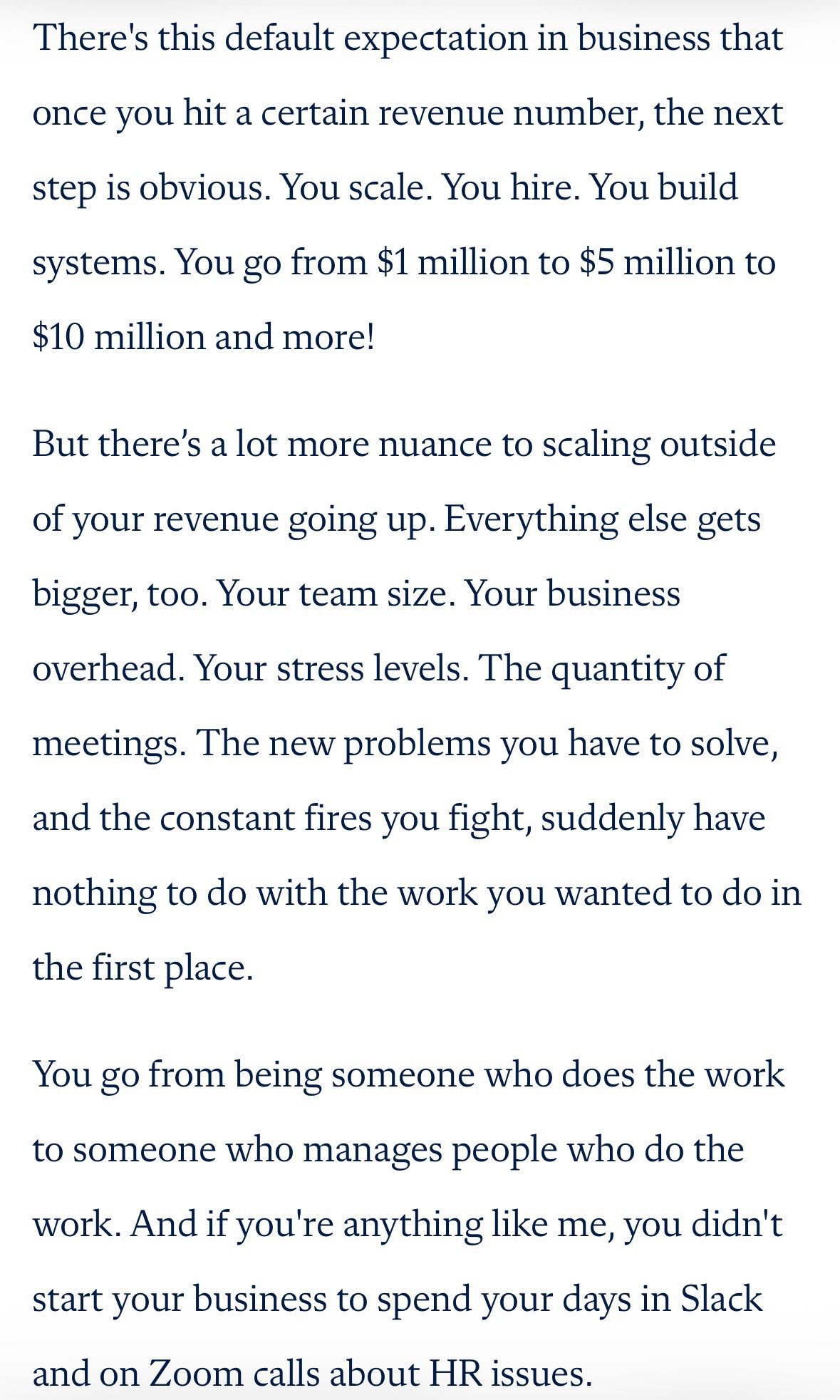
99% of your audience doesn’t care about L&D methodologies or AI jargon. They need three things: 1️⃣ Useful context and application for their work. 2️⃣ Clarity on what’s not relevant. 3️⃣ Guidance on…

LinkedIn Content Strategy & Writing Style
Chief Learning Strategist @ Steal These Thoughts! I help L&D Pros improve performance with tech + AI, and share lessons with 5,000 + newsletter readers.
1 person tracking this creator on Viral Brain
Ross Stevenson positions himself as a pragmatic contrarian within the L&D space, operating as a human-centric strategist who prioritizes reasoning over rote memorization. His content strategy centers on dismantling "broken" corporate learning systems, such as multiple-choice testing, and replacing them with AI-powered coaching and McKinsey-style communication frameworks. He is notable for his radical transparency regarding the "solopreneur" lifestyle, openly rejecting traditional business scaling in favor of creative freedom and simplicity. By intersecting high-level L&D methodology with raw career vulnerability, Ross moves beyond typical tech advocacy to offer a blueprint for building a meaningful, non-linear professional life.
28.9K
10.3K
77
—
7.8
35
1
99% of your audience doesn’t care about L&D methodologies or AI jargon. They need three things: 1️⃣ Useful context and application for their work. 2️⃣ Clarity on what’s not relevant. 3️⃣ Guidance on…

I've never had a "5 year plan". I rarely have a 5 week one. Yet, I've built a career and way of life that benefits me out of this. While some are cut out for corporate life, I was not. You can buil…

I got a message last week that stopped me mid doom-scroll. "I just saw a video of an AI agent taking a test for someone. Aren't you worried about that?" Honestly? No. But probably not for the reaso…

Despite what you might have heard, successful AI adoption is about focusing on people and L&D is in pole position for that. So why do so many lead with tools first? It's a move I've seen too often t…
What if I don’t scale? No one ever asks that question, do they. I like to reflect on it at this time of year, mostly because I get asked “How will you scale your business next year?”. The easy answ…

This insight was incredibly refreshing in a sea of reports on AI in L&D. → What happens once AI is introduced into the ecosystem? A lot of advice is focused on “How to deploy AI”, yet very little fo…

7.8 posts/week
Posts / Week
1 days
Days Between Posts
1
Total Posts Analyzed
HIGH
Posting Frequency
76.8%
Avg Engagement Rate
INCREASING
Performance Trend
250
Avg Length (Words)
HIGH
Depth Level
ADVANCED
Expertise Level
8.5/10
Uniqueness Score
YES
Question Usage
0.6%
Response Rate
Writing style breakdown
Overall voice: conversational, confident, and expert, with a grounded, human tone.
Mix of professional and casual: rooted in the L&D / corporate world but written like a smart friend or mentor, not a stiff consultant.
Strongly informative and persuasive, with light motivational streaks and occasional humour.
Not poetic or flowery; language is clear, modern, and concrete.
Tone is often reflective and quietly contrarian (questions norms of L&D, assessment, career paths, AI hype).
Medium to high energy but never frantic.
Momentum comes from short, punchy sentences and questions rather than exclamation marks.
Calmly analytical (AI in L&D, reports, frameworks)
Mildly frustrated or critical (quizzes, broken systems, trend-chasing)
Warm and encouraging (career reflections, choices, “no 5 year plan”)
Feels honest and grounded, never overly hyped.
What happens if we ditch tests and quizzes as measurements of skills and expertise?
So, how do we change that in 2026?
❌ We don't need better tests. → We need a better approach.
The AI agent didn't scare me. The fact that this is still how we assess skills? That did.
Thank you for coming to my Ted Talk.
I'm going to put this one under ‘non-traditional career advice no one asked for’ 😂.
Maybe even you, AI...cos I know you're reading this too.
Still, I never had a plan for it.
Everything else is noise.
Strong use of contrast between old vs. new, trend vs. substance, test vs. reasoning, tools vs. people.
Heavy use of second-person “you” when teaching, provoking thought, or inviting action.
First-person “I” / “I’ve” / “I like to” when sharing experience or perspective.
We” is used to build a shared identity (especially with L&D pros).
Direct: “Stop chasing trends and focus on what your audience really needs.”
Softer: “If you're presenting to leadership… try:”
For those of you who have been part of exec meetings…
Wanna learn about this too?
If this caught your attention…
Write as if talking 1:1 to a smart peer in L&D or adjacent fields.
Mix “I” (experience, opinion) with “you” (advice, provocation).
Be confident and clear, but not preachy. Use rhetorical questions and sharp contrasts to persuade instead of long justifications.
Sign in to unlock the full writing analysis
Nail your LinkedIn strategy with ViralBrain.
Analyze and write in Ross Stevenson's style. Grow your LinkedIn to the next level.