
Everyone in farming knows NPK. But very few talk about BTM. In modern biological farming, BTM is just as fundamental. B for Bacillus. T for Trichoderma. M for Mycorrhizae. There’s a reason Bacillus…

6513710157 viral
Biological Farming8 months ago

LinkedIn Content Strategy & Writing Style
AgTech Illustrator & Storyteller (Ex-Soil Scientist) | Product Infographics & Explainer Videos for Ag Brands | Soil Science Writer | Visuals for Sales & Product Communication
1 person tracking this creator on ViralBrain
Jagdish Patel positions himself as a vital bridge between complex soil science and commercial AgTech, leveraging his background as a soil scientist to serve as a visual storyteller for the biological revolution. His content strategy centers on "Soil Stories," where he translates invisible microbial processes—like the BTM (Bacillus, Trichoderma, Mycorrhizae) framework or the rhizosphere’s "underground narrative"—into high-impact infographics and explainer videos. What makes Jagdish notable is his ability to advocate for regenerative practices without alienating traditional industry; he intelligently balances the necessity of synthetic inputs with the urgent need to activate soil biology as living infrastructure. By intersecting technical scientific writing with product-focused communication, he helps AgTech brands transform abstract ecological intelligence into tangible value propositions for sales and education.
28.2K
15.2K
105
2.8
40
3
Everyone in farming knows NPK. But very few talk about BTM. In modern biological farming, BTM is just as fundamental. B for Bacillus. T for Trichoderma. M for Mycorrhizae. There’s a reason Bacillus…
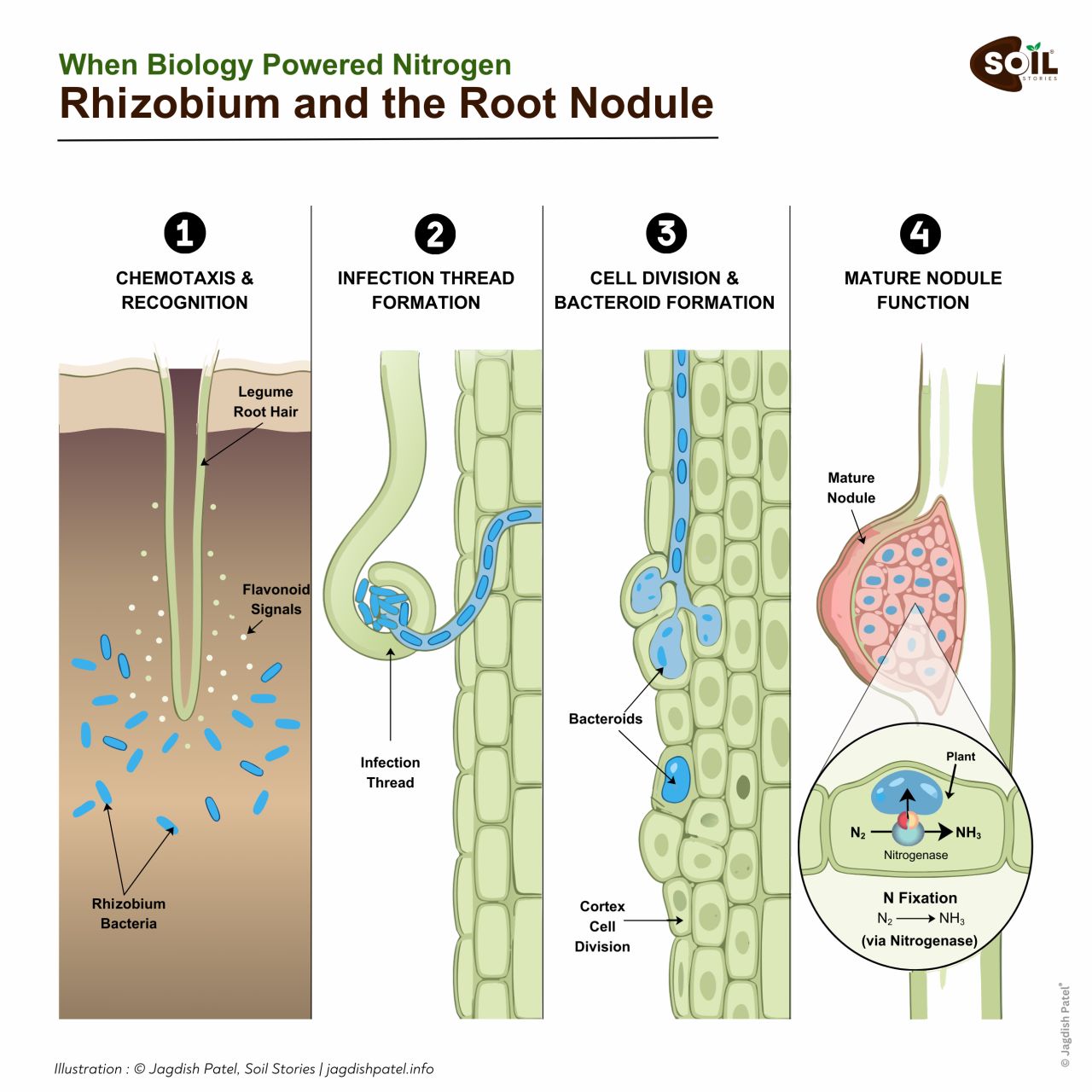
In 1908, every acre of farmland was a biological nitrogen factory. By 1950, we decided biology wasn’t fast enough. Before synthetic fertilizers, crops did not depend on factories for nitrogen. They d…
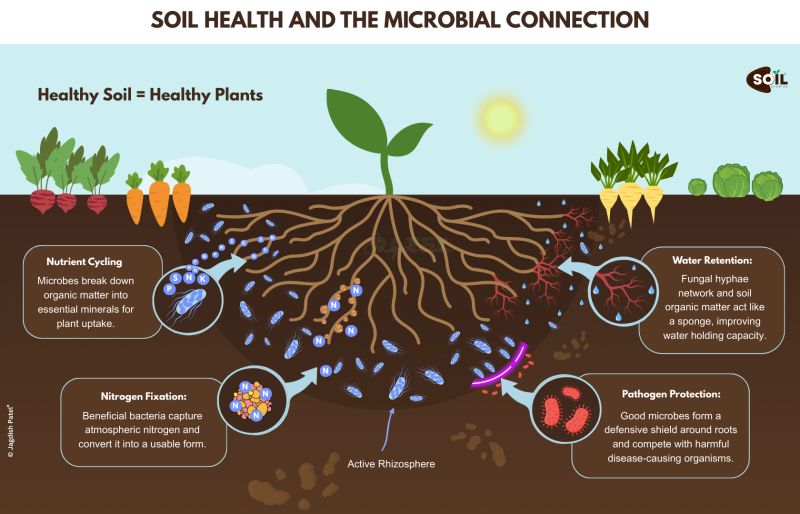
Most soil problems don’t start with nutrients. They start with biology. We often test for N, P, K and assume that’s the full story. But soil health is not just about what’s present. It’s about what’s…
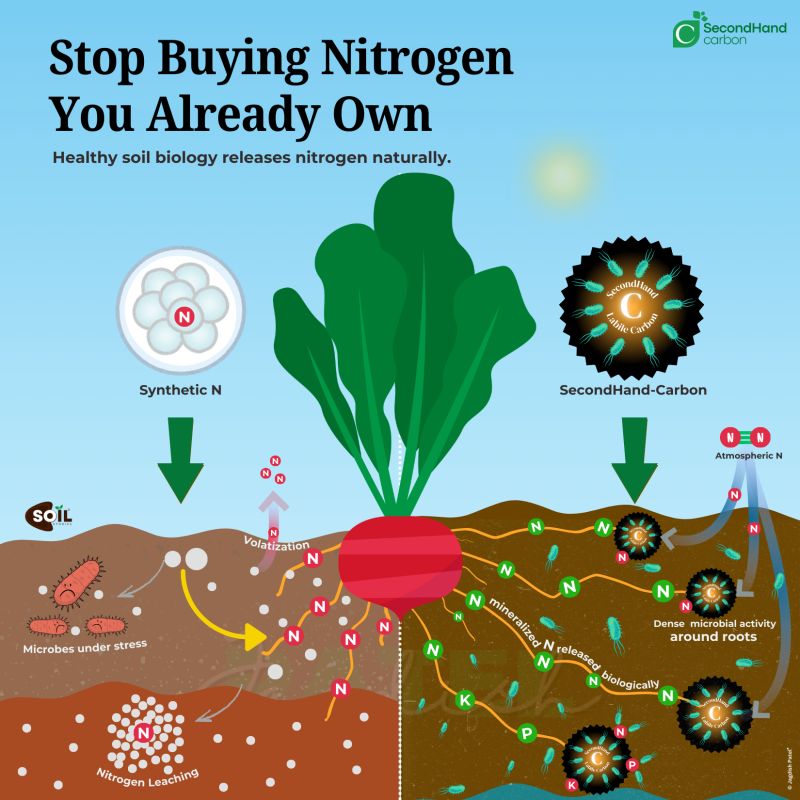
Why do we keep buying what we already own? We see yellow leaves. We see textbook deficiencies. We respond with more inputs. Season after season. But the visible symptom is often not the real problem…
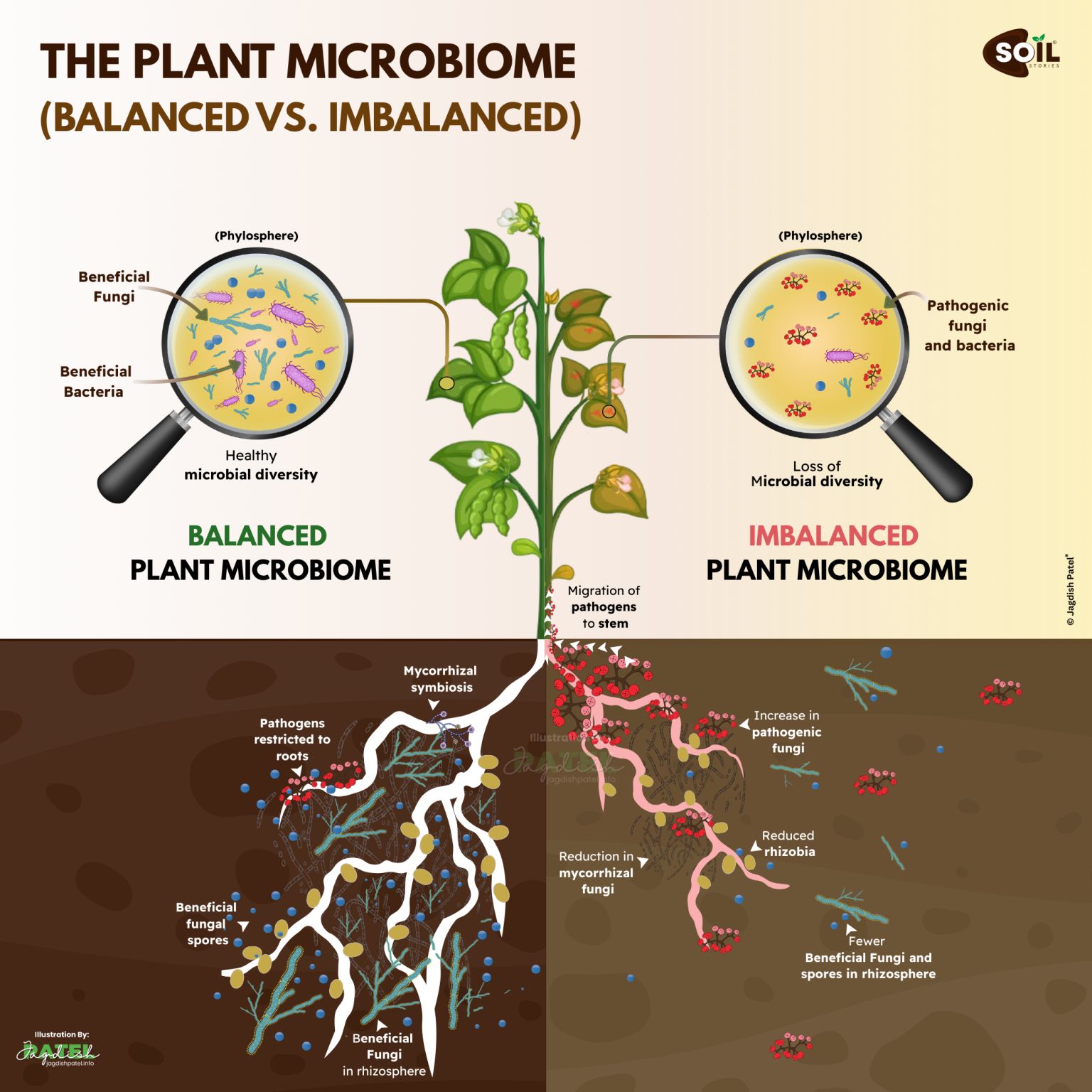
The Plant Microbiome How Microbes Shape Plant Health For every plant cell, there are roughly 10,000 microbial cells working to keep it healthy. Look closely at any plant and you'll see two different…
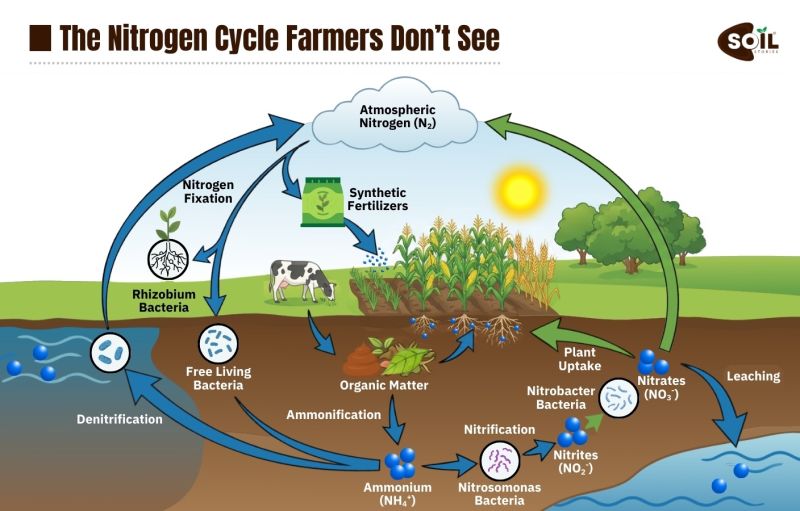
Most farmers manage nitrogen. Very few see its full journey. We apply NPK to feed crops. And yes, synthetic fertilizer is needed to feed the world. That reality cannot be ignored. But nitrogen does…
2.8 posts/week
Posts / Week
2.9 days
Days Between Posts
3
Total Posts Analyzed
HIGH
Posting Frequency
104.7142857142857%
Avg Engagement Rate
STABLE
Performance Trend
230
Avg Length (Words)
HIGH
Depth Level
ADVANCED
Expertise Level
0.78/10
Uniqueness Score
YES
Question Usage
0.15%
Response Rate
Writing style breakdown
<start of post>
The Architecture of Silence
How Soil Structure Dictates Biology
We often look at soil as a medium for holding plants upright.
We measure its chemistry. We calculate its moisture. We adjust its pH.
But soil is not a sponge. It is a city.
In a healthy system, the architecture is defined by pore space. These are the hallways and ventilation shafts of the underground world.
When soil is compacted, the city collapses.
The oxygen levels drop. The aerobic microbes—the ones responsible for nutrient cycling and disease suppression—begin to suffocate. In their place, anaerobic organisms take over. These are the architects of fermentation and root rot.
The result is a system that requires more energy to produce less.
Think of a skyscraper.
If you remove the elevators and the air ducts, the building ceases to function, no matter how much electricity you pump into it.
Soil works the same way.
When we rely on heavy tillage and synthetic over-application, we are effectively tearing down the walls of the city. We create a 'slum' environment where only the most opportunistic pathogens can survive.
The right side of the transition is different.
It is built on stable aggregates. These are small clumps of soil held together by microbial glues and fungal hyphae.
These aggregates protect organic matter from breaking down too quickly. They act as the 'vaults' of the soil bank.
Efficiency is not found in a bag of fertilizer.
It is found in the structural integrity of the ecosystem.
When we manage for structure, we are not just growing a crop. We are maintaining the infrastructure of life itself.
It is time to stop treating soil like dirt and start treating it like an organism.
Build the house, and the biology will move in.
#SoilHealth #RegenerativeAgriculture
<end of post>
Sign in to unlock the full writing analysis
Free tools to help you write, score, and benchmark in the same style.
Other creators worth studying alongside Jagdish Patel.

Amy O'Brien
Tech Editor at Vogue Business
17 Viral Score

🧶 Yekaterina Burmatnova
Senior Knitwear Designer | Gen AI Specialist | Concept Designer | Blending Craft with Technology
256 Viral Score

Guillermo Flor
Angel Investor | Founder Product Market Fit
3 Viral Score

Rubén Domínguez Ibar
Angel Investor
3 Viral Score

Andrea Febbraio
$500M+ in exits. Now CIAO CICCI: first AI clone mentor scaling my voice & brain on WhatsApp 24/7, any language. From Teads to AI, always building the future 🚀
7 Viral Score

Kyle Poyar
Founder & Creator | Growth Unhinged
29 Viral Score
ViralBrain plans, writes, and schedules your LinkedIn content, using official LinkedIn APIs so your account stays safe.
Write like Jagdish Patel.