
I started my career at BCG. I typically worked 60-70 hour weeks, with a lot of travel. It was exhausting. But I also learned a ton, had a lot of fun, and met many people that I keep in touch with t…

66732030 viral
Career Advice10 months ago
LinkedIn Content Strategy & Writing Style
CSO at Faire; danhock.com
1 person tracking this creator on ViralBrain
Dan Hockenmaier positions himself as a high-level operator who bridges the gap between rigorous strategic frameworks and the nuanced reality of building a modern career. His content strategy centers on distilling complex business logic - such as the Minto Pyramid Principle or AI verifiability - into actionable mental models for leadership and professional growth. He is notable for his ability to blend a "consultant's brain" with a "builder's heart," often using his background at BCG and Faire to advocate for compounding career bets over safe, linear paths. By intersecting high-stakes corporate strategy with deep reflections on human energy and relationship building, he provides a sophisticated value proposition that treats career architecture as an iterated game rather than a series of job applications.
26.9K
3.4K
191
3.9
82
2
I started my career at BCG. I typically worked 60-70 hour weeks, with a lot of travel. It was exhausting. But I also learned a ton, had a lot of fun, and met many people that I keep in touch with t…
The ROI of taking any one startup role might be lower than going with the big, safe company. But I'm convinced that for most people, if they are willing to give it enough time and shots on goal, the…

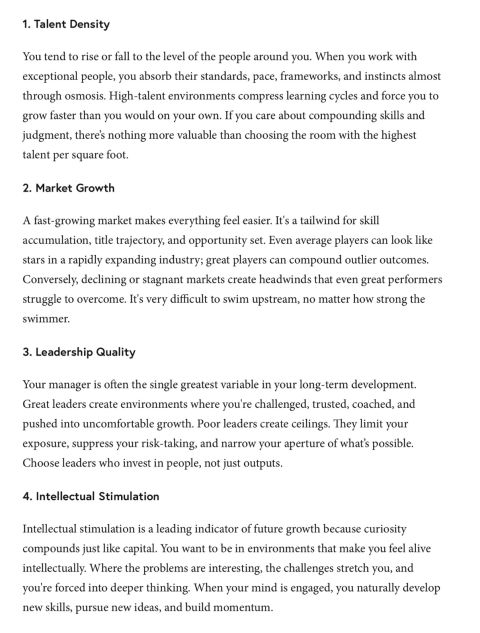
Many people anchor on things like title, comp, or team size when making a career decision. These things are easy to measure but rarely determine how much you’ll enjoy the job, how much you’ll learn,…
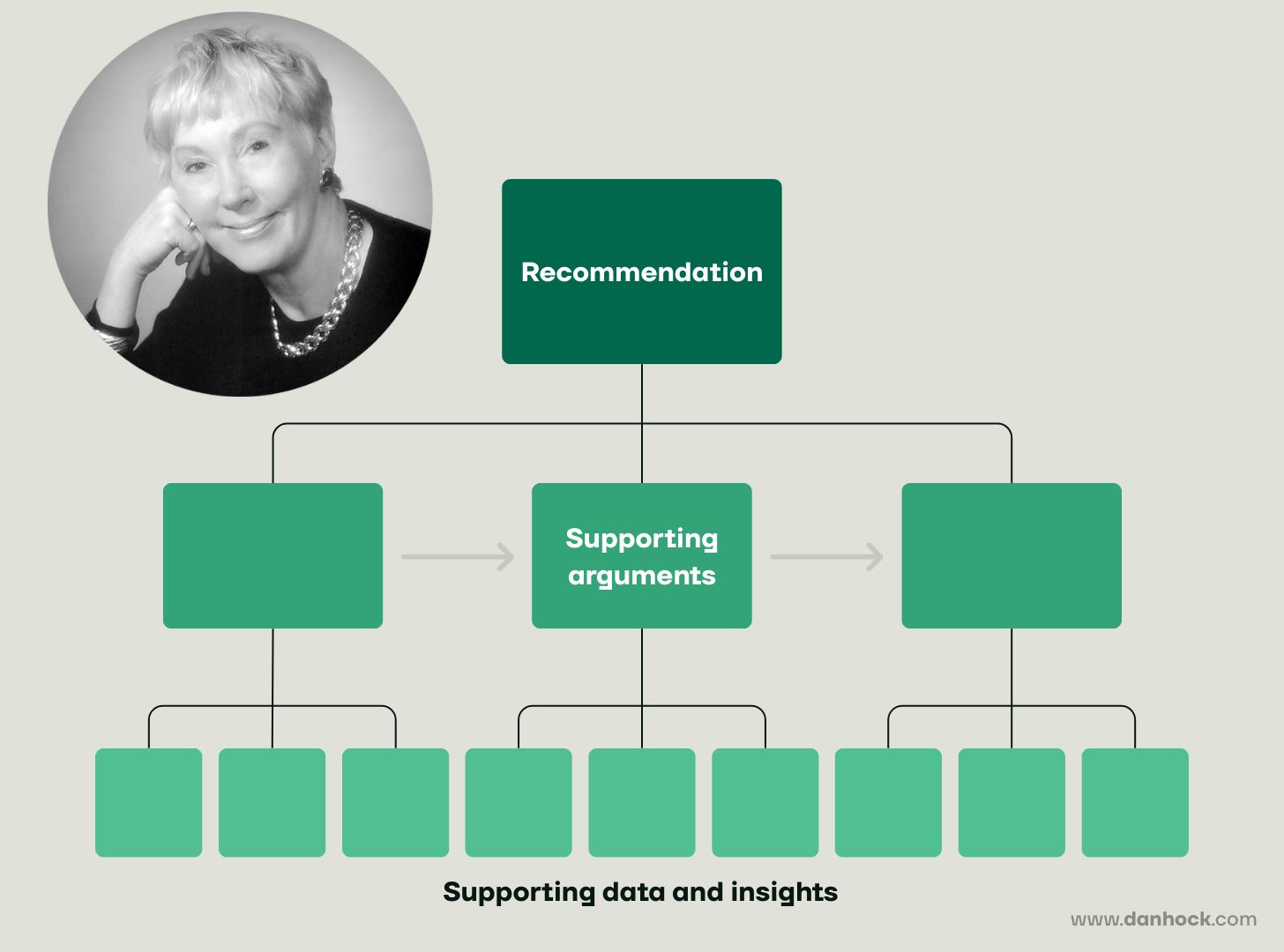
Barbara Minto is the GOAT of business communication. She was the first female MBA that McKinsey hired. She trained thousands of consultants there to better present their thinking. After she left, she…
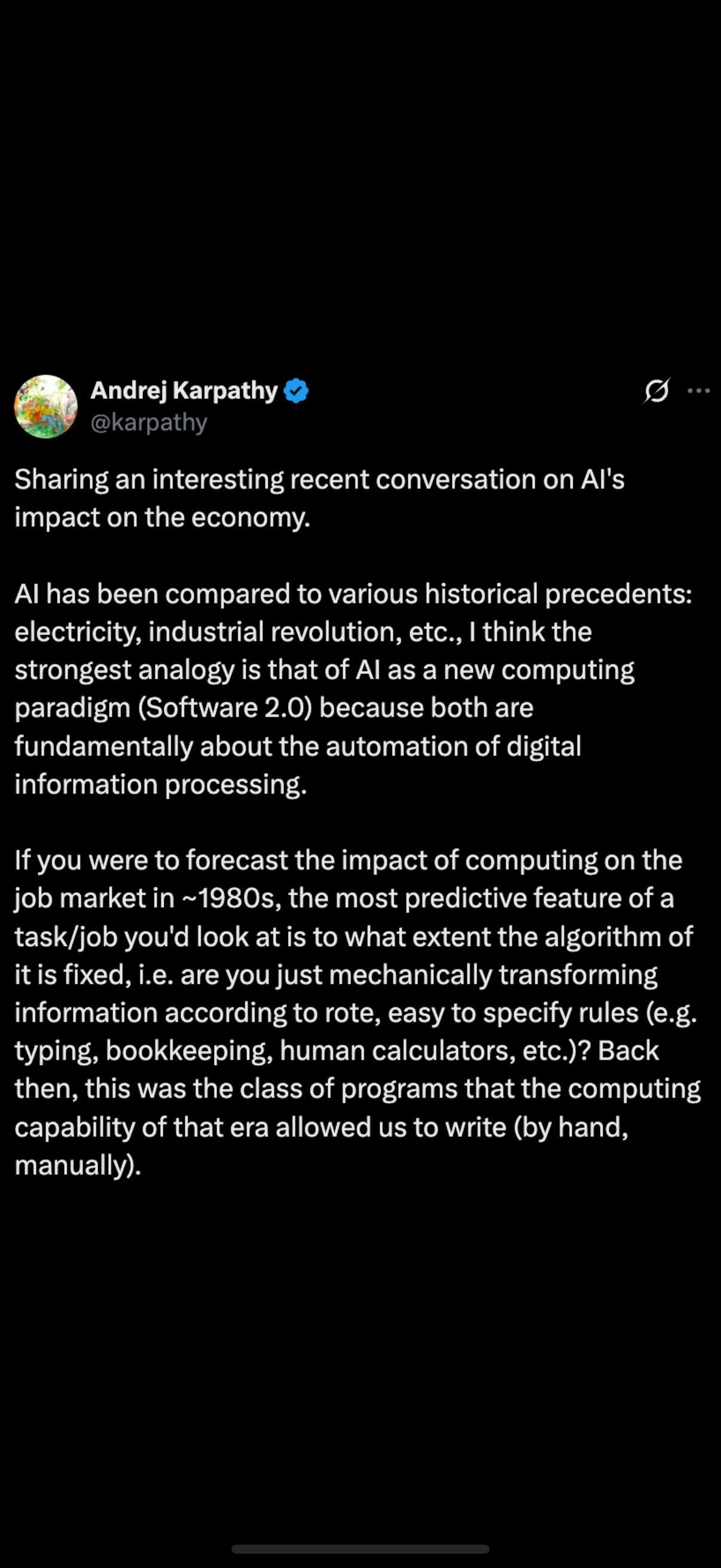
What jobs will AI automate? This concept from Karpathy is one of the most useful mental models. For computers, it was how much the job was *fixed*, ie how much it followed the same rules every time…
Do not follow your passion. Follow your energy. "Passion" implies some kind of deep love or confidence that this is your calling. These are simply not things you start with naturally, and it's very h…
3.9 posts/week
Posts / Week
2 days
Days Between Posts
2
Total Posts Analyzed
HIGH
Posting Frequency
STABLE
Performance Trend
160
Avg Length (Words)
HIGH
Depth Level
ADVANCED
Expertise Level
8/10
Uniqueness Score
YES
Question Usage
Writing style breakdown
Professional, clear, and analytical with a conversational edge.
Feels like a thoughtful LinkedIn operator: business-savvy, reflective, slightly didactic but never preachy.
Very informative and explanatory; persuasion is done through reasoning and framing rather than hype.
Tone is direct but gentle. Confident, yet often framed as opinions (“I’m convinced”, “My view is that”, “I think”).
Occasionally witty or lightly humorous (e.g., the small business pun, “GOAT”), but humor is sparse and dry, not slapstick or loud.
Formal in clarity, grammar, and structure.
Casual in use of contractions (“I’m”, “you’ll”, “don’t”), rhetorical questions, and conversational phrases.
Uses business jargon sparingly and only when useful (MECE, ROI, network effects, switching costs, etc.).
Calm, steady, and grounded. Not high drama, not overly sentimental.
Energy is medium: ideas are delivered with conviction but not urgency or breathlessness.
Reflective and slightly philosophical on careers, work, AI, etc.
Often ends on a quietly impactful final line rather than an emotional crescendo.
Rhetorical questions, especially to open a post or pivot to an explanation (“If you were OpenAI, how would you…?”, “Have you ever heard…?”, “What jobs will AI automate?”).
Simple but strong contrasts: big company vs startup, push vs pull, passion vs energy, hard vs unpleasant.
Mental models and frameworks (iterated game, MECE, push vs pull, verifiable vs fixed).
Clear definitions with “Here is what I mean:” or “This is because…” followed by explanation.
Occasional light jokes or wordplay, but always clean and concise, usually one line.
Little storytelling embellishment; anecdotes are short and purposeful, not dramatic.
Frequent second person (“you”, “you’ll”, “you’re”) when giving advice or making something relatable.
First person singular (“I”, “I’m convinced”, “My view is”) to ground opinions and experience.
Third person when talking about general groups (“Most people…”, “Many people…”, “For anyone who…”).
Uses direct statements and mild imperatives: “they should”, “Do not follow your passion. Follow your energy.”, but not bossy or aggressive.
Suggestions are framed as reasoned recommendations rather than commands (“I think they should”, “is a good bet”, “a much better framework”).
Sign in to unlock the full writing analysis
Free tools to help you write, score, and benchmark in the same style.
Other creators worth studying alongside Dan Hockenmaier.

Romàn Czerny
We help B2B SaaS teams find high intent leads already ready to buy. Gojiberry turns real time intent signals into booked calls. DM “GOJI” to learn more.
146 Viral Score

Aaron Reeves
Founder @ Outbound OS | Helping SaaS sellers turn cold outreach into consistent pipeline
48 Viral Score

Kevin Jurovich
CEO at Hubble | Lifelong optimist
22 Viral Score

Prabhata Kumar Maharana
Senior Software Engineer | 10+ Years | .NET & Cloud | Exploring AI & ML
33 Viral Score
Wouter Gheysen
Systemic business designer uncovering and unblocking hidden growth barriers. Founder of Systemic Rebels and Founder Shifts.
16 Viral Score

GRUNDFOS
ViralBrain plans, writes, and schedules your LinkedIn content, using official LinkedIn APIs so your account stays safe.
Write like Dan Hockenmaier.