
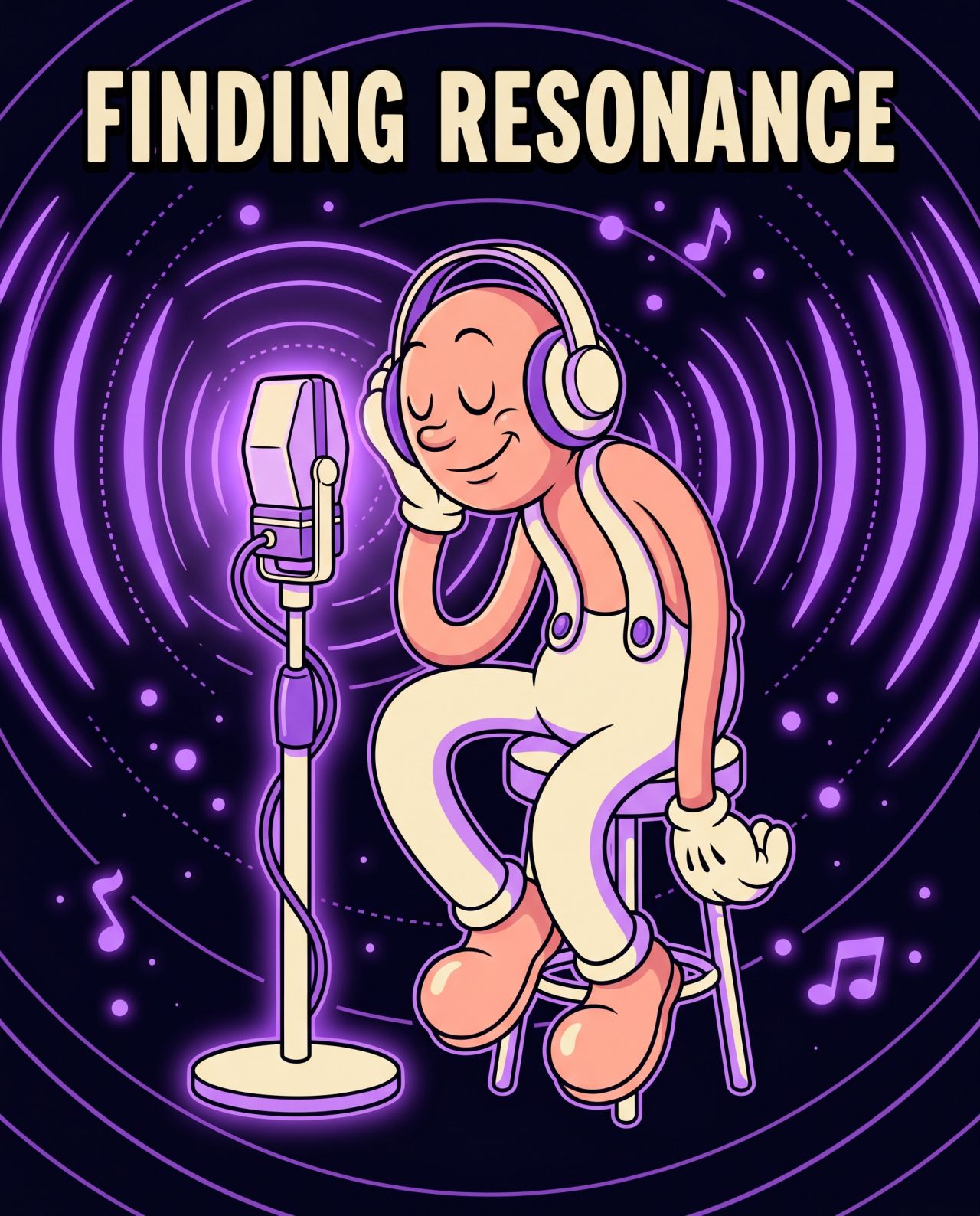
Next Thursday a podcast I've been preparing for months goes live. It is called Finding Resonance. The first guest is Francesco Sarcone, a sound artist who turned the sounds of cooking (pots, pans, s…
2829170 viral
Creativity & Technology3 months ago

LinkedIn Content Strategy & Writing Style
Building things with AI, teaching others to do the same, talking about what stays human. Mundaine Dojo, Company AI-adoption, Finding Resonance
0 people tracking this creator on ViralBrain
Damian Nomura positions himself as a high-agency architect of AI adoption who balances technical execution with a deep philosophical inquiry into what remains irreducibly human. His content strategy centers on the elimination of "glue work"—the mechanical friction in GTM and operations—by teaching others to transition from manual grinding to high-level judgment. He is notable for his refusal to treat AI as a purely corporate utility, instead framing it through the lens of resonance and creative friction, often using sound art or music history to explain technological shifts. Nomura’s work thrives at the intersection of tactical shipping and humanistic advocacy, where he simultaneously builds live automation pipelines at "Clay Clubs" while championing the necessity of diverse perspectives in the rooms where AI infrastructure is built.
2.2K
1.5K
27
224
14
Next Thursday a podcast I've been preparing for months goes live. It is called Finding Resonance. The first guest is Francesco Sarcone, a sound artist who turned the sounds of cooking (pots, pans, s…
There's a narrative going around that women should step back from AI. The data is biased, so why lean in? I think that's the worst possible move. Because the bias is real, stepping back only widens…
I went quiet on LinkedIn for a month. The reason: Claude Code. For 5 months I've been experimenting, building, and pushing my second brain into a completely new sphere. And I slowly forgot to post.…

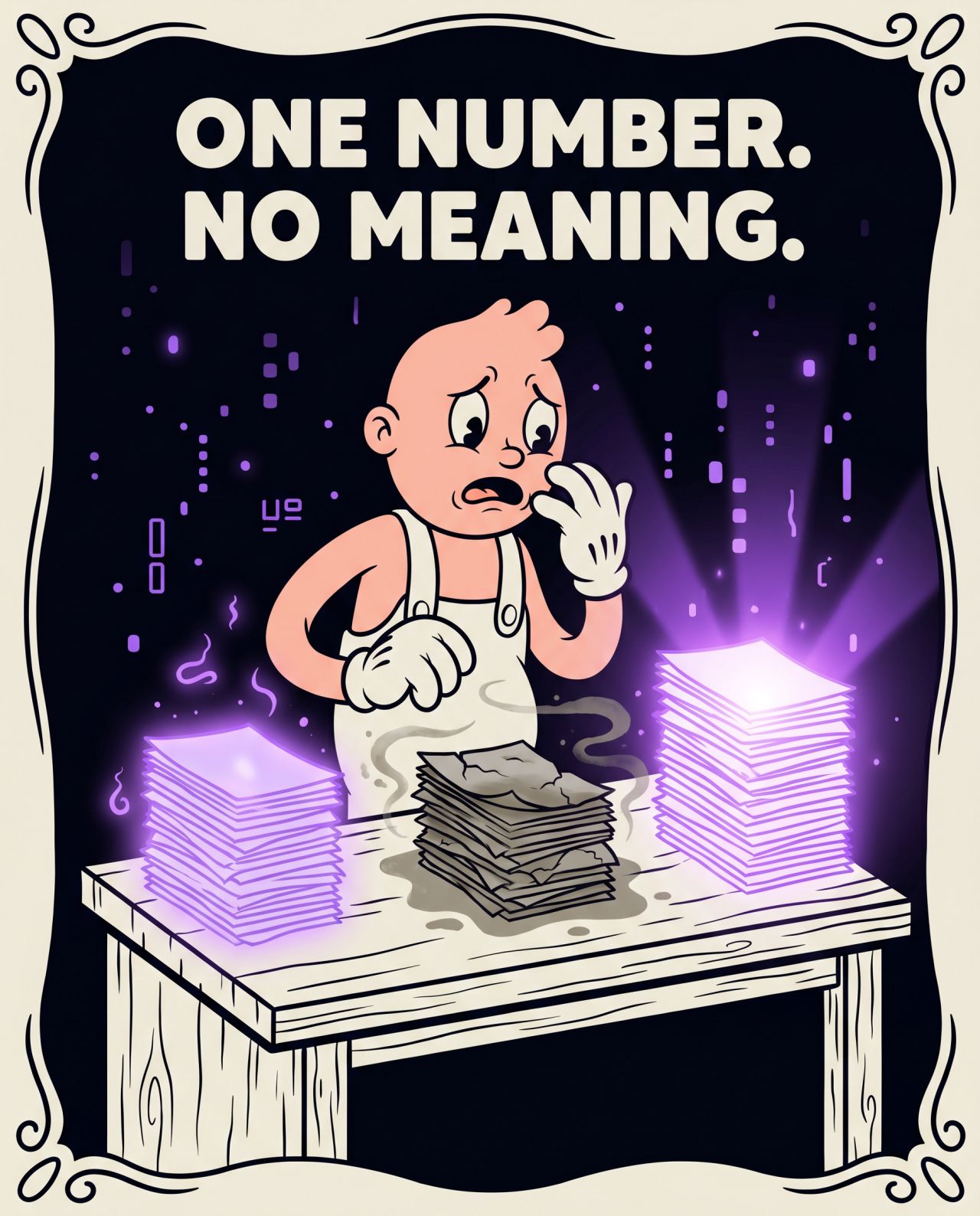
Averaging leadership and employee feedback is how you get one number ...that means nothing. A client of mine was about to send out a single culture-and-AI questionnaire to leadership and employees.…
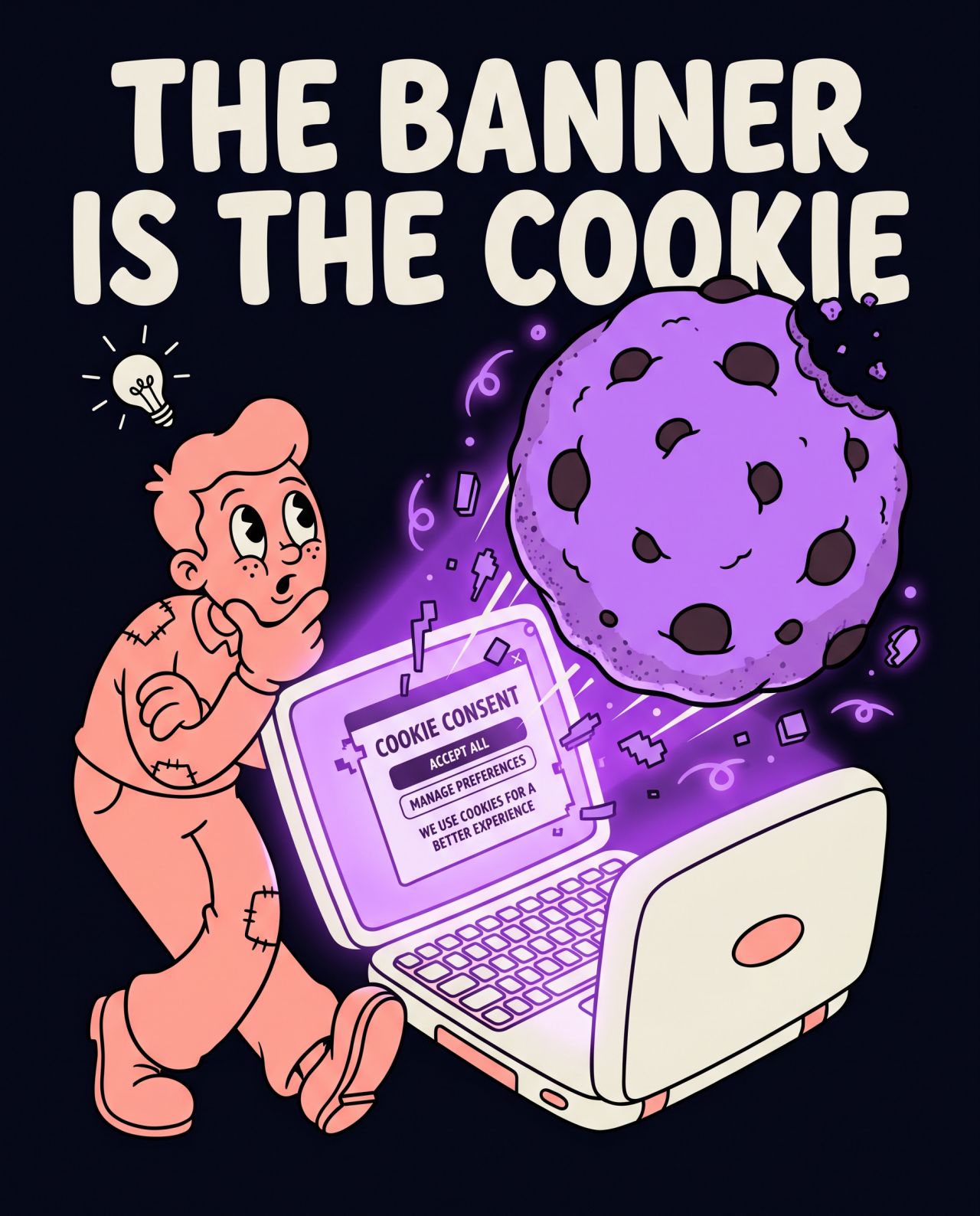
Installed a cookie consent banner today. The banner is the first cookie. A consent management platform doesn't reduce your cookie surface. It creates one. Any privacy policy that says 'no cookies' go…
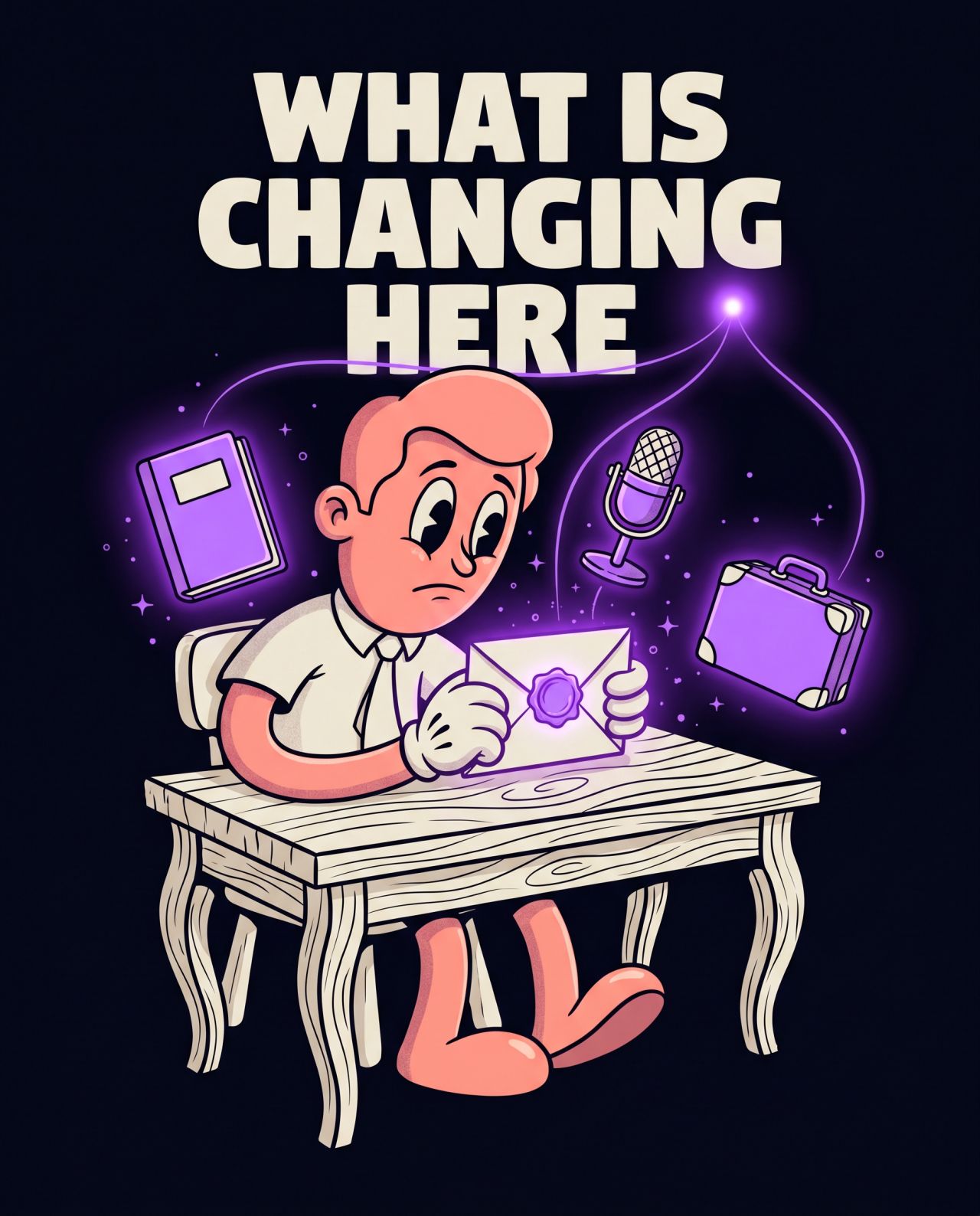
I just published the most honest thing I've written about this newsletter in two years. It is about what is changing here, and why. The Substack you signed up for was framed around B2B AI adoption co…
2.5 posts/week
Posts / Week
14
Total Posts Analyzed
MEDIUM
Posting Frequency
26.9%
Avg Engagement Rate
STABLE
Performance Trend
185
Avg Length (Words)
HIGH
Depth Level
ADVANCED
Expertise Level
0.85/10
Uniqueness Score
YES
Question Usage
0.8%
Response Rate
Writing style breakdown
<start of post>
Most of the friction in AI adoption isn't the technology. It is the 'first-mile' problem.
I saw this play out last week with a team trying to automate their lead research. They had the prompts. They had the API keys. They had the vision.
But they were asking their reps to leave their CRM to use it.
That is the first-mile problem. The moment you ask a human to change their tab, you have already lost half the adoption. The tool becomes a destination rather than an environment.
We spent the afternoon moving the logic into the interface they already live in. No new login. No new workflow. Just a new button where the old manual work used to be.
The result wasn't just faster work. It was that the work actually happened.
If you are building an internal AI tool, stop looking at the capabilities for a second. Look at the distance between the user's current cursor and your 'Start' button.
If that distance is more than one click, you are building a shelf-ware product.
I'm writing more about the 'Adoption Autopsy' series on my Substack this Friday. It is about the small design choices that kill big projects.
Link in the comments.
What is the one tool in your stack that you love, simply because you never have to 'go' to it?
<end of post>
Sign in to unlock the full writing analysis
Free tools to help you write, score, and benchmark in the same style.
Other creators worth studying alongside Damian Nomura.

Alex Banks
Building a better future with AI
39 Viral Score
Julien Renaux
Software Engineer - AI guru
1,102 Viral Score

Eric Blaauboer
Schrijver van "Je Laatste: stoppen met roken, op weg naar nicotinix"
139 Viral Score

Stephanie Holland ⚡
GTM Engineer @ mgsh. | Brand-led GTM systems that turn data chaos into pipeline | Clay Solutions Partner | UK + EMEA
151 Viral Score

Alex Vacca 🧠🛠️
Co-Founder @ ColdIQ ($6M ARR) | Helped 300+ companies scale revenue with AI & Tech | #1 AI Sales Agency
124 Viral Score

Bjion Henry
I help agencies/consultancies grow without extra hires • AI Expert for Inbound/Outbound Sales • Ex-Google
64 Viral Score
ViralBrain plans, writes, and schedules your LinkedIn content, using official LinkedIn APIs so your account stays safe.
Write like Damian Nomura.