
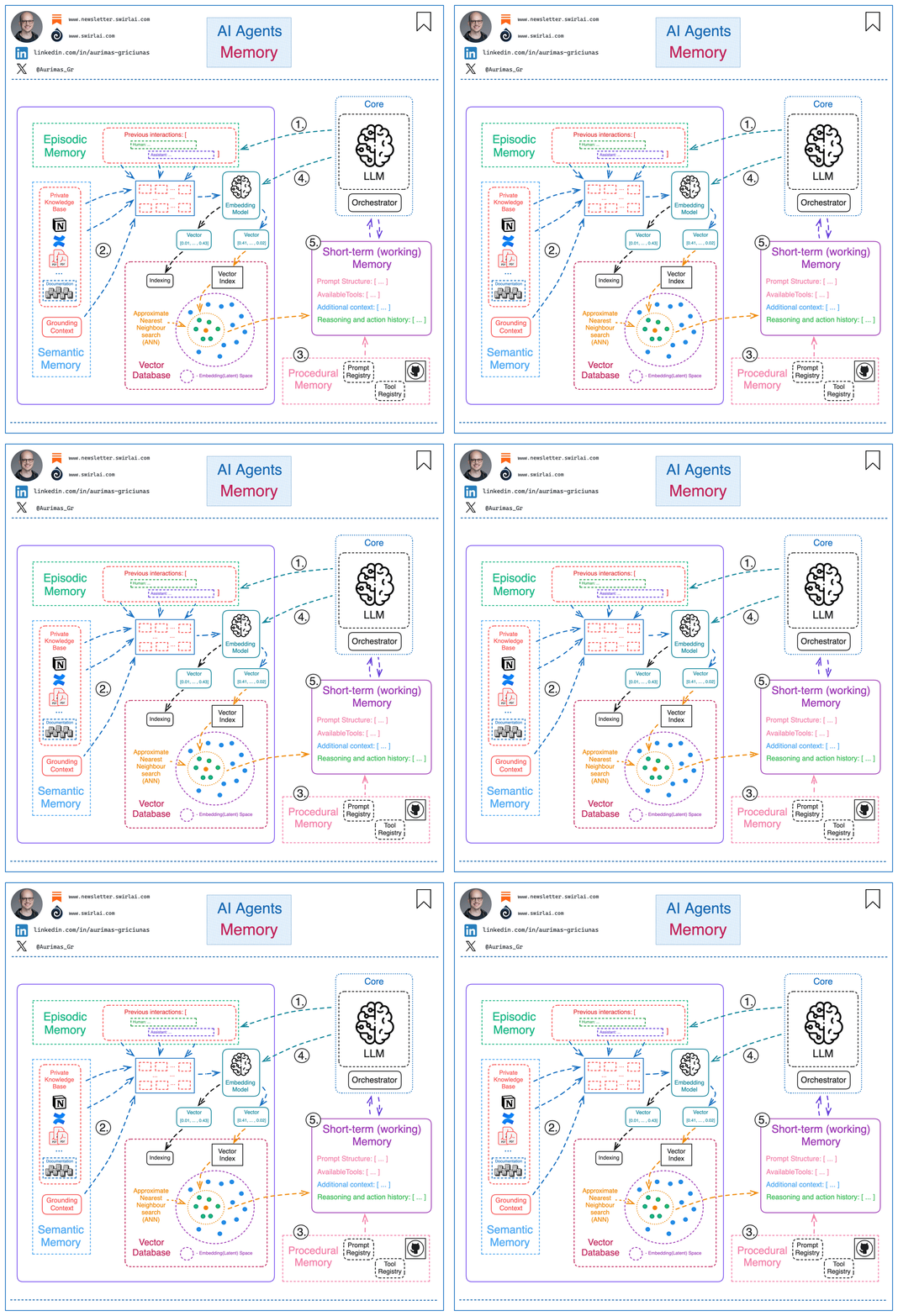
𝗔𝗜 𝗔𝗴𝗲𝗻𝘁’𝘀 𝗠𝗲𝗺𝗼𝗿𝘆 is the most important piece of 𝗖𝗼𝗻𝘁𝗲𝘅𝘁 𝗘𝗻𝗴𝗶𝗻𝗲𝗲𝗿𝗶𝗻𝗴, this is how we define it 👇 In general, the memory for an agent is something that we provide via…
63281819 viral
AI Agents3 months ago

LinkedIn Content Strategy & Writing Style
0 people tracking this creator on ViralBrain
This creator positions himself as a pragmatic AI engineering authority focused on taking ML and LLM systems from prototype to production. His content centers on architecture, evaluation, deployment, data quality, agent memory, MCP, RAG, CI/CD, and operational metrics, consistently translating complex systems into structured, actionable patterns. What distinguishes him is his emphasis on production realities over AI hype - latency, cost per successful task, drift, reliability, security, and tool failure points. His work also sits at a compelling intersection of technical education and applied productization, using detailed explainers to build trust while funneling readers into a hands-on AI Engineering Bootcamp and newsletter.
188.6K
30.0K
236
15
25
𝗔𝗜 𝗔𝗴𝗲𝗻𝘁’𝘀 𝗠𝗲𝗺𝗼𝗿𝘆 is the most important piece of 𝗖𝗼𝗻𝘁𝗲𝘅𝘁 𝗘𝗻𝗴𝗶𝗻𝗲𝗲𝗿𝗶𝗻𝗴, this is how we define it 👇 In general, the memory for an agent is something that we provide via…
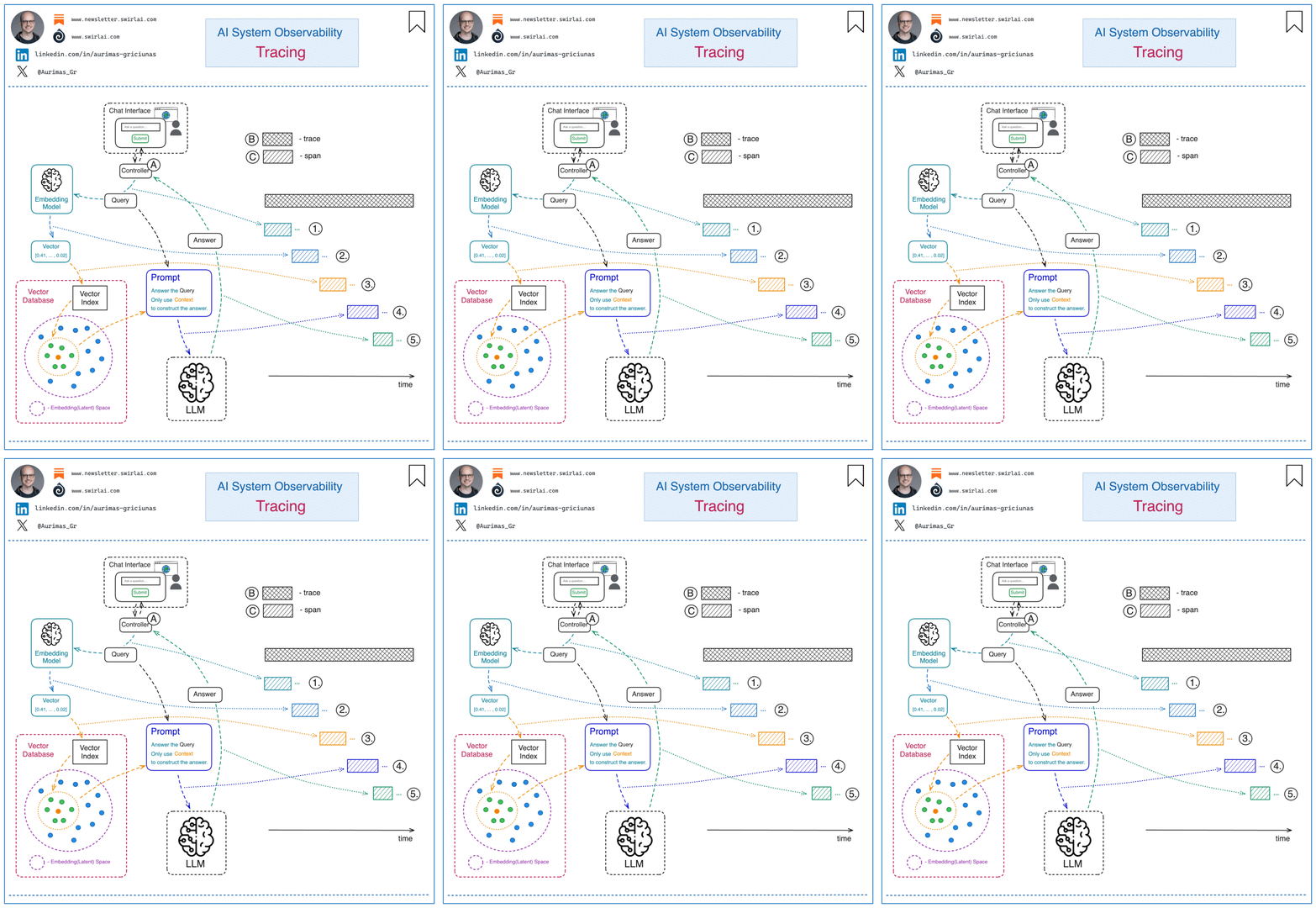
𝗔𝗜 𝗢𝗯𝘀𝗲𝗿𝘃𝗮𝗯𝗶𝗹𝗶𝘁𝘆 is a must have in your tool belt as an AI Engineer. 𝗧𝗿𝗮𝗰𝗶𝗻𝗴 sits at the core of it, why is it important? Tracing and instrumentation of software have been aroun…
𝗔𝗜 𝗔𝗴𝗲𝗻𝘁’𝘀 𝗠𝗲𝗺𝗼𝗿𝘆 is the most important piece of 𝗖𝗼𝗻𝘁𝗲𝘅𝘁 𝗘𝗻𝗴𝗶𝗻𝗲𝗲𝗿𝗶𝗻𝗴, this is how we define it 👇 In general, the memory for an agent is something that we provide via…
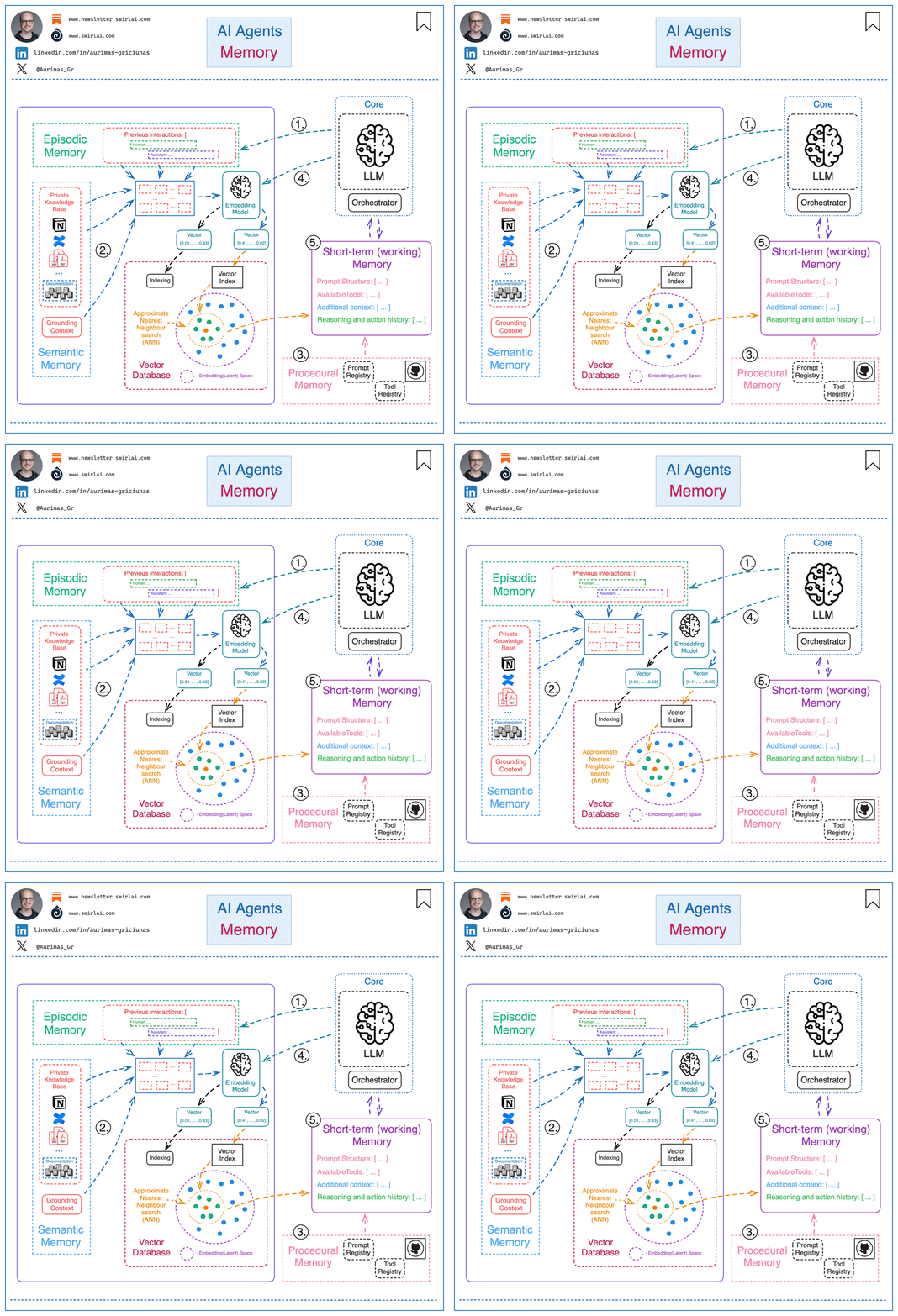
𝗠𝗖𝗣 plus 𝗔𝟮𝗔, here is how they complement each other 👇 Protocol wars continue to rage, let's understand how Googles A2A (Agent2Agent) protocol is different from MCP and how they complement eac…
Integrating 𝗔𝗴𝗲𝗻𝘁𝗶𝗰 𝗥𝗔𝗚 Systems via 𝗠𝗖𝗣 👇 If you are building RAG systems and packing many data sources for retrieval, most likely there is some agency present at least at the data sour…
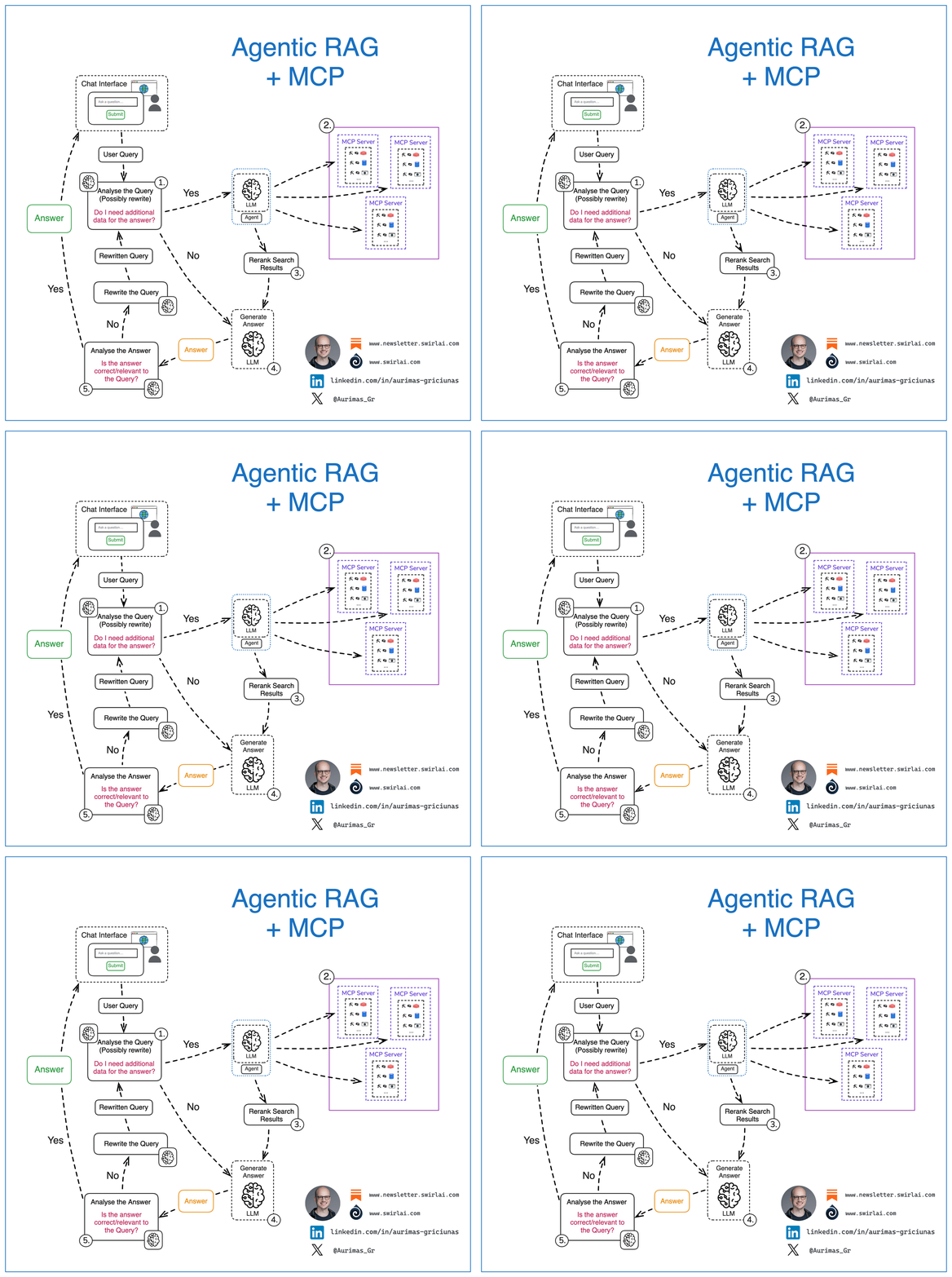
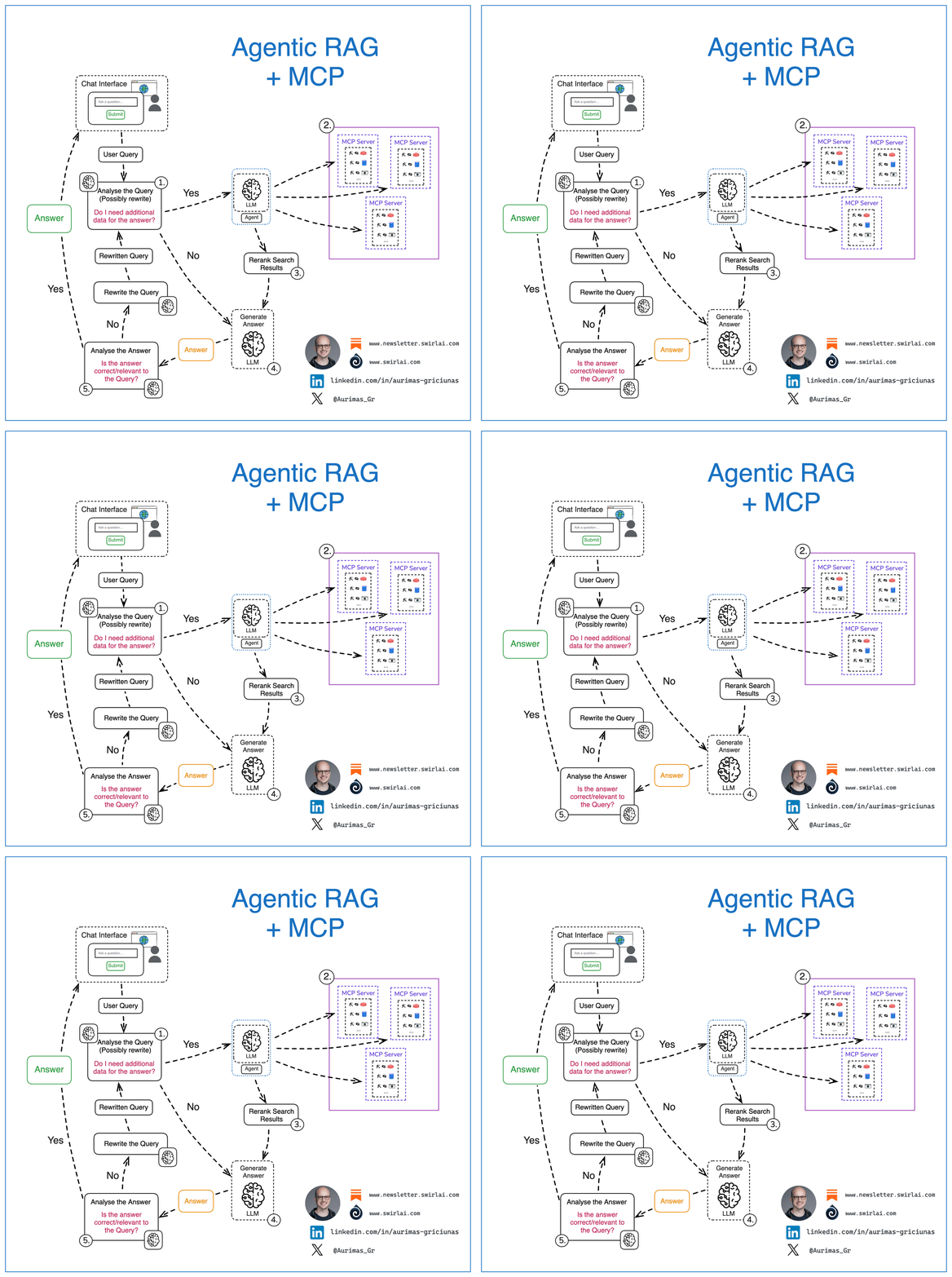
Integrating 𝗔𝗴𝗲𝗻𝘁𝗶𝗰 𝗥𝗔𝗚 Systems via 𝗠𝗖𝗣 👇 If you are building RAG systems and packing many data sources for retrieval, most likely there is some agency present at least at the data sour…
0.0 posts/week
Posts / Week
25
Total Posts Analyzed
HIGH
Posting Frequency
0%
Avg Engagement Rate
STABLE
Performance Trend
520
Avg Length (Words)
HIGH
Depth Level
ADVANCED
Expertise Level
88/10
Uniqueness Score
YES
Question Usage
0%
Response Rate
Writing style breakdown
The author’s voice is professional, instructional, technically confident, and strongly optimized for social-media readability. The writing is aimed at practitioners, especially AI Engineers, MLOps engineers, software engineers, architects, and technical decision-makers. It avoids literary description and personal introspection in most posts. Instead, it presents a technical subject, decomposes it into recognizable parts, and translates abstract engineering concepts into implementation-oriented explanations.
The dominant mode is explanatory rather than argumentative. The author generally does not build a controversial thesis or use elaborate persuasion. The recurring objective is to clarify a system, workflow, architecture, metric group, deployment model, or engineering distinction. Authority comes from technical specificity: references to Feature Stores, Model Registries, MCP Clients, ANN search, p95 latency, GitFlow, data contracts, tool-call error rates, and similar operational details.
The tone is direct but not aggressive. The author frequently speaks to the reader with second-person constructions such as “you should also care,” “If you are building Agentic Systems,” “you execute Metadata Query,” and “How are you using Vector DBs?” The reader is treated as a technical peer or aspiring practitioner. Commands appear regularly, but they are framed as professional guidance rather than forceful imperatives. Examples include “you should always try to solve a problem with simpler Workflows” and “track it per use case rather than globally.”
The emotional energy is moderate to high. The posts are not emotionally dramatic, but they are active, urgent, and forward-moving. Openings often contain a declaration, a practical warning, or a promise of clarification. Emoji markers such as 👇, ✅, ❗️, ➡️, and ℹ️ add visual energy without changing the professional register.
A signature trait is the combination of conceptual explanation and procedural decomposition. The author explains what a system is, then shows how it works through numbered stages or short operational bullets. A typical passage moves from definition to implementation details, then to practical use cases, and finally to a promotional or engagement-oriented ending.
Regular software” versus “Machine Learning
MCP versus native function calling
batch versus real time
long-term versus short-term memory
latency versus quality
simpler workflows versus full-fledged agents
The writing uses rhetorical questions as navigation devices rather than philosophical questions. Examples include “What does it mean?”, “What does it look like when ML Training pipelines are involved?”, “How are you using Vector DBs?”, and “What types of deployments are you mostly working on?” These questions create a conversational transition into the next explanatory section or invite comments at the end.
The author uses few metaphors. When analogies appear, they are generally architectural or operational rather than poetic. Concepts are made understandable by comparison, classification, and examples. Repetition is common and functional: the same labels, such as “Step 1,” “Step 2,” “Step 3,” or “Useful when,” are repeated to create predictable structure.
The voice also contains a visible promotional layer. Several posts include nearly identical wording for an End-to-End AI Engineering Bootcamp, a cohort date, a discount code, and a link. This promotional copy is inserted into the technical body rather than isolated as a separate advertisement. The author combines education, authority-building, lead generation, and comment engagement in one post.
The overall voice can therefore be reproduced with this formula: technically precise topic introduction, practical framing, structured decomposition, implementation examples, occasional warnings, promotional insertion, and a direct question inviting comments. The style is methodical in information architecture but informal in punctuation, capitalization, and sentence construction.
Sign in to unlock the full writing analysis
Free tools to help you write, score, and benchmark in the same style.
Other creators worth studying alongside .

Yanni Pappas
Yanni @ Workshop | Creator | Gen Z Marketer | Writer | Social, brand, content, & culture | B2B SaaS | 10M+ impressions ✍🏼
600 Viral Score

Yoram Wijngaarde
Founder and CEO at Dealroom.co
35 Viral Score

Brian Balfour
Founder/CEO @ Reforge, Advisor @ Long Journey Ventures, Previously VP Growth @ HubSpot
90 Viral Score

Aaditya Desai
CSE’26 | DevOps Enthusiast | Docker | Kubernetes | Jenkins | Proficient in AWS & Azure | Learning to Automate

Ira Bodnar
Founder of Ryze AI — AI that runs your paid ads

Ross Puriasev
Chief Partnership Officer at UGC Ninja | Strategic partnerships and development
ViralBrain plans, writes, and schedules your LinkedIn content, using official LinkedIn APIs so your account stays safe.
Write like this creator.