

LinkedIn's Creator Monetization Roadmap: What Leaked for 2026
LinkedIn creator monetization: the brand-deal marketplace shipped June 2026, while paid subscriptions, a creator fund and events are reported for FY2027.
For years, LinkedIn paid creators in reach, not revenue. That is about to change. Internal strategy documents viewed by Business Insider (June 2026) reveal that LinkedIn is preparing a wave of creator monetization tools for fiscal year 2027, the period that starts in July 2026 and ends in June 2027.
The plan is significant because LinkedIn now has roughly 1.3 billion users and has quietly transformed from a business-networking app into a TikTok-style social feed full of video and "CEO broetry." That feed runs on creator content, and the company has finally decided to share the money. If you publish on LinkedIn as a creator, a B2B founder, or a solopreneur building a personal brand, the leaked roadmap is the clearest signal yet of where LinkedIn creator monetization is headed. This article breaks down every product in the plan, why LinkedIn is moving now, how it compares to other platforms, and how to position yourself before the tools go live.
Automate your LinkedIn for 30 days
What the leaked roadmap actually shows
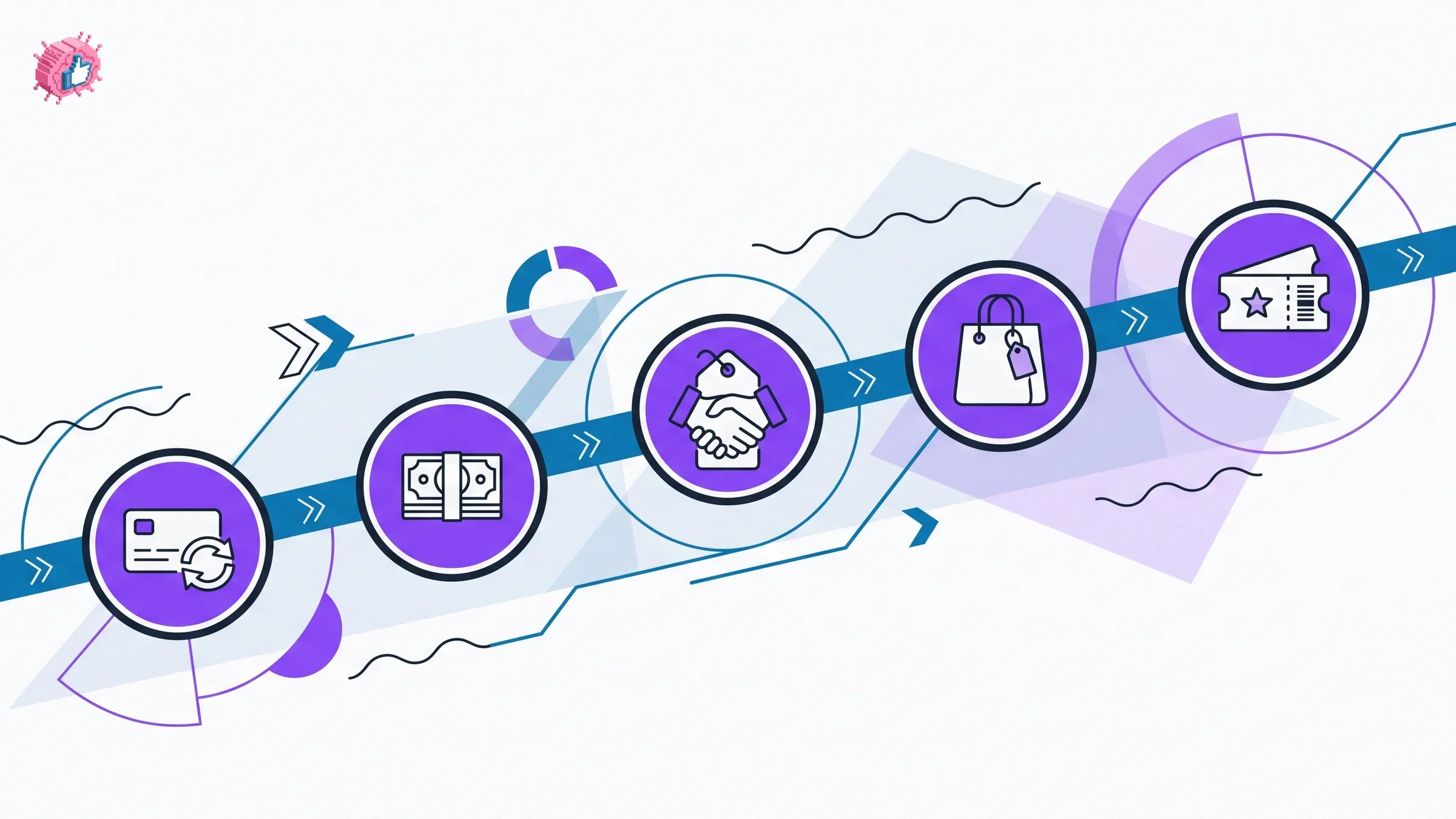
According to Business Insider, the internal documents outline five distinct monetization products for the FY2027 window. One of the five has since shipped: LinkedIn launched Creator Marketplace on 10 June 2026, per LinkedIn's announcement. The other four remain reported plans. They map to specific revenue mechanics LinkedIn already understands from existing experiments.
Here is the full roadmap in one view.
| Product | What it does | Status signal | Who it favors |
|---|---|---|---|
| Paid subscriptions | Creators charge for access to newsletters, podcasts, and paywalled communities | Planned for FY2027 | Creators with recurring, high-value content |
| Creator fund | Direct cash rewards for top-performing creators | Precedent: a $25M fund tied to a six-week accelerator | Strong performers and consistent posters |
| Dealmaking marketplace | Brand matchmaking that connects creators with brands for sponsored posts | Live since June 2026 as Creator Marketplace | Niche authority creators with engaged audiences |
| One-time purchases | Users buy "experiences" from creators, such as a paid advice session | Planned for FY2027 | Experts, coaches, consultants |
| Events | Exclusive and ticketed creator events | Already generated $18.9M (H2 FY2025 to H1 FY2026) | Speakers, community builders, educators |
The headline is simple: LinkedIn is building four or five revenue streams at once, not just one. That diversification matters because it means creators with different strengths (writers, podcasters, consultants, speakers) all get a path to income, rather than a single ad-revenue lever that rewards only viral video.
For a strategic overview of how to structure your content around these incoming streams, the LinkedIn content strategy guide is the companion read to this piece.
Why LinkedIn is monetizing creators now
LinkedIn monetization for creators is not a sudden idea. It is a defensive and offensive move at the same time, driven by three forces.
1. The feed runs on creator content. LinkedIn shifted from a static profile-and-resume product to an engagement-driven feed. That feed needs a constant supply of posts, video, and commentary. Creators provide that supply for free, and LinkedIn has learned (as every social platform eventually does) that you cannot keep the best creators producing for exposure alone.
2. Competitors already pay. YouTube said in September that it had paid creators and publishers more than $100 billion over the prior four years. Instagram and TikTok have mature brand-deal and ad-revenue ecosystems. Many full-time influencers still treat LinkedIn as a secondary platform precisely because the money lives elsewhere. LinkedIn cannot win the creator war on reach alone.
3. Events already prove demand. LinkedIn's events business generated $18.9M between the second half of FY2025 and the first half of FY2026. That is real, validated revenue from creators monetizing their audiences. The roadmap is partly LinkedIn extrapolating from a working model.
The takeaway for you: LinkedIn is not experimenting cautiously. It is committing to a creator economy because the alternative is watching top voices invest their best work on platforms that pay them. That is the structural reason this roadmap is credible.
The five monetization products, explained
Paid subscriptions
The plan lets creators charge for access to newsletters, podcasts, and paywalled communities. This is the Substack and Patreon model arriving natively inside a 1.3 billion-user network. The advantage is distribution: instead of dragging your LinkedIn audience to an external paywall, you collect recurring revenue where your audience already is.
If you already run a LinkedIn newsletter, this is the single most important product to prepare for. A free newsletter today becomes a paid asset tomorrow. We cover the playbook in depth in how to monetize your LinkedIn newsletter.
Creator fund
The leaked plan references cash rewards for strong performers. LinkedIn has run this before: a $25M fund tied to a six-week accelerator program. A creator fund pays you for performance, not for selling anything, which makes it the lowest-friction income stream on the roadmap. You keep posting, and if your content performs, you get paid.
The catch is that funds reward consistency and measurable engagement. We break down eligibility patterns and how to position for payout in the dedicated LinkedIn creator fund explainer.
Dealmaking marketplace
This is brand matchmaking: a marketplace that connects creators with brands for sponsored posts. LinkedIn already has the data to do this well, since it knows your industry, audience seniority, and engagement quality better than any consumer platform. For B2B creators, brand deals on LinkedIn can carry higher per-post value than Instagram, because the audience is decision-makers, not casual scrollers.
If sponsored content is your target, the mechanics of pricing and pitching are covered in LinkedIn brand deals.
One-time purchases
The roadmap describes users buying "experiences" from creators, for example a paid advice session. This is productized expertise: a single transaction for a consultation, a portfolio review, or a strategy call. It suits consultants, coaches, and operators who sell their time rather than a subscription.
Events
Events are the most proven line in the plan, already generating $18.9M. LinkedIn intends to launch roughly 50 exclusive creator events and test ticketed events at the start of FY2027, then expand the program to more than 1,000 creators. For speakers, educators, and community builders, ticketed events convert audience attention into direct revenue without relying on the algorithm at all.
What LinkedIn already pays creators today
The roadmap is new, but LinkedIn is not starting from zero. Three monetization tools already exist, and they hint at how the company thinks about creator payouts.
| Existing tool | How it pays | Scale today |
|---|---|---|
| BrandLink | Shares video-ad revenue with creators and publishers | 100+ creators and publishers |
| Thought Leader ads | Brands pay creators to amplify their posts | Active ad product |
| LinkedIn Learning | Pays educational creators for courses | Established program |
These programs are narrow. BrandLink covers only a hundred-plus partners, Thought Leader ads serve brands more than independent creators, and LinkedIn Learning is limited to course producers. The FY2027 roadmap is the move from a handful of partner programs to a creator economy open to far more people.
Automate your LinkedIn for 30 days
How LinkedIn monetization compares to other platforms
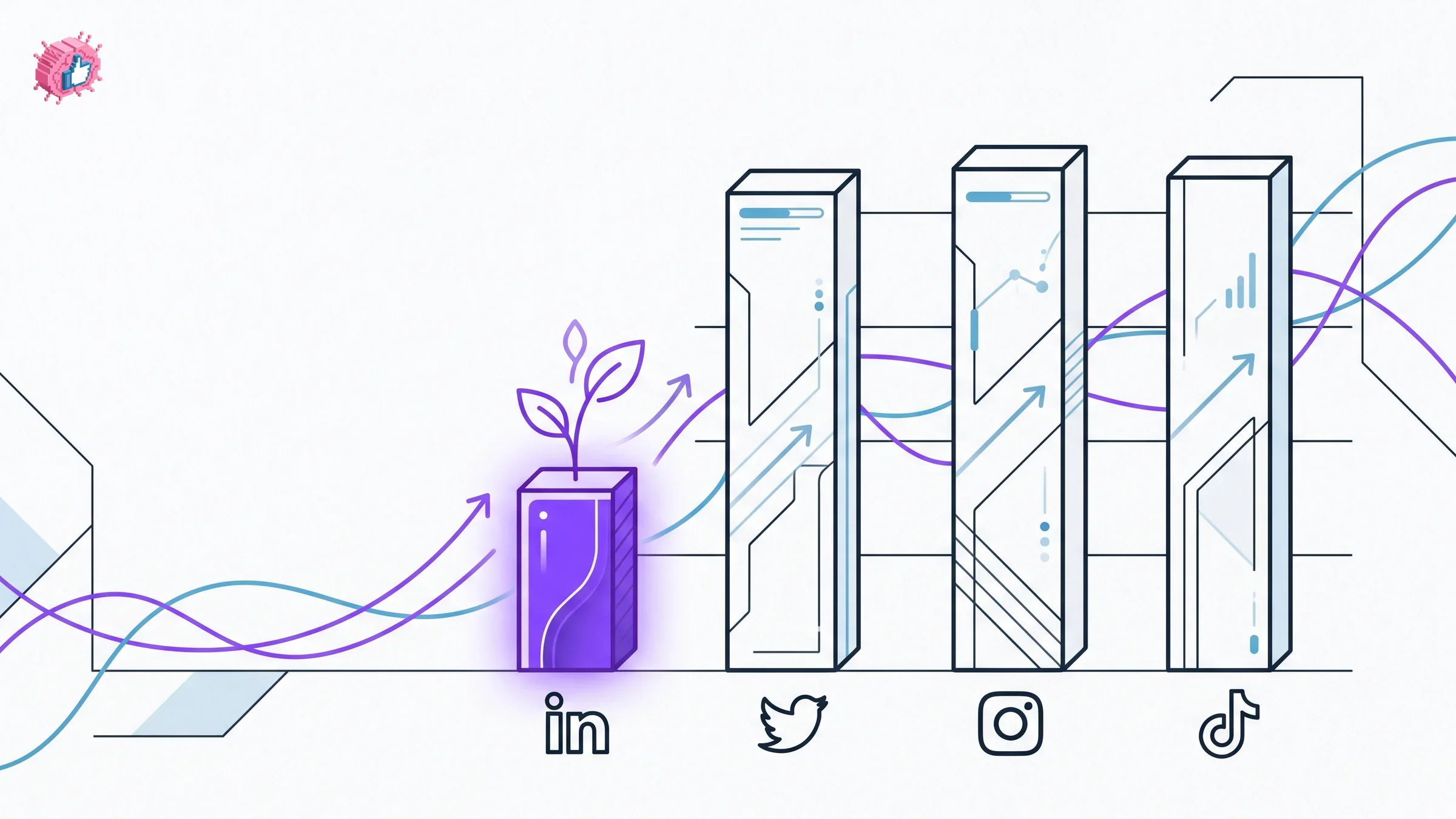
The honest assessment: LinkedIn is years behind on payouts, and it knows it. The leaked plan is an attempt to close a gap, not to lead.
| Platform | Primary creator income | Maturity | Audience value for B2B |
|---|---|---|---|
| Brand deals live via Creator Marketplace (June 2026); subscriptions, fund and events reported for FY2027 | Early stage | Very high (decision-makers) | |
| YouTube | Ad-revenue share, channel memberships | Mature ($100B+ paid over four years) | Medium |
| Brand deals, bonuses | Mature | Low to medium | |
| TikTok | Creator fund, ad-revenue share, brand deals | Mature | Low |
Gigi Robinson, a creator with roughly 35,000 LinkedIn followers in LinkedIn's partner program, summed up the stage well to Business Insider: "LinkedIn is investing heavily in creators and creator marketing, and I think it is very early stages."
That "early stages" framing is the opportunity. Mature platforms are saturated with creators competing for brand budgets. LinkedIn's monetization is uncrowded right now, which means the creators who build engaged, niche audiences before the tools launch will be first in line when the money arrives. The audience-value column is the reason to care: a LinkedIn follower who is a VP of engineering or a head of marketing is worth far more to a brand than a casual follower elsewhere.
How to position yourself before launch
You cannot click "monetize" yet. But the leaked roadmap tells you exactly what LinkedIn will reward, which means you can build toward it now. The creators who win the FY2027 rollout will be the ones who already have the assets in place.
- Build a newsletter audience now. Paid subscriptions reward existing, engaged subscriber bases. A free newsletter you grow in 2026 is a paid product in 2027. Start with the LinkedIn personal branding guide to define the angle people will pay for.
- Post consistently to qualify for the fund. Creator funds reward measurable performance. Treat engagement rate as the metric that matters, and benchmark yours against your niche using LinkedIn engagement benchmarks.
- Sharpen your niche for brand deals. The dealmaking marketplace will match brands to creators by audience fit. A clear, specific niche is worth more than a large, generic following.
- Package your expertise. One-time purchases reward people with a productized skill. Decide now what your paid advice session or experience would actually be.
- Plan one event. With LinkedIn testing ticketed events, having an audience that would show up (and pay) is a head start. Even a free webinar this year builds the list you monetize next year.
The common thread: every product on the roadmap rewards a real, engaged audience over a vanity follower count. That is where your effort should go between now and FY2027.
What this means for you
If you read only the takeaways, here is the playbook.
- LinkedIn creator monetization is real, and one product has shipped. The dealmaking marketplace launched as Creator Marketplace on 10 June 2026. Four more are reported for FY2027 (July 2026 to June 2027): paid subscriptions, a creator fund, one-time purchases, and expanded events.
- Engagement is the currency. Every revenue stream rewards an engaged audience, not a large one. Raise your engagement rate before the tools launch, and check where your drafts stand with the viral score checker.
- Pick your lane now. Newsletter writers should prepare for subscriptions, consultants for one-time purchases, speakers for events, and niche authorities for brand deals.
- Quality content compounds. The fastest way to build a monetizable audience is to publish posts people actually engage with. The LinkedIn post generator helps you draft posts modeled on patterns from top-performing creators.
- Start before the rush. LinkedIn monetization is in its "very early stages," which is exactly when the upside is largest.
Building the audience is the prerequisite for every line on this roadmap. ViralBrain helps you analyze top creators, generate posts in your voice, and track the engagement that the FY2027 tools will reward. Plans and the €1 trial are on the pricing page.
Sources: Business Insider, "Internal LinkedIn docs reveal the new features it's cooking up" by Alex Bitter and Dan Whateley (June 2026).
FAQ
What is LinkedIn creator monetization?
LinkedIn creator monetization refers to the tools that let creators earn money directly from their content and audience on LinkedIn. The brand-deal marketplace on that list has already shipped, as Creator Marketplace on 10 June 2026. Per leaked internal documents reported by Business Insider (June 2026), the tools still reported for fiscal year 2027 are paid subscriptions, a creator fund, one-time purchases, and ticketed events.
When will LinkedIn monetization tools launch?
The internal strategy documents target fiscal year 2027, which runs from July 2026 to June 2027. LinkedIn plans to launch roughly 50 exclusive creator events and test ticketed events at the start of FY2027, with the broader monetization products rolling out across that window. Exact public dates have not been confirmed by LinkedIn.
How will LinkedIn paid subscriptions work?
According to the leaked roadmap, creators will be able to charge for access to newsletters, podcasts, and paywalled communities. This brings the subscription model native to LinkedIn, so creators can collect recurring revenue from the audience they already have instead of routing them to an external platform. See how to monetize your LinkedIn newsletter for the preparation playbook.
What is the LinkedIn creator fund?
The creator fund is a pool of cash rewards for strong-performing creators. LinkedIn has run a version before, a $25M fund tied to a six-week accelerator program. Funds typically reward consistency and engagement rather than direct sales. The full breakdown is in the LinkedIn creator fund explainer.
How does LinkedIn pay creators right now?
Three programs already exist: BrandLink shares video-ad revenue with 100-plus creators and publishers, Thought Leader ads let brands pay creators to amplify posts, and LinkedIn Learning pays educational creators for courses. These are narrow programs, and the FY2027 roadmap expands monetization to a much wider creator base.
Is LinkedIn monetization better than YouTube or Instagram?
Not yet in scale. YouTube said it paid creators and publishers more than $100 billion over the prior four years, and Instagram and TikTok have mature brand-deal ecosystems. LinkedIn is in early stages by comparison. The advantage is audience quality: LinkedIn followers are often decision-makers, which can make B2B brand deals more valuable per post.
How can I make money on LinkedIn before the new tools launch?
You can already earn through sponsored posts, consulting, lead generation, and selling your own products or services to your audience. The leaked roadmap simply adds native infrastructure for it. For current methods, see how to make money on LinkedIn, and start by building the engaged audience every future tool will reward.
What should creators do to prepare for LinkedIn monetization?
Build an engaged, niche audience now, since every planned product rewards engagement over follower count. Grow a free newsletter (future paid subscriptions), post consistently (creator fund), sharpen your niche (brand deals), and package your expertise (one-time purchases and events). Defining a clear positioning with the LinkedIn personal branding guide is the practical first step.
Automate your LinkedIn for 30 days
ViralBrain plans, writes, and schedules your LinkedIn content, using official LinkedIn APIs so your account stays safe.
- Official LinkedIn APIs, no risk of ban
- You approve every post before it goes live
- Cancel anytime
Keep reading

How to Make Money on LinkedIn in 2026: 9 Proven Ways
How to make money on LinkedIn in 2026: 9 proven ways to earn, from leads and brand deals to BrandLink, plus the leaked FY2027 LinkedIn monetization roadmap.
How to Monetize Your LinkedIn Newsletter in 2026
Learn how to start, grow, and monetize a LinkedIn newsletter in 2026. Subscriber growth tactics, content cadence, and the paid subscription tools coming next.

LinkedIn Creator Marketplace: how creators get found
LinkedIn launched Creator Marketplace on 10 June 2026. What it does for creators, the four controls you get after opting in, and what LinkedIn has not said.