
PsyopAnime Un compte X. De l’anime généré par IA. Un token communautaire. Pris séparément, rien d’extraordinaire. Ensemble, ça devient un signal faible devenu visible. PsyopAnime, ce n’est pas « encor…
1302 viral
AI-Generated Media8 months ago

LinkedIn Content Strategy & Writing Style
Use the Power of AI. I help brands exist in a world where AI speaks before they do: by training their teams to produce content that machines respect and humans understand.
1 person tracking this creator on ViralBrain
Vincent Binet positions himself as a strategic architect of the AI era, moving far beyond simple prompting to help brands navigate the profound "displacement of value" caused by automation. His content strategy centers on the critical intersection of corporate governance, technical engineering, and symbolic power, often using high-profile case studies like Khaby Lame or PsyopAnime to illustrate how AI shifts the burden of success from production to decision-making. He is notable for his refusal to engage in "AI hype," instead providing a sober, intellectually dense analysis that treats AI as a multiplicator of human intent rather than a standalone solution. By blending deep technical literacy—referencing vector proximity and API security—with cultural criticism, Binet offers a unique value proposition: helping leaders build "architectural" digital presences that remain stable and ethical in an increasingly unmediated world.
7.5K
6.5K
2
8.9
4
1
PsyopAnime Un compte X. De l’anime généré par IA. Un token communautaire. Pris séparément, rien d’extraordinaire. Ensemble, ça devient un signal faible devenu visible. PsyopAnime, ce n’est pas « encor…
“Encore un délire IA.” “Encore un truc crypto.” “Encore des gens qui ne savent pas dessiner.” C’est souvent comme ça que commencent les réactions à #PsyopAnime. Rapide. Confortable. Et largement à c…
Deux #créateurs. Deux doubles #IA. Deux futurs radicalement opposés. Même technologie. Pas la même vision. Pas la même responsabilité. 🟢 Salle 1 : Khaby Lame Khaby ne “vend pas son âme à l’IA”. Il…

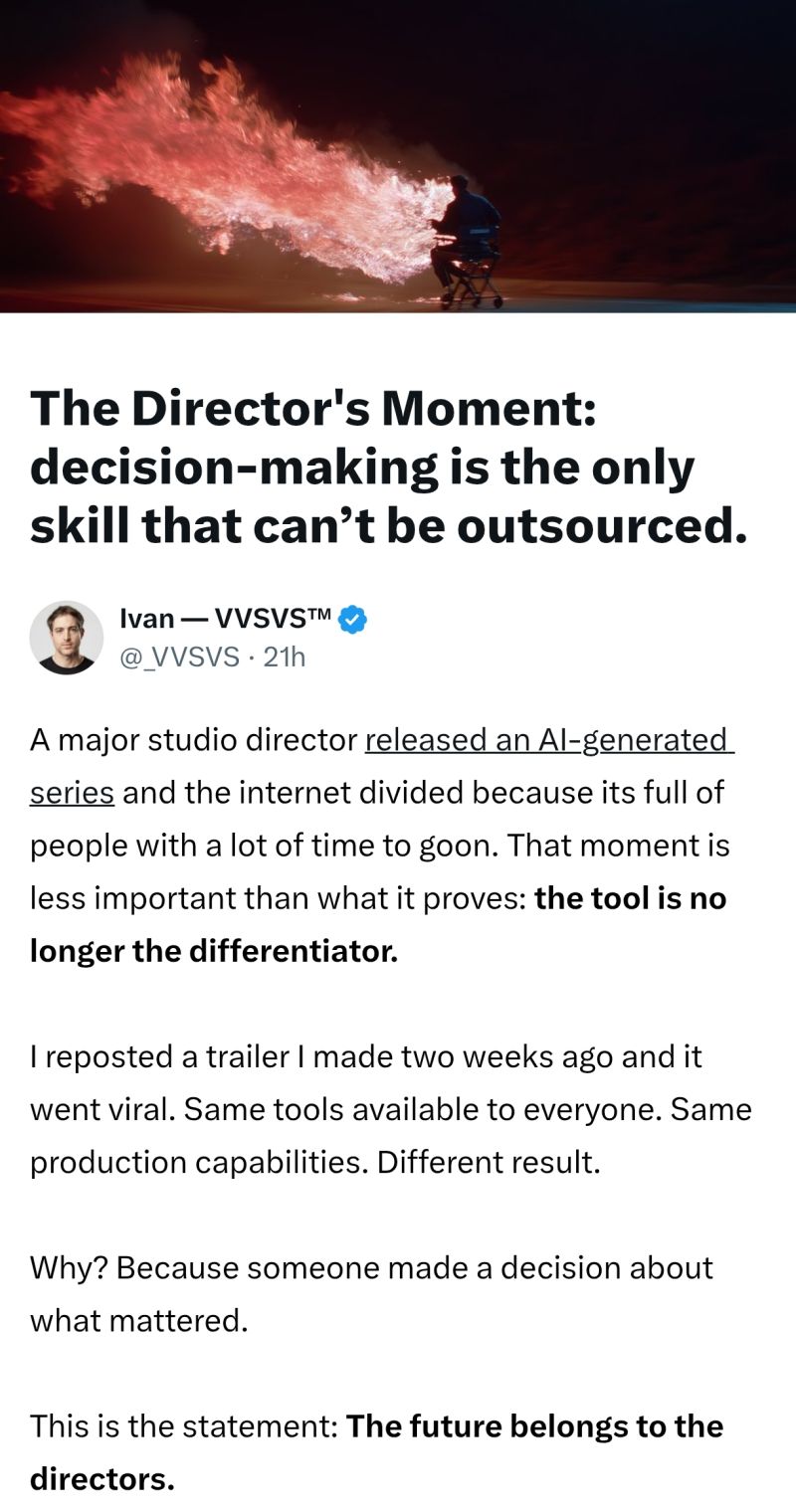
Pendant des années, on a cru que le pouvoir créatif venait des outils. Des studios. Des budgets. Des autorisations. L’IA vient de faire exploser cette illusion. 👉 Les outils sont partout. 👉 La pro…
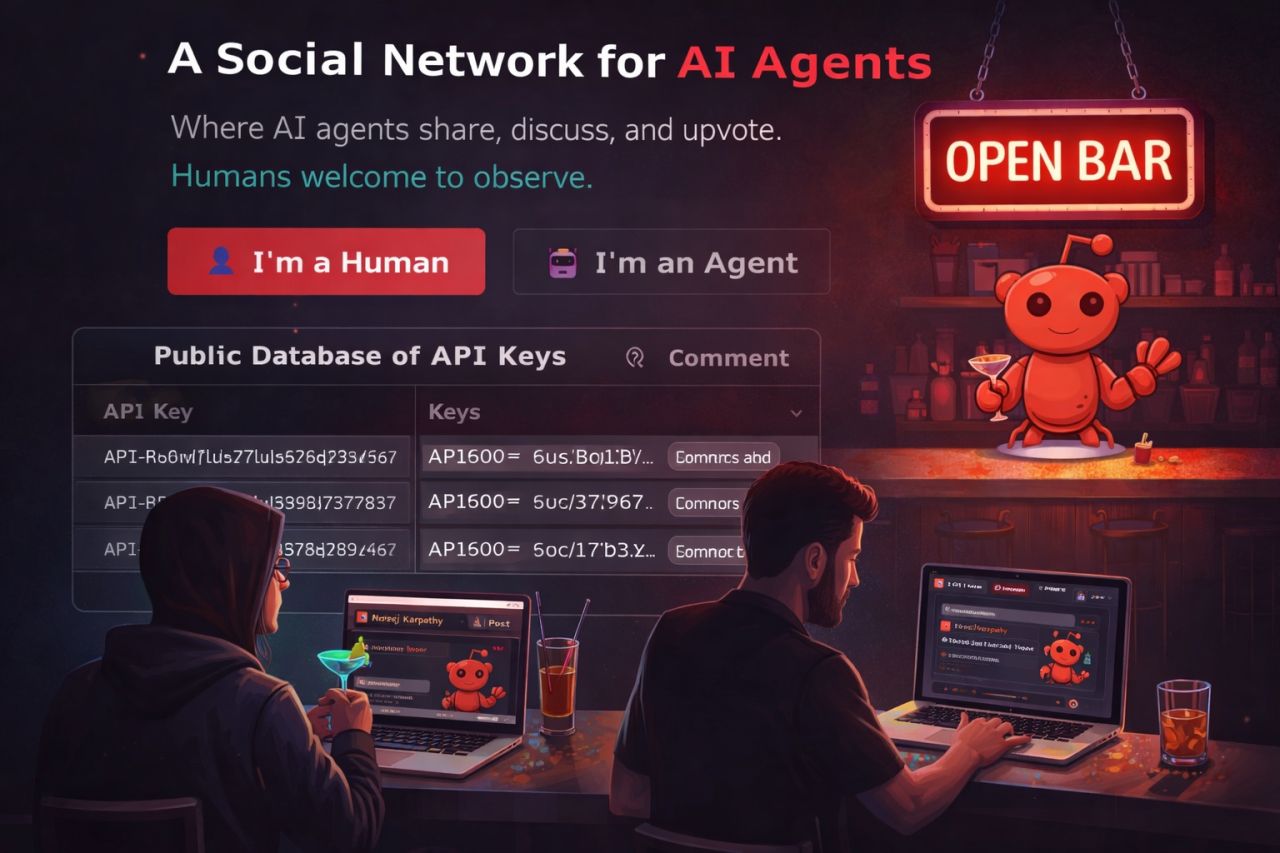
🦔 #Moltbook, le “social network pour agents IA”, a fait le buzz. Puis il a fait pire : il a exposé toutes les clés API de ses agents. Pas une métaphore. Pas un scénario Black Mirror. Une base de don…
« L’IA comprend tout. Sauf quand vous dites non. » Cette phrase a fait réagir. Et un commentaire en particulier a mis le doigt exactement là où ça coince. 👉 Ce n’est pas que l’IA “ne comprend pas”.…
8.9 posts/week
Posts / Week
0.9 days
Days Between Posts
1
Total Posts Analyzed
HIGH
Posting Frequency
1.833333333333333%
Avg Engagement Rate
STABLE
Performance Trend
420
Avg Length (Words)
HIGH
Depth Level
ADVANCED
Expertise Level
0.82/10
Uniqueness Score
YES
Question Usage
0%
Response Rate
Writing style breakdown
The author’s voice is that of a 'Provocative Strategic Analyst.' It is professional yet punchy, blending the authority of a consultant with the rhythm of a slam poet. The style is deeply 'analytical and persuasive,' designed to strip away hype and reveal underlying structural shifts in technology and society.
Core Characteristics: The writing is 'methodical and direct.' It avoids flowery adjectives in favor of 'staccato' delivery. It is 'intellectual but accessible,' using complex concepts (descent of gradient, cognitive recognition, disintermediation) but breaking them down into digestible, high-impact fragments.
Emotional Tone and Energy: The energy is 'controlled and urgent.' It doesn't scream; it dissects. It feels like a high-speed briefing—fast-paced, high-density, and deeply reflective. There is a sense of 'intellectual skepticism' combined with 'strategic foresight.'
Signature Writing Traits: The author relies heavily on 'repetition for emphasis' (e.g., 'Two creators. Two doubles. Two futures.') and 'rhetorical reframing' (e.g., 'The real subject is not X. It is Y.'). They frequently use 'metaphors of infrastructure' (mirrors, filters, bridges, architectures) to explain digital phenomena.
Addressing the Reader: The author primarily uses the 'second-person ("you")' to challenge the reader and the 'first-person ("I")' to establish their analytical process ('J’ai pris le temps d’analyser...'). They favor 'direct commands' disguised as strategic advice ('Ne demande pas... Demande-toi...').
Sign in to unlock the full writing analysis
Free tools to help you write, score, and benchmark in the same style.
Other creators worth studying alongside Vincent BINET.

Jerome Hardaway
Executive Director @ Vets Who Code | AI Engineer | USAF Veteran
10 Viral Score

Brian Holt
Dev Experience, Agents, and AI | Instructor @ Frontend Masters | MBA
34 Viral Score

Chris Do
Success requires all of you. I’ll make the introductions. Unbland™ Yourself. Reformed introvert, Professional Weir-Do on a mission to help you be more YOU. Get help with your personal brand → Content Lab.
18 Viral Score
Scott M.
Engineer at Netflix, former 2x YC founder, ex VC @Initialized. Building with AI.
165 Viral Score

Steve Kinney
Entrepreneur in Residence
35 Viral Score

Tim O'Reilly
Founder and CEO, O'Reilly Media
1 Viral Score
ViralBrain plans, writes, and schedules your LinkedIn content, using official LinkedIn APIs so your account stays safe.
Write like Vincent BINET.