

LinkedIn Growth Hacks in 2026: 21 Tactics That Still Work
21 LinkedIn growth hacks for 2026 that actually move the needle: hook formulas, algorithm shifts, carousel math, and the comment flywheel, with real numbers.
LinkedIn reached 1.2 billion members in early 2026, and organic reach on text posts dropped roughly 32% year over year for accounts under 10,000 followers (Richard van der Blom, Algorithm Insights 2026). That sounds grim, but the creators who adapted are posting the best numbers of their careers. The winning linkedin growth hacks in 2026 are not clever tricks. They are the compounding plays: sharper hooks, tighter dwell time, smarter comment flywheels, and a format mix tuned to how the feed actually works now.
This is a working playbook of 21 tactics, grouped by the job they do. Some are 10-minute fixes. Some are habits that pay off over 90 days. None of them require buying followers, spamming pods, or posting six times a day. Pick three, run them for two weeks, measure, keep what works.
Automate your LinkedIn for 30 days
Why 2026 is different from 2024
The LinkedIn feed used to reward velocity: get 20 comments in the first hour and you flew. The linkedin algorithm 2026 weights dwell time, meaningful comment depth, and repeat viewer history more than raw early likes. Posts that hold a reader for 6+ seconds outperform posts with higher click-reach but quick scroll-bys, according to LinkedIn's own Creator Report 2026 and independent analysis from Socialinsider.
What dwell time means for your format
Dwell time is measured from the moment your post enters the viewport to the moment the reader scrolls past. A two-line post with a weak hook rarely breaks three seconds. A carousel held open for 12 seconds signals "this person found value" and gets re-surfaced to second and third-degree networks.
That is why carousels, 1,200-character text posts with a hard break at line 3, and native video are the three formats dominating reach charts in Q1 2026.
Content hacks (tactics 1-7)
1. Treat the first line as the whole post
Your hook is the product. Ninety percent of readers decide at the "see more" cutoff. A hook that names a specific number, a concrete person, or a contrarian claim wins. "I fired my best salesperson last Tuesday" beats "Sales leadership is hard" every time.
If hook writing is where you stall, a tool like the Hook Generator at /tools/hook-generator gets you 10 variants in under a minute so you stop publishing your first draft.
2. Use the three-line opener
Line 1: the hook. Line 2: blank. Line 3: a promise or a twist. Then "see more." This structure boosted click-through on tested posts by 18% in a 2026 Shield Analytics cohort.
3. Write for the lunch scroll, not the boardroom
Sixth-grade reading level. Short paragraphs. One idea per line. The Hemingway grade on your top three viral posts this year is almost certainly under 7.
4. Personal story + business insight beats either alone
Pure vulnerability posts peaked in 2023. Pure frameworks read as dry. The hybrid ("here is what happened, here is what I learned, here is the rule I now follow") drives 2.3x more saves than a framework-only post, per Justin Welsh's 2026 benchmarks.
5. Carousels are still the reach king
PDF carousels (documents) average 3 to 5x the reach of a text-only post from the same account, based on Q1 2026 data from Taplio and AuthoredUp. Seven to 10 slides. One idea per slide. Cover slide does the job of a hook.
6. Native video is back (but short)
Vertical video under 60 seconds is being surfaced aggressively as LinkedIn tests its short-form feed. Early adopters are seeing 4x the impressions of their average text post. Subtitles are non-negotiable since 79% of feed video plays muted.
7. Study viral posts in your niche before you write
Do not guess what works. Pull the top 20 posts from three creators in your niche and reverse-engineer the hook, structure, and CTA. Hero Discovery does this automatically by surfacing the top creators for any topic so you can borrow proven formats instead of inventing from scratch.
Algorithm hacks (tactics 8-12)
8. Post when your audience is online, not when gurus tell you to
"Tuesday 8am" is a myth for 2026. Your audience timezone mix and your follower activity pattern are what matter. The LinkedIn Best Time to Post tool reads your actual follower data and tells you the windows with the highest dwell for your graph, not a generic one.
9. The golden hour is now the golden 90 minutes
LinkedIn's ranker takes roughly 90 minutes to decide if your post gets a second wave. Spend that window replying to every comment with more than "thanks." Each substantive reply resets the clock on that thread and signals meaningful engagement.
10. Comment depth beats comment count
One 40-word comment outranks five one-word "great post!" replies. When you reply to commenters, write 2 to 3 sentences. That turns comments into conversation threads, which the 2026 algorithm treats as a stronger signal than raw comment count.
11. Avoid the edit penalty (mostly a myth, but timing matters)
The "do not edit for 24 hours" rule is overblown, but heavy edits in the first 10 minutes can reset initial distribution. Fix typos fast or wait until the post has stabilised.
12. External links: footer, not body
Posts with a link in the body still get reduced reach. Put your link in the first comment or as a "Link in bio" style footer. The penalty shrank in 2025 but has not disappeared, based on A/B tests from Richard van der Blom.
Engagement hacks (tactics 13-17)
13. Build the comment flywheel
Comment thoughtfully on 10 posts from creators in your niche every morning before you post your own. This does three things: it warms your graph, it puts your name in front of their audience, and it trains the algorithm that you are an active participant, not a one-way broadcaster.
14. Ask one question at the end of every post
Not "what do you think?" Something specific: "What is the last hook that stopped your scroll?" Specific questions get 4x more replies than generic ones.
15. Reply within 15 minutes during the first hour
Set a timer. Reply fast, reply substantively, and tag the commenter where relevant. Creators who replied within 15 minutes in the first 90 minutes saw 27% higher total reach on identical content in a 2026 Ideal Content study.
16. The "comment on a viral post" play
Find a post from a mega-creator in your niche that is going viral in real time. Write a substantive comment (three to five sentences, one specific insight). A top comment on a 100k-view post can net you 20 to 200 followers. Do this daily.
17. Use the post-scorer before you publish
If you are going to spend 90 minutes on a carousel, spend 60 more seconds running it through the Post Scorer to predict its performance before it ships. Fix the hook, tighten the middle, sharpen the CTA, then publish.
Audience and workflow hacks (tactics 18-21)
18. Niche down for 90 days, then broaden
A 90-day run of tight topical focus (one vertical, one audience) trains LinkedIn's graph to file you correctly. After the graph is set, you can broaden into adjacent topics without losing distribution. Founders who niched in Q4 2025 reported 2x follower growth by mid-Q1 2026.
19. Post 3 to 5 times per week, not daily
Daily posting is a 2022 hack. In 2026, the data says three to five high-quality posts beats seven medium-quality ones, because each post gets more shelf life when the next one is 48 hours away.
20. Batch your writing, single-post your publishing
Write five posts on Sunday. Publish one per weekday. Writing in flow produces better hooks; publishing in the moment lets you tune to current events.
21. Track engagement rate, not followers
Followers are a lagging vanity number. Engagement rate is the leading indicator. The Engagement Calculator gives you a weekly number to benchmark against peers in your niche, so you know whether your content is actually improving.
Automate your LinkedIn for 30 days
Old hacks vs 2026 hacks
The tactics that worked in 2022-2023 are not just stale; some now hurt reach. Here is the side-by-side.
| Tactic | 2022-2023 version | 2026 version | Why it changed |
|---|---|---|---|
| Posting cadence | Post daily, 7x per week | 3 to 5x per week, higher quality | Algorithm rewards dwell time per post, not post volume |
| Engagement pods | Coordinated likes in first 10 min | Substantive comments, spread over 90 min | Ranker now weighs comment depth and flags pod patterns |
| Hook style | "Here is a thread on X" | Specific number or contrarian claim | Feed is saturated; generic openers get scrolled |
| External links | Put in first comment to bypass | Footer or first comment, but link penalty shrunk | LinkedIn relaxed the penalty in late 2025 |
| Format mix | Text posts dominated | Carousel + text + native video | Visual formats carry dwell time better |
| Posting time | "Tuesday 8am works for everyone" | Your follower activity data | Generic times are meaningless at 1.2B users |
| Growth target | Followers | Engagement rate + saves | Followers are a lagging indicator |
How to actually get viral on LinkedIn
Going viral on LinkedIn in 2026 is a combination of format, timing, hook, and topical relevance. One viral post every 10 to 15 tries is a strong hit rate for a tuned account. The creators who consistently produce viral linkedin posts share three traits: they study top posts in their niche religiously, they iterate on hook variants before publishing, and they engage for 90 minutes after the post goes live.
If you want the long walkthrough on the mechanics of virality, the deeper guide on post anatomy, timing, and distribution waves picks up where this section leaves off.
The 90-day growth loop
A working linkedin growth strategy looks like this over 90 days:
- Days 1 to 14: pick a niche, study 20 top creators in it, write your first 10 posts
- Days 15 to 45: publish 3 to 5 times per week, track engagement rate weekly
- Days 46 to 75: double down on the top two formats that worked, drop the bottom three
- Days 76 to 90: review follower growth, engagement rate delta, and decide whether to broaden
Growth is non-linear. Most accounts see nothing for the first 30 days, a small jump around day 45, and a bigger jump around day 75 as the graph catches up.
What this means for you
- Pick three tactics, not 21. Trying to install all 21 at once produces chaos. Pick one content hack, one algorithm hack, one engagement hack, and run them for two weeks.
- Measure engagement rate, not followers. Followers lie. Engagement rate per post tells you in real time whether your content is landing.
- Spend as much time commenting as writing. The comment flywheel is the single highest-ROI activity for accounts under 10k followers. Thirty minutes per morning, substantive replies, creators in your niche.
- Study before you write. Every post should start with "what format has worked for this idea in the last 30 days?" not a blank page.
- Ship three to five times a week, not daily. Quality per post compounds. Volume without quality burns your graph's patience.
Sources: LinkedIn Creator Report 2026, Richard van der Blom Algorithm Insights 2026, Socialinsider LinkedIn Benchmarks, Shield Analytics, Justin Welsh Benchmarks 2026
FAQ
What are the most effective linkedin growth hacks in 2026?
The highest-ROI linkedin growth hacks right now are sharper hooks that name specific numbers, carousels for dwell time, the comment flywheel (30 minutes of substantive comments before you post), and replying within 15 minutes during the first 90 minutes after publishing. These four compound faster than anything else because they feed directly into how the 2026 ranker scores posts.
How often should I post on LinkedIn to grow in 2026?
Three to five times per week beats daily. Each post gets more shelf life when the next one is 48 hours away, and quality per post is what the dwell-time ranker rewards. Daily posting made sense in 2022 when the feed was less saturated; in 2026 it spreads your graph thin.
Do engagement pods still work?
No, and they can hurt. The 2026 ranker detects coordinated like patterns and discounts them. The legitimate version of "the pod" is a small group of niche peers who leave substantive comments (three to five sentences) on each other's posts within the golden 90 minutes. That signals meaningful engagement, not gaming.
How do I grow linkedin followers in 2026 without paid ads?
To grow linkedin followers 2026, focus on three free levers: niche down for 90 days to train the graph, publish three to five carousels or video posts per week, and spend 30 minutes each morning commenting substantively on posts from top creators in your niche. Most accounts see a real inflection between day 45 and day 75.
What is the best time to post on LinkedIn?
The best time is whenever your specific followers are most active, which varies by your audience mix. Generic advice like "Tuesday 8am ET" stopped being useful when LinkedIn hit 1.2B members. Pull your own follower activity data or use a tool that reads it directly.
How long should my LinkedIn posts be?
For text posts, 1,200 to 1,500 characters performs best in 2026, with a hook-break-body structure that forces a "see more" click. For carousels, 7 to 10 slides with one idea per slide. For video, under 60 seconds vertical with subtitles.
How do I write hooks that actually work?
Name a specific number, a specific person, or make a contrarian claim that is true. "I fired my best salesperson last Tuesday" beats "Sales leadership is hard." Write 5 to 10 hook variants before you pick one. Tools that generate hook options reduce the time cost of this habit.
Is the LinkedIn algorithm really that different in 2026?
Yes. The shift from velocity-based ranking (early likes) to dwell-and-depth ranking (time spent on post + comment substance) is the biggest change since 2020. Posts that hold readers for 6+ seconds and generate 40-word replies get distributed far beyond posts with higher raw like counts.
All free tools linked in this guide live at ViralBrain — 40+ no-signup LinkedIn utilities plus an AI viral post generator for creators and B2B teams.
Automate your LinkedIn for 30 days
ViralBrain plans, writes, and schedules your LinkedIn content, using official LinkedIn APIs so your account stays safe.
- Official LinkedIn APIs, no risk of ban
- You approve every post before it goes live
- Cancel anytime
Keep reading
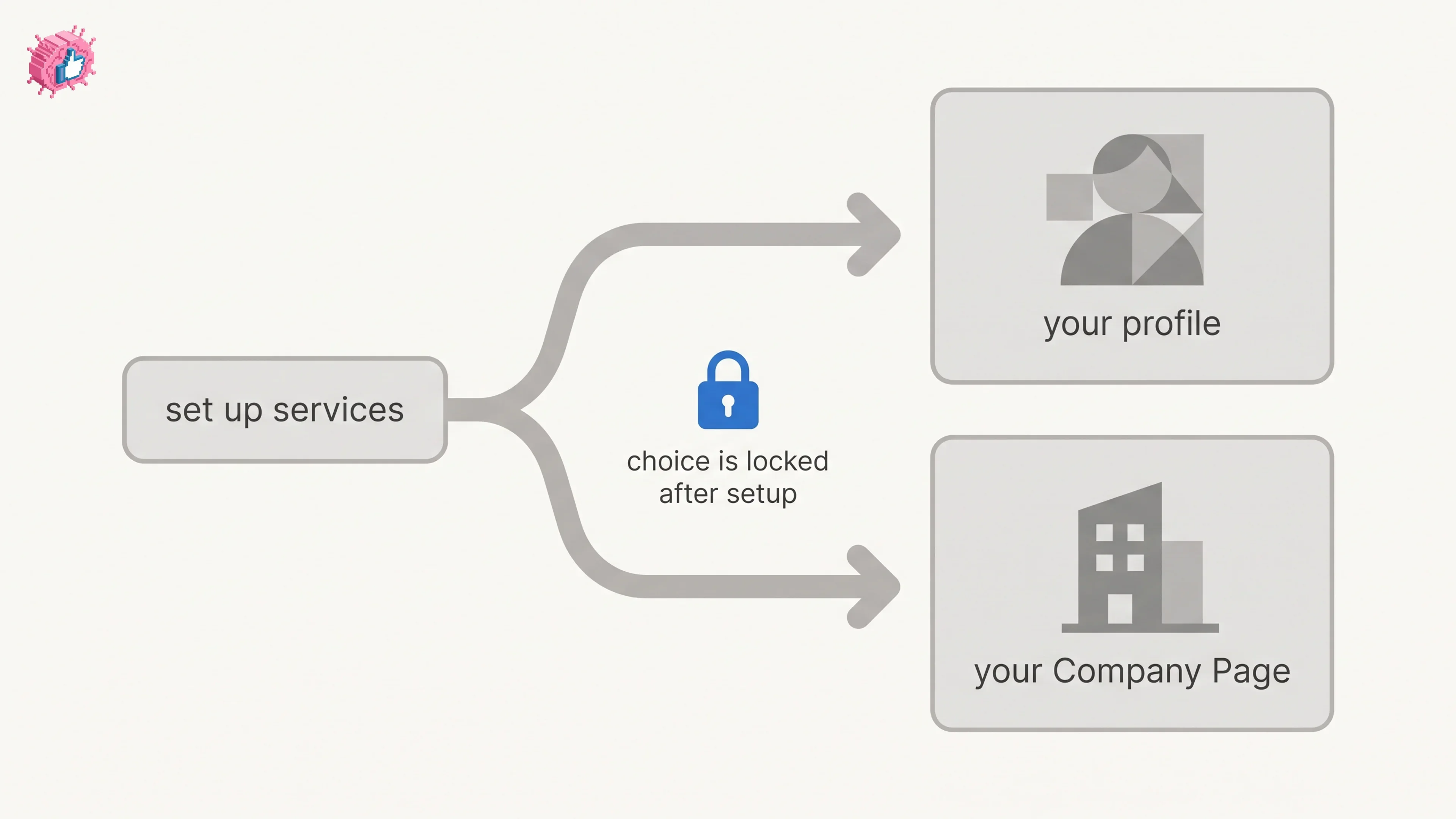
LinkedIn Service Page: setup, pricing, and the one-way choice
LinkedIn Service Pages are free for freelancers and consultants, but choosing profile or Company Page is locked once set. Setup steps and Premium limits.
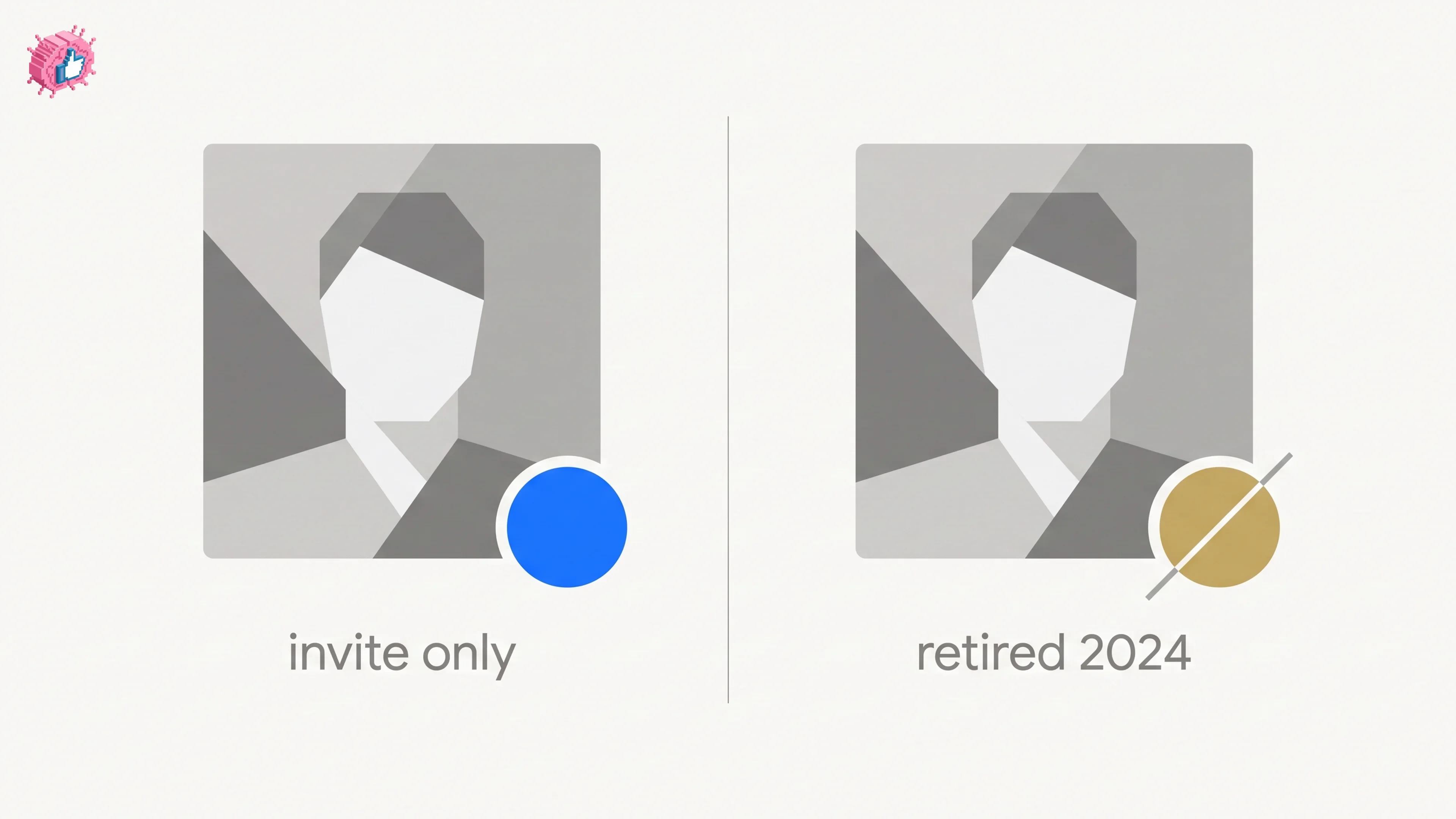
How to become a LinkedIn Top Voice: what LinkedIn actually says
LinkedIn Top Voice is invite-only and the gold Community badge was retired in October 2024. The five selection factors, and the nomination form.
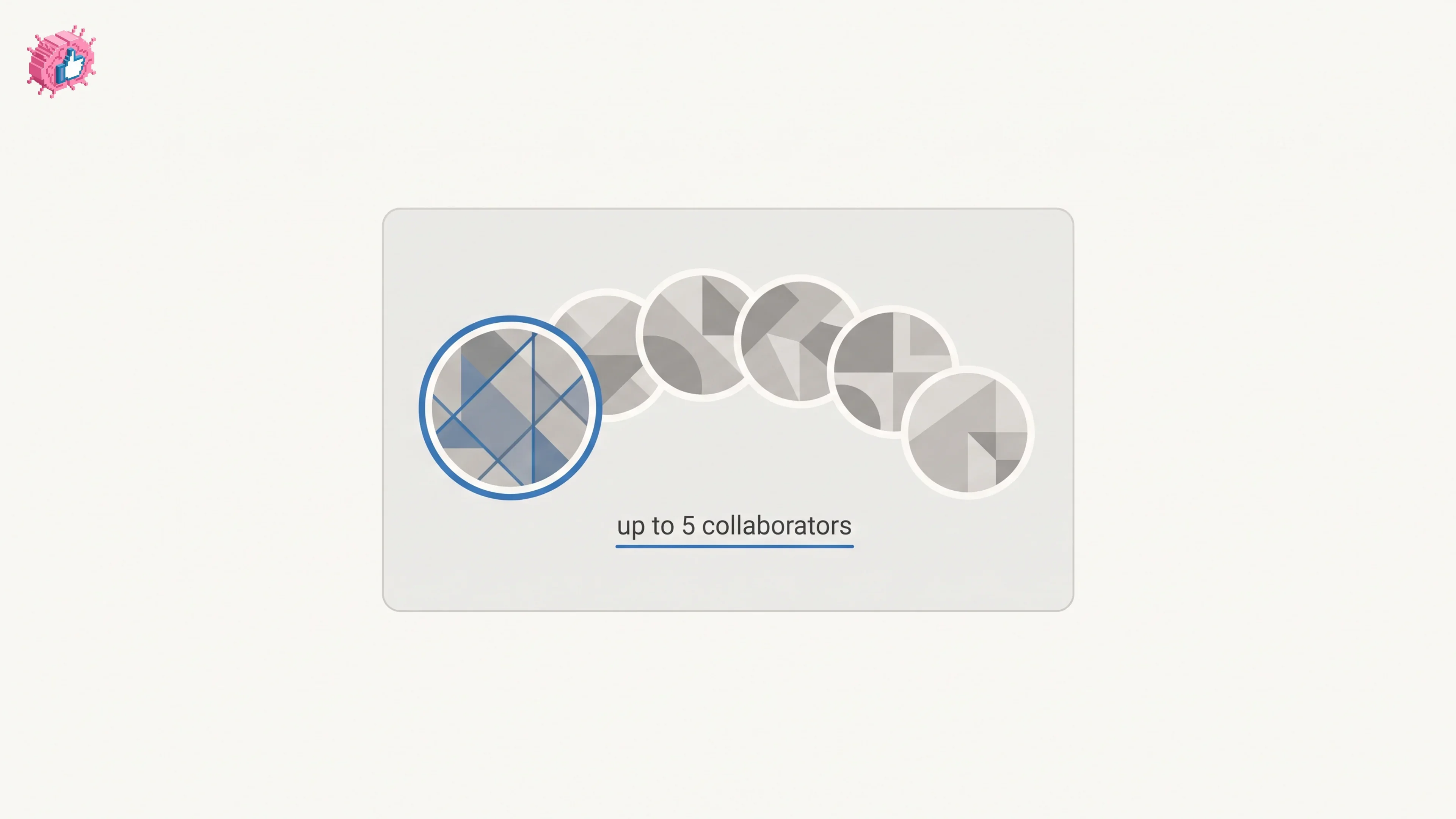
LinkedIn collaborative posts: how they work and who can use them
LinkedIn announced collaborative posts globally in July 2026, but help still limits creation to early access. How to add collaborators, and the limits.