
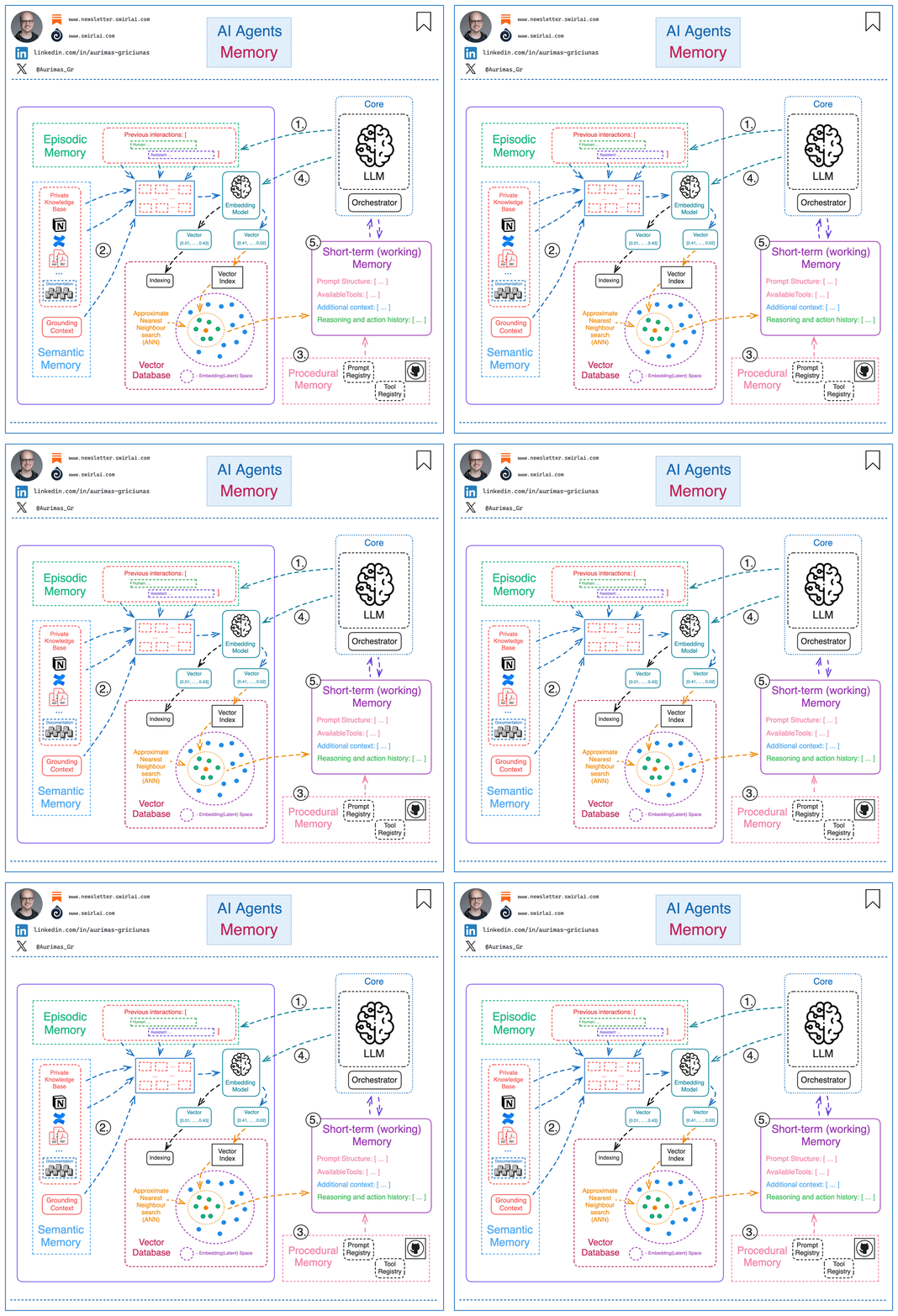
𝗔𝗜 𝗔𝗴𝗲𝗻𝘁’𝘀 𝗠𝗲𝗺𝗼𝗿𝘆 is the most important piece of 𝗖𝗼𝗻𝘁𝗲𝘅𝘁 𝗘𝗻𝗴𝗶𝗻𝗲𝗲𝗿𝗶𝗻𝗴, this is how we define it 👇 In general, the memory for an agent is something that we provide via…
63281819 viral
AI Engineeringabout 1 month ago

LinkedIn Content Strategy & Writing Style
Founder @ SwirlAI • Ex-CPO @ neptune.ai (Acquired by OpenAI) • UpSkilling the Next Generation of AI Talent • Author of SwirlAI Newsletter • Public Speaker
0 people tracking this creator on ViralBrain
Aurimas Griciūnas positions himself as the bridge between theoretical AI and production-grade AI engineering, moving the conversation away from simple LLM wrappers toward robust, scalable systems. His content strategy centers on the "from the trenches" realities of building agentic systems, focusing on recurring themes like context engineering, observability, and the critical intersection of data engineering and AI architecture. He is notable for his ability to deconstruct complex protocols like MCP and A2A into functional blueprints, prioritizing reliability and cost-efficiency over hype. By blending his background as a former CPO with a practitioner’s focus on systemic instrumentation, he offers a unique value proposition that treats AI development as a rigorous engineering discipline rather than a series of experimental prompts.
187.6K
30.0K
342
21
19
𝗔𝗜 𝗔𝗴𝗲𝗻𝘁’𝘀 𝗠𝗲𝗺𝗼𝗿𝘆 is the most important piece of 𝗖𝗼𝗻𝘁𝗲𝘅𝘁 𝗘𝗻𝗴𝗶𝗻𝗲𝗲𝗿𝗶𝗻𝗴, this is how we define it 👇 In general, the memory for an agent is something that we provide via…
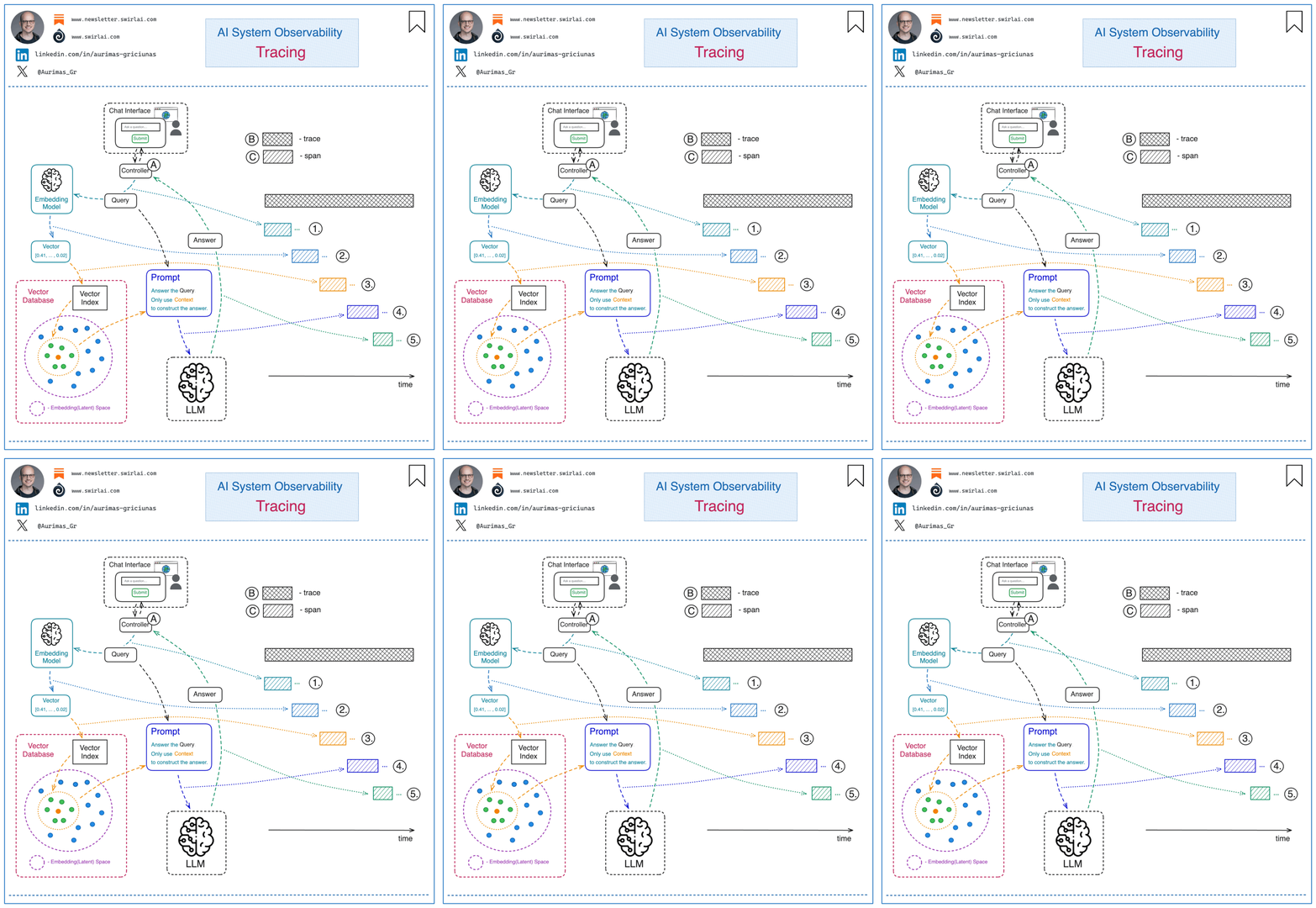
𝗔𝗜 𝗢𝗯𝘀𝗲𝗿𝘃𝗮𝗯𝗶𝗹𝗶𝘁𝘆 is a must have in your tool belt as an AI Engineer. 𝗧𝗿𝗮𝗰𝗶𝗻𝗴 sits at the core of it, why is it important? Tracing and instrumentation of software have been aroun…
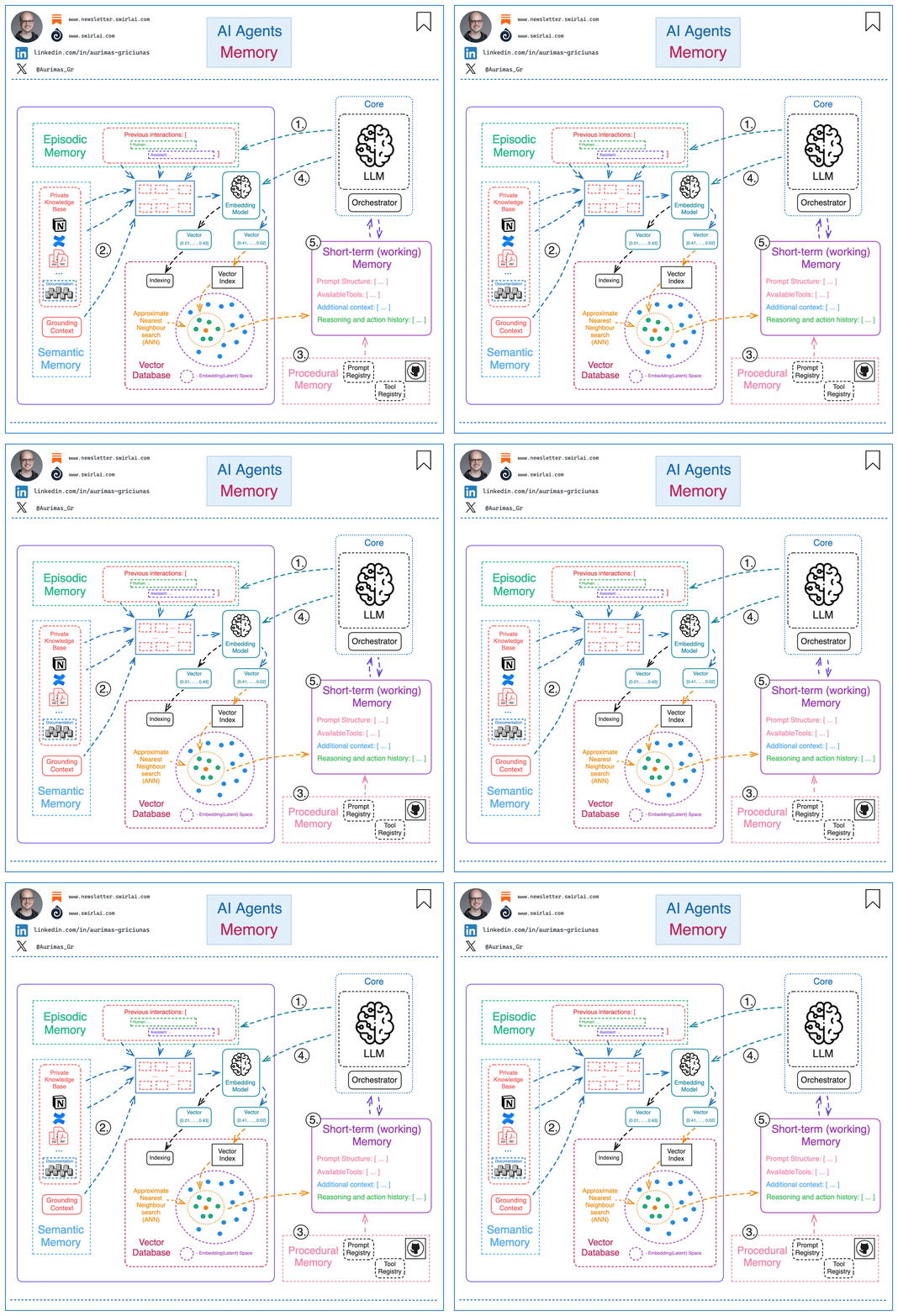
𝗔𝗜 𝗔𝗴𝗲𝗻𝘁’𝘀 𝗠𝗲𝗺𝗼𝗿𝘆 is the most important piece of 𝗖𝗼𝗻𝘁𝗲𝘅𝘁 𝗘𝗻𝗴𝗶𝗻𝗲𝗲𝗿𝗶𝗻𝗴, this is how we define it 👇 In general, the memory for an agent is something that we provide via…
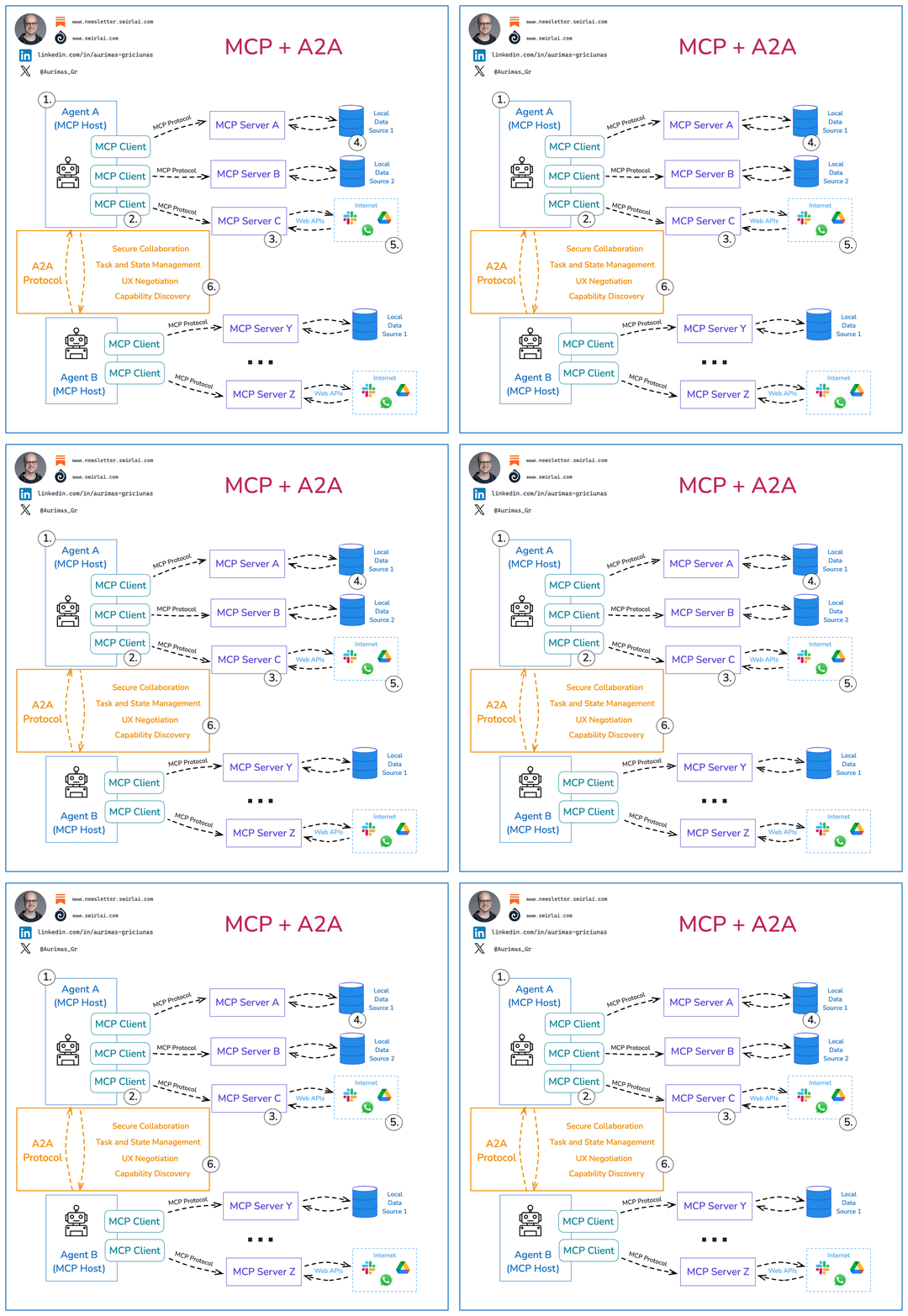
𝗠𝗖𝗣 plus 𝗔𝟮𝗔, here is how they complement each other 👇 Protocol wars continue to rage, let's understand how Googles A2A (Agent2Agent) protocol is different from MCP and how they complement eac…
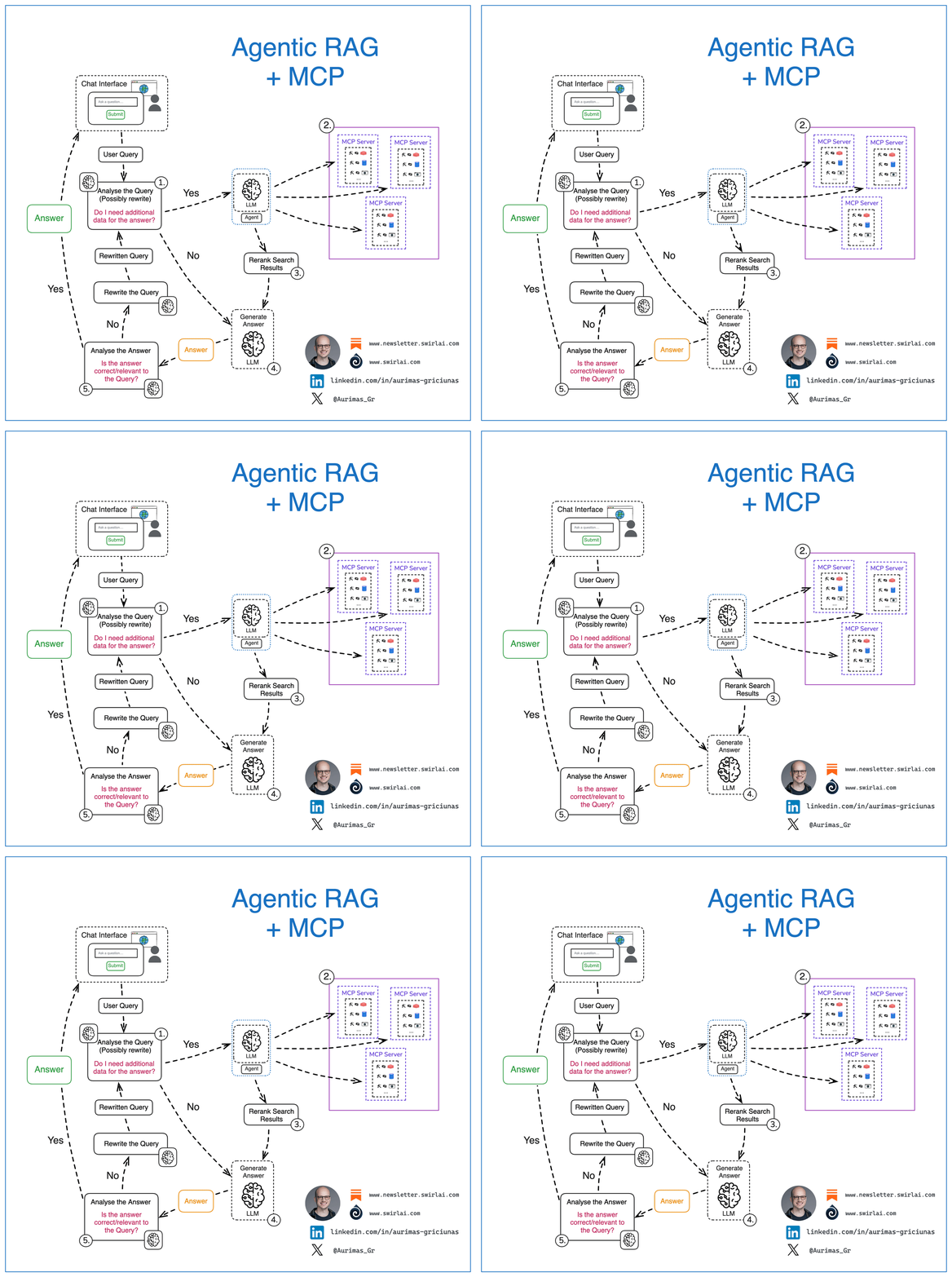
Integrating 𝗔𝗴𝗲𝗻𝘁𝗶𝗰 𝗥𝗔𝗚 Systems via 𝗠𝗖𝗣 👇 If you are building RAG systems and packing many data sources for retrieval, most likely there is some agency present at least at the data sour…
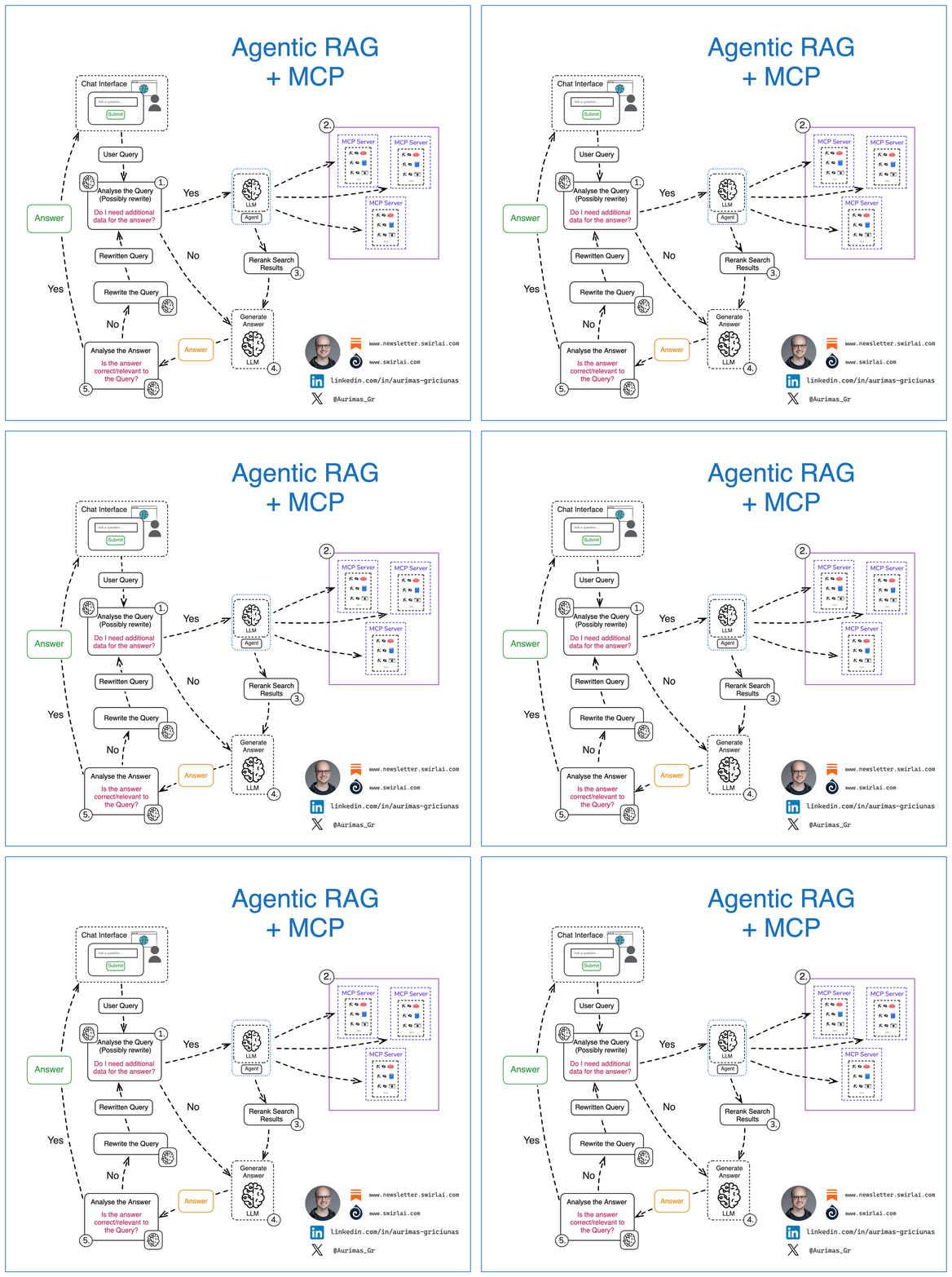
Integrating 𝗔𝗴𝗲𝗻𝘁𝗶𝗰 𝗥𝗔𝗚 Systems via 𝗠𝗖𝗣 👇 If you are building RAG systems and packing many data sources for retrieval, most likely there is some agency present at least at the data sour…
3.0 posts/week
Posts / Week
19
Total Posts Analyzed
MEDIUM
Posting Frequency
342.4%
Avg Engagement Rate
STABLE
Performance Trend
1200
Avg Length (Words)
HIGH
Depth Level
ADVANCED
Expertise Level
0.85/10
Uniqueness Score
YES
Question Usage
0.9%
Response Rate
Writing style breakdown
<start of post>
𝗧𝗵𝗲 𝟯 𝗣𝗶𝗹𝗹𝗮𝗿𝘀 𝗼𝗳 𝗔𝗴𝗲𝗻𝘁𝗶𝗰 𝗪𝗼𝗿𝗸𝗳𝗹𝗼𝘄𝘀: Why most prototypes fail in production 👇
Building a demo is easy. Building a system that doesn't hallucinate under pressure is where the real AI Engineering begins.
When we move from simple prompts to autonomous agents, we must architect for reliability. It is useful to think about this through three specific lenses:
𝟭. 𝗗𝗲𝘁𝗲𝗿𝗺𝗶𝗻𝗶𝘀𝘁𝗶𝗰 𝗚𝘂𝗮𝗿𝗱𝗿𝗮𝗶𝗹𝘀 - You cannot rely on the LLM to police itself. You need hard-coded validation layers that check tool outputs before they reach the user.
𝟮. 𝗦𝘁𝗮𝘁𝗲 𝗠𝗮𝗻𝗮𝗴𝗲𝗺𝗲𝗻𝘁 - Agents need to know where they are in a multi-step process. Using a persistent 'checkpoint' system allows for recovery when an API call times out.
𝟯. 𝗘𝘃𝗮𝗹𝘂𝗮𝘁𝗶𝗼𝗻 𝗟𝗼𝗼𝗽𝘀 - If you aren't measuring your agent's success rate on a fixed set of tasks, you aren't engineering; you're just guessing.
❗️ Most developers spend too much time on the prompt and not enough time on the surrounding 'scaffolding.'
❗️ A reliable agent is 20% LLM and 80% traditional software engineering.
Learn how to build production-grade systems in my End-to-End AI Engineering Bootcamp: https://lnkd.in/dagWE5r3
And that is it! The difference between a toy and a tool is the architecture you build around the model.
What is the biggest bottleneck you've faced when moving agents to production? Let me know in the comments 👇
<end of post>
Sign in to unlock the full writing analysis
Free tools to help you write, score, and benchmark in the same style.
Other creators worth studying alongside Aurimas Griciūnas.
Yeabsira Shimelis
Full Stack Engineer at Eaglepoint AI | Fullstack Web Development Instructor at skillbridge-institute-of-technology
Elias Stråvik
Building open source software for GTM teams
108 Viral Score

Jarno Duursma
LinkedIn Top Voice AI | Meest geboekte AI-spreker van Nederland | Keynote speaker | Artificial Intelligence | 16 years experience | Personal Growth | AI-Spreker | AI-expert
37 Viral Score

Walker Deibel
Buying businesses | Investing in private markets Founder, PE & RE Fund | Author of Buy Then Build 🧠 Learn more → walkerdeibel.com
25 Viral Score

Amy Watts
B2B marketing…but make it ✨fun✨ | Social Strategist + Content Creator 👩🏻💻
233 Viral Score

Will Guidara
NYT Bestselling Author: Unreasonable Hospitality; Host: The Welcome Conference; Co-Producer: The Bear; Speaking Inquiries: contact@vaynerspeakers.com
45 Viral Score
ViralBrain plans, writes, and schedules your LinkedIn content, using official LinkedIn APIs so your account stays safe.
Write like Aurimas Griciūnas.