
SEO has a groupthink problem. Everyone's obsessed with the same playbook. Keyword research. Search volume. Difficulty scores. Rinse and repeat. Some of the best SEO teams I've worked with barely to…
387652914 viral
SEO Strategy9 months ago

LinkedIn Content Strategy & Writing Style
Author of Product-Led SEO | Strategic SEO/AEO & Growth Advisor/Consultant | Angel Investor| Newsletter Productledseo.com| Please add a note to connection requests.
1 person tracking this creator on ViralBrain
Eli Schwartz positions himself as the strategic contrarian of search, serving as a high-level advisor who prioritizes business outcomes over vanity metrics. His content strategy centers on debunking "SEO groupthink" by shifting the focus from commoditized keyword volume toward deep customer journey mapping and search market fit. He is particularly notable for his early, nuanced advocacy for Product-Led SEO and Answer Engine Optimization (AEO), where he balances technical foresight with a skeptical eye toward unmeasurable agency hype. By intersecting growth consulting with radical transparency, Schwartz frequently warns leaders against the "spam-and-pray" tactics of AI content scaling, instead urging a pivot toward brand trust and authentic community engagement as the only viable defenses against Google’s increasingly personalized AI search landscape.
63.0K
23.2K
174
8.9
36
1
SEO has a groupthink problem. Everyone's obsessed with the same playbook. Keyword research. Search volume. Difficulty scores. Rinse and repeat. Some of the best SEO teams I've worked with barely to…
The era of prompt tracking might be coming to an end before it even started. As AI systems roll out personalization features, a tracked prompt doesn't mean it's a "viewed" prompt. (See this newslet…
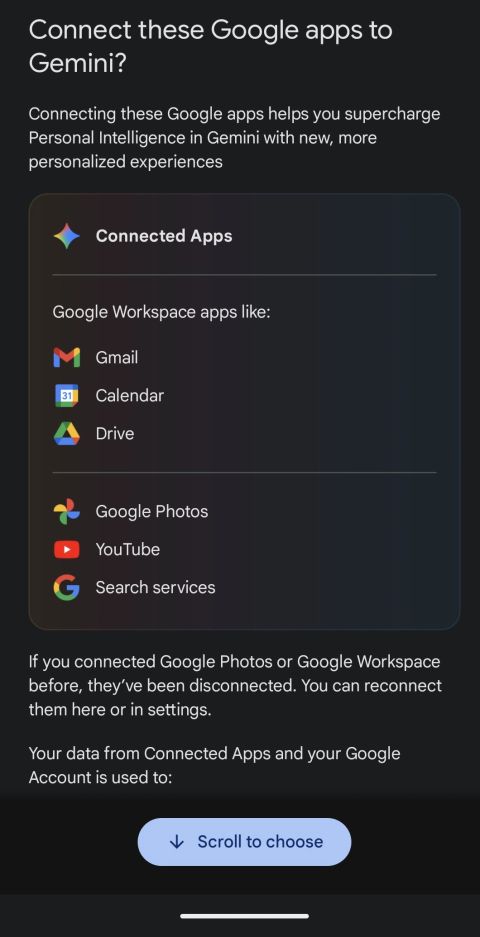
I called it earlier this week with Gemini. But this is way bigger. Google just launched Personal Intelligence in AI Mode. And if you create content, run a business, or depend on organic traffic, eve…

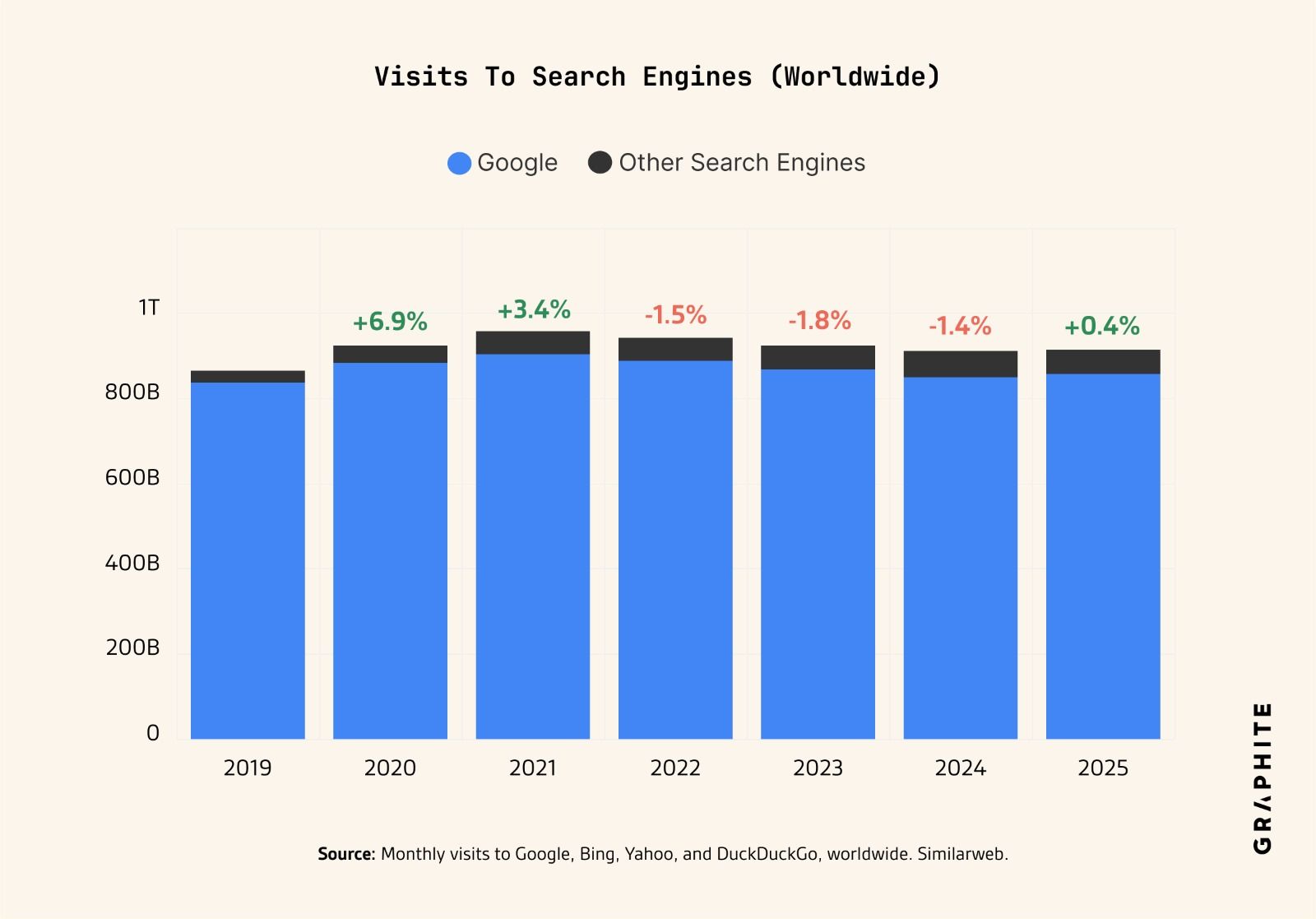
Search isn't dying. It's evolving. And the data below proves it. A recent myth has been circulating: "Search is dead. AI killed it." But here's what the numbers actually show, according to this stu…
Every week I talk to marketing leaders about to drop $50K+ on AEO. And every week I have to deliver bad news. Most of what they're being sold can't be tracked. The pitch deck looks amazing. The case…
Many companies are about to ruin Reddit for themselves. They're chasing supposed LLM visibility with the wrong tactics. Here's the problem: Brands are paying $500-1000/month for link spam, treating…
8.9 posts/week
Posts / Week
0.9 days
Days Between Posts
1
Total Posts Analyzed
HIGH
Posting Frequency
173.6%
Avg Engagement Rate
STABLE
Performance Trend
260
Avg Length (Words)
HIGH
Depth Level
ADVANCED
Expertise Level
0.82/10
Uniqueness Score
YES
Question Usage
0.4%
Response Rate
Writing style breakdown
<start of post>
Most B2B teams are about to waste a year chasing 'AI visibility'.
Not because AI search doesn’t matter.
But because they’re using the same old playbook with a new label.
They’re paying for vague “GEO/AEO” retainers, publishing mass content, and celebrating dashboards that can’t prove anything moved.
The pitch looks clean. The metrics look busy. The outcome is usually a shrug.
And once the budget is gone, you’re left explaining to leadership why you can’t connect spend to pipeline.
A vendor changes 20 things at once (titles, internal links, schema, rewrites) and calls it a “system”
Reporting that shows impressions and “model visibility” but can’t tie to qualified traffic or revenue
Case studies that only work because the brand was already a category leader
Teams tracking prompts like rankings, even as personalization makes the same prompt mean 1000 different experiences
You can’t optimize what you can’t isolate.
And you can’t isolate what you refuse to measure.
This doesn’t mean AI optimization is fake.
It means most programs are built to look impressive, not to be testable.
Start with a measurement spine you trust, then layer experiments on top of it.
If you want a practical way to do this, use a three-layer approach.
Layer 1: Keep one channel “clean”
Pick a set of pages you do not touch for 30 days. No rewrites. No schema changes. No new internal links. This becomes your control group, so you have something real to compare against.
Layer 2: Run one-variable experiments
One change. One hypothesis. One page group. If you change the page AND the template AND the internal links, you didn’t run an experiment. you created a story you can’t verify.
Layer 3: Measure outcomes that map to money
Traffic is not the outcome. Neither is “being cited.”
Pick 2–3 actions that represent intent for your business: demo requests, pricing page views from qualified sources, sales conversations, email signups from the right pages. Then track those against the experiments.
A lot of teams skip this because it’s slower.
But slow is still faster than spending 6 months on an initiative you can’t defend.
Most companies are optimizing for what they think the model reads, not what the customer needs at the moment they ask.
That’s why customer journey mapping keeps showing up in every strategy that actually lasts.
When you understand the questions people ask before they buy, you stop guessing at “AI keywords” and start building the pages that naturally get pulled into answers.
And yes, shockingly (or not) it performs in traditional search too.
How will we prove this worked?
If the answer is vague, pause.
DM me if you want me to sanity-check the proposal and point out the measurement gaps before you lock in a long retainer.
<end of post>
Sign in to unlock the full writing analysis
Free tools to help you write, score, and benchmark in the same style.
Other creators worth studying alongside Eli Schwartz.

Nikolai Golos
Product & Growth at Fluently AI (YC W24) | Improve your English speaking skills with AI
99 Viral Score

Stanislav Beliaev
Co-Founder & CTO at GetFluently.App (YC W24), ex Nvidia
88 Viral Score

Alex Banks
Building a better future with AI
39 Viral Score

Julien Renaux
Software Engineer - AI guru
1,102 Viral Score

Eric Blaauboer
Schrijver van "Je Laatste: stoppen met roken, op weg naar nicotinix"
139 Viral Score

Stephanie Holland ⚡
GTM Engineer @ mgsh. | Brand-led GTM systems that turn data chaos into pipeline | Clay Solutions Partner | UK + EMEA
151 Viral Score
ViralBrain plans, writes, and schedules your LinkedIn content, using official LinkedIn APIs so your account stays safe.
Write like Eli Schwartz.