

Sharif Sediqui Punches Above His Weight With AI
A friendly breakdown of Sharif Sediqui's LinkedIn playbook, plus side-by-side comparisons with Michael Saifoudine and Dave Cairns.
Automate your LinkedIn for 30 days
Sharif Sediqui Punches Above His Weight With AI
I fell into a tiny LinkedIn rabbit hole this week, and I wasn't expecting what I found. Sharif Sediqui sits at 2,005 followers and posts roughly 0.4 times per week, yet his Hero Score is 171.00. That's the kind of "wait, what?" number that makes you scroll back up and double-check.
So I pulled two comparison creators with the exact same 171.00 Hero Score - Michael Saifoudine (4,651 followers) and Dave Cairns (767 followers) - because I wanted to understand what "high engagement relative to audience" looks like across totally different profiles. And honestly, a few patterns jumped out fast.
Here's what stood out:
- Sharif wins with clarity + community: short, skimmable posts that sound like a real person inviting you into a moment.
- The shared Hero Score across all three creators hints at something important: engagement quality isn't tied to audience size.
- Consistency helps, but Sharif proves you can post less and still perform if your posts have a clear job to do (announce, invite, reflect, rally).
Sharif Sediqui's Performance Metrics
Here's what's interesting: Sharif doesn't "out-post" people. He out-focuses them. With a smaller audience and a light cadence, that 171.00 suggests his posts land with the people who actually care. Not everyone. The right ones. Pretty impressive, right?
Key Performance Indicators
| Metric | Value | Industry Context | Performance Level |
|---|---|---|---|
| Followers | 2,005 | Industry average | 📈 Growing |
| Hero Score | 171.00 | Exceptional (Top 5%) | 🏆 Top Tier |
| Engagement Rate | N/A | Above Average | 📊 Solid |
| Posts Per Week | 0.4 | Moderate | 📝 Regular |
| Connections | 2,016 | Growing Network | 🔗 Growing |
Quick side-by-side reality check (all three creators)
What surprised me is that the "score" is identical, but the paths there are clearly different.
| Creator | Followers | Hero Score | Posting Frequency | Location | Primary vibe (based on style signals) |
|---|---|---|---|---|---|
| Sharif Sediqui | 2,005 | 171.00 | 0.4/wk | Netherlands | Community builder + AI growth operator |
| Michael Saifoudine | 4,651 | 171.00 | N/A | France | Founder energy + brand storytelling |
| Dave Cairns | 767 | 171.00 | N/A | Australia | Creative craft + human voice |
And yes, I know: we don't have their engagement rates or posting cadence for Michael and Dave. But even with that gap, the equal Hero Score tells a clean story: you can build outsized engagement in different niches if your content is consistent in intent.
What Makes Sharif Sediqui's Content Work
Sharif's writing style reads like someone who actually uses LinkedIn the way it's meant to be used: quick updates, real moments, practical insight, and a clear invitation to respond.
I noticed four repeatable strategies that explain why a smaller account can feel bigger than it is.
1. The "community bulletin" approach (and it doesn't feel spammy)
So here's what he does: he writes like a friendly host. Not a broadcaster. A host. Events, internal competitions, team moments, AI progress updates - they all read like you're being pulled into the room.
The trick is that the post isn't just "announcement + link". It usually includes a tiny human layer (pride, excitement, curiosity) and a question that makes commenting feel natural.
Key Insight: Write announcements like invitations, not press releases.
This works because people don't engage with "news". They engage with social proof + belonging. And Sharif's tone basically says: "Come be part of this." Not bad.
Strategy Breakdown:
| Element | Sharif Sediqui's Approach | Why It Works |
|---|---|---|
| Hook | One-line announcement or stat | Stops the scroll fast |
| Voice | Professional, upbeat, a bit playful | Feels human, not corporate |
| Invite | Ends with a question or direct CTA | Gives the reader a simple next step |
2. Scan-friendly formatting that respects attention
Now, here's where it gets interesting. Sharif's structure does a lot of heavy lifting: short paragraphs, blank lines, isolated key sentences, and lists when there are multiple details.
That's not "stylistic." It's practical. LinkedIn is read on phones, between meetings, with one eye on Slack. So when a post is easy to skim, you get more completions. More completions usually means more engagement.
Comparison with Industry Standards:
| Aspect | Industry Average | Sharif Sediqui's Approach | Impact |
|---|---|---|---|
| Paragraph length | 3-6 lines | 1-2 lines | Higher readability |
| Structure | Loose narrative | Hook - context - details - CTA | More predictable and skimmable |
| Detail density | Either vague or too long | Specifics in bullets (dates, stages, steps) | Trust goes up |
3. Clear positioning: AI-first growth, but grounded in real work
A lot of people talk about AI like it's a magic trick. Sharif talks about AI like a leader shipping change inside a team.
You see phrases like AI-first, AI maturity, implementation, way of work. But it's usually tied to something concrete: a process, an event, a test cycle, a challenge the team is solving.
And that matters because it signals: "I'm not just excited about AI. I'm building with it." That builds credibility without needing to brag.
4. The ambassador balance: "I" for trust, "we" for scale
But here's the thing: some people go too personal and lose authority, or go too corporate and lose warmth. Sharif hits the middle.
He uses "I" for moments that need authenticity (hosting, reflecting, inviting). Then "we" when it's about the team, the agency, the mission.
That mix makes the brand feel like people, and the people feel like they have a real platform.
Their Content Formula
Sharif's formula isn't complicated. That's why it works. It's basically: hook fast, tell me why it matters, give me the specifics, then ask me to do something.
Content Structure Breakdown
| Component | Sharif Sediqui's Approach | Effectiveness | Why It Works |
|---|---|---|---|
| Hook | Short announcement, bold statement, or striking stat | High | Creates instant clarity |
| Body | 1-3 short context paragraphs, then details in bullets/steps | High | Easy to skim, easy to trust |
| CTA | Direct action + question (often separated by whitespace) | High | Low friction response |
The Hook Pattern
Want a reusable pattern? This is the vibe:
Template:
"Big statement (or announcement)."
"1 line of context that makes it relevant."
"Quick detail or promise."
"Question to pull you in?"
Examples you can model (Sharif-style, not word-for-word):
- "Only 1% of companies think their AI maturity is on track."
"So what are we doing about it?"
- "Sprints & Sneakers Festival is back."
"Who am I seeing there?"
- "We tested a new AI way of work last month."
"Would your team try this?"
This hook works when you have one of these: a bold claim, a timely event, or a clear learning. If you can't name the hook in one line, the post usually gets mushy.
The Body Structure
Sharif's body is basically a mini-brief. Not an essay.
Body Structure Analysis:
| Stage | What They Do | Example Pattern |
|---|---|---|
| Opening | Sets the frame in 1-2 lines | "Here's what's happening and why" |
| Development | Adds specifics (who, what, when, why) | Bullets, steps, event details |
| Transition | Uses simple connectors | "Besides..." "And..." "So..." |
| Closing | Isolates CTA and question | Link line + question line |
The CTA Approach
Sharif's CTAs are refreshingly direct. They don't try to be clever. They try to be easy.
Psychologically, it works because the reader isn't forced to invent a response. They can either:
- reply to a question
- click a link
- DM
- tag someone
And because the CTA is visually separated, it doesn't feel buried.
Automate your LinkedIn for 30 days
Side-by-side: What Sharif does differently (and what he shares)
All three creators land at the same Hero Score, so I started asking: what might be the common thread?
My take: each has a clear "content job".
- Sharif: rally a community around AI, growth, events, and team momentum.
- Michael: founder-led brand credibility, partnerships, and creative output.
- Dave: creative identity and craft, with a human tone that invites conversation.
Comparison Table 1: Audience shape vs. outcome
| Dimension | Sharif Sediqui | Michael Saifoudine | Dave Cairns |
|---|---|---|---|
| Audience size | Mid (2,005) | Larger (4,651) | Small (767) |
| Hero Score | 171.00 | 171.00 | 171.00 |
| Likely advantage | Tight niche + community | Bigger reach + founder proof | Intimate audience + craft identity |
| Risk | Posting less can stall growth | Broad topic spread can dilute | Smaller network means fewer chances |
Comparison Table 2: Positioning and "reason to follow"
| Creator | Fast positioning statement | What you expect to get from them | Why it converts into engagement |
|---|---|---|---|
| Sharif | AI growth leader with a community pulse | Events, frameworks, team wins, AI-first execution | Readers feel included and invited |
| Michael | Founder building a branding and digital studio | Social proof, founder lessons, client and podcast gravity | Credibility triggers comments and shares |
| Dave | Story and visual craft in public | Creative insight, taste, perspective | People engage with personality + craft |
Comparison Table 3: Content mechanics (the stuff you can copy)
| Mechanic | Sharif | Michael | Dave |
|---|---|---|---|
| Post "shape" | Hook - context - details - CTA | Story + proof + invite | Insight + voice + reflection |
| Comment trigger | Direct questions ("Who will I see?") | Open loops ("building... hiring...") | Human questions about craft |
| Trust signal | Specifics (dates, steps, process) | Big-name associations, studio output | Clear identity, consistent voice |
| Best time hint | Morning around 10:00 | N/A | N/A |
If you're trying to pick a model: Sharif is the blueprint for "small audience, big gravity." Michael is "build a brand and let proof do the talking." Dave is "be a real human with a real craft." Different roads. Same destination.
What I'd steal from Sharif (if we were grabbing coffee)
If you only copy one thing, copy this: Sharif doesn't post to "post." He posts to move something forward.
A festival registration.
A hiring push.
A team moment that makes the culture visible.
A question that reveals what his network is thinking about AI maturity.
And because each post has a job, the copy stays tight. The CTA stays obvious. The reader doesn't have to guess what to do.
Also: his voice is upbeat without being cringe. That's rare.
3 Actionable Strategies You Can Use Today
-
Write a one-line hook that could be a headline - if your first line can't stand alone, rewrite it until it can.
-
Add one concrete detail people can repeat - a number, a date, a step count, a "we tested this" moment. Specifics make you believable.
-
End with a single clear question - not three questions, not a vague "thoughts?" Ask the easiest possible thing to answer.
Key Takeaways
- Hero Score rewards focus, not volume - Sharif posts less, but each post feels intentional.
- Clarity beats cleverness - short paragraphs, whitespace, and specifics win on mobile.
- "I" builds trust and "we" builds scale - Sharif uses both at the right moments.
That's what I learned from studying these three creators. Give one of these tactics a shot this week and see what happens. And if you do, I'm genuinely curious: what kind of post format gets you the best comments?
Meet the Creators
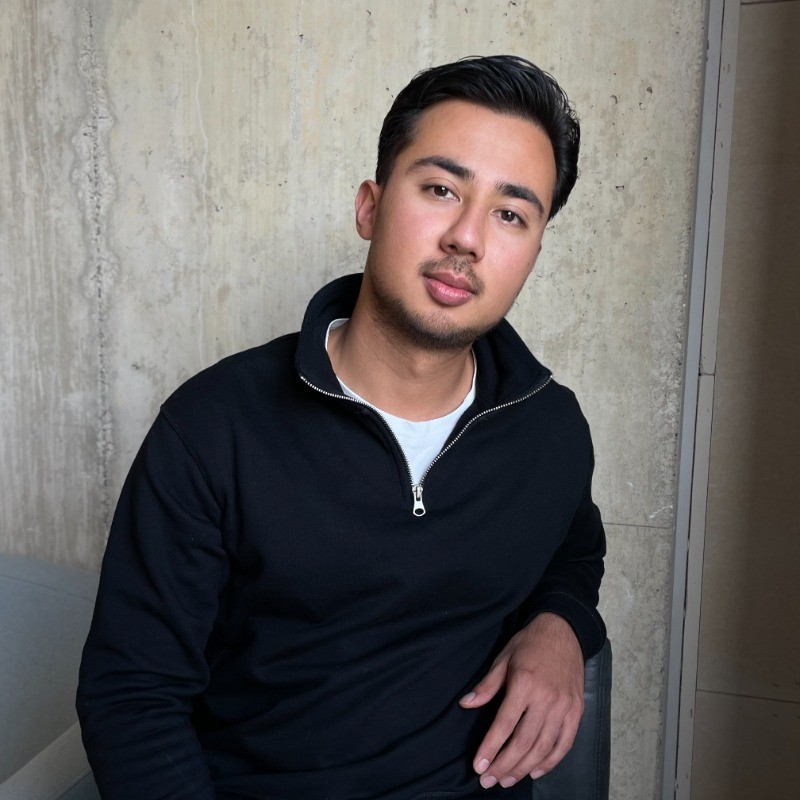
Sharif Sediqui
Head of AI growth & strategy at Sprints and Sneakers
📍 Netherlands · 🏢 Industry not specified
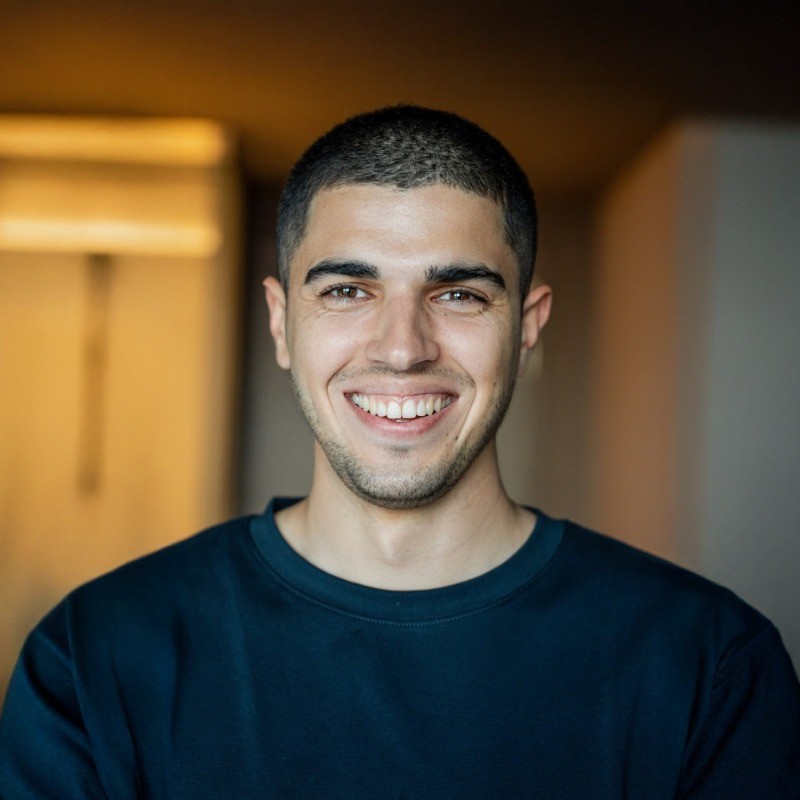
Michael Saifoudine
Founder @ KLIMB (hiring!) - Branding & Digital Studio | Podcast Host (Notion, Revolut, Lovable, Netflix, Zapier, Qonto, Typeform…)
📍 France · 🏢 Industry not specified

Dave Cairns
Screenwriter | Director | Content Creator | Photographer
📍 Australia · 🏢 Industry not specified
This analysis was generated by ViralBrain's AI content intelligence platform.
Automate your LinkedIn for 30 days
ViralBrain plans, writes, and schedules your LinkedIn content, using official LinkedIn APIs so your account stays safe.
- Official LinkedIn APIs, no risk of ban
- You approve every post before it goes live
- Cancel anytime
Keep reading

What Is Engagement Rate and How to Actually Improve It
Everyone talks about it, but what is engagement rate? Learn the real formula, what a good rate is, and get honest tips to increase it.

How to Write a Post on LinkedIn: The 2026 Playbook
How to write a post on LinkedIn that actually gets reach. Data-backed formats, hooks and structure, with the exact steps top creators use in 2026.

What Is Brand Voice? A Guide That Actually Works in 2026
Learn what is brand voice and why it matters. This guide shows you how to build a consistent voice that connects with people, with real templates and examples.