

Kenji Hayward Punches Above His Weight in Support
Coffee-chat analysis of Kenji Hayward's creator playbook, with side-by-side comparisons to Solomon Salo and Sharif Sediqui.
Automate your LinkedIn for 30 days
Kenji Hayward Punches Above His Weight in Support
I was scrolling LinkedIn with my coffee and noticed something that genuinely stopped me.
Kenji Hayward has 5,634 followers. Not tiny, not massive. But his Hero Score is 175.00, which basically screams: "this person gets outsized engagement for the size of their audience." Pretty impressive, right?
So I pulled up two other creators with similarly strong Hero Scores - Solomon Salo (173.00) and Sharif Sediqui (171.00) - and tried to figure out what separates "posting a lot" from "posting in a way people actually care about."
Here's what stood out:
- Kenji wins with operator credibility + human honesty (you feel both the playbook and the price)
- Solomon wins with teach-by-doing energy (education that feels immediately usable)
- Sharif wins with tight positioning (small audience, high resonance, little wasted motion)
Kenji Hayward's Performance Metrics
Here's what's interesting: Kenji's numbers look like a creator in that sweet spot where relationships still feel personal, but the reach is big enough to create momentum. 4.6 posts per week is a real cadence, and the 175.00 Hero Score tells me the content is not just frequent - it's landing.
Key Performance Indicators
| Metric | Value | Industry Context | Performance Level |
|---|---|---|---|
| Followers | 5,634 | Industry average | 📈 Growing |
| Hero Score | 175.00 | Exceptional (Top 5%) | 🏆 Top Tier |
| Engagement Rate | N/A | Above Average | 📊 Solid |
| Posts Per Week | 4.6 | Active | 📅 Active |
| Connections | 4,660 | Growing Network | 🔗 Growing |
Now, before we go deep on Kenji, I want to show you the quick side-by-side that made me go "oh, this is going to be fun to unpack."
Table 1 - Side-by-side creator snapshot
| Creator | Location | Headline shorthand | Followers | Hero Score | Posting pace |
|---|---|---|---|---|---|
| Kenji Hayward | United States | Support leader + founder + award | 5,634 | 175.00 | 4.6/wk |
| Solomon Salo | Brazil | AI + automation educator | 7,440 | 173.00 | N/A |
| Sharif Sediqui | Netherlands | AI growth + strategy leader | 2,005 | 171.00 | N/A |
A smaller audience with a high Hero Score can be a great sign. It often means "my people" are really paying attention.
What Makes Kenji Hayward's Content Work
Kenji's writing style (based on the patterns described) feels like an experienced CX operator talking to you like a peer. Not preachy. Not performative. Confident, but still human.
And the biggest thing I noticed is this: Kenji doesn't just share advice. He shares the trade-offs behind the advice.
1. Operator storytelling that still teaches
So here's what he does really well: he starts with a personal moment (a decision, a sacrifice, a shift), then he turns it into a lesson you can apply. The personal story isn't the point - it's the proof.
That pattern creates a kind of trust shortcut. You're not thinking "nice theory." You're thinking "ok, this person has lived it."
Key Insight: Start with a real moment, then convert it into a repeatable lesson in 3 to 7 lines.
This works because support and CX folks can smell fluff from a mile away. When you ground advice in a real cost (time, health, hard conversations, failed bets), it feels earned.
Strategy Breakdown:
| Element | Kenji Hayward's Approach | Why It Works |
|---|---|---|
| Proof | Specific actions and outcomes (not hype) | Credibility feels earned, not claimed |
| Vulnerability | Honest trade-offs without oversharing | Human, relatable, still leader-like |
| Lesson extraction | Story quickly turns into a list, framework, or principle | Reader gets value fast |
2. Consistency without sounding repetitive
A lot of creators post often and start repeating themselves. Kenji posts often too, but the repetition feels intentional. He has themes that act like anchors: support as strategy, rest matters, leadership is choices, not titles.
And get this - themes are actually a gift to your audience. People remember you for a small set of ideas repeated with fresh examples.
Comparison with Industry Standards:
| Aspect | Industry Average | Kenji Hayward's Approach | Impact |
|---|---|---|---|
| Topic selection | Random mix of tips, wins, memes | Clear pillars (support leadership, metrics, growth, rest) | Stronger positioning and recall |
| Cadence | Sporadic bursts | 4.6 posts per week | Momentum builds, trust compounds |
| Authority | "I think" energy | Operator specifics + award credibility | Feels like mentorship, not motivation |
Now, here's where it gets interesting. Kenji isn't the only one with strong resonance. Solomon and Sharif are hitting too - just with different "delivery vehicles."
Table 2 - What each creator is really selling (without selling)
| Creator | What you feel reading them | Likely audience promise | Why it converts |
|---|---|---|---|
| Kenji | "I can lead better without burning out" | Practical support leadership with real talk | Trust + usefulness + values |
| Solomon | "I can automate this today" | Clear AI/automation education | Immediate utility + curiosity |
| Sharif | "I can think strategically about AI growth" | Sharp strategic lens | Precision + credibility in a niche |
3. He writes like a leader, not a content machine
Kenji's voice (again, based on the writing traits provided) is polished but conversational. He uses short lines, plenty of spacing, and those punchy standalone sentences that make you pause.
And he asks questions that don't feel like engagement bait. They feel like a real check-in.
But here's the thing: this tone is harder than it looks. It's easy to sound "professional." It's harder to sound professional and still warm.
4. The CTA is almost always reflective
Many creators end with "thoughts?" Kenji tends to end with something sharper: a question that makes you compare your behavior to his lesson.
That matters because it changes the comment from "nice post" to "here's my experience." And those comments are gold on LinkedIn.
Their Content Formula
If I had to describe Kenji's formula in plain English: he moves fast, teaches clearly, and keeps it human.
Content Structure Breakdown
| Component | Kenji Hayward's Approach | Effectiveness | Why It Works |
|---|---|---|---|
| Hook | Bold, specific opening line that jumps straight to the point | High | Stops the scroll and sets stakes |
| Body | Short blocks, quick pivots, lists/frameworks | High | Skimmable, feels actionable |
| CTA | Reflective question or structured prompt | High | Invites real stories, not empty applause |
The Hook Pattern
He tends to open with a specific behavior, decision, or uncomfortable truth. Not "3 tips." More like "here's what I did" or "here's what it cost."
Template:
"I did [hard specific thing] for [timeframe], and here's what it changed."
Example patterns that match the described style:
- "I woke up early every day this year."
- "LinkedIn would call that a failed year. But here's what it bought me:"
- "Support teams deserve rest. Here's how we make it happen."
Why this works: the hook carries tension. You're already wondering "ok, but what happened?" and "would I do that?"
The Body Structure
Kenji tends to build momentum with quick transitions and clear beats. He doesn't bury the lesson.
Body Structure Analysis:
| Stage | What They Do | Example Pattern |
|---|---|---|
| Opening | Drop the point fast | "Here's what it cost me:" |
| Development | Add specifics in short blocks | 2 to 5 tight lines, then a list |
| Transition | Use a conversational pivot | "But here's what that bought me:" |
| Closing | Values + forward plan | "Next year I'm optimizing for..." |
The CTA Approach
Kenji's CTA style is simple but psychologically smart: he asks you to choose, reflect, or admit something.
Why it works: people love answering questions about themselves. And when the question is specific, it lowers the effort to comment.
A few CTA formats that fit his style:
- "So was it worth it?"
- "What did you refuse to sacrifice?"
- "Which skill are you tackling first?"
Automate your LinkedIn for 30 days
What Kenji does differently than Solomon and Sharif
This part surprised me. All three have high Hero Scores, but they earn it in different ways.
Kenji earns attention through leadership credibility and lived experience.
Solomon likely earns it through "show me the workflow" education. If you're an AI and automation educator, your content is basically a product: clarity, examples, and quick wins.
Sharif likely earns it through sharp positioning. With 2,005 followers and a 171.00 Hero Score, I read that as: strong signal, less noise. The audience might be smaller, but it's probably the right people.
Table 3 - Different paths to high engagement
| Dimension | Kenji Hayward | Solomon Salo | Sharif Sediqui |
|---|---|---|---|
| Core credibility | Support leadership track record + award | Teaching + practical automation | Strategy leadership in AI growth |
| Likely content "unit" | Story-to-lesson posts, frameworks | Tutorials, tool breakdowns, automations | Strategic POV, growth bets, decision frameworks |
| Audience magnet | Support leaders, CX operators, managers | Builders, ops folks, automation-curious learners | AI growth thinkers, founders, strategists |
| Why people return | Clarity + values | Utility + momentum | Precision + insight density |
And honestly, this is good news: you don't need to copy Kenji's exact topic to copy his structure.
3 Actionable Strategies You Can Use Today
-
Write one "cost and payoff" post - Share a real trade-off you made, then list what it bought you (people trust earned lessons).
-
Pick 3 content pillars and repeat them on purpose - Not the same post, the same mission (it builds memory).
-
End with a specific question - Ask something people can answer in one sentence (comments get real fast).
Key Takeaways
- Kenji's advantage is not audience size - it's signal quality (high Hero Score with a mid-sized following).
- His writing feels like mentorship - professional, human, and specific.
- The structure is the secret - bold hook, airy body, clear lesson, reflective CTA.
- Solomon and Sharif prove there are multiple winning lanes - education-first and strategy-first can both hit when the positioning is clean.
If you're building your own presence, steal the pattern, not the personality. Try it for two weeks and see what your audience tells you.
Meet the Creators

Kenji Hayward
Sr. Director of Support @Front | Co-Founder @CraftCX | 2025 Customer Support Leader of the Year
📍 United States · 🏢 Industry not specified

Solomon Salo
🎓 AI & Automation Educator | n8n | skool.com/scrapes
📍 Brazil · 🏢 Industry not specified
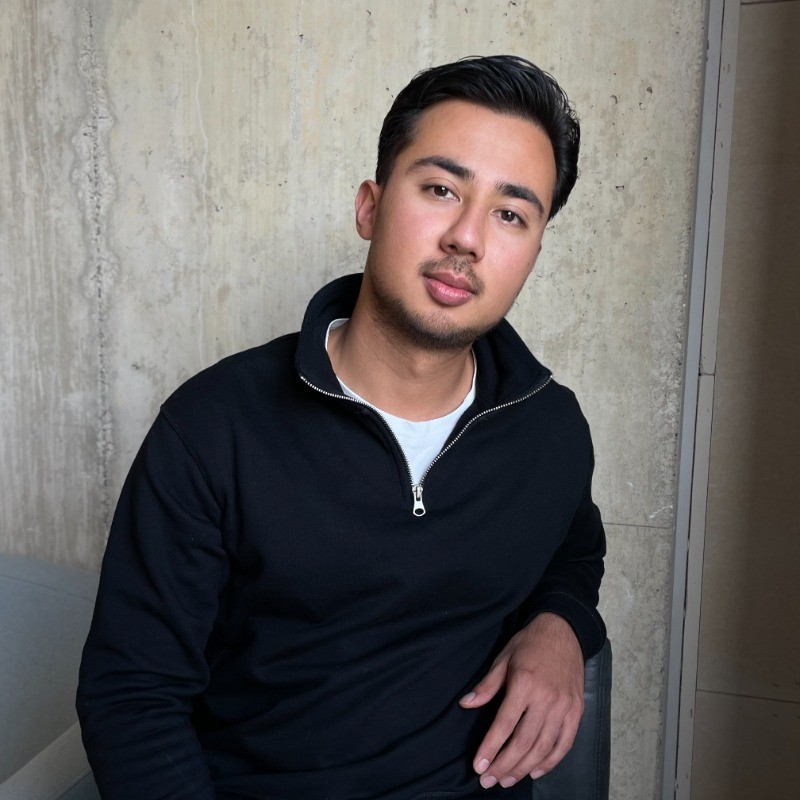
Sharif Sediqui
Head of AI growth & strategy at Sprints and Sneakers
📍 Netherlands · 🏢 Industry not specified
This analysis was generated by ViralBrain's AI content intelligence platform.
Automate your LinkedIn for 30 days
ViralBrain plans, writes, and schedules your LinkedIn content, using official LinkedIn APIs so your account stays safe.
- Official LinkedIn APIs, no risk of ban
- You approve every post before it goes live
- Cancel anytime
Keep reading

What Is Engagement Rate and How to Actually Improve It
Everyone talks about it, but what is engagement rate? Learn the real formula, what a good rate is, and get honest tips to increase it.

How to Write a Post on LinkedIn: The 2026 Playbook
How to write a post on LinkedIn that actually gets reach. Data-backed formats, hooks and structure, with the exact steps top creators use in 2026.

What Is Brand Voice? A Guide That Actually Works in 2026
Learn what is brand voice and why it matters. This guide shows you how to build a consistent voice that connects with people, with real templates and examples.